
How to Train an Older Dog to Use a Dog Flap
How to Train an Older Dog to Use a Dog Flap Why training matters for an older dog Older dogs may be wary of changes to the home, especially a new dog flap....
How to Train an Older Dog to Use a Dog Flap
Why training matters for an older dog
Older dogs may be wary of changes to the home, especially a new dog flap. Reduced mobility, joint pain and sensory decline can all make a simple act like squeezing through a flap stressful. Training patiently reduces anxiety and helps avoid injuries; fitting the correct dog flap and taking account of door or window hardware will make training easier and more durable. This post combines practical training steps with trade and DIY advice for a reliable, safe installation.
Choose the right dog flap and position
Select a dog flap suited to the dog’s size, age and health. Key options are:
- Soft flexible flaps with minimal resistance: best for older or arthritic animals.
- Magnetic or mechanical locking flaps: allow easy passage but add security when required.
- Electronic flaps with collar sensors: prevent other animals entering, useful in built-up areas.
Measure your dog at shoulder height when standing; the opening should be wide enough for the chest and high enough to avoid scraping the spine. For very stiff or short-legged dogs consider a low-threshold model or one with a ramp. For full product ranges and technical specs consult our pet flaps page: /guides/pet-flaps.
Prepare the opening: trade and DIY considerations
Different door and window materials need different approaches. A few professional tips:
- uPVC doors: Cutting uPVC can void manufacturer warranties and cause steel reinforcement issues; many professionals recommend a specialist uPVC fitter. If you proceed, use templates, a jigsaw with a fine-toothed blade and sealant on edges to prevent water ingress.
- Composite doors: These can be routed but may need internal strengthening plates; composite doors often contain layered cores so follow the manufacturer’s guidance or call a trade fitter.
- Timber doors: Easier to cut but ensure you treat exposed edges and use timber plugs for screw fixings; apply paint or sealer to protect against moisture.
- Glass panels: Most double-glazed units must be replaced with a bespoke unit incorporating the dog flap; this is specialist work for a glazier and will maintain thermal performance.
General installation steps for tradespeople and competent DIYers: use the manufacturer’s template, mark and drill starter holes at template corners, cut with a jigsaw or router appropriate for the material, fit the inner and outer frame, use foam or silicone sealant for airtightness, and secure with stainless steel screws. Fit brushes or draught seals as required. Always check door manufacturer warranties and advise homeowners where a trade fit is recommended.
Step-by-step training plan
Older dogs learn best with short, consistent sessions and rewards. Aim for 5–10 minute sessions, two to four times a day, keeping training gentle and predictable.
- Step 1: Familiarise. Place the dog flap propped open so the dog can see through; let the dog sniff and explore at their own pace. Use high-value treats and calm praise.
- Step 2: Lure through. Stand on the outside holding a treat; encourage the dog through the propped-open flap. Use a calm voice and reward immediately when the dog crosses the threshold.
- Step 3: Practice both directions. Repeat encouraging the dog to come inside and go out. Always reward successful attempts so the dog links the flap with positive outcomes.
- Step 4: Introduce movement. Lower the flap slightly so it moves but is easy to push. If the flap is stiff, consider temporarily removing magnets or adjustable catches to reduce resistance.
- Step 5: Build independence. Gradually increase flap resistance until the unit is operating normally. For nervous dogs, add a familiar blanket or scent on the other side so they feel comfortable returning.
- Step 6: Fade out prompts. Reduce treats over time and replace them with praise; ensure the dog remains confident and does not regress.
Adjustments for mobility or cognitive issues
Older dogs may need adaptations:
- Low-resistance flaps or assisted models with soft edges; avoid heavy, spring-loaded units.
- Ramps or non-slip plates if the dog struggles with thresholds; tradespeople can fit aluminium threshold ramps for a neat finish.
- Wider or taller flaps for dogs whose gait has changed; measure carefully to avoid shoulder or hip strain.
- If the dog has cognitive decline, repeat sessions often and maintain a strict routine; veterinary advice may be required for medication or physiotherapy.
Security, weatherproofing and maintenance
Balancing ease of use with security is important. Recommendations:
- Choose a model with an optional lock or timer coupling for night security; magnetic locks are easy to operate but check holding strength.
- Install brush seals and weatherstrips to reduce draughts; silicone sealant can be used around frames for airtightness but allow ventilation where needed to avoid condensation.
- For external doors consider stainless steel plates or kick plates to reduce wear; tradespeople should countersink fixings to maintain a neat appearance and prevent moisture ingress.
- Service the flap annually: check seals, hinges and magnets, and replace worn parts to keep resistance low for older dogs.
Recommended Products
Based on this article, you may find these products helpful:
- Structural Glazing Tape - 20mm
- Security Glazing Tape
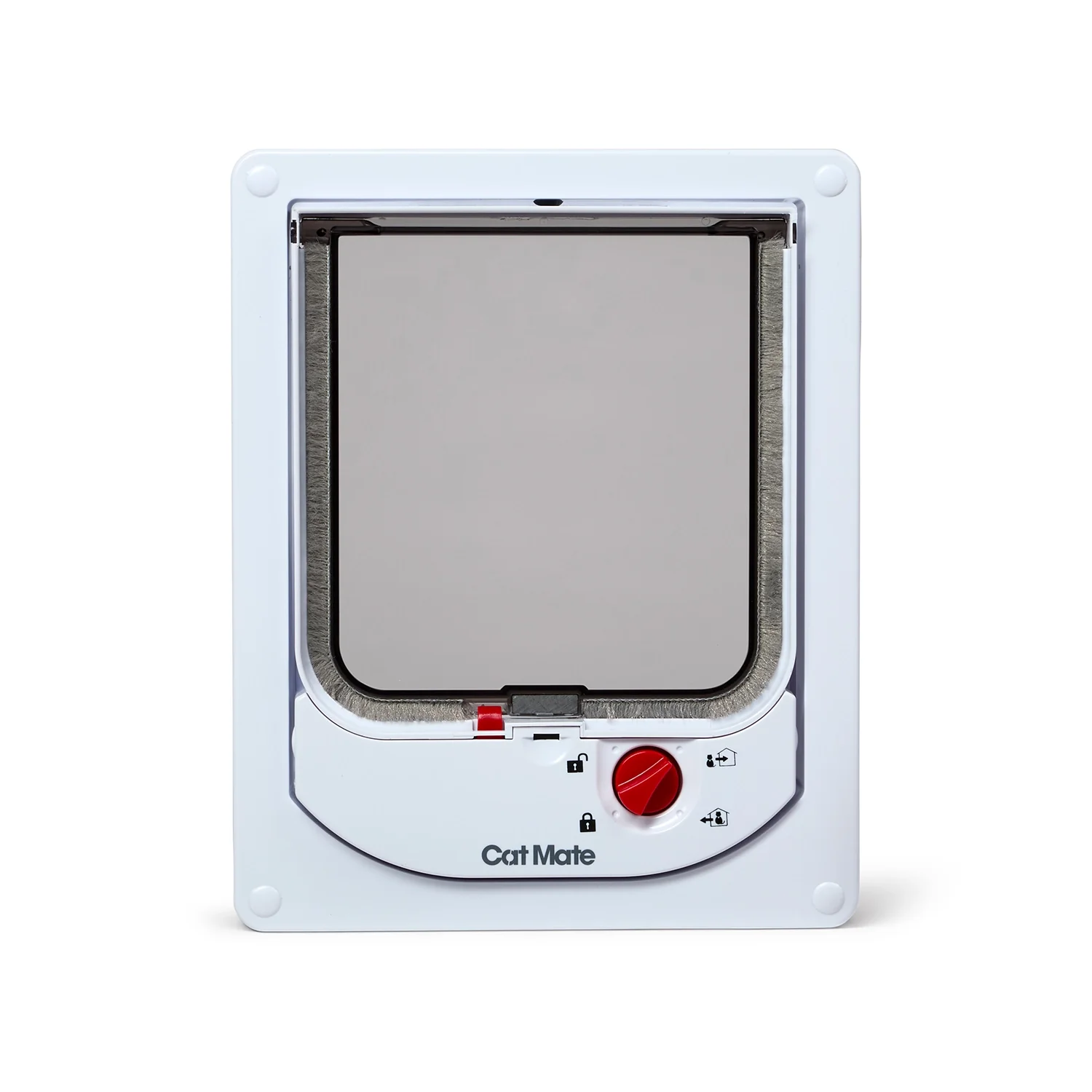
- Cat Mate Electromagnetic Cat Flap
- E-Type Gasket - Black 5m Roll
- E-Type Gasket - Black (Per Metre)
Conclusion and next steps
Training an older dog to use a dog flap requires patience, the right hardware and sometimes professional installation. Start with a low-resistance flap, use gradual, reward-based training and make physical adaptations where needed. For homeowners considering installation, consult your door or window manufacturer about warranties and seek a specialist when working with double glazing, uPVC or composite doors. Tradespeople can benefit from reinforcing frames, fitting weatherproofing and advising on ramp options.
Next steps: measure your dog and door, review the options on our pet flaps page /guides/pet-flaps, and plan a staged training schedule. If you have concerns about mobility or cognition, speak to a vet before proceeding.
Products mentioned in this article
Related articles
Rented Property Cat Flap Options: What Landlords Need to Know
Rented Property Cat Flap Options: What Landlords Need to Know Installing a cat flap in a rented property can improve tenant satisfaction but it raises ques...
Replacing uPVC Door Panels with Cat Flap Panels: A Cleaner Solution
Replacing a uPVC door panel with a purpose-made cat flap panel is a practical way to give pets easier access while keeping the rest of the door intact. Whe...
Dog Flap Insulation: Preventing Heat Loss Through Larger Pet Doors
Dog Flap Insulation: Preventing Heat Loss Through Larger Pet Doors Large dog flaps are convenient for owners and pets, but they create a significant therma...