
Letter Box Sizes Explained: Standard UK Dimensions
Letter Box Sizes Explained: Standard UK Dimensions Choosing the correct letter box for a door or wall opening is a small decision that affects security, we...
Letter Box Sizes Explained: Standard UK Dimensions
Choosing the correct letter box for a door or wall opening is a small decision that affects security, weather protection and day-to-day convenience. Whether you are a homeowner replacing a worn letterplate or a trade professional fitting letterboxes across multiple properties, understanding standard UK dimensions, aperture vs faceplate sizes and installation considerations will save time and avoid costly mistakes.
What people mean by "letter box" and the common product types
A letter box can mean a door-mounted letterplate, a through-wall courier slot, or a freestanding wall-mounted post box. For typical residential doors the most relevant products are:
- Letterplate / letterbox: a faceplate with a flap fitted into a door or panel.
- Through-wall letterbox: a cavity box with external and internal plates for masonry walls.
- Wall-mounted post box: a lockable external box for collection; sizes quoted in litres for capacity.
Standard UK dimensions: what to expect
There is no single legally mandated UK dimension for domestic letter boxes; however, manufacturers and installers generally follow standard ranges that suit Royal Mail items and common envelope sizes. Bear in mind the faceplate outer dimensions differ from the actual cut-out aperture required in the door.
- Narrow slot: typical aperture width 220–240mm; aperture height 25–35mm. Suitable for letters and standard envelopes.
- Standard / most common: aperture width 240–300mm; aperture height 30–40mm. This is the usual choice for residential doors to accept magazines without folding.
- Large / parcel-friendly: aperture width 300–400mm; aperture height 50–80mm. Used where larger items are expected, or where a through-wall receiver is installed.
- External wall boxes: capacity commonly ranges from 12 litres (small) to 40 litres (large); choose by volume rather than aperture alone.
Typical faceplate outer sizes for letterplates commonly sold in the UK include 254 x 38mm and 300 x 65mm; always check the manufacturer spec because the faceplate will overhang the cut-out by several millimetres.
Aperture, faceplate and cut-out: the difference matters
When replacing or fitting a letter box you need three measurements:
- Faceplate outer dimension: what is visible on the door surface.
- Aperture size: the actual hole through which post passes; usually smaller than the faceplate outer size.
- Cut-out template: the exact size and shape to cut in the door or wall; provided by the manufacture for accurate installation.
Always use the producer's cut-out template. Installing a faceplate whose outer size matches the aperture without checking tolerance can lead to gaps, rattles or inadequate weatherproofing.
Trade and DIY installation advice
Follow these practical points for a robust installation:
- Check construction type: timber, metal, UPVC and composite doors require different tools and often different letterplates. For composite and UPVC doors use manufacturer-recommended kits to avoid compromising multipoint locks.
- Measure from both sides: the internal frame or lining can reduce the usable depth; through-wall boxes must fit the wall thickness. Measure door thickness and any internal trim before ordering.
- Use the right tools: woodworking jigsaw blades for timber; bi-metal hole saws or nibblers for metal doors; router and template for precise, clean timber cut-outs. Protect finishes and wear appropriate PPE.
- Seal and weatherproof: use silicone sealant behind faceplates on external doors; install a draught-proofing brush or rubber seal to reduce wind noise and heat loss.
- Follow templates and torque screws evenly to avoid warping thin doors or crushing foam cores inside composite doors.
Security, fire safety and regulations
Consider security and fire safety when selecting a letter box: a standard letterplate can be an access point for fishing or forcing locks. For trade professionals, specify enhanced items where appropriate:
- Anti-fishing and anti-tamper plates: reduce the risk of theft through the slot.
- Internal cages or collector boxes: provide a secure collection area inside the door so mail cannot be pulled out from the outside.
- Restrictors and built-in locks: useful for communal entrances or where larger apertures are necessary.
- Fire doors: many fire-rated doors do not permit a standard letterplate because it compromises the door's integrity; if a letterbox is required you must fit a certified fire-rated letter plate and follow the door manufacturer and building control guidance. Always check the door’s warranty and the fire door specification before cutting.
Choosing the right size for the user
Think about the household’s needs when selecting size and style. Households receiving lots of printed media will benefit from a wider aperture or a through-wall collector box; landlords and housing associations may prefer smaller apertures with internal lockable boxes for security. For flats in communal entry systems consider post box banks or wall-mounted mailboxes to keep entrances secure and tidy.
Practical checks before ordering
Before purchasing a letter box, confirm:
- Door type and thickness; whether a manufacturer-supplied reinforcement is needed.
- Exact cut-out size and whether the product includes an internal liner or collector box.
- Compatibility with existing locks and hardware; ensure screws do not interfere with multipoint locking components.
- Any fire-rating or insurance requirements for the property; consult the door manufacturer or building control if in doubt.
Where to find more information and products
For product specifications, cut-out templates and appropriate fire-rated options see our dedicated resource at /guides/letterboxes. Trade accounts at Window Hardware Store can access bulk pricing, specification sheets and technical support for bespoke installations.
Recommended Products
Based on this article, you may find these products helpful:
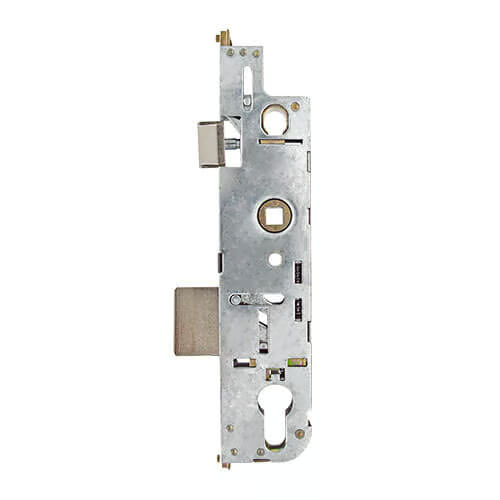
- Multipoint Gearbox GU Old Style
- E-Type Gasket - Black 5m Roll
- E-Type Gasket - Black (Per Metre)
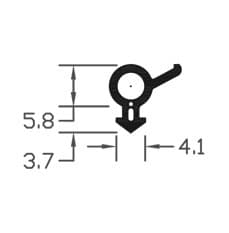
- B003 Bubble Gasket
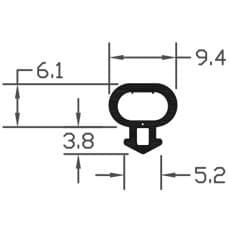
- B004 Bubble Gasket
Conclusion and next steps
Selecting the correct letter box means matching aperture size, faceplate style and security features to the door type and the occupants’ needs. For DIY jobs, follow manufacturer templates, use appropriate tools and seal correctly. For trade installations, check door warranties, fire ratings and lock compatibility before fitting. To proceed: measure the existing aperture and door thickness, decide on the level of security required and consult product cut-out templates; then order the matching letterplate or through-wall kit, or contact our trade support for bespoke advice.
Products mentioned in this article
Related articles
Internal vs External Letterbox Draught Excluders: Which Works Better?
Internal vs External Letterbox Draught Excluders: Which Works Better? A letterbox is a small opening that can let in a disproportionate amount of cold air,...
How to Retrofit an Anti Arson Letterbox to an Existing Door
How to Retrofit an Anti Arson Letterbox to an Existing Door What is an anti arson letterbox and why retrofit one? An anti arson letterbox is a specialist l...
Letterbox Draught Excluder for Security: Added Protection
Letterbox Draught Excluder for Security: Added Protection A well-chosen letterbox draught excluder reduces heat loss and noise while contributing to a stro...