
Letterbox Draught Excluder Buying Guide: Materials and Styles
Letterbox Draught Excluder Buying Guide: Materials and Styles A well-chosen letterbox draught excluder reduces heat loss, cuts noise and keeps rain and pes...
Letterbox Draught Excluder Buying Guide: Materials and Styles
A well-chosen letterbox draught excluder reduces heat loss, cuts noise and keeps rain and pests out; for tradespeople and homeowners it is a low-cost upgrade with immediate benefits. This post covers the common materials and styles, installation considerations for different door types, and practical trade and DIY advice so you can specify or fit the right solution for each job. For broader letterbox hardware options see our pillar resources at /guides/letterboxes.
Why fit a letterbox draught excluder?
Letterboxes are one of the top causes of uncontrolled ventilation in external doors. Poorly sealed apertures let warm air escape and cold air enter; they also allow airborne noise and water to penetrate. A letterbox draught excluder improves thermal performance and acoustic comfort; it can also prevent small animals and draught-borne dust from entering. For rented properties and flats check lease or building-management rules before making modifications to communal doors.
Common materials and how they perform
Different materials suit different priorities: airtightness, durability, appearance and ease of use. Below are the main options you will encounter on site or in a specification.
- Brush pile (nylon or PET piles): Flexible brushes fitted into an aluminium or plastic carrier. They allow letters to be pushed through with minimal force while maintaining a reasonable seal against draughts and dust. Brushes are effective against rain splash; they are low friction and durable for high-use entrances. They do not create an airtight seal, so they are better where ventilation or letter delivery ease is required.
- Rubber or silicone flaps: Single or double flaps made from EPDM rubber, silicone or PVC form a tight seal and offer excellent air and water resistance. They are quieter than brush options and provide better acoustic performance. Thick flaps give the best seal but may require greater clearance for letter delivery.
- Foam inserts and compression seals: Closed-cell foam strips or tubular seals compress around the letterplate to reduce draughts. They are inexpensive and simple to retrofit, but foam can degrade faster in sunlight or where moisture is present. Use closed-cell rather than open-cell for better longevity.
- Combination systems: Some products combine a brush strip on the outer edge with an inner rubber flap to balance easy posting with thermal performance. These are popular for residential doors where post ease and insulation are both desired.
- Magnetic or spring-loaded flaps: These use magnets or springs to keep the flap closed and improve airtightness; they are common on modern aluminium and composite letterplates. Magnetic seals give a firmer closure and often improve acoustic performance, but make posting slightly stiffer.
Styles and mounting types
Letterbox draught excluders are supplied for either surface-mounted letterplates or recessed letterboxes. Choose the style to match the door construction and usage.
- Top and bottom strip kits: Attach to the inner edge of the letterplate; common in retrofit projects on timber doors and for tradespeople who want a neat finish.
- Full internal brush or flap assemblies: Replace the internal plate with a unit that includes the draught seal; offers a flush, weatherproof finish and is recommended for higher-performance installations.
- External brush/threshold seals: Fit to the outside of the door to minimise rain ingress; combine with internal seals for best results against wind-driven rain.
- One-piece letterplates with integrated seals: These simplify installation and are available in brass, stainless steel or powder-coated finishes; they suit both new-build and replacement scenarios.
Selecting the right product for different doors
Door material and function influence the choice of draught excluder:
- Timber doors: Most retrofit strips and replacement internal plates work well; use stainless steel screws to avoid staining and pre-drill if near the edge to prevent splitting.
- Composite doors: Often have foam cores and require careful fixing to avoid cracking the skin. Use the manufacturer’s recommended letterplate or a surface-mounted retrofit that avoids excessive torque on fixings.
- uPVC doors: Use self-tapping screws or rivets designed for uPVC; avoid over-tightening to stop distortion. Magnetic or brush seals are common and effective.
- Steel or fire doors: Fire doors have strict requirements: do not fit non-certified seals that could compromise the door’s fire performance. Use tested, intumescent-integrated letterplate solutions where required and follow building regulations.
- Communal entrance doors: If the letterbox opens into a communal hallway or mailroom, liaise with the building manager. Some communal systems require letterboxes to maintain ventilation or security functions, so check before sealing.
Practical trade and DIY tips for installation
Correct fitting maximises performance and lifetime. Follow these practical tips on site:
- Measure the aperture and the thickness of the door leaf before ordering; letterplates are available in standard widths but depth varies considerably.
- When replacing a plate, remove the old unit and clean both faces; a thin foam gasket behind the plate improves airtightness and stops rattles.
- Use stainless-steel fixings for external doors to prevent corrosion; countersink heads if you need a flush finish and use suitable washers for plastic components.
- Seal around external plates with a neutral-cure silicone to prevent water ingress; avoid acid cure silicones on metal finishes that can corrode.
- Always test posting operation after fitment: mail should pass without excessive force and the flap or brush should return to a closed position. Adjust magnets or springs where possible to balance ease of use and seal.
- For fire doors consult the door manufacturer and fit only certified components; record changes in maintenance logs as part of compliance documentation.
- PPE: when drilling or removing plates use eye protection and a dust mask; metal edges can be sharp so wear gloves.
Maintenance and expected lifespan
Regular inspection extends service life. Brush piles can last many years but will collect dust; vacuum gently and replace when fibres flatten. Rubber and silicone flaps resist weathering but check for cracking, especially where exposed to UV. Replace stainless fixings if threads show wear. For high-traffic doors plan periodic replacement every 3 to 7 years depending on exposure and material.
Recommended Products
Based on this article, you may find these products helpful:
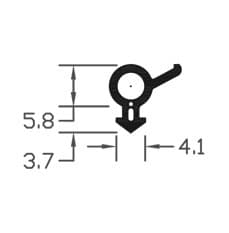
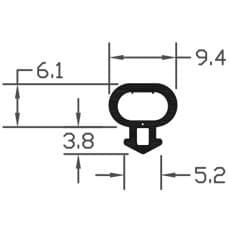
- E-Type Gasket - Black 5m Roll
- E-Type Gasket - Black (Per Metre)
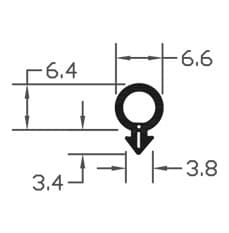
- B003 Bubble Gasket
- B004 Bubble Gasket
- B007 Bubble Gasket
Conclusion and next steps
Choosing the right letterbox draught excluder depends on the door type, desired level of airtightness, and whether post delivery must remain easy. For trade specifications favour robust fixings, corrosion-resistant materials and certified solutions for fire doors. Homeowners benefit from combination systems that balance thermal performance and posting convenience.
Next steps: measure the aperture and door thickness, decide whether you need a surface-mounted or integrated solution, and choose materials based on weather exposure and acoustic requirements. For product ranges and technical datasheets see our detailed section at /guides/letterboxes or contact our trade support team for bespoke recommendations and install advice.
Products mentioned in this article
Related articles
Internal vs External Letterbox Draught Excluders: Which Works Better?
Internal vs External Letterbox Draught Excluders: Which Works Better? A letterbox is a small opening that can let in a disproportionate amount of cold air,...
How to Retrofit an Anti Arson Letterbox to an Existing Door
How to Retrofit an Anti Arson Letterbox to an Existing Door What is an anti arson letterbox and why retrofit one? An anti arson letterbox is a specialist l...
Letterbox Draught Excluder for Security: Added Protection
Letterbox Draught Excluder for Security: Added Protection A well-chosen letterbox draught excluder reduces heat loss and noise while contributing to a stro...