
What Is a Telescopic Letterbox? Guide to Adjustable Sleeves
Telescopic letterboxes are a practical solution when fitting a letterplate into a modern door. They combine a through-the-door sleeve with a protective fla...
Telescopic letterboxes are a practical solution when fitting a letterplate into a modern door. They combine a through-the-door sleeve with a protective flap and internal trim; the sleeve is adjustable in length so it will suit different door thicknesses and construction methods. This post explains what telescopic letterboxes do, how they work, and provides trade-level installation advice and DIY guidance for UK homeowners and installers.
What is a telescopic letterbox?
A telescopic letterbox comprises three main parts: the external faceplate with hinged flap, the adjustable sleeve or tube that passes through the door, and the internal trim or flap. The sleeve is made in two or more sections so it can be extended or retracted to match the thickness of the door. Unlike a simple letterplate that only mounts to the door surface, a telescopic letterbox creates a complete passage through the door; this improves weatherproofing, draught control and security.
Why choose an adjustable sleeve: benefits for tradespeople and homeowners
- Versatility: one product will fit a range of door thicknesses, so fewer SKUs need to be stocked on site.
- Weather protection: the sleeve prevents rain and wind being driven into the door cavity; combined with a proper seal it reduces draughts and moisture ingress.
- Security and privacy: internal trims and baffles can limit access through the aperture and reduce the risk of letterbox fishing.
- Neat finish: internal trims cover the cut edge and provide a tidy appearance on both faces of the door.
- Compatibility: telescopic sleeves work with timber, composite and some metal doors when installed correctly.
Materials, flap types and product selection
Telescopic letterboxes are manufactured in stainless steel, anodised aluminium and PVC depending on intended use and budget. Stainless steel is best for durability and coastal locations because it resists corrosion; anodised aluminium offers a good balance of cost and finish; PVC sleeves are a lower-cost option often used in residential installations. Flap designs vary: simple sprung flaps, noise-reducing flaps with foam seals, and security flaps with internal baffles. Choose a flap and sleeve rated for the environment and the level of security required.
Check compatibility with the door type before ordering: some composite door manufacturers require factory-fitted or approved kits to preserve weather and fire performance. For fire-rated and acoustic doors, only manufacturer-approved letterplate solutions are acceptable; consult the door supplier and any warranty documentation.
Measurements and preparation: what to check before you cut
Accurate measurement is critical for a successful installation. Key checks include:
- Door thickness: measure from external face to internal face at the intended mounting position; record the maximum and minimum thickness if the door has panels.
- Door construction: check for foam cores, glass panels, metal skins or reinforcements that might affect cutting or fixing.
- Positioning: letterplates are typically centred horizontally and located at a comfortable handle height; ensure clearance for internal furniture and that the aperture will not compromise door strength or locks.
- Manufacturer guidance: consult the letterbox product specification for the supported range of thicknesses and the recommended cut-out size.
Step-by-step installation: trade and DIY approach
Tools required typically include a pencil, tape measure, drill with appropriate bits, jigsaw or holesaw for timber/composite, nibblers or metal cutting tools for steel doors, a hacksaw or fine-toothed saw for trimming sleeves, a file, low-expansion PU foam or silicone sealant, and a screwdriver. Follow this sequence:
- Mark out the centre and cut-out using the supplied template; double-check alignment and height before cutting.
- Cut the aperture through the door. For composite doors follow the manufacturer's recommended method; avoid aggressive cutting that can delaminate skins.
- Deburr and clean the cut edges; test-fit the telescopic sleeve and extend to the target position.
- Trim the sleeve sections if necessary for exact fit; use a fine saw and file the ends square. Ensure the faceplates sit flush to both faces of the door.
- Apply a continuous bead of neutral-cure silicone or low-expansion foam to the sleeve where it meets the door for weatherproofing; avoid excess foam that could shove the sleeve out of alignment.
- Screw through the faceplate into the sleeve or door as per the product instructions; use the correct length and type of screws to avoid bridging insulated cores or protruding into glazing pockets.
- Fit the internal trim and check flap operation; ensure the flap closes fully and seals. Make any final adjustments.
Practical trade tips and common pitfalls
- Always confirm the sleeve length range for a product: some sleeves fit only thin doors while others extend to suit very thick composite doors; fit the right one first time.
- Avoid using high-expansion foam directly against thin face skins; it can bow the faceplate. Use low-expansion foam or silicone sealant in sensitive doors.
- Do not over-tighten screws into composite facial layers; alternating tightening keeps the faceplate flush and prevents cracking.
- For metal doors use appropriate metal-cutting tools and de-grease the aperture before fitting to improve seal adhesion.
- In coastal areas select marine-grade finishes and consider additional sealant protection to combat salt corrosion.
- Fit a letterbox brush or internal baffle if draught or colds are a concern; these small additions greatly reduce heat loss.
Maintenance and aftercare
Routine checks will prolong the life and performance of a telescopic letterbox. Clean the flap and seals with mild detergent and water; lubricate moving parts with a light silicone spray rather than oily products that attract dust. Inspect seals and brushes annually; replace worn brushes or gaskets to keep draughts and rain out. Tighten fixings if the internal trim becomes loose after seasonal movement.
Recommended Products
Based on this article, you may find these products helpful:
- E-Type Gasket - Black 5m Roll
- E-Type Gasket - Black (Per Metre)
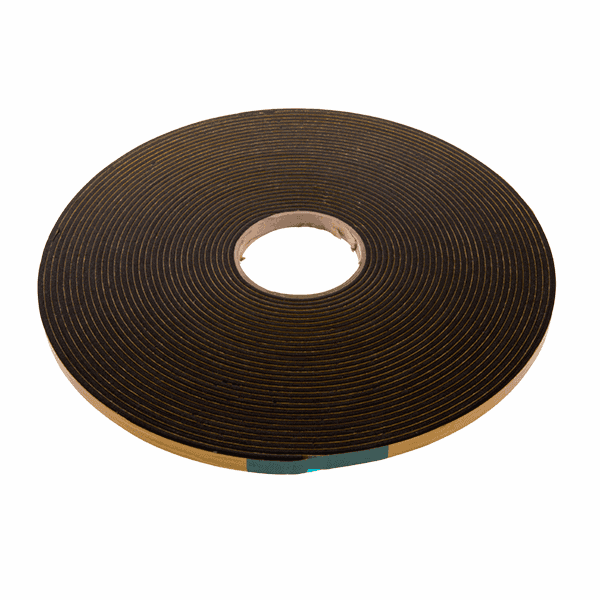
- Structural Glazing Tape - 20mm
- Security Glazing Tape
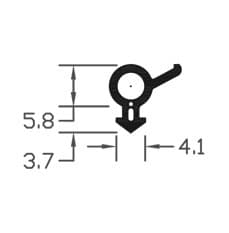
- B003 Bubble Gasket
Conclusion and next steps
Telescopic letterboxes provide a flexible, secure and weatherproof solution for doors of varying thicknesses. For tradespeople they reduce the need to carry multiple fixed-depth kits; for homeowners they offer a neat finish and improved thermal and security performance. Next steps: measure the door thickness and cut-out position, select a sleeve material and flap style suitable for the environment, and consult the product specification for compatibility with composite or fire doors. For further technical articles and fitting templates visit our pillar page: /guides/letterboxes or contact our trade desk for product recommendations and stock availability.
Products mentioned in this article
Related articles
Internal vs External Letterbox Draught Excluders: Which Works Better?
Internal vs External Letterbox Draught Excluders: Which Works Better? A letterbox is a small opening that can let in a disproportionate amount of cold air,...
How to Retrofit an Anti Arson Letterbox to an Existing Door
How to Retrofit an Anti Arson Letterbox to an Existing Door What is an anti arson letterbox and why retrofit one? An anti arson letterbox is a specialist l...
Letterbox Draught Excluder for Security: Added Protection
Letterbox Draught Excluder for Security: Added Protection A well-chosen letterbox draught excluder reduces heat loss and noise while contributing to a stro...