
How to Fit a Letterbox Draught Excluder: DIY Guide
Fitting a letterbox draught excluder is one of the most cost effective ways to reduce heat loss and stop cold draughts around an external door. This post e...
Why fit a letterbox draught excluder?
Letterboxes are a common source of heat loss and they allow wind, rain and noise to enter a property. A purpose-made letterbox draught excluder reduces energy waste and improves comfort; it also helps prevent water ingress at low angles. For trade customers the right solution must balance performance with durability and compatibility with the door material and locking system.
Types of letterbox draught excluder
- Brush strip fitted to the inside of the letterplate: flexible bristles that block draughts while allowing mail to slide through.
- Rubber or foam draught seals: slim seals that sit behind the flap to stop airflow; good for low-profile installations.
- Integrated weatherproof letter plates: replacement letterboxes that include seals and brushes; often stainless steel or aluminium for external use.
- Internal draught excluder kits with flap seals and brush: designed for timber doors where the internal finish must be preserved.
- Intumescent letterbox kits: specialist options for fire doors that include intumescent and smoke seals; mandatory where the door is fire-rated.
Tools and materials you will need
- Measuring tape and pencil
- Screwdriver set; cordless drill with suitable drill bits
- Pilot drill bit for timber or masonry as required
- Countersink for screw heads (for timber doors)
- Self-tapping screws or stainless steel screws for external doors
- Adhesive-backed foam tape or silicone sealant for weatherproofing
- Utility knife or snips for trimming brush or seal
- Personal protective equipment: safety glasses and work gloves
Pre-installation checks and considerations
Before starting, identify whether the door is fire-rated. If the door is a fire door you must not compromise its integrity: use a fire-tested letterbox kit with intumescent material and follow the manufacturer’s instructions and relevant building regulations. Check door thickness and stile width to ensure the chosen excluder or letterplate will fit without interfering with multipoint locks or internal hardware. Measure the existing letterbox aperture and the internal face clearance so you can select the correct size of draught excluder.
Step-by-step: fitting a surface-mounted brush draught excluder
This is the most common DIY method for timber, composite and metal doors.
- Measure the width of the letter opening and buy a brush strip slightly longer than the aperture so it overlaps the edges by a few millimetres.
- If the brush has a screw channel, mark pilot hole positions using the strip as a template. Use a small pilot drill bit suitable for the door material; for hardwood use a slightly larger pilot hole than for softwood.
- Drill pilot holes and countersink if fitting to timber; countersinking prevents splitting and allows the screw head to sit flush.
- Secure the brush strip with corrosion-resistant screws; for exterior doors choose stainless steel screws. For uPVC doors use self-tapping screws and do not overtighten; overtightening can distort the strip or the door skin.
- Trim the brush to length if required with sharp snips and clean up loose bristles. Test that the flap still closes freely and that mail will still pass through without snagging.
- If a small gap remains at the sill, use adhesive foam tape behind the lower edge of the internal plate for improved sealing; for external installations a bead of exterior-grade silicone provides weatherproofing.
Step-by-step: fitting a replacement letterplate with integrated seal
When replacing an existing letterplate with a sealed model follow these steps.
- Remove the existing letterplate and clean the area; remove rust and old sealant so the new unit sits flush.
- Position the replacement plate and mark the screw holes. Check that the internal trim will not foul any lock or spindle.
- For timber doors drill pilot holes and countersink; for metal doors use appropriate metal drill bits and rivets or self-tapping screws as recommended by the manufacturer.
- Apply adhesive-backed foam tape or a continuous bead of silicone between the plate and the door face to create a weatherproof seal; press the plate firmly into position and fix with screws.
- Fit the internal trim and check the flap movement. Ensure the brush or foam seal sits flat and offers even contact around the aperture.
Special considerations for uPVC and composite doors
uPVC and composite doors require gentler handling. Use self-tapping screws designed for plastic substrates and avoid over-tightening. Many uPVC doors have a metal carrier for the letterplate and may use rivets; follow the door manufacturer’s guidance. Composite doors often accept a replacement letterplate directly but always check thickness and reinforcement position before drilling.
Maintenance and trade tips
- Inspect the draught excluder annually and replace worn brushes or foam strips; bristles flatten over time and reduce performance.
- For external fittings, use stainless steel or galvanised plates and screws to resist corrosion.
- When installing on a fire door, ensure any letterbox kit is certified and retains the door’s fire rating; keep manufacturer certification and fit to the declared orientation.
- If mail sticks or drags, reduce the brush density by trimming or select a lower-profile brush; alternatively use a rubber flap excluder for smoother operation.
- Document the installation for trade clients; note product batch and installation date for warranty and compliance records.
Recommended Products
Based on this article, you may find these products helpful:
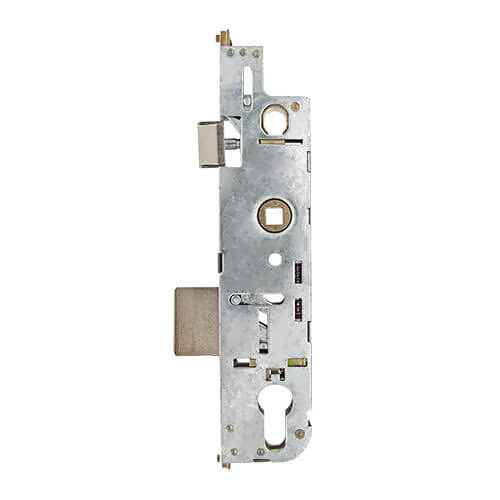
- Multipoint Gearbox GU Old Style
- E-Type Gasket - Black 5m Roll
- E-Type Gasket - Black (Per Metre)
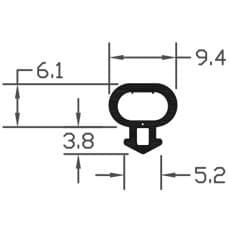
- B003 Bubble Gasket
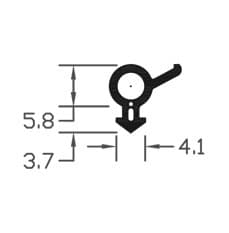
- B004 Bubble Gasket
Conclusion and next steps
Fitting a letterbox draught excluder is a straightforward upgrade that improves thermal performance and comfort. Choose the right type for your door material and rating, follow the steps for accurate fitting, and use corrosion-resistant fixings for external doors. If the door is fire-rated consult a specialist and fit an intumescent letterbox kit. For product options and further technical guidance visit our letterbox guides at /guides/letterboxes or contact our trade desk for specification advice.
Products mentioned in this article
Related articles
Internal vs External Letterbox Draught Excluders: Which Works Better?
Internal vs External Letterbox Draught Excluders: Which Works Better? A letterbox is a small opening that can let in a disproportionate amount of cold air,...
How to Retrofit an Anti Arson Letterbox to an Existing Door
How to Retrofit an Anti Arson Letterbox to an Existing Door What is an anti arson letterbox and why retrofit one? An anti arson letterbox is a specialist l...
Letterbox Draught Excluder for Security: Added Protection
Letterbox Draught Excluder for Security: Added Protection A well-chosen letterbox draught excluder reduces heat loss and noise while contributing to a stro...