
Microchip Cat Flap Power Options: Battery vs Mains Adaptor
Microchip Cat Flap Power Options: Battery vs Mains Adaptor Choosing the right power option for a microchip cat flap affects reliability, maintenance and th...
Microchip Cat Flap Power Options: Battery vs Mains Adaptor
Choosing the right power option for a microchip cat flap affects reliability, maintenance and the range of features you can use. Whether fitting into a uPVC door, composite door, timber door or a glazed panel, tradespeople and DIY homeowners should weigh battery convenience against the consistency of a mains adaptor. This article sets out practical considerations, trade tips and installation guidance to help you decide.
Microchip compatibility and power demands
Most modern microchip cat flaps are designed to read ISO pet microchips; many UK pets use the 134.2 kHz FDX-B standard. Check the flap specification to confirm frequency compatibility before installation. Power draw varies by model: simple passive RFID readers require very little power, while models with motorised flaps, backlit displays, cameras or heating mats demand more. That makes the power choice important not only for running the unit but for battery life and user experience.
Battery power: advantages and practical tips
- Advantages: Batteries make retrofit projects straightforward; no wiring is needed and the flap can be quickly installed into existing doors or panels. Batteries are ideal for tenants or where routing a cable would be unsightly or impractical.
- Typical battery types: Many cat flaps use AA alkaline cells, though some use specific rechargeable packs or lithium cells. Battery life can range from a few weeks in heavy-use, feature-rich units to upwards of 6–12 months in basic readers; expect shorter life in cold weather.
- DIY tips: Fit fresh, high-quality alkaline or manufacturer-recommended batteries. If the manufacturer allows rechargeables, use NiMH cells that are fully charged; confirm that reduced voltage does not affect lock or motor performance. Position the battery compartment for easy access and leave clear space so owners can change cells without removing the whole flap.
- Practical considerations: Add a visible low-battery indicator; if the model lacks one, explain to customers how to check battery health. Advise clients about typical replacement intervals based on the number of cats and local climate.
Mains adaptor: advantages and practical guidance
- Advantages: A mains adaptor gives continuous power for high-draw features such as motorised doors, cameras, active locks and heated tunnels. It removes battery replacement chores and avoids unpredictable low-temperature battery decline.
- Adaptor types: Most adaptors supply low-voltage DC; common outputs include 9V or 12V DC. Ensure the adaptor matches the flap's voltage and polarity; using the wrong adaptor can damage electronics.
- Installation guidance: For plug-in adaptors, plan the socket position to avoid trailing leads across thresholds. For a neat, permanent installation, hardwire to a fused spur or to a switched circuit; this must be done by a qualified electrician following current UK wiring regulations.
- Weatherproofing and IP rating: If the adaptor or transformer is exposed to the elements, use an IP-rated enclosure. Where cables pass through doors or frames, use grommets and silicone sealant to prevent drafts and moisture ingress.
Door, window and glazed unit considerations
Where the cat flap is to be installed determines routing options and the feasibility of mains power. uPVC doors often have hollow cores and channels that allow discreet cable runs from the flap to an internal socket; you can use existing lock or handle holes to pass a cable with a rubber grommet. Composite and solid timber doors may allow a routed chase for a hidden cable; use a plunge router and a strip of timber or conduit to protect the cable internally.
Glazed panels require special care: toughened (tempered) glass cannot be drilled after manufacture. If you need a cat flap in glazing, either replace a pane with a panel pre-cut for the flap or choose a model designed for installation in the glazing unit by a glazing specialist. For double-glazed units consider the thermal break and possible requirements from the manufacturer or building control.
Practical trade advice for installers
- Always verify the door thickness and the flap's compatible range; many flaps have maximum thickness limits and may require spacer tunnels for thicker doors.
- Run a test of microchip recognition before final sealing and fixings; program the unit while accessible so the owner can register cats on-site.
- Stock or carry common accessories: grommets, external power adaptors (9V and 12V DC), low-profile trunking, IP-rated junction boxes, and replacement batteries. Offer both battery and mains options to customers so they can choose later.
- For hardwiring, liaise with a qualified electrician: confirm fuse ratings and cable sizes with the adaptor manufacturer. Use low-voltage cabling where possible to reduce risk; avoid running cables near moving parts of the door or areas liable to pinching.
- Seal edges with a suitable weatherstrip and silicone; if fitting into a frame, use long-lasting fixings such as stainless steel screws and countersunk heads to avoid catching coats or tails.
Safety and troubleshooting
Do not drill through unknown zones of glazing or within 50 mm of door hardware that may contain wiring for alarms or locks; use a detector to locate services. If a flap shows intermittent operation on battery power, check contacts for corrosion and confirm battery type and voltage. With mains adaptors, verify the output with a multimeter before connection if behaviour is erratic.
Recommended Products
Based on this article, you may find these products helpful:
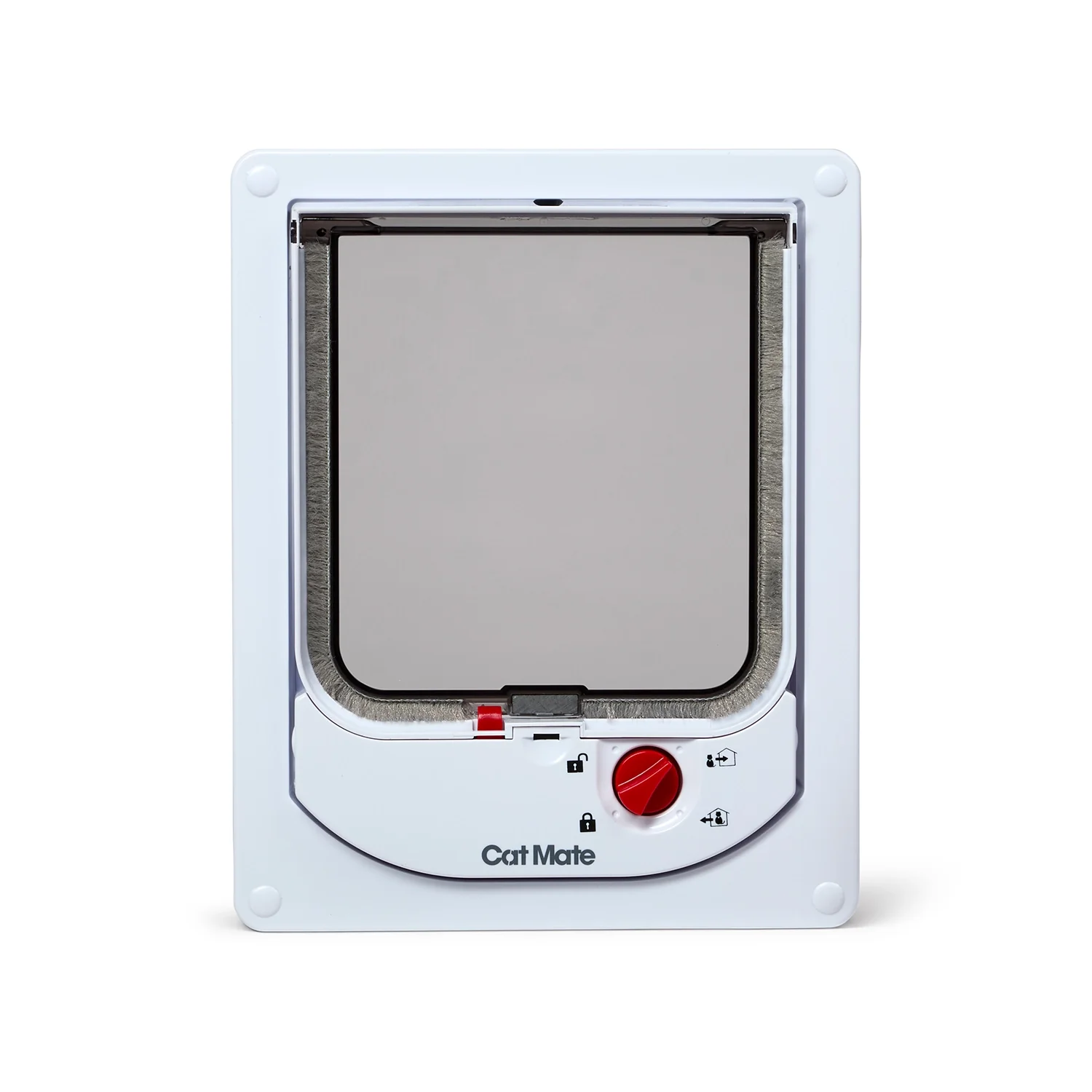
- Cat Mate Electromagnetic Cat Flap
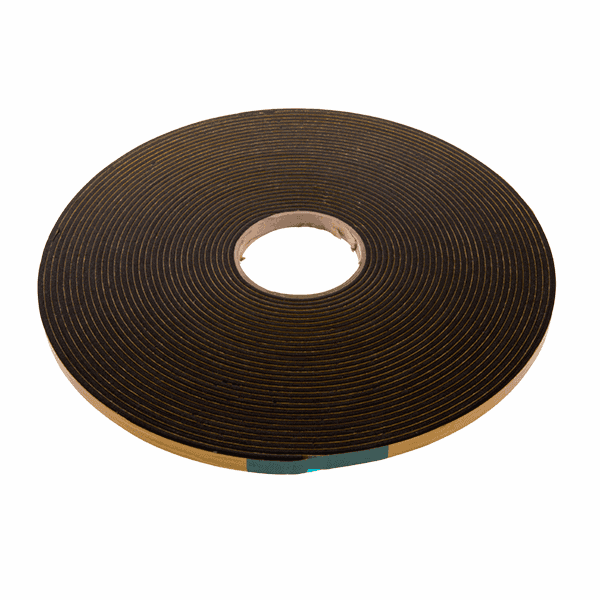
- Structural Glazing Tape - 20mm
- Security Glazing Tape
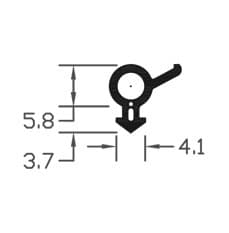
- B003 Bubble Gasket
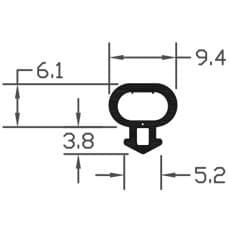
- B004 Bubble Gasket
Conclusion and next steps
Choosing battery or mains power for a microchip cat flap depends on site constraints, desired features and maintenance preferences. Batteries offer simple retrofits and portability; mains adaptors provide reliable power for advanced functions and lower ongoing maintenance. For trade professionals: measure door thickness, confirm microchip and voltage compatibility, prepare wiring plans and order suitable accessories. Homeowners should consider planned door upgrades and how often they want to change batteries.
Next steps: check the flap specification for microchip frequency and voltage; if opting for mains, arrange an electrician for hardwiring or choose a safe, IP-rated plug-in adaptor; if choosing batteries, fit recommended cells and show the owner how to replace them. For further product recommendations and fitting advice visit our pillar page: /guides/pet-flaps or contact Window Hardware Store for trade pricing and installation accessories.
Products mentioned in this article
Related articles
Replacing uPVC Door Panels with Cat Flap Panels: A Cleaner Solution
Replacing a uPVC door panel with a purpose-made cat flap panel is a practical way to give pets easier access while keeping the rest of the door intact. Whe...
Rented Property Cat Flap Options: What Landlords Need to Know
Rented Property Cat Flap Options: What Landlords Need to Know Installing a cat flap in a rented property can improve tenant satisfaction but it raises ques...
Dog Flap Insulation: Preventing Heat Loss Through Larger Pet Doors
Dog Flap Insulation: Preventing Heat Loss Through Larger Pet Doors Large dog flaps are convenient for owners and pets, but they create a significant therma...