
Microchip Dog Flaps: Are They Worth the Extra Cost?
Microchip Dog Flaps: Are They Worth the Extra Cost? Microchip-enabled pet doors are increasingly common on UK doors and glazing; they promise selective ent...
Microchip Dog Flaps: Are They Worth the Extra Cost?
Microchip-enabled pet doors are increasingly common on UK doors and glazing; they promise selective entry, improved security and fewer visits from foxes or neighbourhood cats. For homeowners and trade professionals deciding whether to specify or fit a microchip dog flap, the decision is not just about price: it is about compatibility, installation method, user habits and long-term performance. This article looks at the technical facts, practical trade advice and DIY considerations to help you choose the right solution.
What a microchip dog flap does and how it works
A microchip dog flap reads the pet’s ISO microchip or a programmable RFID token in a collar. Most modern systems are compatible with the UK standard FDX-B microchips: ISO 11784/11785 at 134.2 kHz; always check compatibility before purchase. When the reader detects an authorised chip within range, the locking mechanism releases and the flap allows entry or exit. Many models offer programmable modes: in only, out only, fully locked, and unrestricted; some include time-controlled schedules and LED indicators.
Benefits that justify the extra cost
- Selective access: prevents other animals entering the property; useful in rural and urban areas where foxes, cats or strays are a problem.
- Security: reducing the risk of unauthorised access compared with a permanently open flap; some microchip models provide additional mechanical locks.
- Convenience: multiple pets can be programmed without requiring collars; ideal for dogs that dislike wearing tags or break collars.
- Reduced disturbance: fewer visits by other animals means less mess, less smelly entrances and reduced noise for occupants.
- Programmability: useful for controlling night-time access or restricting pets during certain hours without physical intervention.
When the extra cost might not be necessary
There are situations where a standard mechanical or magnetic dog flap will suffice. If you live in a low-risk area, have a single, well-trained pet that can use a simple flap, or the budget is tight, a basic model may be more practical. Also consider the long-term running costs: electronic flaps require batteries or mains power and may need £ replacements or servicing.
Installation considerations for different doors and glazing
Installation is a key factor in whether a microchip dog flap is worth the extra cost. Wrong installation can damage the door, void warranties and reduce thermal performance. Here are trade and DIY notes for common door types:
- uPVC doors: fit most easily into a glazed panel. Cutting door frames is not recommended unless you are an experienced installer; use a flap designed for uPVC or replace a glazed unit with a pre-cut unit that includes the pet flap.
- Composite doors: these are thicker and often have decorative skins with a foam core; cutting requires specialist tools and reinforcement to maintain security and weather resistance; advise customers to check the door manufacturer’s warranty before cutting.
- Timber doors: relatively straightforward for competent DIYers with jigsaws and pilot drills; ensure seals and weatherstrips are fitted correctly and that the flap is sealed to prevent draughts.
- Aluminium doors: metal cutting skills and appropriate blades are required; ensure the frame is not structurally weakened and that thermal breaks are preserved.
- Glazed panels and sealed units: the best practice for trade professionals is to order an Insulated Glazing Unit (IGU) factory-cut for a pet flap. Retrofitting a flap directly into a sealed unit on site risks breaking the unit and losing U-value performance.
Practical trade advice
- Measure the pet: height, width and typical gait; place the aperture so the bottom edge is level with the pet’s belly rather than shoulders for comfortable use.
- Check microchip compatibility: read the pet’s ISO number and confirm the flap supports that standard; if not, supply a collar token programmed to match.
- Plan power: battery-operated units are easiest for retrofit; mains or solar-powered options exist for permanent installations in high-use locations.
- Security and certification: if you are fitting into a fire door, escape door or a door with security certification such as PAS 24, check the door’s rating first; fitting a flap can affect certification and insurance.
- Weatherproofing: use appropriate silicone sealant and weatherstrips; check IP ratings if the flap electronics are exposed to the elements.
- Serviceability: position the control unit where it is accessible for battery changes and programming; include aftercare advice for the homeowner.
DIY guidance for competent homeowners
For a straightforward uPVC or timber retrofit where the sealed unit already includes a panel, an experienced DIYer can fit a microchip dog flap by following the manufacturer’s template precisely. Key steps:
- Read the instructions and check door warranty first; obtain the correct flap for your door material.
- Measure and mark carefully; use the supplied template to mark drill points and cut lines.
- Drill pilot holes and use a jigsaw with the correct blade for timber; for metal or composite consult a professional if unsure.
- Fit outer and inner frames, seal joints with silicone, secure with supplied fixings and program the microchip IDs.
- Test multiple times and observe the pet to ensure smooth use; adjust sensitivity and locking modes as required.
Maintenance and troubleshooting
Routine maintenance keeps performance high. Replace batteries on schedule; check and clean contact points and the reader window of the flap; inspect seals and fixings for wear; ensure firmware updates are applied where supported. If a pet is not recognised, re-scan the microchip at a vet to confirm the ISO type and number; try programming a collar token as a fallback while diagnosing.
Cost versus value: what to consider
Microchip dog flaps cost more upfront than simple mechanical models, with additional costs for professional installation into certain doors or sealed units. Consider the whole-life value: fewer pest incursions, less cleaning, better control of multiple pets and improved homeowner convenience. For trade professionals, these features can be a profitable upsell and differentiate your offer on high-end installations.
Recommended Products
Based on this article, you may find these products helpful:
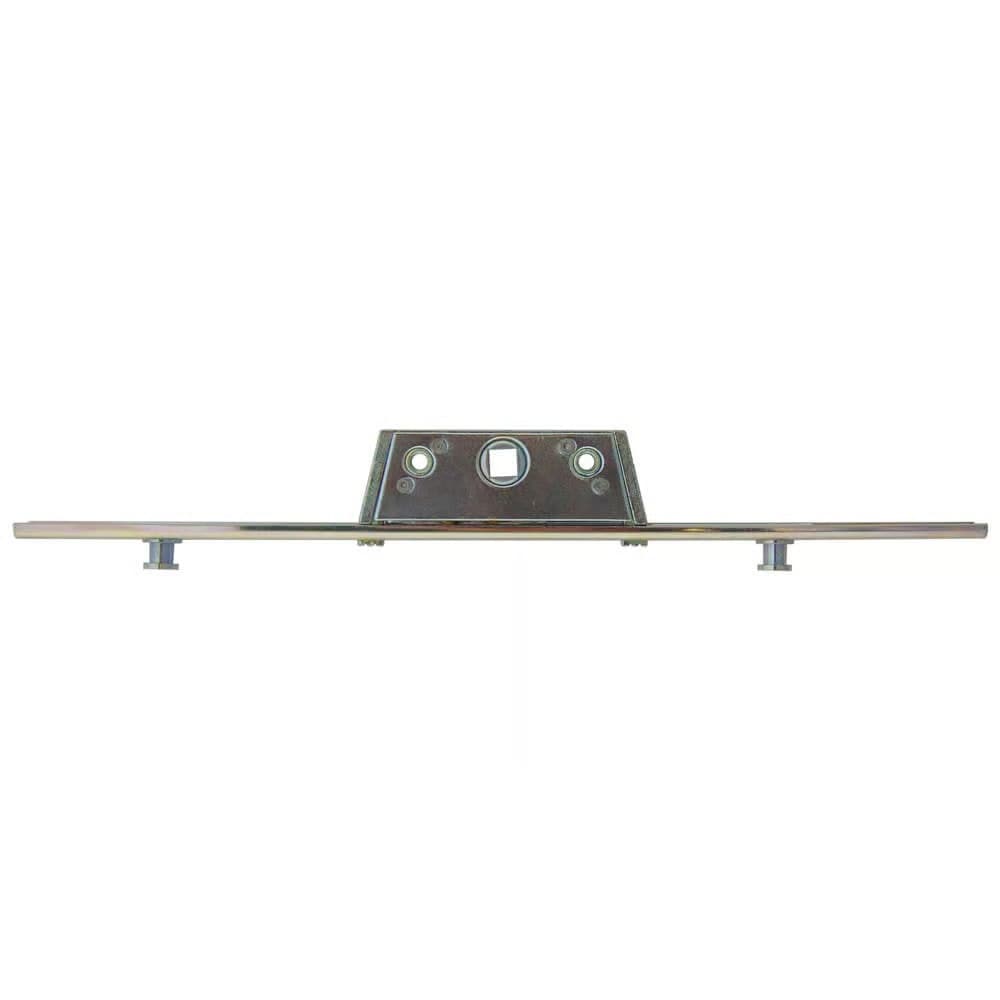
- In-Line Window Mechanism
- Offset Window Mechanism
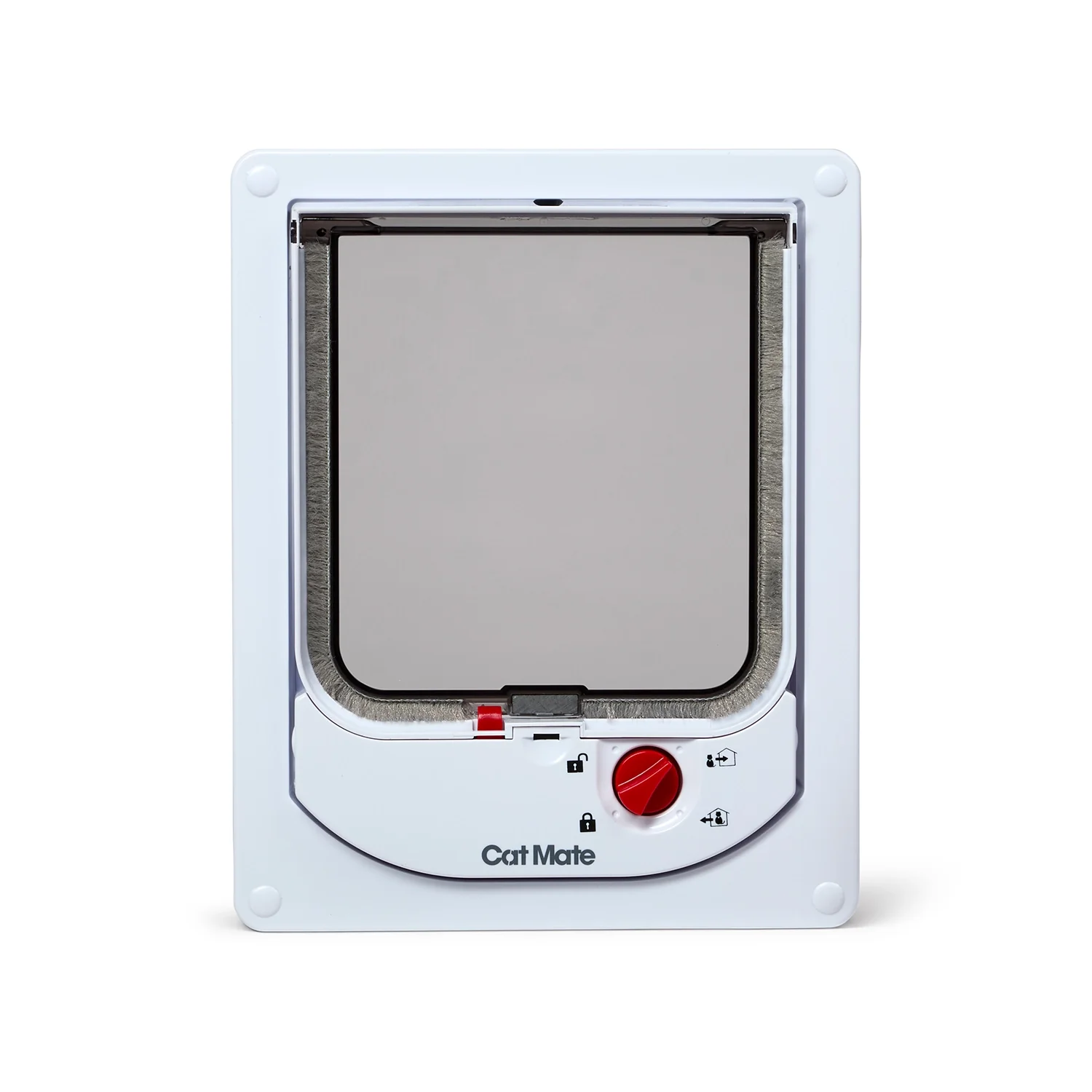
- Cat Mate Electromagnetic Cat Flap
- E-Type Gasket - Black 5m Roll
- E-Type Gasket - Black (Per Metre)
Conclusion and next steps
Microchip dog flaps are worth the extra cost when selective access, security and convenience are priorities; they are particularly valuable for homes in rural or mixed urban environments and for households with multiple pets. However, the benefits depend on correct product selection and professional installation, especially with composite, aluminium or certified doors.
Next steps: measure the pet, check the door type and warranty, confirm microchip standard and compatibility, and consult the detailed resources at /guides/pet-flaps or contact a qualified fitter for an on-site assessment and quote.
Products mentioned in this article

Related articles
Rented Property Cat Flap Options: What Landlords Need to Know
Rented Property Cat Flap Options: What Landlords Need to Know Installing a cat flap in a rented property can improve tenant satisfaction but it raises ques...
Replacing uPVC Door Panels with Cat Flap Panels: A Cleaner Solution
Replacing a uPVC door panel with a purpose-made cat flap panel is a practical way to give pets easier access while keeping the rest of the door intact. Whe...
Dog Flap Insulation: Preventing Heat Loss Through Larger Pet Doors
Dog Flap Insulation: Preventing Heat Loss Through Larger Pet Doors Large dog flaps are convenient for owners and pets, but they create a significant therma...