
Microchip vs Magnetic Cat Flaps: Which Security Option Is Better?
Microchip vs Magnetic Cat Flaps: Which Security Option Is Better? Choosing between a microchip cat flap and a magnetic cat flap matters for homeowners and ...
Microchip vs Magnetic Cat Flaps: Which Security Option Is Better? Choosing between a microchip cat flap and a magnetic cat flap matters for homeowners and tradespeople fitting pet flaps into doors, panels or glazing. This article compares the two systems for security, installation, maintenance and practical use so you can select the right product for the property and the pet.
How microchip cat flaps work
Microchip cat flaps read the passive transponder implanted under the cat’s skin. The flap contains an RFID reader that wakes when the pet approaches; it reads the microchip code and unlocks only for recognised IDs. Modern units comply with ISO standards and allow multiple codes to be programmed. Microchip cat flaps often include additional locking modes such as fully locked, in-only or out-only, and timed locking for night control.
How magnetic cat flaps work
Magnetic cat flaps use a magnetic key attached to the cat’s collar. When the magnet approaches the flap sensor, the unit unlocks. These flaps are simple and reliable; they are not dependent on implanted microchips so setup is immediate. However, magnetic keys can be copied or attached to other animals which affects security. Collars can also catch on garden hazards; this should be considered for outdoor cats.
Security comparison
Security is the main concern for many customers. Key points to consider:
- Selective access: A microchip cat flap provides unique identification; only animals with programmed chips gain entry. This offers superior selective access compared with magnetic systems.
- Copy risk: Magnetic keys can be duplicated; they can also be knocked off or picked up by other animals. Microchips are implanted and cannot be removed or duplicated easily.
- Signal range and spoofing: Microchip readers can sometimes be tricked by nearby RFID sources, though reputable manufacturers include anti-spoofing logic. Magnetic systems are vulnerable to close-range interference but are less likely to read distant devices.
- Building security: The mechanical strength of the flap in the door is as important as the lock method. Choose flaps with reinforced frames and secure fixings, and fit with security screws to reduce forceable entry.
Installation considerations for doors, panels and glazing
Installation varies by door type. Tradespeople should assess material and structure before cutting or fitting:
- Timber doors: Simple to cut with a jigsaw and reinforced frame can be recessed or surface-mounted. Use a template and ensure edges are sealed to prevent moisture ingress.
- uPVC doors: Many uPVC doors have foam cores; remove the lock block where possible and support the aperture with a reinforcement plate. Use compatible fixings to avoid cracking the frame.
- Composite doors: Check manufacturer warranty before cutting. Composite doors often require special kits or professional fitting to maintain security and thermal performance.
- Glazed panels and double glazing: Do not cut glass yourself. Replace a panel with a pre-fitted flap module or consult a glazing specialist; some suppliers offer flaps designed for double-glazed units.
Trade tips and DIY guidance
Whether you are a trade installer or a competent DIYer, follow these practical tips:
- Always use the manufacturer’s template and follow the recommended cut-out dimensions. A misaligned flap will work poorly and reduce security.
- For timber and uPVC: mark the centre line carefully; clamp a wooden backer board to reduce splintering; cut with a fine-tooth jigsaw blade and finish with a router if available.
- Reinforce the aperture with a metal or hardwood packer if the door core is hollow. This prevents deformation and provides secure screw grip.
- Seal all exposed edges with a suitable silicone or low-modulus sealant to prevent draughts and moisture issues; use exterior-grade products for external doors.
- Use anti-tamper screws and washers where possible; these increase pull-out resistance and deter quick removal.
- For double glazing or aluminium doors: subcontract the glass cutting to a specialist or order a unit pre-cut for the flap; this protects warranty and ensures thermal integrity.
Compatibility, batteries and maintenance
Microchip cat flaps depend on electronics; consider these practical matters:
- Compatibility: Confirm the microchip standard used by your vet; most flaps read ISO11784/11785 chips. Some models can also learn RFID collar tags if a pet is not chipped.
- Battery life: Battery-powered units typically last months depending on use; trade installers should advise customers to use quality alkaline batteries and to check indicators regularly. Mains-powered options are available for high-traffic situations.
- Maintenance: Clean sensors and seals periodically; check screws and reinforcement plates annually. Replace worn magnetic keys or collars to maintain reliability.
Choosing for multi-cat households and outdoor environments
Evaluate practical factors when multiple animals use the flap:
- Microchip units are ideal in multi-cat homes where selective entry is required; each cat can be registered separately, and unwanted animals are excluded.
- Magnetic flaps may be cheaper initially and simpler to set up; they work well when all animals are allowed equal access and collar use is safe.
- For secure gardens or busy roads, use timer locks or programmable modes to prevent late-night wandering; both flap types commonly offer these features.
Costs and long-term value
Magnetic cat flaps are often less expensive to buy and install; microchip cat flaps cost more upfront but deliver better security and lower long-term risk of unauthorised visitors. For trade professionals specifying products, consider total cost of installation: additional reinforcement, glazing work and regular maintenance can affect overall value.
Recommended Products
Based on this article, you may find these products helpful:
- Structural Glazing Tape - 20mm
- Security Glazing Tape
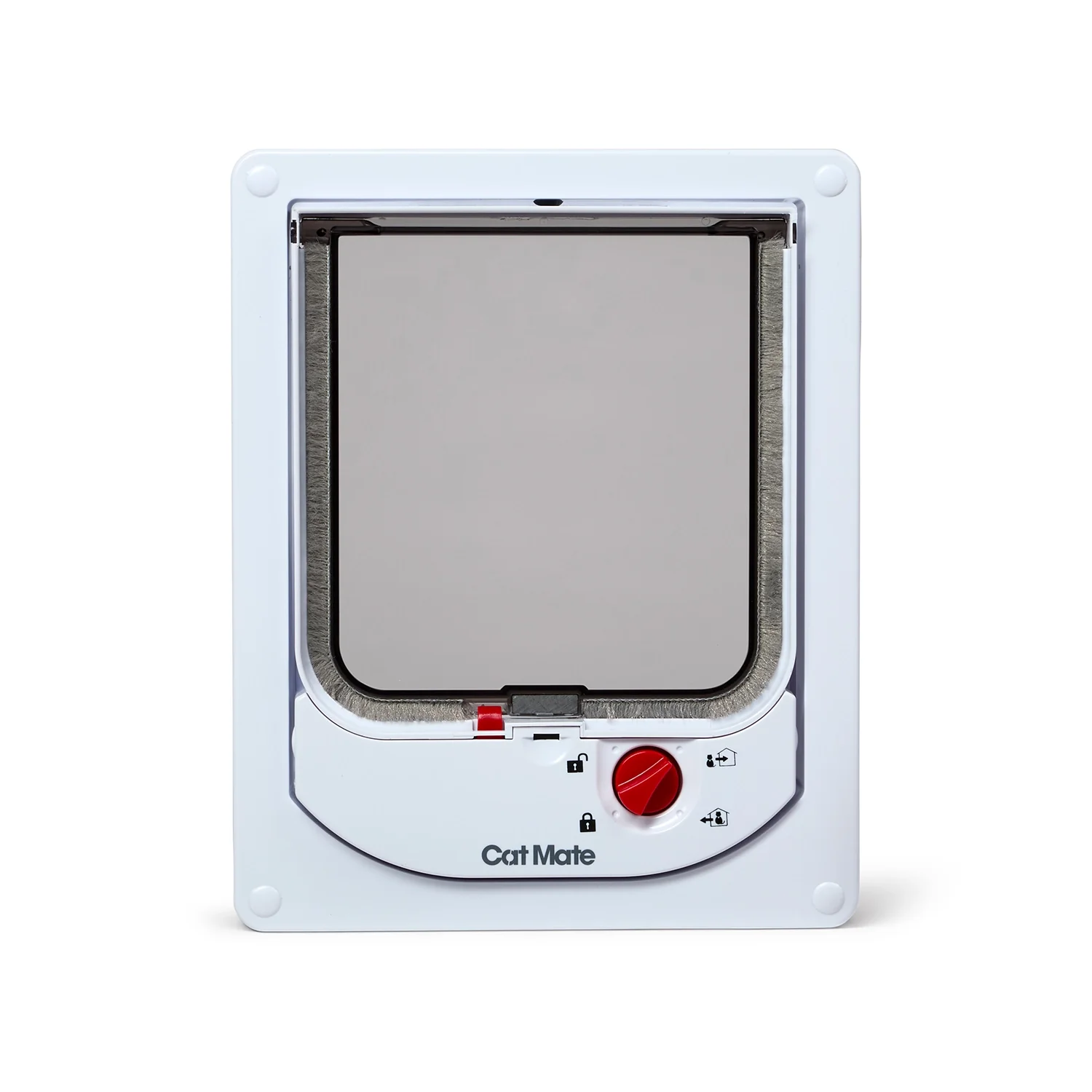
- Cat Mate Electromagnetic Cat Flap
- E-Type Gasket - Black 5m Roll
- E-Type Gasket - Black (Per Metre)
Conclusion and next steps
For most homeowners seeking security and selective access, a microchip cat flap is the better long-term option. Magnetic cat flaps remain useful where cost, immediacy and collar-based access are priorities. When fitting: assess door material, choose a reputable manufacturer, use correct templates and reinforcement, and follow maintenance schedules.
Next steps: inspect the door or glazing, confirm pet microchip standard if choosing a microchip cat flap, and consult our pet flaps guide for product recommendations and fitting templates. For complex doors or glazed units, arrange a specialist installer to preserve structural and thermal performance.
Products mentioned in this article
Related articles
Rented Property Cat Flap Options: What Landlords Need to Know
Rented Property Cat Flap Options: What Landlords Need to Know Installing a cat flap in a rented property can improve tenant satisfaction but it raises ques...
Replacing uPVC Door Panels with Cat Flap Panels: A Cleaner Solution
Replacing a uPVC door panel with a purpose-made cat flap panel is a practical way to give pets easier access while keeping the rest of the door intact. Whe...
Dog Flap Insulation: Preventing Heat Loss Through Larger Pet Doors
Dog Flap Insulation: Preventing Heat Loss Through Larger Pet Doors Large dog flaps are convenient for owners and pets, but they create a significant therma...