
Multipoint Door Lock Not Engaging? How to Fix Common Issues
Multipoint Door Lock Not Engaging? How to Fix Common Issues Multipoint door locks are standard on modern uPVC, composite and timber external doors: they of...
Multipoint Door Lock Not Engaging? How to Fix Common Issues
Multipoint door locks are standard on modern uPVC, composite and timber external doors: they offer security by engaging multiple locking points when the handle is lifted and the key is turned. If the multipoint mechanism will not engage the hooks, bolts or rollers the door will not lock properly. This post explains common causes and practical fixes for both DIYers and trade professionals, with safety and servicing tips tailored to UK doors and hardware.
Common reasons a multipoint door lock fails to engage
- Misalignment between lock keeps and locking points: the hooks or bolts cannot enter the keep when the door is closed.
- Handle or spindle failure: broken or stripped spindle, loose handle, or faulty return spring prevents lifting.
- Worn or damaged gearbox or follower: plastic or metal parts inside the lock case can fail, especially on older locks.
- Binding due to sash compression or swollen door leaf: paint, moisture or settling can jam the mechanism.
- Faulty euro cylinder or key problems: if the cylinder does not turn freely the deadbolt will not operate.
- Debris, corrosion or lack of lubricant: moving parts can stick, particularly on coastal properties.
Tools and preparation
- Basic toolkit: screwdrivers (Philips and flat), hex keys, pliers, adjustable spanner.
- Specialised tools: feeler gauges, hinge adjustment kit or packers, torque screwdriver for handle sets.
- Lubricants: silicone or PTFE spray for multipoint hardware; graphite powder for cylinders. Avoid oily greases that attract dirt.
- Replacement parts: spare handles, spindle, euro cylinder, lock case or keeps; know the lock centre measurement and backset before ordering.
- Safety: keep door secure while working; prop or lock temporarily if necessary, and call a locksmith if the cylinder is damaged or the door cannot be secured.
Initial checks: quick diagnostics
- Operate the handle and key: note whether the handle lifts but the hooks do not protrude; or whether the handle will not lift at all; or whether the cylinder will not turn.
- Observe engagement: slowly close the door while lifting the handle to see where binding occurs; mark contact points on the frame with masking tape.
- Check handles and trim: remove the handle to inspect the spindle and fixings; a loose grub screw or broken spindle will prevent operation.
- Inspect keeps and striker plates: visible damage, misaligned screw slots or worn plates indicate an adjustment or replacement is needed.
Step-by-step fixes
Follow these remedial steps in order; many problems can be resolved without replacing the entire lock case.
- Realign keeps and strike plates: Loosen the keep screws slightly and move the keep forward, back, up or down until the locking points enter freely. Use the handle-lift test to confirm. Tighten screws and re-test. If the keep is heavily worn replace it with the correct profile for the lock manufacturer.
- Adjust hinges to correct sash alignment: If the door binds at one edge, adjust the hinges: tighten or slacken screws, add packers behind the hinge, or use the adjustable top hinge to raise or lower the door. Small alignment changes often restore multipoint engagement.
- Check and replace spindle or handles: Remove the handle covers, loosen screw(s) and withdraw the spindle. A rounded or split spindle must be replaced. Ensure the replacement matches the gearbox type and spindle length; trade door handles often use a 7mm or 8mm spindle.
- Lubricate the mechanism: Lightly spray silicone or PTFE onto the moving parts: the gearbox area, hooks, rollers and keeps. For the cylinder apply graphite powder; do not use oil-based sprays long-term as they attract grit and cause sticking.
- Assess the gearbox and lock case: If the follower is stripped or internal gears are worn you will need to replace the lock case. Identify the centre distance and faceplate dimensions before ordering. For composite and uPVC doors most trade lock cases are available as direct replacements once measurements are taken.
- Replace the euro cylinder if required: If the key is stiff, sticks or the cylinder is snapped or drilled, replace it. Measure the cylinder from faceplate centre to each end to select the correct size. Consider upgrade to an anti-snap or high-security cylinder if security is a concern.
- Check sash compression and weatherseals: Excessive compression from rubber seals or new draught-proofing can make the door hard to operate. Trim or adjust seals, or tweak keep position to accommodate added thickness.
Trade tips and practical advice
- When ordering replacement lock cases match brand, centre and handing; carry common sizes in the van for rapid call-outs.
- Mark and photograph existing parts before removal: this speeds reassembly and ensures correct orientation of keeps, shootbolts and rollers.
- For aluminium doors consult the manufacturer: rod systems and concealed multipoints can be different from uPVC products.
- Keep a small tube of PTFE grease for latch faces and a can of silicone spray for multi-points: they provide reliable on-site lubrication without long-term build-up.
- If the cylinder shows signs of snapping or forced entry recommend an upgrade to anti-snap cylinder and ensure the lock and frame reinforce the cylinder area.
When to call a locksmith or door specialist
If the door cannot be secured after basic fixes; if the euro cylinder has been compromised; if the lock case is corroded or heavily damaged; or if you are unsure about measurements and compatibility, engage a qualified locksmith or approved installer. For insurance and security reasons complex repairs should be completed to recognised standards.
Recommended Products
Based on this article, you may find these products helpful:
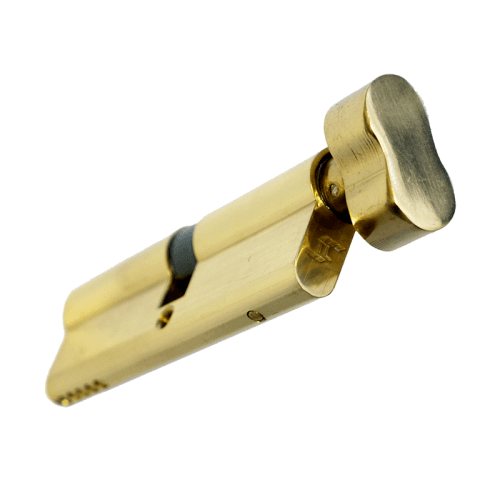
- TL Thumb Turn Euro Cylinder
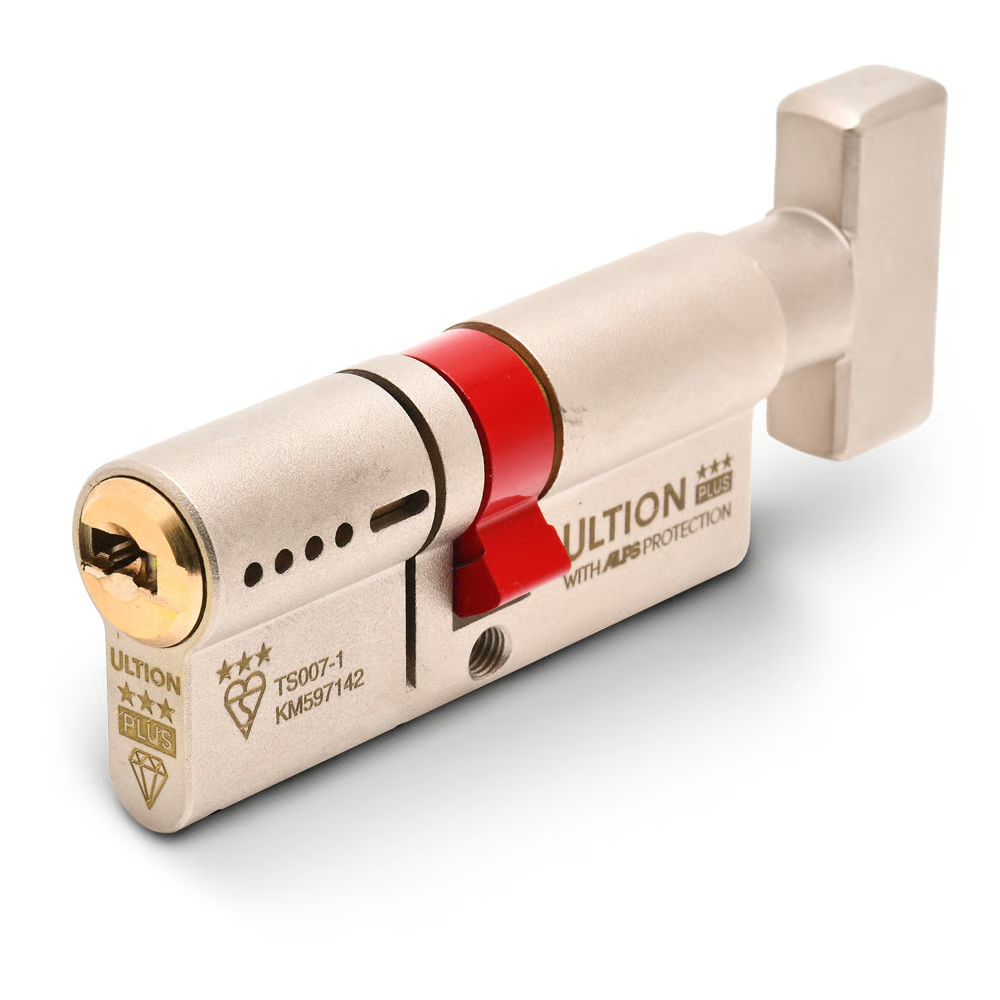
- Ultion Plus TS007 3* Kitemarked Euro Key & Turn Cylinder
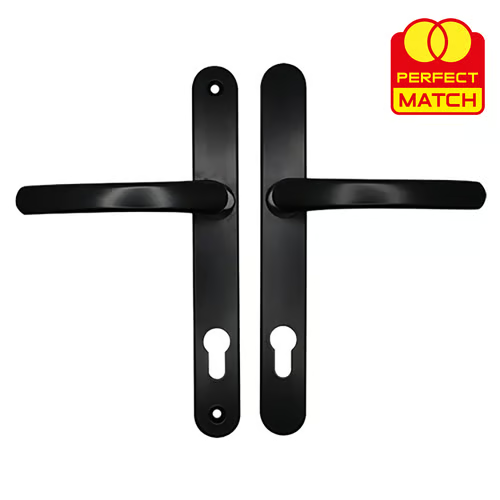
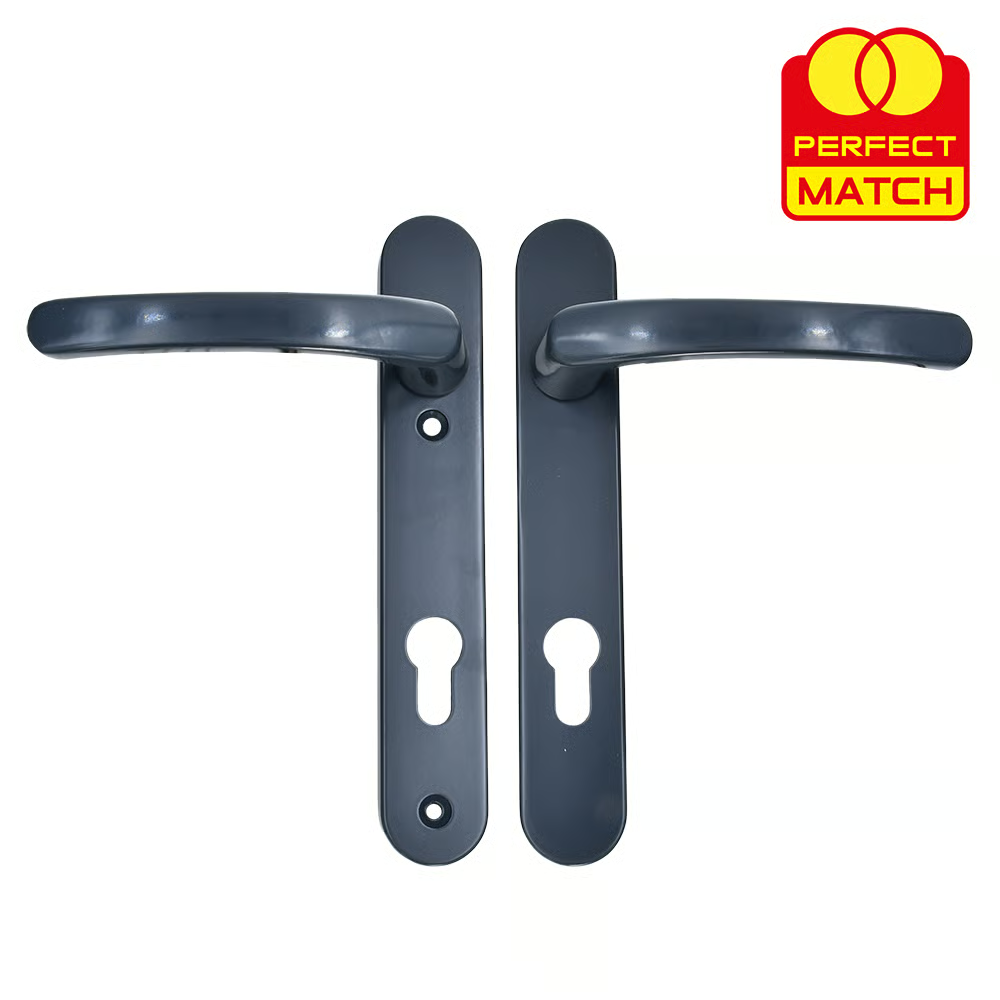
- TSS Door Handle Lever
- TSS Door Handle Lever Short
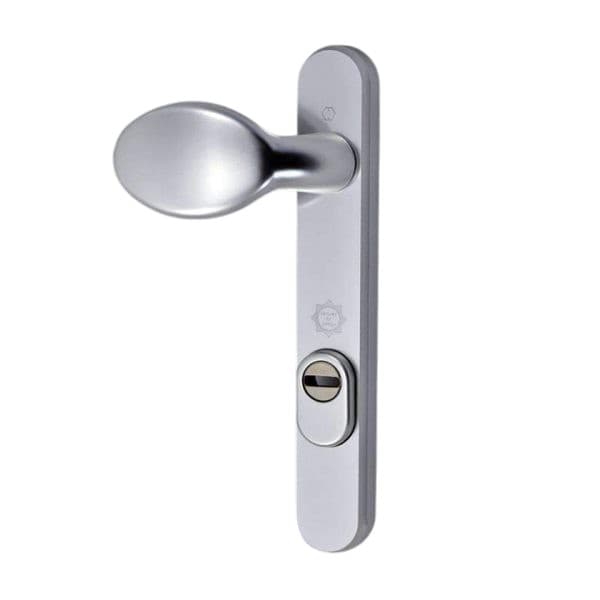
- Affinity Security Door Handle
Conclusion and next steps
Failure of a multipoint door lock to engage is commonly caused by misalignment, worn components, handle or spindle issues, or lack of lubrication. Start with simple diagnostics: check handles and spindles, align keeps, adjust hinges and apply PTFE or silicone lubricant. Replace worn parts such as keeps, cylinders or the lock case when necessary. For complex faults or compromised security contact a professional locksmith or trade installer.
For further technical details and product options visit our pillar page: /guides/door-locks or contact our trade support team for part identification and ordering advice.
Related articles
uPVC Door Lock Maintenance: Keep Your Lock Working Smoothly
uPVC Door Lock Maintenance: Keep Your Lock Working Smoothly A well maintained upvc door lock reduces call-outs, keeps a property secure and extends the lif...
Hook Lock Sizes and Compatibility: Matching Your Existing Lock
Hook Lock Sizes and Compatibility: Matching Your Existing Lock Replacing a hook lock can be straightforward if you know what to measure and what to check f...
Replacing Individual Hook Locks vs Full Multipoint Mechanism
Replacing Individual Hook Locks vs Full Multipoint Mechanism Deciding whether to replace a single hook lock or the entire multipoint mechanism is a common ...