
Replacing Individual Hook Locks vs Full Multipoint Mechanism
Replacing Individual Hook Locks vs Full Multipoint Mechanism Deciding whether to replace a single hook lock or the entire multipoint mechanism is a common ...
Replacing Individual Hook Locks vs Full Multipoint Mechanism
Deciding whether to replace a single hook lock or the entire multipoint mechanism is a common dilemma for both UK homeowners and trade professionals. The right choice affects security, door performance, cost and future maintenance. This article explains how multipoint systems and hook locks work, when a partial repair is suitable, when a full replacement is preferable and practical steps for each option.
Why the decision matters
A worn or broken hook lock can be the visible fault, but the root cause may be a failing gearbox, worn keeps, or poor door alignment. Replacing a single hook lock is quicker and cheaper; however, it may provide only a short-term fix if other components are near the end of their service life. A full multipoint mechanism replacement is more expensive and takes longer; yet it restores consistent operation across all locking points and often improves security and insurance compliance.
How multipoint systems and hook locks work
Multipoint mechanisms generally consist of a central gearbox operated by the handle and/or key, a euro cylinder or sash lock, and several locking elements: hooks, rollers, mushroom cams or deadbolts located up and down the door edge. A hook lock is a type of locking element that engages a keep on the frame; hooks are popular on uPVC and composite doors because they pull the sash into the frame for good compression and weather performance.
When you can replace an individual hook lock
Replacing a single hook lock is a reasonable option when all of the following are true:
- The rest of the multipoint mechanism operates smoothly and consistently.
- Only one hook is visibly damaged or missing; other hooks show minimal wear.
- There is no excessive play at the handle or gearbox; the key operation is normal.
- Keeps and frame are in good condition and can be adjusted to the new hook geometry.
Benefits of replacing just the hook lock include lower cost, shorter downtime and the ability to source a direct replacement hook module. This is often a suitable approach for quick repairs on trade service calls.
When you should replace the full multipoint mechanism
Replace the whole multipoint mechanism when any of the following apply:
- Multiple locking points are worn, sticking or failing to engage.
- There is excessive lateral or rotational play in the handle; the gearbox feels loose or noisy.
- Security requirements or insurance demand an upgrade to a PAS 24 compliant system.
- Matching replacement parts are unobtainable; the mechanism is obsolete or proprietary.
- Long-term reliability and warranty are priorities over an economical repair.
A full replacement gives a uniform action across the door, reduces repeat call-outs and can solve alignment issues that a single-hook swap would not.
Practical measurement and compatibility checks
Before ordering parts, measure and record the following:
- Faceplate length and width; check screw positions and countersink type.
- Distance from the handle spindle centre to the faceplate edge; many systems use 92mm centres but variations exist.
- Backset and centre case depth; confirm the gearbox spindle size and type.
- Profile of the hook: orientation (left or right hand), reach and throw.
- Manufacturer markings on the mechanism; part numbers and trade brand names are invaluable when sourcing spares.
When in doubt, photograph the mechanism and the door edge; send images to suppliers or use OEM part references. Sourcing an identical replacement reduces fitting complications.
Step-by-step: DIY replacement of a hook lock (typical uPVC door)
Only attempt this work if you are confident and have basic tools. If the euro cylinder is integral or the mechanism is complex, engage a trade locksmith.
- Tools and materials: screwdriver set, Allen keys, replacement hook module, lubricant, cleaning cloths, adjustable spanners, and protective gloves.
- Remove the handle and faceplate screws: back out the handle set screws and withdraw the handle and spindle.
- Remove the faceplate: unscrew the faceplate retaining screws and ease the faceplate away to expose the hook module.
- Release the hook module: depending on design, this may be retained by two screws or a clip. Note orientation before removal.
- Fit the new hook module: ensure the hook is fitted the correct way round; lightly grease sliding surfaces; tighten screws to manufacturer torque.
- Reassemble and test: refit the faceplate and handle; cycle the handle several times and test the key operation. Check engagement with the keep and adjust keeps if necessary.
If the handle feels loose or the hook fails to engage properly after fitting, stop and reassess; the gearbox or other locking points may be compromised.
Trade tips and best practice
- Diagnose fully before quoting: test all locking points, check keeps and customer reports; replace only what is necessary to avoid unnecessary expense.
- Stock common hook modules and adjustable keeps: this reduces call-out time and increases first-fix rates.
- Where possible use OEM parts: they provide correct geometry and longevity; non-branded parts can save cost but may need adjustments.
- Document the work: take before and after pictures and confirm operation with the client; record part numbers used for future service.
- Consider upgrading cylinder and handles if replacing the full mechanism; match security levels to insurance requirements.
Costs and timeframes
Typical costs in the UK vary: a single replacement hook module and fitting can be carried out in under an hour and cost between £50 and £150 trade inclusive, depending on part and location. A full multipoint mechanism replacement generally takes 1.5 to 3 hours and parts plus labour will usually range from £150 to £450 or more for premium systems and PAS 24 upgrades. Always provide a written quote with parts and labour separated.
Recommended Products
Based on this article, you may find these products helpful:
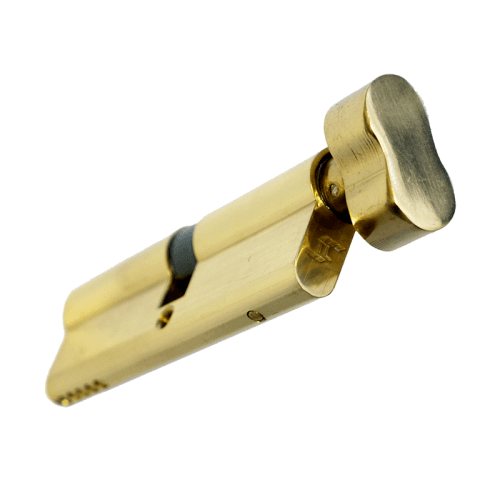
- TL Thumb Turn Euro Cylinder
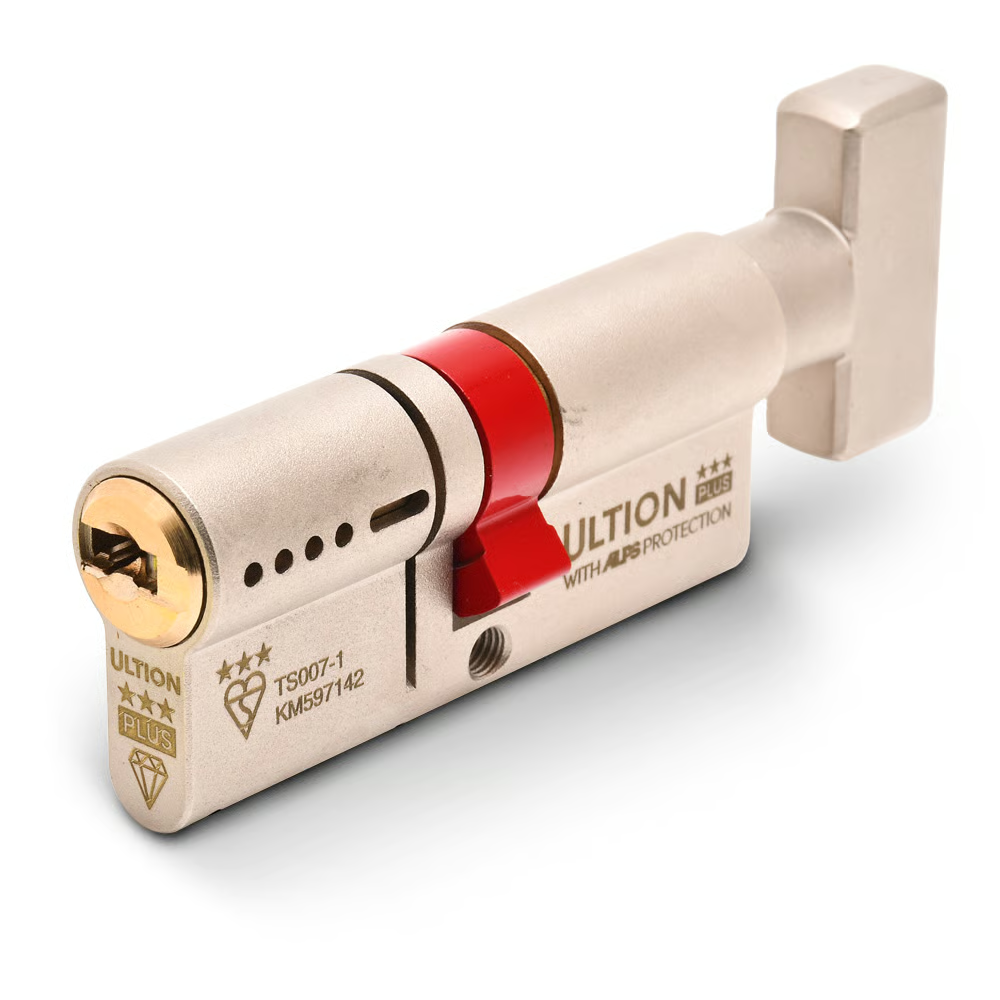
- Ultion Plus TS007 3* Kitemarked Euro Key & Turn Cylinder
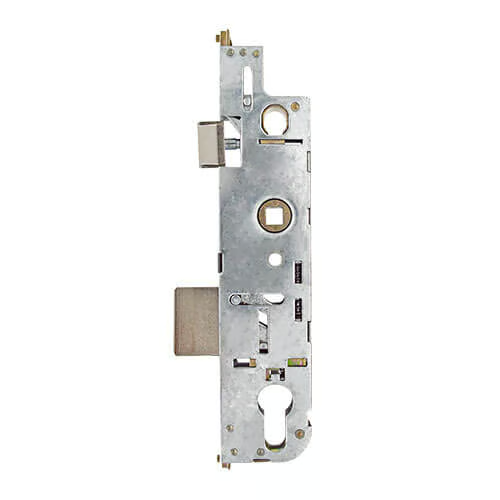
- Multipoint Gearbox GU Old Style
- In-Line Window Mechanism
- Offset Window Mechanism
Conclusion and next steps
Replacing an individual hook lock is an effective, economical solution when the rest of the multipoint system is healthy and parts are available. Replace the full multipoint mechanism when multiple components are worn, the gearbox is failing, or you need a security upgrade. For homeowners: start with a careful inspection and photographs; for tradespeople: perform a full diagnostic before quoting. For further technical advice and fitting guides see /guides/door-locks or contact your supplier with model details and photos to ensure you order the correct parts.
Products mentioned in this article
Related articles
uPVC Door Lock Maintenance: Keep Your Lock Working Smoothly
uPVC Door Lock Maintenance: Keep Your Lock Working Smoothly A well maintained upvc door lock reduces call-outs, keeps a property secure and extends the lif...
Hook Lock Sizes and Compatibility: Matching Your Existing Lock
Hook Lock Sizes and Compatibility: Matching Your Existing Lock Replacing a hook lock can be straightforward if you know what to measure and what to check f...
How to Identify Which Hook Lock You Need
How to Identify Which Hook Lock You Need Choosing the correct hook lock can be straightforward when you know what to measure and what to match. Whether you...