
How to Identify Which Hook Lock You Need
How to Identify Which Hook Lock You Need Choosing the correct hook lock can be straightforward when you know what to measure and what to match. Whether you...
Choosing the correct hook lock can be straightforward when you know what to measure and what to match. Whether you are a homeowner upgrading a uPVC front door or a tradesperson fitting locks on new composite and aluminium doors, the right hook lock improves security and ensures smooth operation. This post explains the key types, what measurements to take, and practical trade and DIY tips to help you identify the correct hook lock for your job.
What is a hook lock and where it is used
A hook lock is a type of locking mechanism commonly used on uPVC, aluminium and composite doors, especially for outward-opening French and patio doors, and on many entrance doors that use multipoint gearboxes. Rather than a straight deadbolt, the lock deploys a curved or hooked bolt that pulls the door tightly into the frame when locked. This action improves resistance to levering and provides a tighter seal against drafts.
Hook locks are often part of a multipoint system that includes additional hooks, rollers, or shootbolts. They are available as single-point hook locks for internal applications, and as hooks integrated into multipoint lockcases for external doors where higher security is required.
Key factors to identify which hook lock you need
Before you order a replacement or new lock, check these essential specifications and site conditions:
- Door type: uPVC, aluminium, timber, or composite. Each material can require different fixings and keeps; composite doors often need reinforced fixings.
- Handing and opening direction: left or right, inward or outward; many modern hook locks are reversible but confirm if handing is fixed.
- Backset: distance from the edge of the door to the centre of the keyhole or spindle; common backsets are 35mm, 45mm and 55mm.
- Case depth and overall lockcase height: measure the full depth and the distance between screw fixings if replacing an existing unit.
- Centres: distance from the key or spindle centre to other elements such as the handle spindle or cylinder; ensure the new lock aligns with your handle and cylinder.
- Number and position of hooks: single hook, double hook or multiple locking points; for multipoint systems count every locking element and record their vertical spacing.
- Cylinder type and size: euro cylinder, oval or round; measure the cylinder length from the cam centre to each end if the cylinder protrudes both sides.
- Faceplate dimensions and screw centre positions: some doors use slim faceplates; others require wide plates to cover routed profiles.
- Standards and security rating: look for locks that meet British Standards and Secured by Design where required for insurance or commercial projects.
How to measure accurately: a practical checklist
Accurate measurements avoid returns and site delays. Use a steel tape and record every figure; take pictures of the existing lock and frame for reference. Here are the practical steps:
- Measure door thickness at several points: typical external doors are 44mm to 70mm; ensure the lock you choose suits the door thickness or accept spacers where applicable.
- Measure backset and centres: take the backset from the faceplate edge to the key/spindle centre; measure the distance from key centre to handle spindle centre.
- Record case depth and forend length: remove the inner handle rose if needed to see the full case and screw holes.
- Count hooks and measure vertical spacing: open the door and mark the position of each locking element on the edge; measure from a fixed reference point such as the centre to each hook.
- Note cylinder configuration: single cylinder, double cylinder or cylinder with thumbturn; measure and note whether the cylinder is protected by an anti-snap cover.
Practical trade advice for installation and replacement
Tradespeople should follow good practice to ensure security and longevity. Replace like-for-like where possible; if upgrading to a stronger lock, check frame reinforcement is sufficient. For new hardware work use long stainless steel screws to fix keeps into the frame so the screws bite into the framing timber or reinforcement; this greatly enhances resistance to attack. When fitting to composite doors use reinforcing plates where the manufacturer recommends them.
Confirm compatibility between the lock and existing keeps. Some frames use adjustable keeps or keeps with striker plates designed for a specific hook profile; fitting an incompatible keep may cause misalignment and premature wear. Also ensure the multiplier gearbox is compatible with the handle spindle and cylinder type you intend to use.
DIY guidance for homeowners
For competent DIYers replacing a worn hook lock, the task is usually straightforward if the new lock matches existing measurements. Gather tools: screwdrivers, block plane or chisel for minor adjustments, drill with appropriate bits, a set of long stainless screws and a lubricant such as silicone spray. Remove the old lock, compare measurements, and test the new lock in position before final fixing; do not force the mechanism. If you notice routing or frame damage, consider consulting a tradesperson to assess reinforcement and weatherproofing.
Lubricate moving parts with a dry lubricant rather than oil; oil can attract dust and gum up the mechanism. After installation, test the lock through several open and close cycles and adjust keeps so that the hooks engage smoothly without rubbing.
Security and compliance considerations
For external doors, choose hook locks that contribute to an overall secure door specification. Look for products listed on approved door assemblies or those that meet recognised security standards. If fitting in a rented property or on a party wall, check insurance and building regulations for any additional requirements. For high-risk locations consider anti-snap cylinders, reinforced strike plates and additional deadbolts or security bars.
Recommended Products
Based on this article, you may find these products helpful:
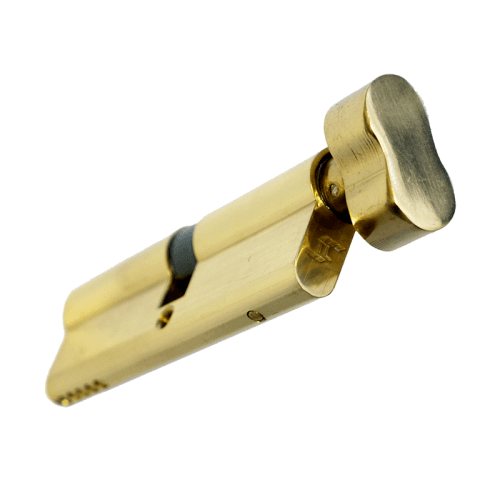
- TL Thumb Turn Euro Cylinder
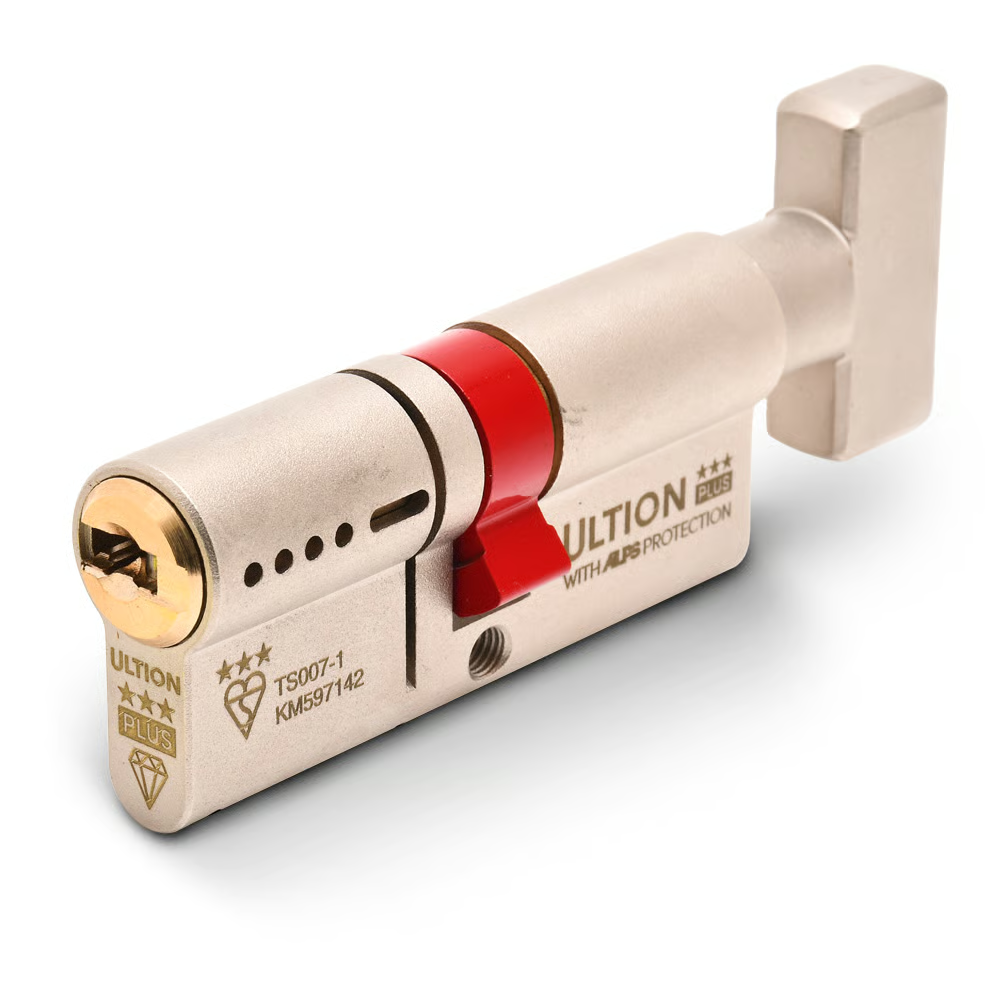
- Ultion Plus TS007 3* Kitemarked Euro Key & Turn Cylinder
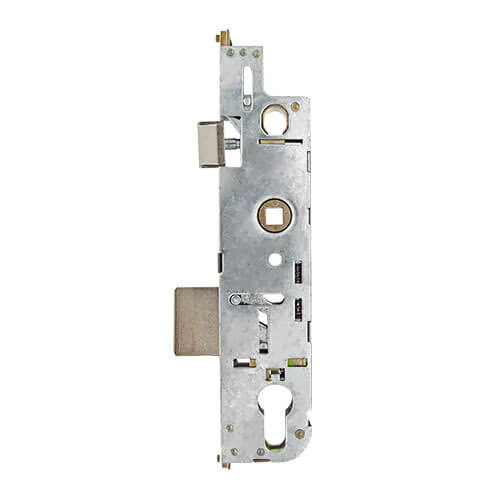
- Multipoint Gearbox GU Old Style
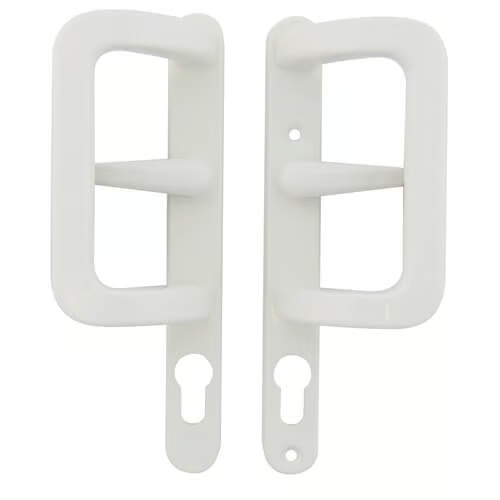
- Patio Door Handle Set - 92PZ White
- Winlock Patio Door Handle Set
Conclusion and next steps
Identifying the correct hook lock comes down to matching the lock type to the door material, measuring backset, centres and case dimensions, and checking cylinder and keep compatibility. For trade customers, keep a set of common sizes in stock and photograph every site for reference. Homeowners should measure carefully and choose locks that meet recognised security standards.
Next steps: measure your door using the checklist above, compare the numbers with product datasheets, and if in doubt contact Window Hardware Store with your measurements and photos. For broader information on door security options visit our pillar resource: /guides/door-locks.
Related articles
uPVC Door Lock Maintenance: Keep Your Lock Working Smoothly
uPVC Door Lock Maintenance: Keep Your Lock Working Smoothly A well maintained upvc door lock reduces call-outs, keeps a property secure and extends the lif...
Hook Lock Sizes and Compatibility: Matching Your Existing Lock
Hook Lock Sizes and Compatibility: Matching Your Existing Lock Replacing a hook lock can be straightforward if you know what to measure and what to check f...
Replacing Individual Hook Locks vs Full Multipoint Mechanism
Replacing Individual Hook Locks vs Full Multipoint Mechanism Deciding whether to replace a single hook lock or the entire multipoint mechanism is a common ...