
Hook Lock Sizes and Compatibility: Matching Your Existing Lock
Hook Lock Sizes and Compatibility: Matching Your Existing Lock Replacing a hook lock can be straightforward if you know what to measure and what to check f...
Hook Lock Sizes and Compatibility: Matching Your Existing Lock
Replacing a hook lock can be straightforward if you know what to measure and what to check for compatibility. Whether you are a homeowner replacing a faulty multipoint hook on a uPVC door or a tradesperson fitting a new sash hook on a French door, this post explains the key dimensions, compatibility checks and practical tips to get the right hook lock first time.
What is a hook lock and where it is used
A hook lock is a locking mechanism that uses a hooked bolt which engages into a keep rather than a straight deadbolt. They are commonly used on uPVC entrance doors, patio and French doors because the hooked action helps pull the sash tight into the frame; this improves weather performance and security. Hook locks are usually part of a multipoint locking system; they work alongside a latch, deadbolt and shootbolts to secure the door at multiple points.
Key measurements to take before ordering
Accurate measurement is essential. Take the following measurements from your existing lock before you buy a replacement:
- Backset: the distance from the faceplate edge to the centre of the spindle or cylinder; typical backsets in the UK are 35mm and 45mm, but they can vary so measure rather than assume.
- Centre distance (PZ): the measurement from the spindle centre to the centre of the euro cylinder; common PZ centres are 92mm and 62mm. This determines handle and key alignment.
- Case depth or lock case length: the thickness of the lock case from the faceplate to the rear; this affects how the lock fits inside the door profile.
- Faceplate size and screw centres: note the faceplate length and the vertical spacing between the fixing screws; these must match or your screw holes will not line up.
- Hook projection and throw: measure how far the hook protrudes when engaged and whether it is a single-throw or multi-throw hook; keeps must accept the same projection and orientation.
- Handing and orientation: determine if the hook points up, down or sideways and whether the lock is reversible; many modern hook locks are reversible but check to avoid an incorrect fit.
- Cylinder length: if the lock uses a euro cylinder, measure the cylinder for overall length and the split lengths each side of the cam; commonly used combinations include 30/30, 35/35 and 40/35.
Compatibility considerations
Matching the physical size is only part of compatibility. Think about these additional factors:
- Multipoint system brand and type: manufacturers such as Winkhaus, GU, Yale and SIEGENIA use different hook profiles and keeps; where possible identify the supplier or part number from the faceplate and match it.
- Keep and striker position: the hook must engage into the keep cleanly; if the new hook has a different throw you may need to adjust or replace the keep rather than force a fit.
- Spindle type and handle fit: check the spindle size and whether the spindle is square or duo; handles must fit the spindle and not foul the faceplate or furniture.
- Security standards and cylinder type: if upgrading consider anti-snap euro cylinders with TS007 ratings; if the lock integrates with the cylinder position you must ensure the new cylinder length and security grade match requirements.
- Door material and thickness: some hook mechanics require a minimum door thickness to fit; confirm the lock case will sit correctly in timber, composite or uPVC doors.
Practical trade advice
For installers: always log the existing lock code if present on the faceplate; many manufacturers stamp part numbers. When replacing a multipoint unit on site bring the old lock to the van rather than relying on verbal descriptions. If the keep or keeps are worn replace them with adjustable keeps where possible; this saves time aligning new locks. When fitting, check shootbolt timing so all locking points operate at the same time; mis-timed hooks can bind and create wear.
DIY guidance for homeowners
Homeowners can replace many hook locks but plan before you start. Steps to follow:
- Take clear photos of the faceplate and full lock edge; note any part numbers or logos.
- Remove the handle and cylinder; this makes it easier to take accurate centre and backset measurements.
- Measure and record the dimensions listed earlier. Take at least two measurements of each dimension to confirm accuracy.
- Order the replacement with the same centre and backset; if unsure, choose a reversible hook lock and confirm the cylinder length matches your door furniture.
- When fitting, work on a flat, supported door. Loosen the case screws evenly and test the hook action before fully tightening. Adjust keeps if the hook does not engage smoothly.
- If you encounter binding or if weatherseal needs trimming, stop and reassess; forcing the lock will cause premature failure.
Common pitfalls and how to avoid them
- Assuming a standard size: many doors use non-standard backsets or centres; always measure the existing lock before ordering.
- Ignoring cylinder length: an incorrect cylinder can protrude or sit too far in, compromising security and weatherproofing.
- Not checking handing: while many hooks are reversible, some are not; an incorrect handing means the hook will point the wrong way.
- Failing to test alignment: always test the new lock with the door closed to ensure the hook engages without lifting or dragging the door.
Replacement and upgrade options
If your existing lock is obsolete you can replace it with a like-for-like part where possible. If you want to upgrade, consider a multipoint hook lock with improved anti-snap cylinder compatibility and stronger keeps; adjustable keeps and reinforced faceplates improve long-term performance. For high-security doors look for locks that meet PAS 24 or that integrate with accredited cylinder standards.
Recommended Products
Based on this article, you may find these products helpful:
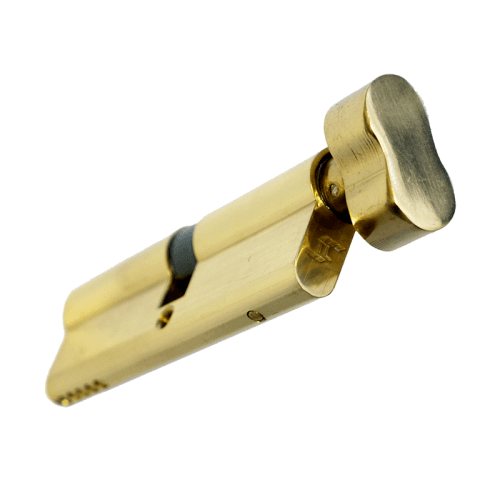
- TL Thumb Turn Euro Cylinder
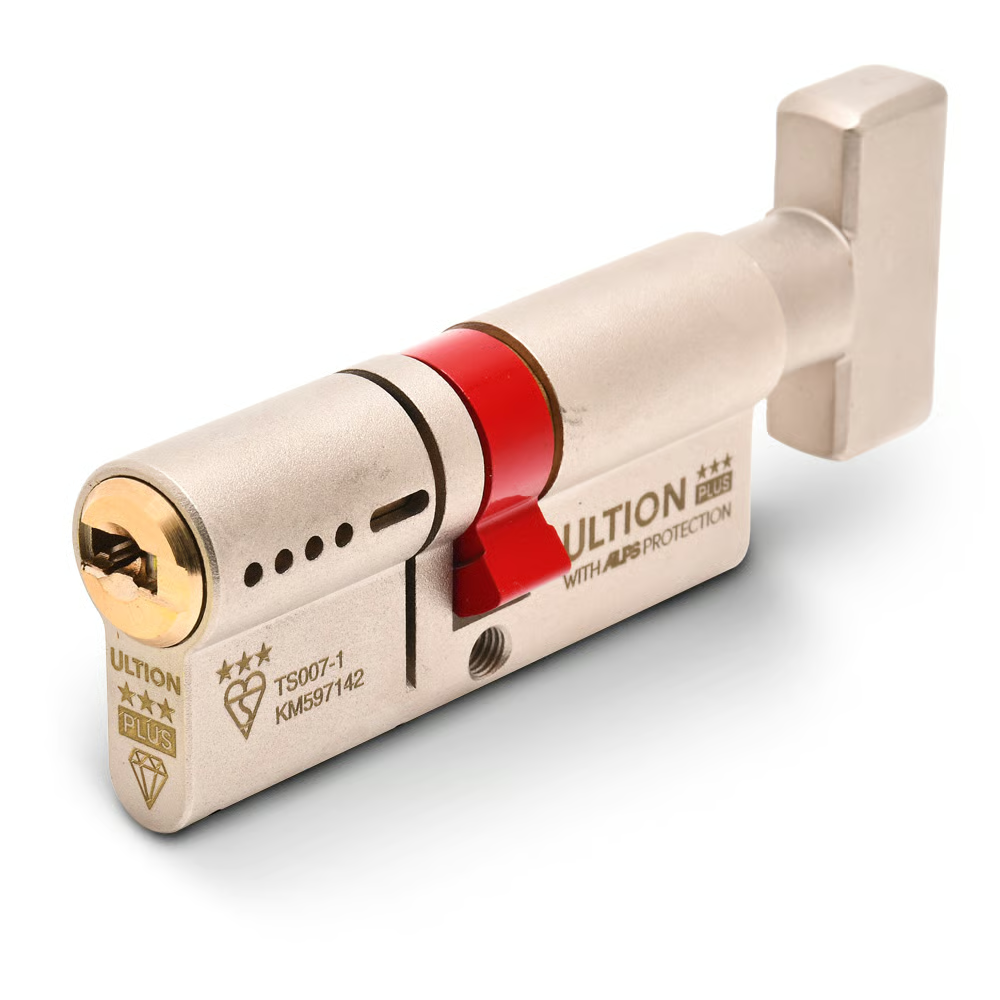
- Ultion Plus TS007 3* Kitemarked Euro Key & Turn Cylinder
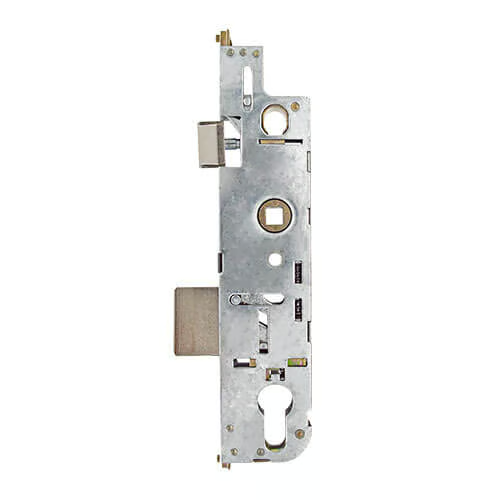
- Multipoint Gearbox GU Old Style
- In-Line Window Mechanism
- Offset Window Mechanism
Conclusion and next steps
Matching a hook lock requires careful measurement of backset, centre distance, faceplate and hook projection; compatibility with the keep and cylinder also matters. For best results: document the existing lock, measure accurately, and, where possible, match manufacturer and part codes. If you need further help, contact Window Hardware Store with your measurements and photos or visit /guides/door-locks for related resources. For complex multipoint problems or if the frame needs modification, arrange a site survey with a qualified installer.
Products mentioned in this article
Related articles
uPVC Door Lock Maintenance: Keep Your Lock Working Smoothly
uPVC Door Lock Maintenance: Keep Your Lock Working Smoothly A well maintained upvc door lock reduces call-outs, keeps a property secure and extends the lif...
Replacing Individual Hook Locks vs Full Multipoint Mechanism
Replacing Individual Hook Locks vs Full Multipoint Mechanism Deciding whether to replace a single hook lock or the entire multipoint mechanism is a common ...
How to Identify Which Hook Lock You Need
How to Identify Which Hook Lock You Need Choosing the correct hook lock can be straightforward when you know what to measure and what to match. Whether you...