
uPVC Door Lock Maintenance: Keep Your Lock Working Smoothly
uPVC Door Lock Maintenance: Keep Your Lock Working Smoothly A well maintained upvc door lock reduces call-outs, keeps a property secure and extends the lif...
uPVC Door Lock Maintenance: Keep Your Lock Working Smoothly
A well maintained upvc door lock reduces call-outs, keeps a property secure and extends the lifetime of the hardware. Whether you are a homeowner carrying out a routine check or a trade professional servicing multiple properties, the right maintenance routine is straightforward and effective. This post covers practical inspection points, recommended lubricants, DIY steps and trade-level tips for common upvc door lock systems.
Why regular maintenance matters
uPVC doors commonly use multipoint locks, euro cylinders and a variety of keeps and striker plates. These systems rely on moving parts that can seize, corrode or wear. Small issues such as loose screws or misaligned keeps quickly become bigger problems: a binding latch will increase torque through the gearbox; dirt in the cylinder can cause pins to stick; worn keeps let the door sag. Regular maintenance avoids emergency replacements and keeps doors weatherproof and secure.
What to inspect: a quick checklist
- Operation: lock and unlock several times; check for stiffness, catching or rattles.
- Handles: check for lateral play and secure fixings.
- Cylinder: test key movement; look for difficulty turning or a sticky keyway.
- Faceplate and latch: look for wear on the latch nose and build-up of dirt in the aperture.
- Keeps and striker plates: ensure shootbolts and hooks align and fully engage when locked.
- Hinges and threshold: check for door drop or misalignment that stresses the lock.
- Weatherseal: inspect for compression affecting operation.
Recommended lubricants and supplies
Choosing the correct lubricant is critical: the wrong product will attract dust and gum up the mechanism. Keep these items in your toolkit:
- Dry graphite powder: recommended for euro cylinders and keyways. It lubricates without leaving a sticky residue.
- PTFE or silicone spray: suitable for multipoint mechanisms, latch bolts, keeps and hinges. Use sparingly and wipe excess.
- White lithium grease: used by trade fitters for internal gearbox sliding surfaces and heavy duty rollers; avoid using on keyways or where dust will collect.
- Compressed air and soft brushes: for removing dust and grit from keyways and rebate areas.
- Tools: set of screwdrivers, Torx keys, hex keys, torque-rated screwdriver for anti-snap cylinders, and a rag for cleaning.
Step-by-step DIY maintenance for an upvc door lock
Frequency: perform a basic check and light maintenance every six months; high-use doors merit quarterly attention.
- Prepare the door: open it and secure it so you have easy access to the faceplate and hinges.
- Clean visible dirt: use compressed air and a brush to remove dust from the latch, keeps and keyway. Wipe the faceplate clean.
- Lubricate the keyway: use a couple of short bursts of dry graphite into the cylinder keyway, insert the key and operate several times to distribute the powder. Do not use oil-based sprays in the cylinder.
- Service the latch and multipoint points: apply PTFE or silicone spray to the latch, deadbolt and the exposed locking points along the faceplate; operate the handle and key several times to move the lubricant through the mechanism.
- Check keeps: inspect striker plates for wear; if the bolts rub the keep, loosen the keep screws slightly, reposition to eliminate binding and re-tighten. For minimal tweaks you can often achieve correct alignment without removing the door.
- Hinges and threshold: apply a light spray of silicone to hinge pins and pivot points. Tighten any loose hinge screws; if screws are stripped use longer or thicker screws into the uPVC reinforcing or fit proper frame fixings.
- Final test: lock and unlock several times with the key and from both sides. Check that all locking points engage smoothly and the handle returns to the rest position without sticking.
When to call a trade professional
Certain tasks should be left to professionals: cylinder removal for replacement when the door is difficult to operate; gearbox or full multipoint replacement; rectifying door drop that requires frame adjustment; or if there is evidence of forced entry or a snapped cylinder. Trade fitters have the correct replacement gearboxes, multi-point sash locks and certified anti-snap cylinders to restore security to the required standard.
Practical trade advice
- Record part numbers: when replacing cylinders or gearboxes, note the existing cylinder length and the gearbox model. This saves time on site.
- Use accredited security cylinders: for rental or high-risk properties specify TS007 3-star or equivalent anti-snap cylinders to reduce insurance issues.
- Offer planned maintenance packages: a six-month service contract for communal buildings reduces emergency call-outs and extends hardware life.
- When replacing keeps: consider reinforced or adjustable keeps to simplify later adjustments and improve resistance to levering attacks.
Common problems and quick fixes
- Sticky key: clean with compressed air and use graphite; if the key still resists, replace the cylinder.
- Handle drops out of position after locking: check gearbox catch springs and consider a gearbox rebuild or replacement.
- Door difficult to close or lock: check hinge screws and door alignment; adjust keeps or tighten hinges before assuming the lock is faulty.
- Shotbolts not engaging: check for dirt in keeps, apply PTFE spray, and inspect for bent or worn bolts; replace faulty locking points promptly.
Further reading and resources
For more technical information about lock types, fitting and compliant security upgrades visit our pillar page: /guides/door-locks. That page contains product recommendations, measured diagrams and fitting guides for common multipoint systems and cylinders.
Recommended Products
Based on this article, you may find these products helpful:
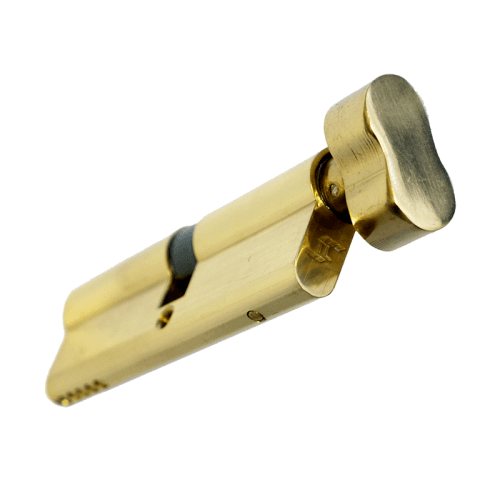
- TL Thumb Turn Euro Cylinder
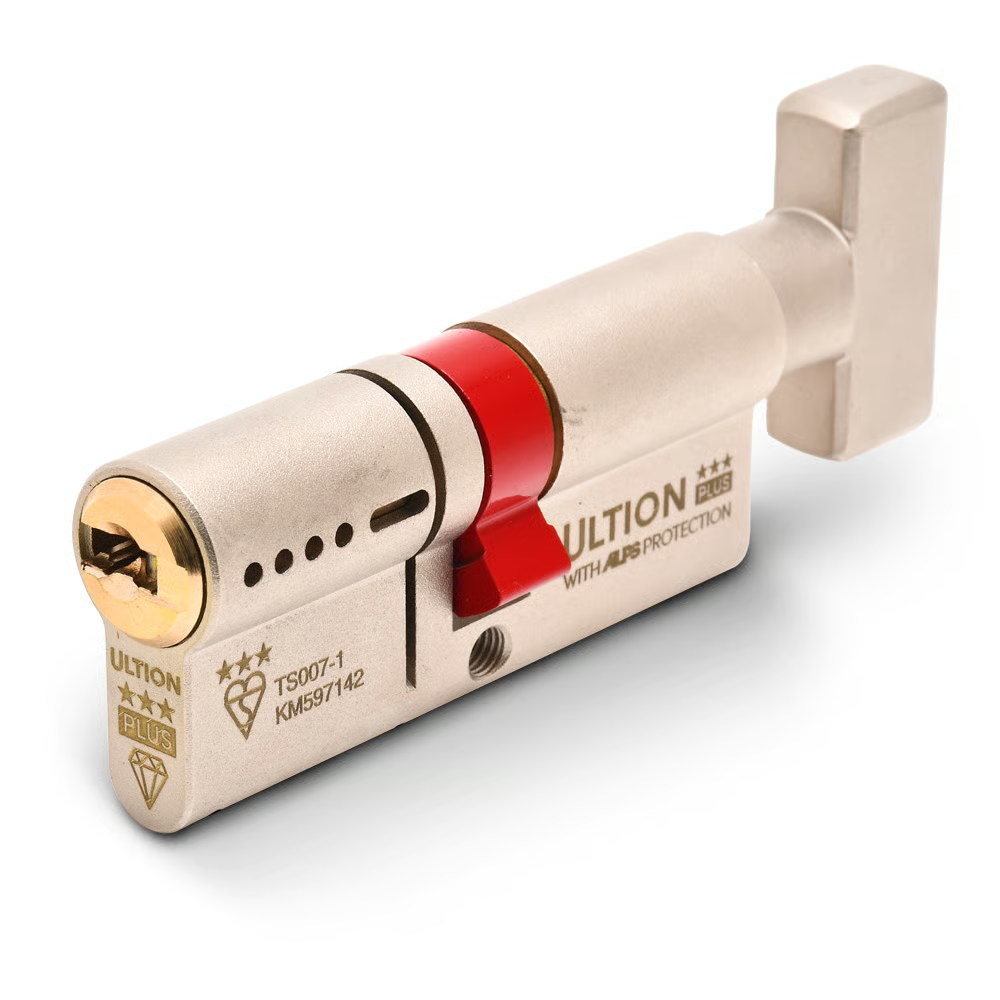
- Ultion Plus TS007 3* Kitemarked Euro Key & Turn Cylinder
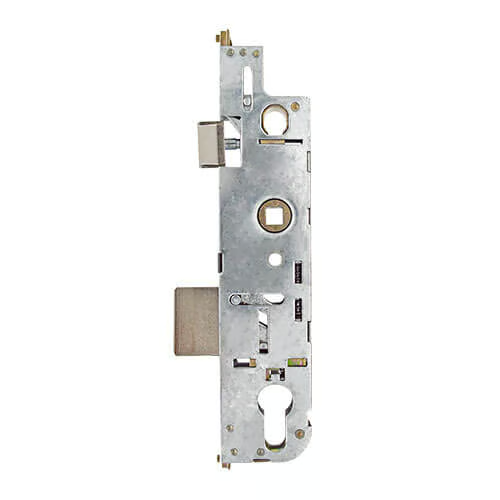
- Multipoint Gearbox GU Old Style
- In-Line Window Mechanism
- Offset Window Mechanism
Conclusion and next steps
Regular checks and the correct lubricants keep your upvc door lock operating smoothly, reduce emergency repairs and maintain security. Start with a six-month inspection, use graphite for cylinders and PTFE or silicone for moving parts, and tighten or adjust keeps and hinges as required. If you encounter seized gearboxes, significant wear or evidence of forced entry, contact a professional installer or locksmith to replace components with the correct specification parts.
Need parts or professional help: contact Window Hardware Store for trade supplies, replacement cylinders and gearbox kits, or to arrange a recommended installer in your area.
Products mentioned in this article
Related articles
Hook Lock Sizes and Compatibility: Matching Your Existing Lock
Hook Lock Sizes and Compatibility: Matching Your Existing Lock Replacing a hook lock can be straightforward if you know what to measure and what to check f...
Replacing Individual Hook Locks vs Full Multipoint Mechanism
Replacing Individual Hook Locks vs Full Multipoint Mechanism Deciding whether to replace a single hook lock or the entire multipoint mechanism is a common ...
How to Identify Which Hook Lock You Need
How to Identify Which Hook Lock You Need Choosing the correct hook lock can be straightforward when you know what to measure and what to match. Whether you...