
Night Latch Maintenance: Keeping Your Lock in Good Condition
Night Latch Maintenance: Keeping Your Lock in Good Condition A well maintained night latch provides reliable security and smooth operation for many years. ...
Night Latch Maintenance: Keeping Your Lock in Good Condition
A well maintained night latch provides reliable security and smooth operation for many years. Whether you are a UK homeowner maintaining a front door or a trade professional preparing a property for handover, regular servicing prevents common faults and keeps warranties intact. This post covers practical checks, step by step DIY maintenance and trade tips for rim and mortice night latches.
What is a night latch and how does it work
A night latch is a surface-mounted or morticed lock fitted to the door face that holds the door closed with a sprung latch. It is usually operated by a knob or lever on the inside and by a key on the outside. Many models include a deadlocking function that prevents the latch from being slipped open. Rim night latches sit on the inside face of the door; mortice night latches are recessed into a pocket in the door. Both types share similar maintenance needs.
Why regular maintenance matters
Neglected night latches can stick, fail to deadlock, or cause excessive wear to the door and strike plate. Problems include seized cylinders, worn springs, loose fixings and misalignment caused by settling or timber movement. Routine maintenance reduces call-outs, extends component life and maintains security standards demanded by insurers and building regulations.
Tools and materials you will need
- Screwdriver set (Pozidriv and flat)
- Hex keys and small pliers
- Specialist lock lubricant: silicone or PTFE spray, or dry graphite for cylinders
- Light machine oil for latch mechanism if recommended by the manufacturer
- Cleaning cloths, cotton buds and mild detergent or isopropyl alcohol
- Replacement screws, springs or strike plates where required
- Chisel and wood filler for strike plate adjustment (for carpentry work)
- Contact cleaner for heavily contaminated mechanisms
Routine maintenance schedule
- Every 3 months: visual check for loose fixings, rubbing or timber movement
- Every 6 months: clean external surfaces and lubricate moving components
- Annually: full strip-down and inspection of internal parts; replace worn springs or latch bolts where required
- After extreme weather or high usage: immediate inspection for alignment or corrosion issues
Step-by-step DIY maintenance
Follow these steps for a basic service on most night latches. If you encounter significant wear or damage, consider a trade-level overhaul or replacement.
- Inspection: Check the bolt and keeper for corrosion, scoring or play. Operate the lock from both sides to note sticking or rough movement.
- Clean external surfaces: Use warm soapy water and a soft cloth on escutcheons and knobs; dry thoroughly to prevent moisture ingress.
- Remove the case: For rim latches, remove faceplate screws and lift off the case. For mortice units, follow manufacturer instructions; keep screws in order for reassembly.
- Clean internals: Use a small brush and cotton buds with isopropyl alcohol or a contact cleaner to remove grime from the mechanism. Avoid soaking parts in oil as dirt can collect.
- Lubricate moving parts: Apply a specialist lock lubricant sparingly to the latch bolt, follower and internal linkages. For the cylinder use graphite powder or a silicone-based dry spray; do not use general-purpose oil inside the cylinder as this attracts dust.
- Reassemble and test: Refit the case, tighten screws to a snug torque and operate the lock repeatedly to work the lubricant in. Check that the deadlocking function engages correctly when used.
- Adjust strike plate if needed: If the latch strikes the keeper rather than seating, mark the contact point and either deepen the recess with a chisel or reposition the strike plate. Use wood filler and touch-up paint if you need to move fixings.
Common faults and how to fix them
- Sticky latch bolt: Often caused by dirt or old grease. Clean and relubricate; replace the latch if the bolt is heavily grooved.
- Loose or protruding screws: Replace stripped screws and consider longer or coach screws for high-traffic doors; use threadlocker sparingly on trade installations where vibration is present.
- Cylinder turning stiffly: Clean the cylinder with graphite powder; avoid oil inside the cylinder. If binding persists, consider replacing the cylinder or fitting a higher specification anti-snap/anti-drill cylinder.
- Misalignment: Timber swelling or settlement can pull the keep out of alignment. Reposition strike or adjust hinge packers before resorting to lock replacement.
Trade advice and best practice
- Document the work: For social housing and commercial contracts, log lubricants used, parts replaced and the date. This supports maintenance regimes and warranty claims.
- Use manufacturer-approved parts: Replacement springs and latch bolts vary by make; use OEM spares for reliability and to maintain fire and security ratings.
- Specify suitable cylinders: For external doors, fit BS EN 1303 compliant cylinders and consider anti-snap or anti-drill options to meet insurance conditions.
- Avoid quick fixes: Using heavy oils such as WD-40 can provide temporary freeing of a mechanism but leaves a residue that attracts grit. Use purpose-designed lock lubes for long-term performance.
- Consider upgrade at refurb: When doors or frames are replaced, check that the night latch matches the new door thickness and that the keep is reinforced if subject to forced entry risk.
When to call a professional
If the lock shows signs of internal breakage, if the cylinder is damaged or if you suspect lock manipulation, call a qualified locksmith. Also engage a trade locksmith for properties with security obligations or where the night latch forms part of a fire escape route; compliance with building regulations is essential.
Recommended Products
Based on this article, you may find these products helpful:
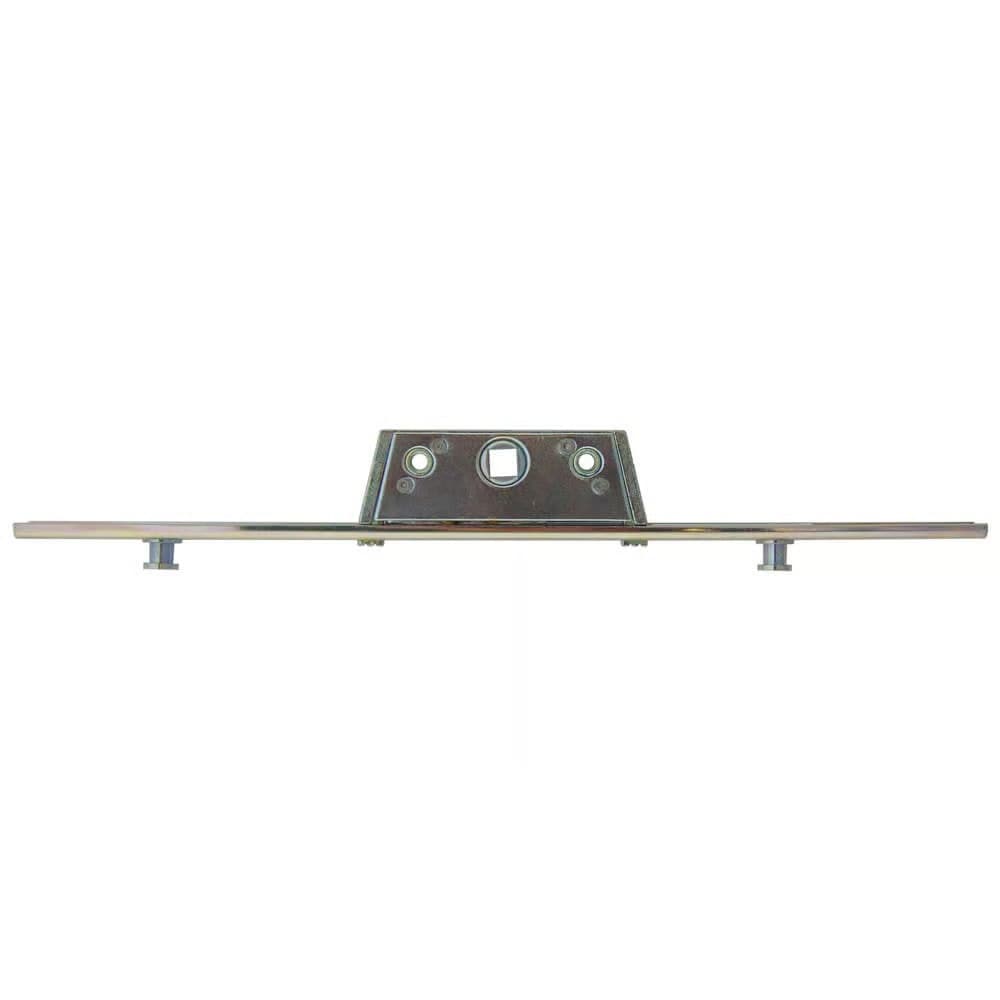
- In-Line Window Mechanism
- Offset Window Mechanism
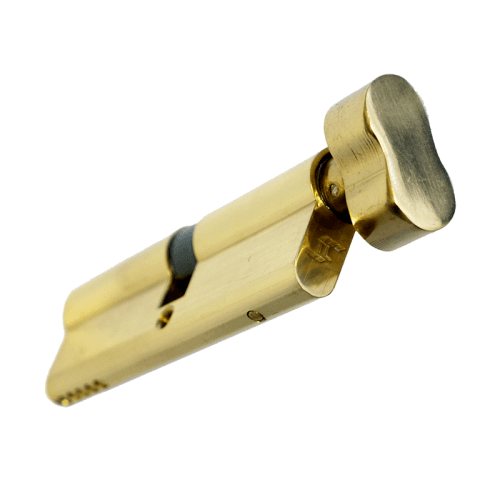
- TL Thumb Turn Euro Cylinder
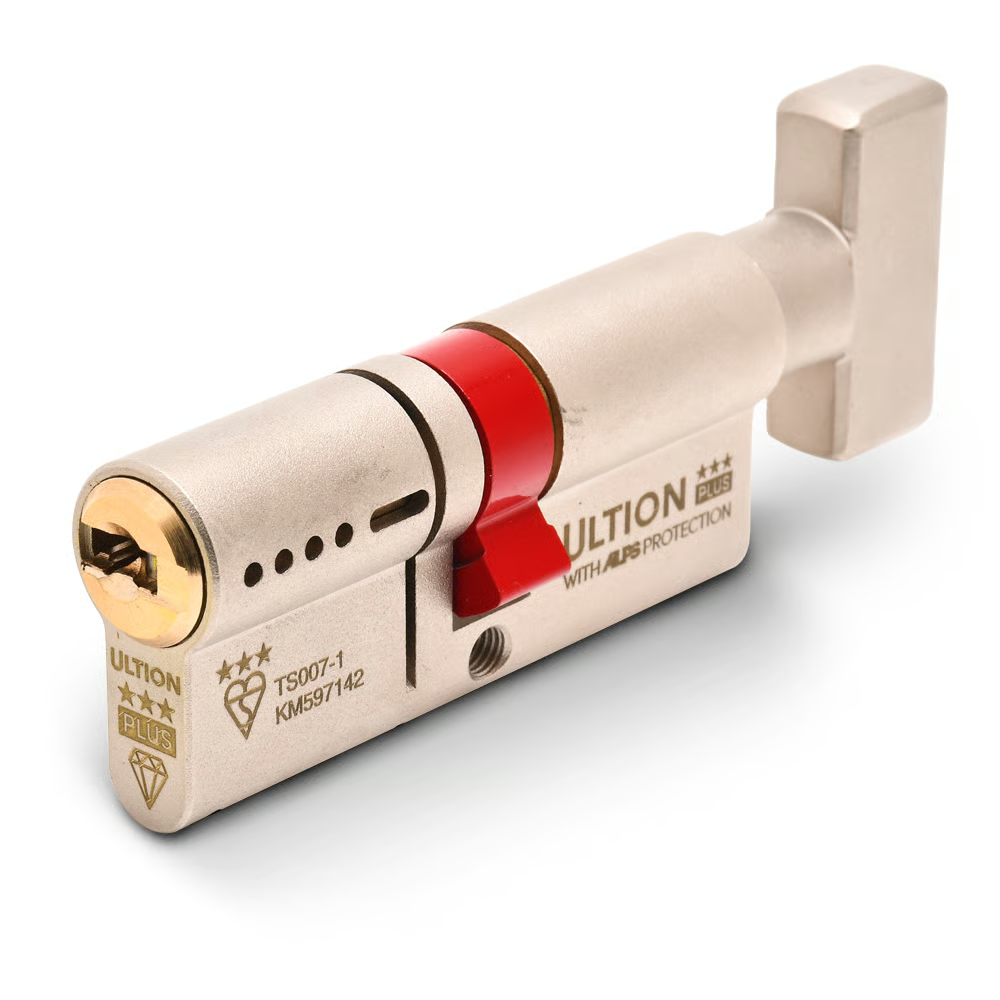
- Ultion Plus TS007 3* Kitemarked Euro Key & Turn Cylinder
- Top-Hung Window Hinge - Standard
Conclusion and next steps
Regular inspection, correct cleaning and the right lubricant will keep a night latch working reliably and prolong its life. For homeowners, carry out the simple checks every six months and address misalignment early. For trade professionals, document maintenance and use manufacturer parts to retain performance and certification. If you require replacement parts, technical advice or professional servicing, view our wider resources at /guides/door-locks or contact a qualified locksmith for a full service.

Related articles
How to Fit a Night Latch: Step-by-Step Installation Guide
How to Fit a Night Latch: Step-by-Step Installation Guide A night latch is a common surface-mounted lock fitted to the inside face of a front door; it lock...
How to Replace a Night Latch Lock: DIY Instructions
How to Replace a Night Latch Lock: DIY Instructions A night latch is a common surface-mounted lock found on many UK front doors; it offers easy exit from t...
Automatic vs Manual Night Latches: Which Type Do You Need?
Automatic vs Manual Night Latches: Which Type Do You Need? Choosing the right night latch for a front or back door is a common decision for UK homeowners a...