
Automatic vs Manual Night Latches: Which Type Do You Need?
Automatic vs Manual Night Latches: Which Type Do You Need? Choosing the right night latch for a front or back door is a common decision for UK homeowners a...
Automatic vs Manual Night Latches: Which Type Do You Need?
Choosing the right night latch for a front or back door is a common decision for UK homeowners and trade professionals. A night latch can provide quick, convenient locking and is often fitted as secondary security above a mortice deadlock; however not all night latches are the same. This article compares automatic and manual night latches, explains practical installation and maintenance considerations, and gives trade and DIY advice so you can decide which type suits a particular property and application.
What is a night latch?
A night latch is a rim-mounted lock that fits on the internal face of a door; the latch engages with a strike on the door frame when the door is closed. Typical features include a spring-loaded latchbolt, a turn or knob on the inside for quick egress, and a keyed cylinder on the outside. Night latches are available in standard (manual) and automatic versions; some models include a deadlocking function to resist manipulation.
Automatic night latch: how it works and where it suits
An automatic night latch locks itself as soon as the door shuts: the spring latch is pushed into the strike and the lock deadlocks without needing a key. Benefits include speed and convenience for busy households and businesses where locking from outside without a key is desirable; for example, couriers or staff closing up at the end of the day.
- Advantages:
- Immediate locking on door closure; no need to key-turn from outside.
- Reduces the risk of a door being inadvertently left unlocked.
- Good for short-term rentals, offices, or high-traffic situations.
- Disadvantages:
- Potential to lock occupants out if they forget keys; carry spares.
- Some automatic models can complicate emergency egress if not fitted with an internal release handle or thumbturn.
- Can be less suitable for doors with letterboxes or poor weather seals where repeated slamming occurs.
manual night latch: how it works and where it suits
A manual night latch requires the user to lock it with a key from the outside or by using a thumbturn from the inside. The latch remains spring-loaded so the door can be closed without locking until the key is used. This provides more control over when the door is locked.
- Advantages:
- Reduced risk of being locked out when moving between rooms or carrying items; the door can remain unlocked until deliberately secured.
- Better for family homes where occupants need immediate exit without unlocking.
- Often preferred where fire escape routes and building regulations require uninhibited internal egress.
- Disadvantages:
- More chance of the door being left unsecured by accident.
- Less convenient for high turnover doors or commercial sites that require automatic secure locking.
Security, standards and compatibility
For security and insurance compliance in the UK, consider how a night latch is used alongside other locks. A single night latch on a timber or composite front door is often not accepted by insurers as the sole means of security. Pair a night latch with a BS 3621 or equivalent 5-lever mortice deadlock for higher-rated protection. Look for models with a deadlocking feature to prevent the latch being slipped or manipulated.
Check compatibility with the door type: timber doors commonly accept rim night latches; many uPVC and aluminium doors use multipoint locks and may not be suitable for a rim-mounted night latch without structural alteration. Composite door manufacturers often supply specific night latch options; confirm with the manufacturer to avoid warranty issues.
Practical trade advice: specifications and installation tips
- Backset and projection: measure the door thickness and backset before ordering; night latches have standard backsets (e.g. 60mm, 70mm) and latch projections. Specifying the wrong size leads to poor engagement and accelerated wear.
- Strike plate: ensure the strike is reinforced and bedded into the frame. For new builds or heavy-use doors, fix the strike with long coach screws into a solid timber or reinforced packer.
- Fixing screws: use screws long enough to bite into the door stile; countersink and glue if necessary to avoid frame split.
- Weatherproofing: add a draught-excluding strip around the door if the latch causes the door to sit slightly off the frame; ensure the seal compression is uniform so the automatic latch can engage correctly.
- Fire escape: maintain an internal release method; many night latches have a knob or handle inside. Do not fit an automatic night latch where it could impede escape from an occupied room without a quick internal release.
- Test cycle: perform cyclic testing after installation: open and close 50 times to check reliable operation and alignment before handing over.
DIY guidance: what a competent homeowner can do
If you are comfortable with basic carpentry and drilling, fitting a night latch to a timber door is an achievable DIY task. Follow these steps and safety tips:
- Tools: centre punch, power drill, spade and wood-bit set, chisel, screwdriver, tape measure, spirit level.
- Preparation: mark the door height using existing handle height as a reference or at 1000mm above the floor for consistency. Check for wiring or reinforcements inside the door.
- Cut the recess: drill the cylinder and latch holes carefully using the template supplied by the manufacturer. Chisel out the escutcheon recess so the plate sits flush; accurate chiselling prevents twisting and wear.
- Strike installation: transfer the striker position to the frame and chisel a neat mortice for the strike plate. Reinforce with long screws and consider a metal strike box for added security.
- Finishing: check alignment, lubricate the latch with graphite or a silicone spray, and fit any escutcheon trims to weatherproof the installation.
If you are unsure about structural alterations, or if the door is steel or uPVC, call a professional installer. Incorrect fitting can compromise security and invalidate warranties or insurance.
Which should you choose?
Choose an automatic night latch if convenience and rapid secure closure are priorities: short-stay properties, commercial premises, or busy households. Choose a manual night latch if controlled locking and guaranteed unobstructed escape are more important: family homes, shared houses, and properties where occupants frequently move in and out carrying items.
Whichever type you select, prioritise models with a deadlocking function, check compatibility with the door material, and fit a separate mortice deadlock if insurance requires it. For trade professionals, always specify strike reinforcement and correct backset to reduce call-backs.
Recommended Products
Based on this article, you may find these products helpful:
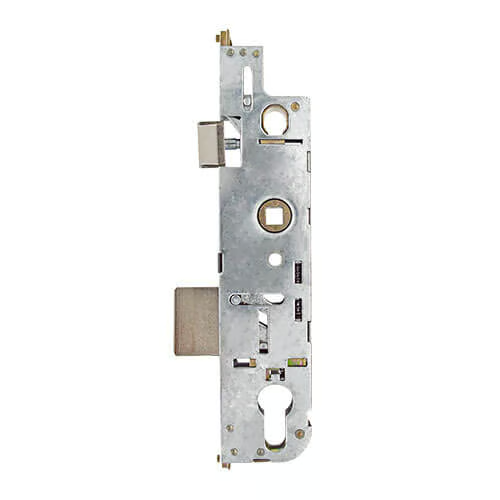
- Multipoint Gearbox GU Old Style
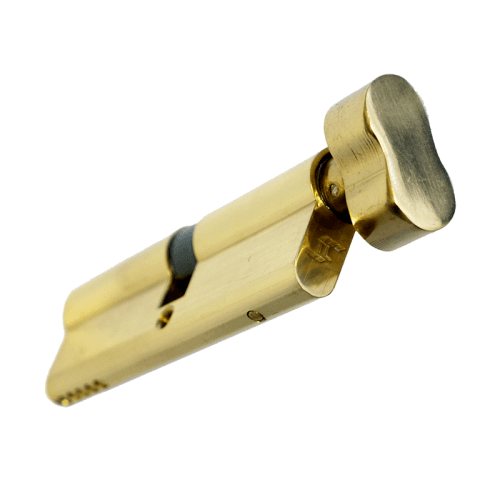
- TL Thumb Turn Euro Cylinder
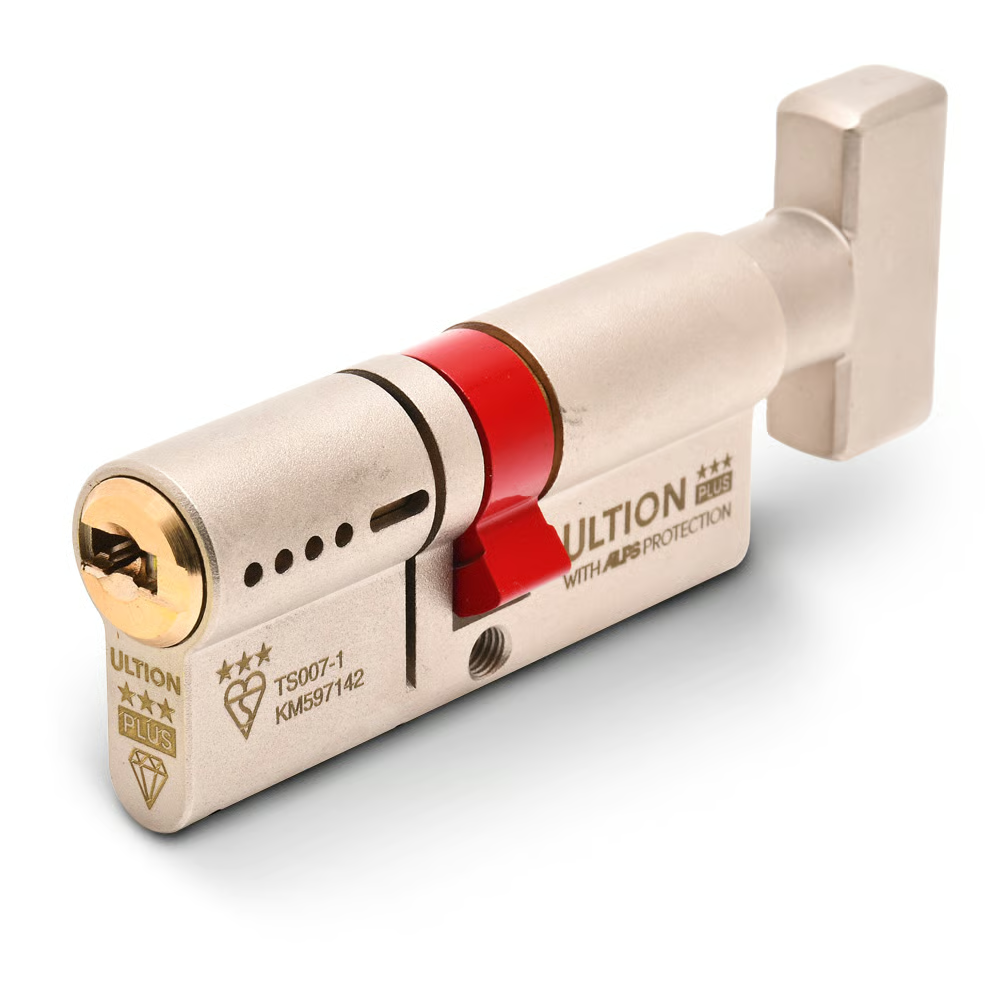
- Ultion Plus TS007 3* Kitemarked Euro Key & Turn Cylinder
- E-Type Gasket - Black 5m Roll
- E-Type Gasket - Black (Per Metre)
Conclusion and next steps
Both automatic and manual night latches have valid applications; the correct choice depends on usage patterns, door construction, fire escape needs and insurers requirements. Next steps: measure the door and frame, confirm whether the door is timber, composite, uPVC or metal, and review your insurance policy for lock specifications. For complicated installations or where guaranteed compliance is required, contact a reputable locksmith or installer for a site-specific recommendation and professional fitting.
Products mentioned in this article
Related articles
How to Fit a Night Latch: Step-by-Step Installation Guide
How to Fit a Night Latch: Step-by-Step Installation Guide A night latch is a common surface-mounted lock fitted to the inside face of a front door; it lock...
How to Replace a Night Latch Lock: DIY Instructions
How to Replace a Night Latch Lock: DIY Instructions A night latch is a common surface-mounted lock found on many UK front doors; it offers easy exit from t...
Night Latch vs Deadlock: Which Is Better for Your Door?
Night Latch vs Deadlock: Which Is Better for Your Door? Choosing the right lock affects both security and daily convenience; this article compares night la...