
Night Latch vs Deadlock: Which Is Better for Your Door?
Night Latch vs Deadlock: Which Is Better for Your Door? Choosing the right lock affects both security and daily convenience; this article compares night la...
Night Latch vs Deadlock: Which Is Better for Your Door? Choosing the right lock affects both security and daily convenience; this article compares night latches and deadlocks so you can make an informed choice for your property, whether you are a homeowner or a trade professional.
What is a night latch?
A night latch is a rim-mounted lock fitted to the surface of the door on the inside. The most common type is a single-cylinder night latch: the lock is operated by a key from the outside and by a knob or snib from the inside. Many night latches are auto-latching: the latch engages when the door is closed, providing quick locking without requiring a key each time. Some models include a deadlocking plunger to reduce the risk of the latch being slipped or manipulated from outside.
- Typical uses: front and back doors where convenience is important.
- Variants: standard rim night latch, deadlocking night latch, and double-cylinder night latch (requires a key both sides).
- Advantages: easy to use, quick to secure, suitable as a secondary lock.
What is a deadlock?
Deadlocks are usually mortice-mounted locks that extend a hardened deadbolt into the doorframe. A true deadlock cannot be operated by a spring or handle; it requires a key or thumbturn to move the bolt. In the UK, the 5-lever mortice deadlock to BS3621 is a recognised standard for wooden external doors and is often required by insurers. There are also rim deadlocks and surface-mounted variants, but the key feature is a bolt that resists being forced back through spring action.
- Typical uses: external doors where high security is required; commonly used by trade professionals on timber doors.
- Advantages: higher resistance to forced entry, meets insurance standards when certified.
Security comparison: night latch vs deadlock
Which is more secure depends on the lock specification and the door construction; however, general comparisons are useful for decision-making:
- Security level: A good quality mortice deadlock, especially a 5-lever BS3621 unit, usually provides greater resistance to forced entry than a basic night latch. Night latches provide convenience but can be vulnerable to fishing or manipulation unless deadlocking models are used.
- Attack resistance: Deadlocks present a solid bolt that resists kicking and prising; night latches rely on a spring latch which is inherently weaker unless the night latch also features a deadlocking mechanism and is combined with reinforced strike plates.
- Escape and safety: Night latches allow fast escape from inside without a key; double-cylinder locks or deadlocks with internal key operation can impede escape during a fire and should be considered carefully in occupied properties.
- Insurance: Many insurers require BS3621-compliant deadlocks on external wooden doors; for UPVC or composite doors, multipoint locking systems are commonly accepted. Check your policy before replacing locks.
Which lock suits which door?
Selecting a lock depends on door material, occupant needs and insurance requirements. Practical recommendations:
- Timber front doors: Fit a 5-lever mortice deadlock to meet many insurance conditions; a night latch can be used as a secondary convenience lock but do not rely on it as the sole security device.
- UPVC and composite doors: These typically use multipoint locks with euro cylinders; a night latch is often unnecessary and may not integrate with multipoint systems. If you want a separate latch, ensure compatibility and that any cylinder is anti-snap rated.
- Back or side doors: Use a robust deadlock or a multipoint for higher-risk doors; a night latch alone is only acceptable as additional convenience on doors with another secure locking method.
- Trade properties and rental units: Prioritise locks that meet standards and are easily replaced; consider keyed-alike systems for managing multiple properties.
Installation and DIY guidance
Whether you are a DIYer or a locksmith, correct installation is crucial. Practical tips:
- Measure first: Check door thickness, backset and the depth of the frame before ordering a deadlock or night latch. Standard mortice locks require a deeper cut than rim night latches.
- Templates and tools: Use manufacturer templates for mortice cutting; a plunge router speeds up mortice work and gives a cleaner result for trade installations.
- Reinforce the frame: Fit a heavy-duty strike plate and use long screws into the frame timber or reinforcing plate for added resistance to kicking.
- Cylinder security: For euro cylinders use anti-snap, anti-drill and anti-bump rated cylinders; keep cylinder projection to a minimum to reduce vulnerability.
- Fire escape: Avoid locks that require a key to exit from the inside in homes; double-cylinder night latches are not recommended on occupied properties because they can impede escape.
- Professional installation: If fitting a BS3621 deadlock, confirm correct alignment and test bolt throw; for complex doors such as composite units, use a specialist to prevent damage and preserve manufacturers’ warranties.
Maintenance and compliance
Routine checks extend the life of your locks and maintain security:
- Lubrication: Use dry graphite or PTFE sprays rather than oil-based lubricants which attract dust.
- Check fixings: Tighten screws regularly and inspect strike plates after any forced-entry attempt.
- Insurance and regulations: Confirm your insurer’s lock requirements and, where relevant, document replacements with receipts and certification. For rented properties comply with any landlord safety obligations relating to escape and fire safety.
Recommended Products
Based on this article, you may find these products helpful:
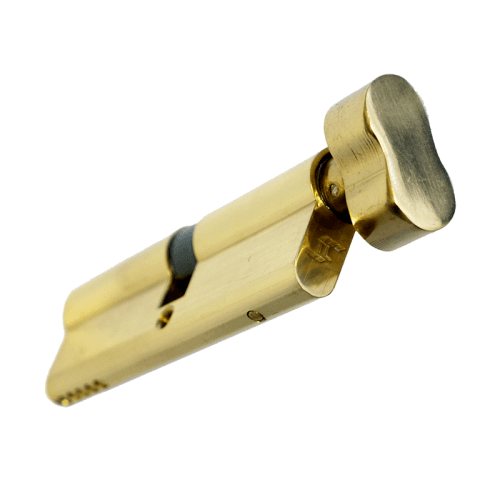
- TL Thumb Turn Euro Cylinder
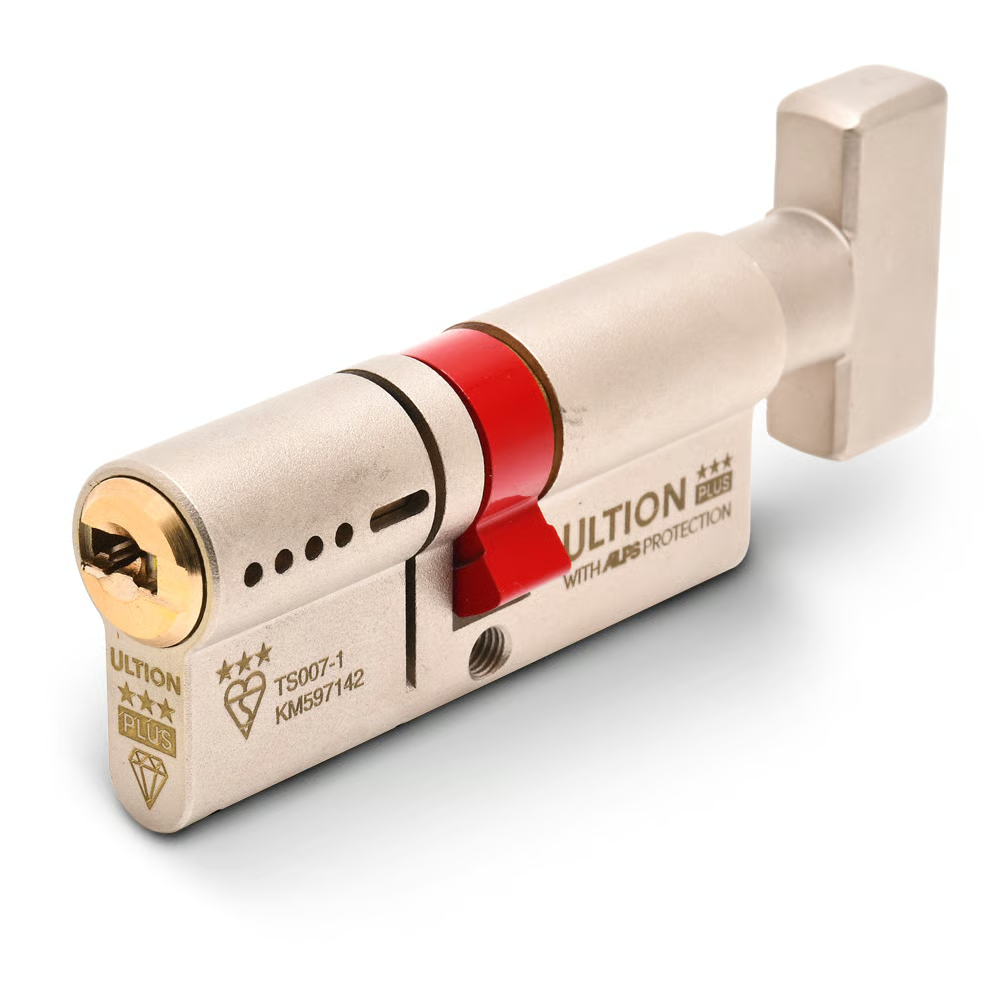
- Ultion Plus TS007 3* Kitemarked Euro Key & Turn Cylinder
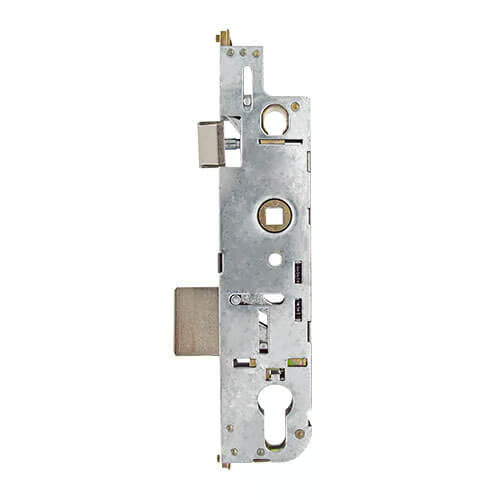
- Multipoint Gearbox GU Old Style
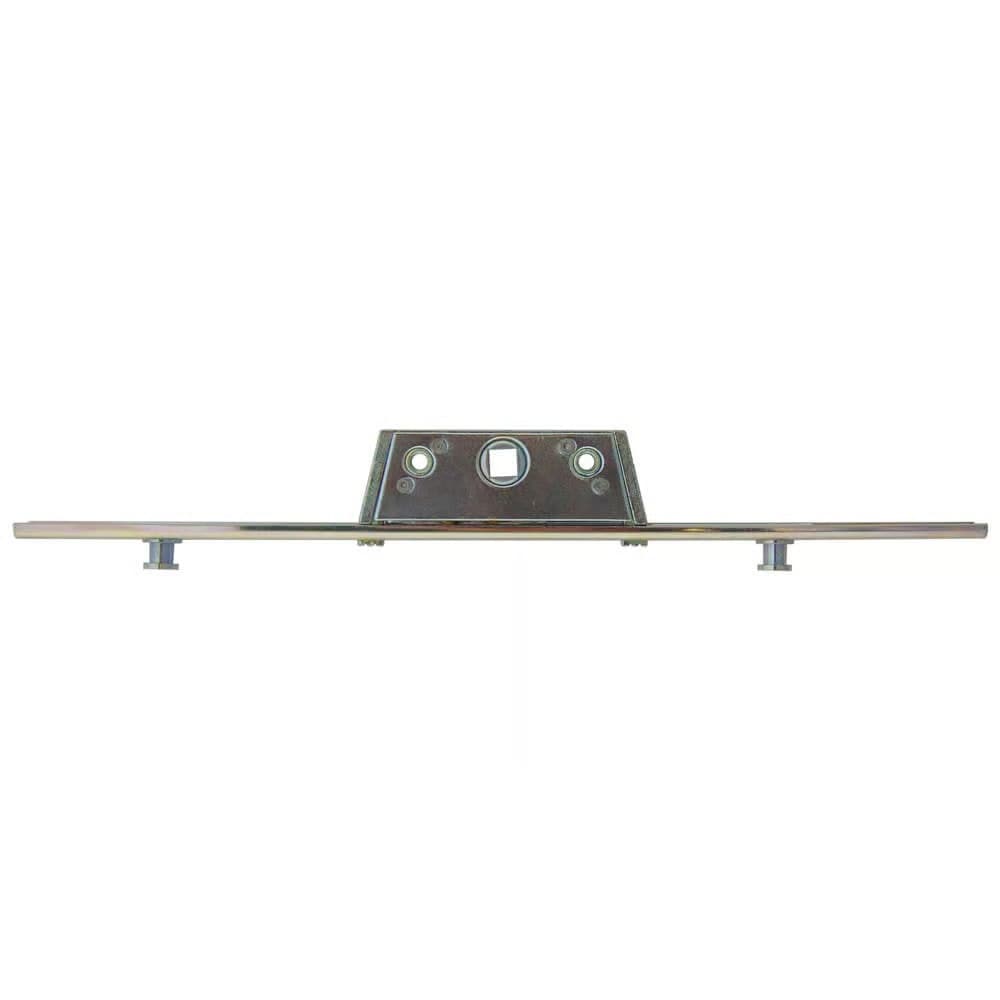
- In-Line Window Mechanism
- Offset Window Mechanism
Conclusion: next steps
For maximum security on a timber front door choose a certified mortice deadlock such as a 5-lever BS3621 unit; use a night latch for convenience only as a secondary lock. For UPVC and composite doors rely on the manufacturer’s multipoint lock and fit an anti-snap cylinder where applicable. For trade professionals ensure correct templates, reinforced strike plates and compliance with insurance standards; for DIYers measure carefully, consider calling a specialist for mortice work and avoid locks that prevent internal escape.
Next steps: review your current locks, check your home insurance requirements and, if you need technical specifications or fitting templates, visit our door lock resources at /guides/door-locks or contact our trade support team for product recommendations and installation advice.

Related articles
How to Fit a Night Latch: Step-by-Step Installation Guide
How to Fit a Night Latch: Step-by-Step Installation Guide A night latch is a common surface-mounted lock fitted to the inside face of a front door; it lock...
How to Replace a Night Latch Lock: DIY Instructions
How to Replace a Night Latch Lock: DIY Instructions A night latch is a common surface-mounted lock found on many UK front doors; it offers easy exit from t...
Automatic vs Manual Night Latches: Which Type Do You Need?
Automatic vs Manual Night Latches: Which Type Do You Need? Choosing the right night latch for a front or back door is a common decision for UK homeowners a...