Parliament Hinges for Thick Doors and Frames
Parliament Hinges for Thick Doors and Frames What is a parliament hinge? A parliament hinge is a type of wide-throw hinge designed so the door clears the f...
Parliament Hinges for Thick Doors and Frames
What is a parliament hinge?
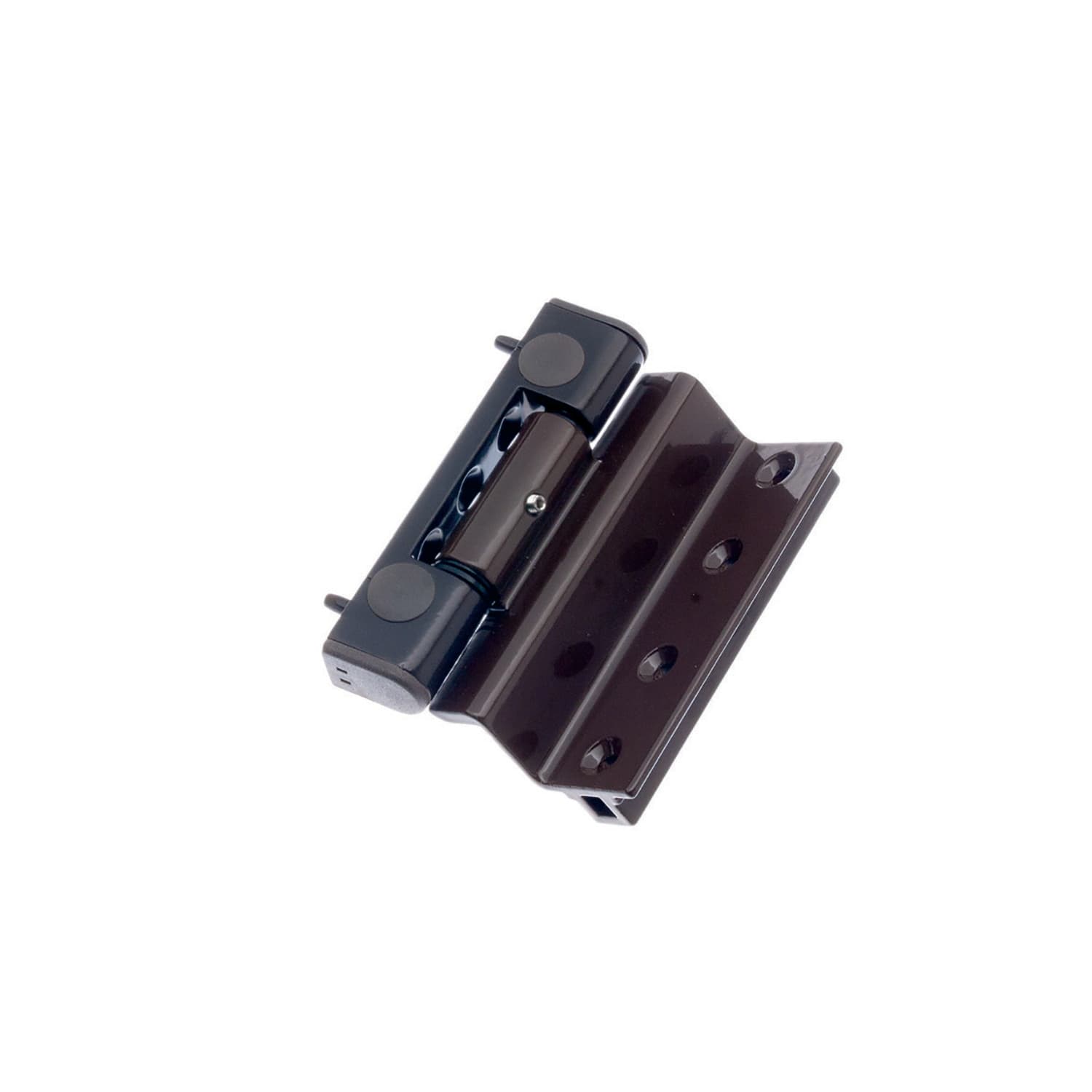
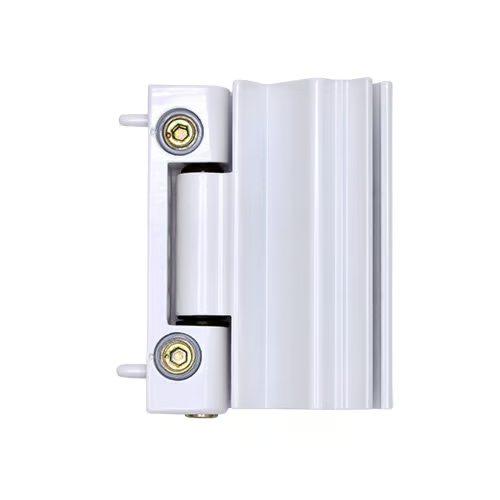
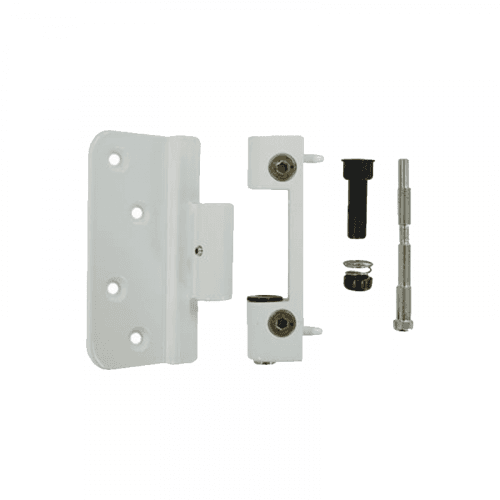
A parliament hinge is a type of wide-throw hinge designed so the door clears the frame, architrave or any surface-mounted moulding when opened. The hinge leaves are set well away from the door and frame because the knuckle is offset; that extra projection allows the door to swing fully clear and sit parallel to the wall or to open wider than a standard butt hinge would allow. Parliament hinges are available as morticed, surface-mounted and lift-off versions and suit internal and external applications when space around the frame is restricted.
Why choose a parliament hinge for thick doors and frames?
Thick doors and substantial frames present two common problems: the door edge can foul the architrave when opening, and heavy doors put extra stress on hinge fixings. A parliament hinge solves the first issue by providing the required clearance; it solves the second when specified as a heavy-duty or ball-bearing variant because these are built to carry higher loads and resist wear. Typical use cases include thick solid timber entrance doors, double doors with a meeting stiles, and doors fitted with applied panelling or mouldings.
Selecting the right parliament hinge: trade considerations
- Door weight and number of hinges: For doors up to 40kg you can often use two heavy-duty hinges; for heavier doors use three hinges. As a rule fit three hinges for doors taller than 2100mm or heavier than 40kg. Each hinge will carry a proportion of the load; check manufacturer load ratings.
- Material and finish: For external doors or coastal locations choose stainless steel grade 304 or 316 for enhanced corrosion resistance. For internal matching aesthetics choose polished brass, satin chrome, or black powder-coated finishes.
- Throw and leaf size: Ensure the hinge throw provides the clearance you need. Measure the architrave projection and door thickness; pick a leaf width that allows sufficient screw engagement into both door and frame (typically leaf widths of 75–100mm for thicker doors).
- Ball-bearing vs plain knuckle: Ball-bearing parliament hinges reduce friction and wear; they are recommended for heavy or frequently used doors because they stay smoother for longer.
- Security features: If the hinge pin is exposed to the outside, specify non-removable pins or security studs to prevent pin removal. Consider hinge bolts or additional security fixings for heavy doors.
- Compliance: For fire doors and other regulated installations use certified hinges listed to the appropriate fire performance and building regulations; standard parliament hinges are not always suitable for fire doors.
Practical installation advice for tradespeople and DIYers
Fitting a parliament hinge to a thick door and frame requires accurate marking and solid fixings. Follow these steps for a reliable installation:
- Mark hinge positions: Common positions are 150mm from the top and bottom edges, with the third hinge centred between them if required. For very tall doors adjust positions to align with structural rails.
- Prepare the mortices: Mortice the frame and door to the depth of the hinge leaf so both leaves sit flush. For thicker doors you may need a deeper mortice or back-to-back rebates; use a router, plunge router or hand chisel and gauge for precision.
- Check reveal and swing: Before fixing, temporarily fit the hinges with a couple of screws and test the swing; check that the door clears architrave and any fixed panelling or casings. Use packers behind the hinge leaf if necessary to angle the door correctly.
- Use the right fixings: For timber frames use long screws that penetrate into the frame timber or a noggin; 60–75mm long countersunk wood screws are common. For metal frames use self-tapping or associated frame fixings. Pre-drill pilot holes to prevent splitting, especially near the edges of thick doors.
- Torque and sequence: Fit screws progressively and alternately; do not fully tighten one screw before others are in place. This helps the hinge sit flush and reduces distortion in the mortice.
- Adjust and test: Once fully fixed, open and close the door through its full range. For ball-bearing hinges lubricate as per manufacturer instructions and retighten screws after a short period of use because timber can settle.
Special situations: frames with architrave, applied beads and double doors
Where architrave or applied mouldings prevent the door from opening fully, parliament hinges are particularly useful. For thick architrave you might need an extended parliament hinge or a stop-recessed architrave. On double doors with meeting stiles, fit parliament hinges to the active leaf where full clearance is necessary, and consider rebating the meeting stiles if an ultra-tight seal is required. If the frame is shallow, use packers or a wider leaf hinge so screws achieve full purchase.
Common mistakes and how to avoid them
- Undersized screws: Using short screws in thick doors and frames reduces holding power; choose screws long enough to penetrate the framing timber or noggin.
- Incorrect mortice depth: If the mortice is too shallow the hinge leaf will sit proud and affect closing; too deep and the hinge loses full screw engagement. Use a depth gauge and test-fit first.
- Ignoring weight distribution: Heavy doors need appropriate spacing and a third hinge; rely on manufacturer load tables rather than guesswork.
- Using non-fire rated hardware on fire doors: For fire doors always use certified hinges and accessories to maintain the door's rating.
Where to find more detailed hinge information
For comparisons between hinge types, load ratings and full technical specifications consult our pillar page on door hinges: /guides/door-hinges. That page includes practical charts and manufacturer advice for selecting the correct hinge for your application.
Recommended Products
Based on this article, you may find these products helpful:
- Flag Door Hinge - Stainless Steel
- Adjustable Flag Hinge - 100mm
- ERA Challenger 3D Rebated Hinge
- Challenger Door Hinge
- UAP Adjustable Hinge for Composite Doors
Conclusion and next steps
Parliament hinges are a robust and practical solution when fitting thick doors or dealing with bulky architrave; they provide the clearance that standard hinges cannot. For tradespeople, specify ball-bearing and heavy-duty variants, use long screws and provide a third hinge on heavier doors. For DIYers, measure carefully, mortice accurately and test with temporary fixings before committing fully. If you are fitting a fire door or an external entrance subject to weather and security requirements, consult product certifications and consider stainless steel or specialist security hinges.
Next steps: measure your door and frame, choose a parliament hinge rated for the door weight and intended use, and review the related technical pages at /guides/door-hinges. If you need specific product recommendations, contact our trade team with door dimensions, weight and location and we will advise on suitable models and finishes.