
Professional Draught Sealing vs DIY: When to Call in the Experts
Professional Draught Sealing vs DIY: When to Call in the Experts Deciding between a DIY draught seal job and hiring a professional can save time, money and...
Professional Draught Sealing vs DIY: When to Call in the Experts
Deciding between a DIY draught seal job and hiring a professional can save time, money and energy in the long term. This article explains the typical draught problems on windows and doors, the right types of seals, practical DIY steps and the situations when you should call a trade specialist. It is aimed at UK homeowners and trade professionals and references further technical material on our pillar page: /guides/gaskets-seals.
Common causes of draughts: what to look for
Not all cold air ingress is caused by a failed gasket. Inspect carefully before buying materials or attempting a fix:
- Perimeter gaps between frame and sash or leaf: worn or missing compression seals cause steady airflow around the edge.
- Worn pile or brush seals: these are common on sliding doors and sash windows where friction is expected.
- Broken or perished tubular seals and bubbles: often made from EPDM or silicone and degrade with age or UV exposure.
- Ill-fitting thresholds and gaps under doors: sometimes caused by building settlement or worn hinges.
- Failed sealed glazing units: condensation between panes is a sign of seal failure in an IGU; this affects thermal performance but not always direct draughting.
- Missing or inadequate ventilation: sealing everything without considering trickle vents or combustion-air requirements can create other problems.
Types of draught seal and when to use them
Choose the correct profile and material for a long-lasting repair. Common options include:
- Compression seals: PVC or TPE profiles that compress to form a tight seal for casement windows and doors.
- Pile and brush seals: good for sliding elements and sash windows; they allow smooth movement while blocking airflow.
- Tubular gaskets: often silicone or EPDM; they provide a robust seal on heavier doors and commercial applications.
- Adhesive foam: quick for irregular gaps and temporary fixes; non-load bearing and less durable than extruded gaskets.
- Thresholds and door bottoms: aluminium carriers with insert seals or automatic drop seals for large gaps under doors.
- Fire and acoustic seals: specialised, certified products required for fire doors and soundproofing; installation must comply with certification.
Practical DIY guidance: the right way to fit a draught seal
If the job is straightforward, a homeowner or competent DIYer can fit a draught seal with good results. Follow these steps:
- Diagnose: use a candle or smoke pencil to find the exact draught sources; check both day and night as wind direction can change behaviour.
- Measure accurately: measure rebate widths, compression clearance and travel distance for moving parts. Allow for 2 to 3 mm compression on most seals unless manufacturer specifies otherwise.
- Remove old material: old adhesive, pile or gaskets often remain sticky; remove fully and clean surfaces with an alcohol-based cleaner to improve adhesion.
- Choose compatible adhesive: for EPDM and rubber seals use an adhesive specified by the seal manufacturer; do not use solvent-based adhesives on uPVC as they can cause damage.
- Mitre corners and joints neatly: for pile and tubular seals, mitre or overlap joints carefully; use a small amount of silicone lubricant to ease insertion if required.
- Test operation: after fitting, open and close the window or door multiple times to ensure the seal does not impede locking or operation; adjust hinge or keepers if required.
- Mind ventilation and safety: never seal combustion appliance vents; maintain trickle vents or replace with adjustable vents where necessary to comply with Building Regulations.
When to call in the experts
Certain jobs should be left to experienced fabricators or installers. Call in a specialist when any of the following apply:
- Fire doors or certified acoustic doors: these require approved seals and certified installation to retain ratings.
- Large commercial doors, aluminium curtain walling or unusual profiles: specialist tooling and carrier systems are often needed to fit seals correctly.
- Failed sealed glazing units with condensation between panes: this implies defective IGUs; replacing units or converting to secondary glazing is a trade job.
- Historic or listed windows and doors: works often need sympathetic materials and reversible methods; specialists can advise on conservation-approved seals.
- Extensive structural movement or rot: if frames are distorted or subject to movement you need a survey and repair, not just a new draught seal.
- Persistent leaking around thresholds or complex drainage issues: poor sill detail or failed weather bars often require a joinery or specialist draughtproofing contractor.
Trade tips for professional installers
For trade professionals, attention to small details separates a good fit from a return visit:
- Stock common profiles and sample strips for site trials; carry small sections for on-site compression tests.
- Check material specifications: EPDM and silicone have different temperature ranges and UV resistance; choose accordingly.
- Use proper carriers and fixings on aluminium frames; pushing adhesive-only seals into high-traffic doors leads to early failure.
- Record door and window tolerances: note sag, twist and movement to recommend corrective joinery when necessary.
- Offer maintenance advice: lubricants, inspection intervals and when to replace seals prolong the life of the installation.
Cost versus benefit: what to expect
Simple DIY draught sealing can pay for itself quickly through lower energy bills. However, if the seal fails repeatedly or masks deeper problems such as rot or failed glazing units, the total cost will be higher. Professional work costs more up front but provides a durable solution, warranty and compliance where required.
Recommended Products
Based on this article, you may find these products helpful:
- E-Type Gasket - Black 5m Roll
- E-Type Gasket - Black (Per Metre)
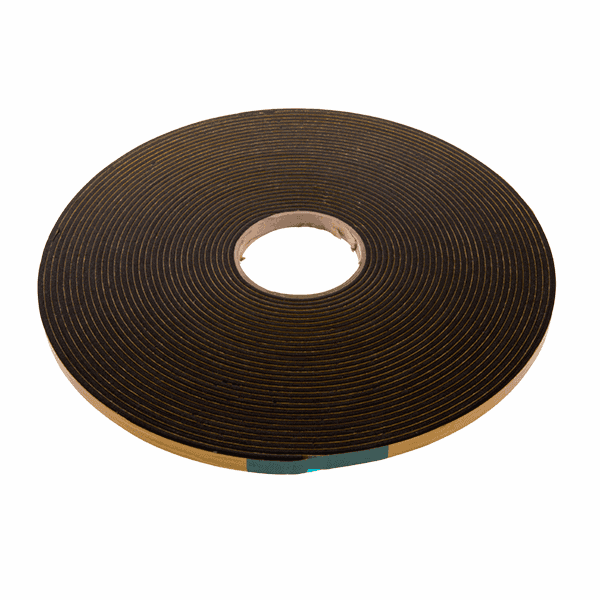
- Structural Glazing Tape - 20mm
- Security Glazing Tape
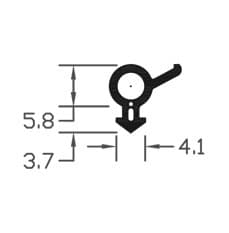
- B003 Bubble Gasket
Conclusion and next steps
For straightforward perimeter gaps and worn pile, a well-chosen draught seal fitted correctly is an achievable DIY job. Call in specialists for fire-rated doors, listed buildings, failed IGUs or extensive structural issues. To proceed: inspect and document the problem, consult our gaskets and seals guide for product selection, and contact a qualified installer for complex or regulated work. If you need product suggestions or a visit from one of our trade partners, contact Window Hardware Store for professional advice and trade pricing.
Products mentioned in this article
Related articles
Draught Seal Types Compared: Foam, Rubber, Brush, and Compression
Draught Seal Types Compared: Foam, Rubber, Brush, and Compression Draught seal selection matters for energy efficiency, comfort, and the longevity of windo...
How to Prepare Surfaces for Draught Seal Installation: Getting Adhesion Right
How to Prepare Surfaces for Draught Seal Installation: Getting Adhesion Right Proper surface preparation is the single most important factor for long-lasti...
How to Fit Draught Seals Around Windows: Complete Installation Guide
How to Fit Draught Seals Around Windows: Complete Installation Guide Fitting a draught seal is one of the most cost-effective ways to reduce heat loss, eli...