
Sealing a Cat Flap in a uPVC Door: Preventing Water Ingress
Sealing a cat flap in a uPVC door: preventing water ingress is an important task for both homeowners and tradespeople. A poorly sealed pet flap can allow r...
Sealing a cat flap in a uPVC door: preventing water ingress is an important task for both homeowners and tradespeople. A poorly sealed pet flap can allow rainwater, wind-driven spray and condensation to enter the door cavity or property; it can also cause staining, swelling of internal linings and accelerate corrosion of fixings. This post explains practical steps, materials and trade tips for achieving a weatherproof installation that respects uPVC manufacture details and drainage paths.
Why water gets in around a cat flap for uPVC door
Many uPVC doors are designed with integral drainage channels and weather seals. Cutting a hole for a cat flap interrupts those systems and creates new interfaces between the flap frame and the door panel. Common causes of ingress include:
- Gaps between the flap frame and door leaf left unsealed or filled with compressible foam only.
- Blockage of internal drainage channels when trimming or routing the flap aperture.
- Use of hard-setting fillers that crack with thermal movement.
- Corroded or undersized fixings that allow water to track through screw holes.
Tools and materials you will need
Prepare these items before starting: a clean, dry work area increases the chance of a first-time successful seal.
- Cat flap suitable for uPVC door: choose purpose-made units with peripheral gaskets and an outer trim; follow the manufacturer's template.
- Neutral-cure exterior-grade silicone or MS polymer sealant: these are compatible with uPVC and remain flexible. Avoid acetoxy cure silicone on certain metal trims.
- Closed-cell EPDM foam tape or polyurethane foam gasket: for compressible sealing under the frame where required.
- Backer rod for larger gaps (5mm and above) to control sealant depth.
- Stainless steel screws of correct length and corrosion resistance; where supplied, use manufacturer fasteners or equivalent A2 stainless.
- Masking tape, isopropyl alcohol or proprietary uPVC cleaner, a sealant gun, utility knife, and a router or jigsaw with fine-tooth blades.
- Small flat chisel or scraper and a container for waste; a drill with countersink to match screw heads.
Step-by-step sealing process
Follow these steps for a durable, weatherproof result. Tradespeople should adapt dimensions to site conditions and product instructions.
- Mark and cut the aperture accurately: use the manufacturer's template. For a uPVC panel, cut slowly with a fine blade to avoid chipping. If the flap is fitted into a glazed panel, avoid disturbing glazing beads or seals.
- Inspect internal structure: remove any burrs and check for hidden drainage channels. Do not block weep or drainage paths that run along the bottom or inside the door leaf; these allow any trapped water to escape.
- Dry-fit the flap frame and check alignment; the frame should sit neatly without forcing. If the gap under the frame is over 5mm, insert backer rod; for 1–5mm gaps use closed-cell EPDM foam tape of appropriate thickness so the flap sits on a compressible gasket.
- Prepare surfaces: abrade glossy uPVC slightly if necessary and clean with isopropyl alcohol; allow to dry. Do not use primers unless indicated by the sealant manufacturer.
- Apply sealant: run a continuous bead of neutral-cure silicone or MS polymer around the perimeter on the external face where the flap frame meets the door. Use masking tape to achieve neat edges and tool the bead into a smooth fillet. Ensure the sealant fills the interface but does not intrude into the flap mechanism or hinge line.
- Screw the frame down using stainless steel screws; pre-drill and countersink to match the screw heads so they sit flush and compress the gasket evenly. Seal screw recesses with a dab of sealant to prevent water tracking down the shank.
- Internal trim: apply a neat bead of sealant between internal trim and door face to prevent wind-driven rain from being drawn between door leaf skins. Avoid sealing internal cavities closed where manufacturer instructions specify breathing or drainage.
- Allow cure time as specified by the sealant: avoid exposing the area to driving rain until the sealant is skin cured. Clean off excess sealant before it cures for best finish.
Trade tips and common pitfalls
Small details often determine whether a seal lasts the life of the door.
- Respect drainage channels: if the door has a drainage tray or cavities, position the flap so that any water is led away externally; if needed, create a small weep hole at the lowest point of the internal tray, using the cat flap manufacturer’s guidance.
- Use flexible, low-modulus sealants: uPVC and metal expand at different rates; a rigid filler will crack. Neutral cure materials avoid staining and provide long-term elasticity.
- Protect screw heads: use stainless steel or coated fastenings; an electrolytic reaction between dissimilar metals can accelerate corrosion and cause staining.
- Don’t overcompress gaskets: compressible foam should seal without being squashed flat. Excessive compression can lead to permanent deformation and loss of weatherproofing.
- Consider external flashing for exposed doors: a slim aluminium drip profile or self-adhesive flashing over the top edge of the flap can divert rainwater and reduce wear on the sealant bead.
External finishing and maintenance
After installation, periodic checks and simple maintenance extend life and performance.
- Inspect the perimeter every 6–12 months for splits, mould growth or shrinkage of sealant. Replace failing sealant early to prevent substrate damage.
- Clear debris from any drainage paths around the flap; leaves and paint splashes can block weep holes.
- Lubricate moving parts of the flap and check fixings are tight; thermal cycling can loosen screws over time.
- If you notice persistent damp staining inside the door skin, remove the flap and inspect for blocked cavities or incorrectly routed drainage; this is best handled by a trade with experience in door hardware.
Recommended Products
Based on this article, you may find these products helpful:
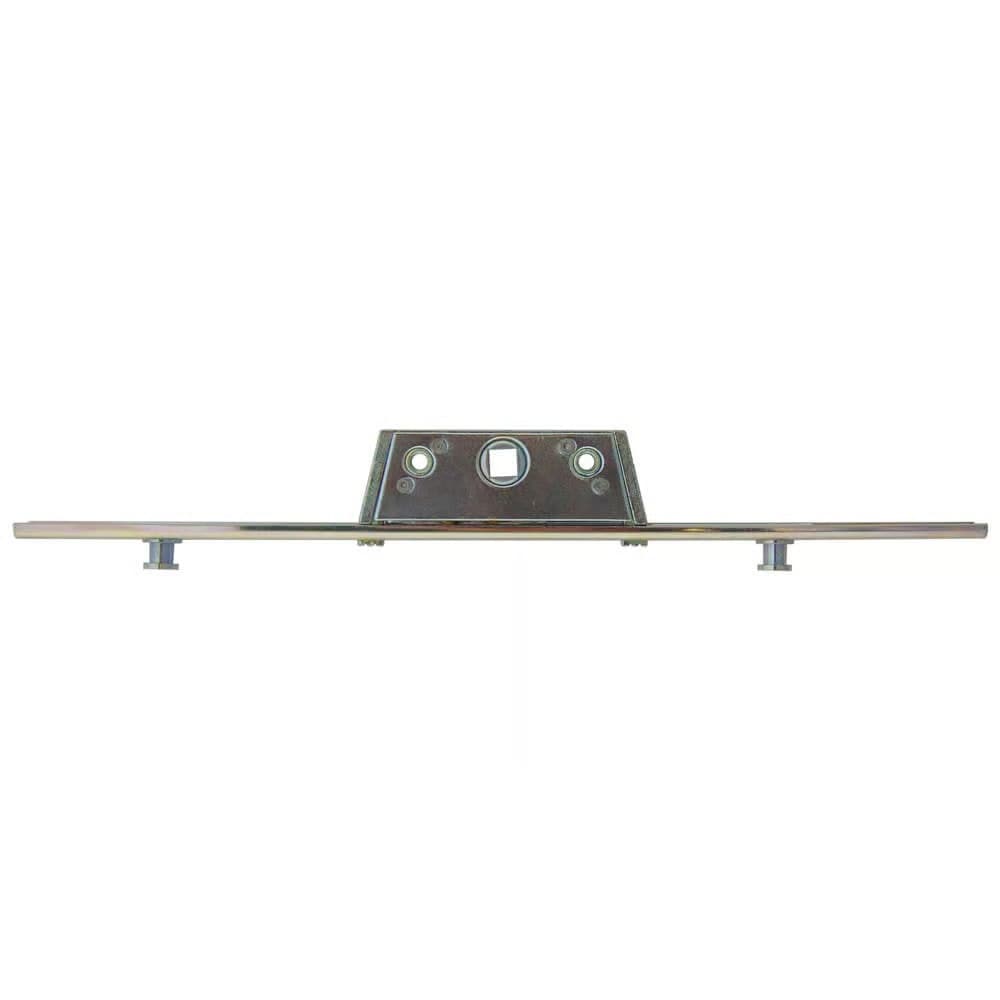
- In-Line Window Mechanism
- Offset Window Mechanism
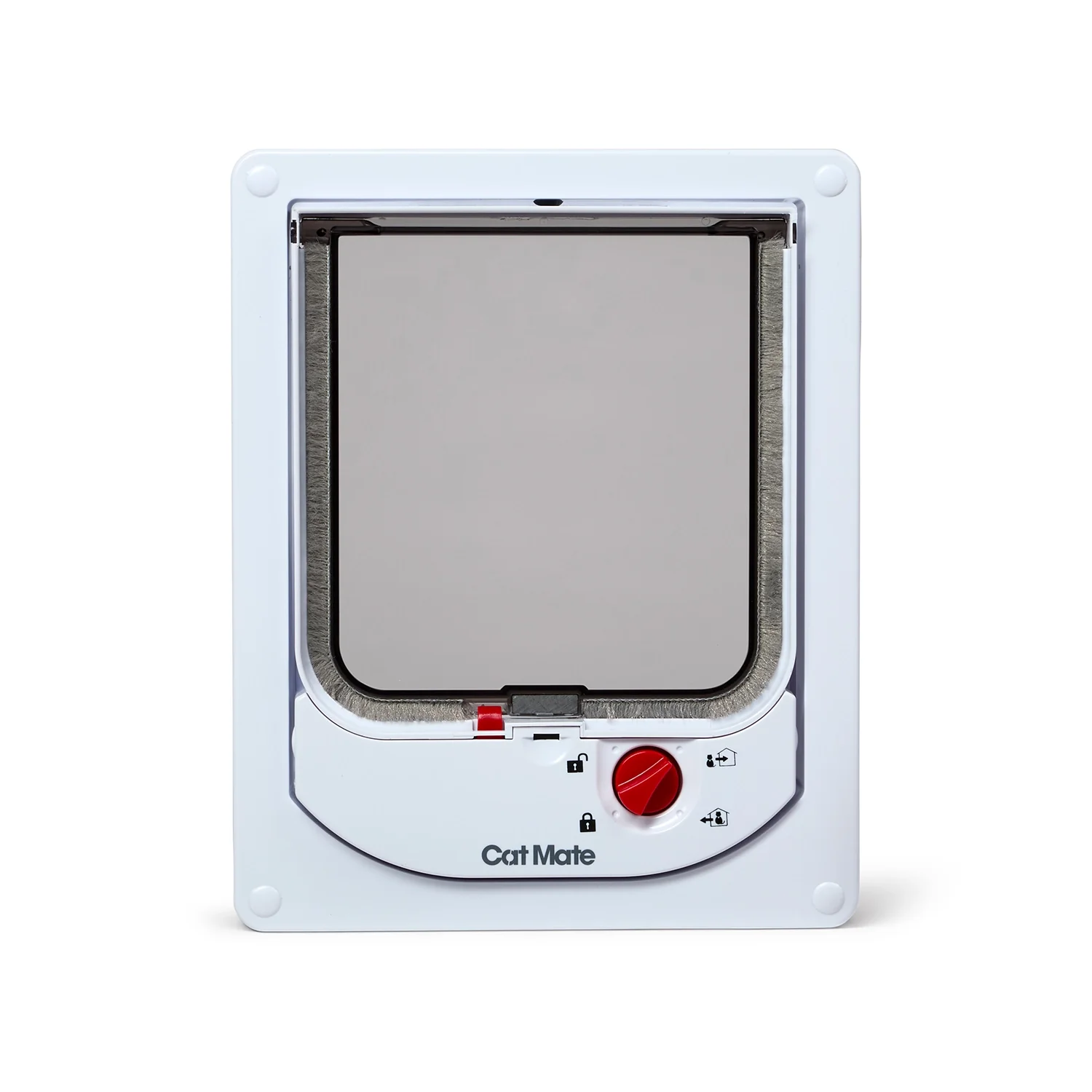
- Cat Mate Electromagnetic Cat Flap
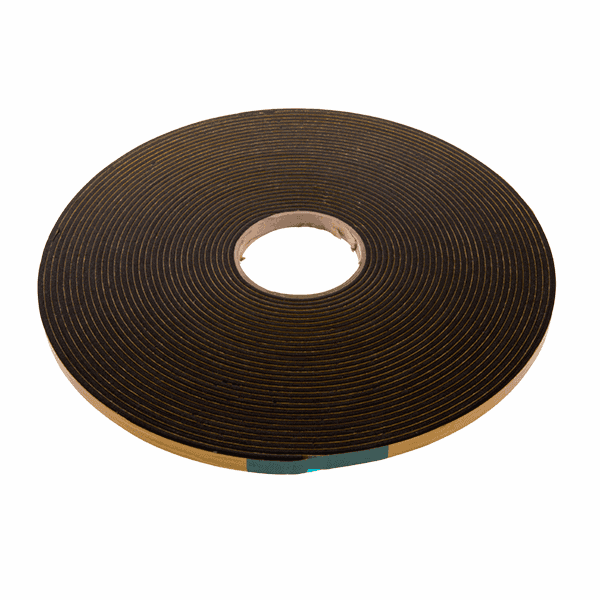
- Structural Glazing Tape - 20mm
- Security Glazing Tape
Conclusion and next steps
Sealing a cat flap for a uPVC door requires attention to detail: respect manufacturer templates, maintain drainage paths, use compatible flexible sealants and stainless fixings, and provide a compressible gasket interface. For DIYers, plan carefully and allow adequate cure time. For trade professionals, document the repair or upgrade and advise clients on future maintenance.
To compare cat flap products and read more about pet-flap options for different door types, see our pillar page: /guides/pet-flaps. If you need further technical advice on a specific door construction or product compatibility, contact our trade support team with the door and flap model details.

Related articles
Rented Property Cat Flap Options: What Landlords Need to Know
Rented Property Cat Flap Options: What Landlords Need to Know Installing a cat flap in a rented property can improve tenant satisfaction but it raises ques...
Replacing uPVC Door Panels with Cat Flap Panels: A Cleaner Solution
Replacing a uPVC door panel with a purpose-made cat flap panel is a practical way to give pets easier access while keeping the rest of the door intact. Whe...
Dog Flap Insulation: Preventing Heat Loss Through Larger Pet Doors
Dog Flap Insulation: Preventing Heat Loss Through Larger Pet Doors Large dog flaps are convenient for owners and pets, but they create a significant therma...