
Smart Microchip Cat Flaps with App Control: Features Worth Paying For
Smart Microchip Cat Flaps with App Control: Features Worth Paying For A microchip cat flap gives selective access to your property for known pets while kee...
Smart Microchip Cat Flaps with App Control: Features Worth Paying For
A microchip cat flap gives selective access to your property for known pets while keeping out strays and wildlife. When paired with app control, these devices offer convenience for homeowners and valuable features for trade professionals specifying or fitting them. This article covers the features that justify extra spend, plus practical trade advice and DIY guidance for successful installation in UK homes.
Why choose a microchip cat flap with app control
Microchip cat flap systems read a cat's implanted ISO microchip or compatible collar tag; they only unlock for recognised IDs. App-controlled models add remote management, activity logs, scheduling and secure alerts. The main benefits are: precision access control; the ability to manage multiple pets; and remote monitoring of behaviour or entry activity through an app. For many clients, these benefits justify higher initial cost compared with a basic mechanical flap.
Key app features worth paying for
When advising customers or selecting a system for installation, prioritise these app features:
- Reliable pairing with microchip IDs: look for systems that support ISO 11784/11785 15-digit chips and can store multiple IDs; the app should allow easy editing and deletion of IDs.
- Remote lock/unlock and scheduling: useful for temporarily preventing access during pest-proofing or when guests visit; scheduling also helps control night-time activity.
- Activity logs and notifications: push notifications and a timestamped log help owners monitor returns and spot behaviour changes indicative of illness.
- Battery level and maintenance alerts: battery warnings in the app prevent lockouts; for mains-powered units, status reporting is useful for fault diagnosis.
- Secure connectivity and firmware updates: ensure the app and device use encrypted connections and support over-the-air firmware updates to patch vulnerabilities.
- Hub or bridge compatibility: many microchip cat flaps require a Wi-Fi bridge or hub; prefer models with 2.4GHz Wi-Fi support and clear instructions on hub placement for adequate range.
- Selective access and anti-tailgate: features such as one-way entry modes, timed locking and anti-tailgate detection reduce unauthorised access.
Hardware considerations for trade professionals
Choosing the right model depends on the door or wall material, expected traffic and whether mains power is available. Consider the following:
- Door materials: uPVC panels are generally straightforward to cut with templates and routers; timber doors allow clean chiselling and routing; aluminium requires specialist drill bits and rivets or tamper-proof fixings; composite doors often void manufacturer warranties if cut, so consult the door maker first.
- Glass installations: do not attempt to cut sealed double-glazed units; replace the sealed unit with a pre-cut unit from a glazing specialist, or order a cat-flap-ready sealed unit to preserve thermal efficiency and warranty.
- Multi-point locks and structural integrity: ensure the flap cut-out will not interfere with locking mechanisms or compromise stiffeners; position the flap clear of lock gear and reinforcing bars.
- Sealing and weatherproofing: use appropriate gaskets, brush seals and silicone sealant to prevent draughts; check IP ratings for the flap body if it will be exposed to weather.
DIY and installation guidance
Homeowners and tradespeople can follow these practical steps to improve outcomes and reduce callbacks:
- Measure twice: set the flap height based on the cat’s shoulder height plus approximately 3 to 4 cm to ensure comfortable passage.
- Use the manufacturer’s template: cut-outs must be precise for good sealing and to avoid stressing the door material. Clamp the door or panel and use a sharpened router bit for neat edges on timber and uPVC.
- For aluminium doors: pre-drill pilot holes and use appropriate metal-cutting bits; deburr edges and use stainless-steel fixings and rivets where recommended.
- Power supply planning: if choosing a mains-powered model, run a low-voltage feed to the unit and install a fused spur or use a certified electrician where regulations require. For battery models, account for battery access and replacement intervals; recommend rechargeable lithium packs if supported.
- Hub placement and Wi-Fi: position the hub within recommended range of both the flap and the home router; avoid metal obstructions which reduce Bluetooth and 2.4GHz Wi-Fi performance.
- Test microchip reads before final fix: use the app and the manufacturer’s scanner function to verify consistent reads from each pet; reorient antenna or adjust sensitivity if reads are intermittent.
- Finish and security: use stainless screws, tighten to recommended torque to avoid cracking trims, and fit anti-scratch faceplates if pets are vigorous.
Compatibility and troubleshooting
Common issues include non-ISO microchips, intermittent reads and connectivity problems. Solutions include:
- Non-ISO chips: fit a compatible collar tag if the pet’s implanted device is not supported; advise clients to re-implant with an ISO chip during next vet visit.
- Intermittent reads: check antenna alignment, increase reader sensitivity if available and eliminate metallic barriers that can attenuate signals.
- Connectivity drops: move the Wi-Fi bridge closer, ensure 2.4GHz band is enabled on the router, and check for firmware updates for both hub and flap.
- Power failures: for mains units, fit a battery backup where possible; for battery models, educate owners about expected battery life and app notifications.
Specifying for UK clients: additional advice
For trade professionals engaging with UK homeowners, include these points in quotes and documentation:
- Confirm door or panel warranty implications for composite doors and provide alternative solutions if cutting is not permitted.
- Offer an upgraded sealed glass unit option when the installation is in a glazed panel; supply evidence from your glazier to justify cost differences.
- Provide a choice of power options and explain ongoing running costs such as batteries or subscription fees for cloud services if applicable.
- Include a commissioning service: register the device, pair the app, programme microchip IDs and demonstrate operation to the client on handover.
Recommended Products
Based on this article, you may find these products helpful:
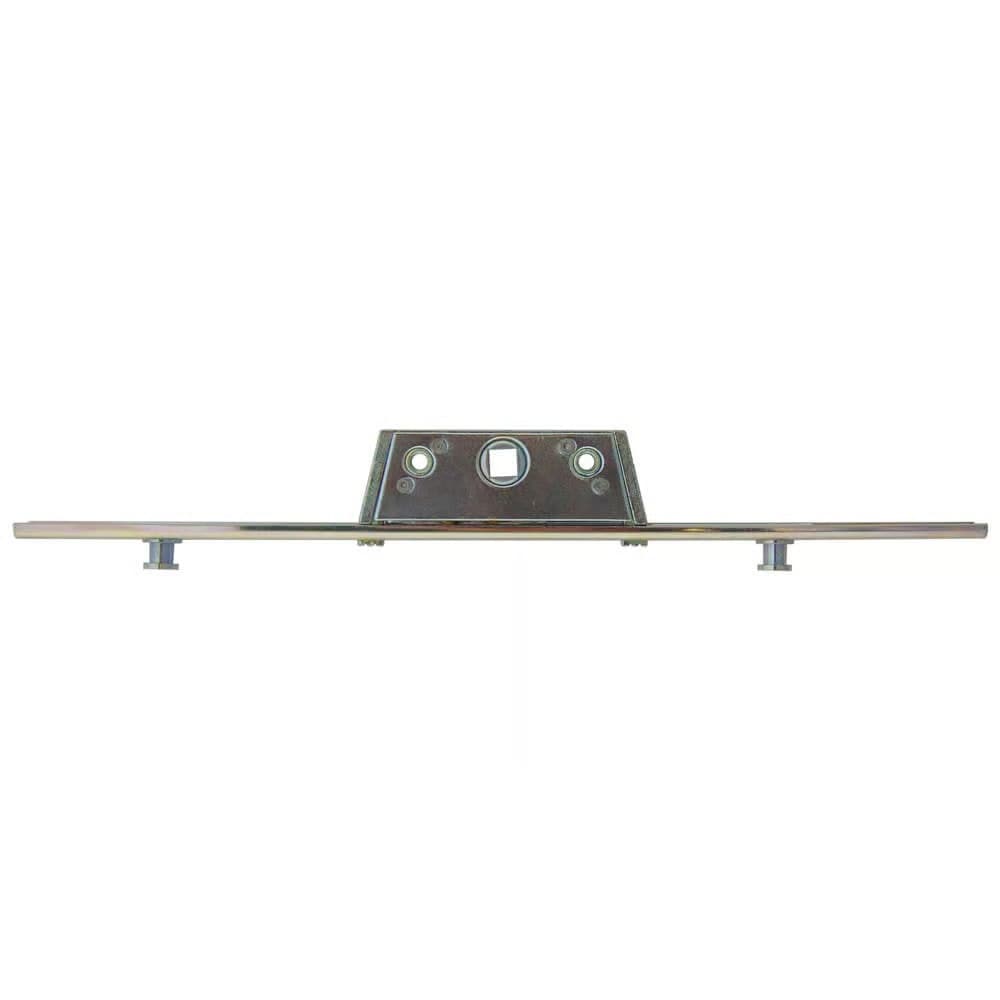
- In-Line Window Mechanism
- Offset Window Mechanism
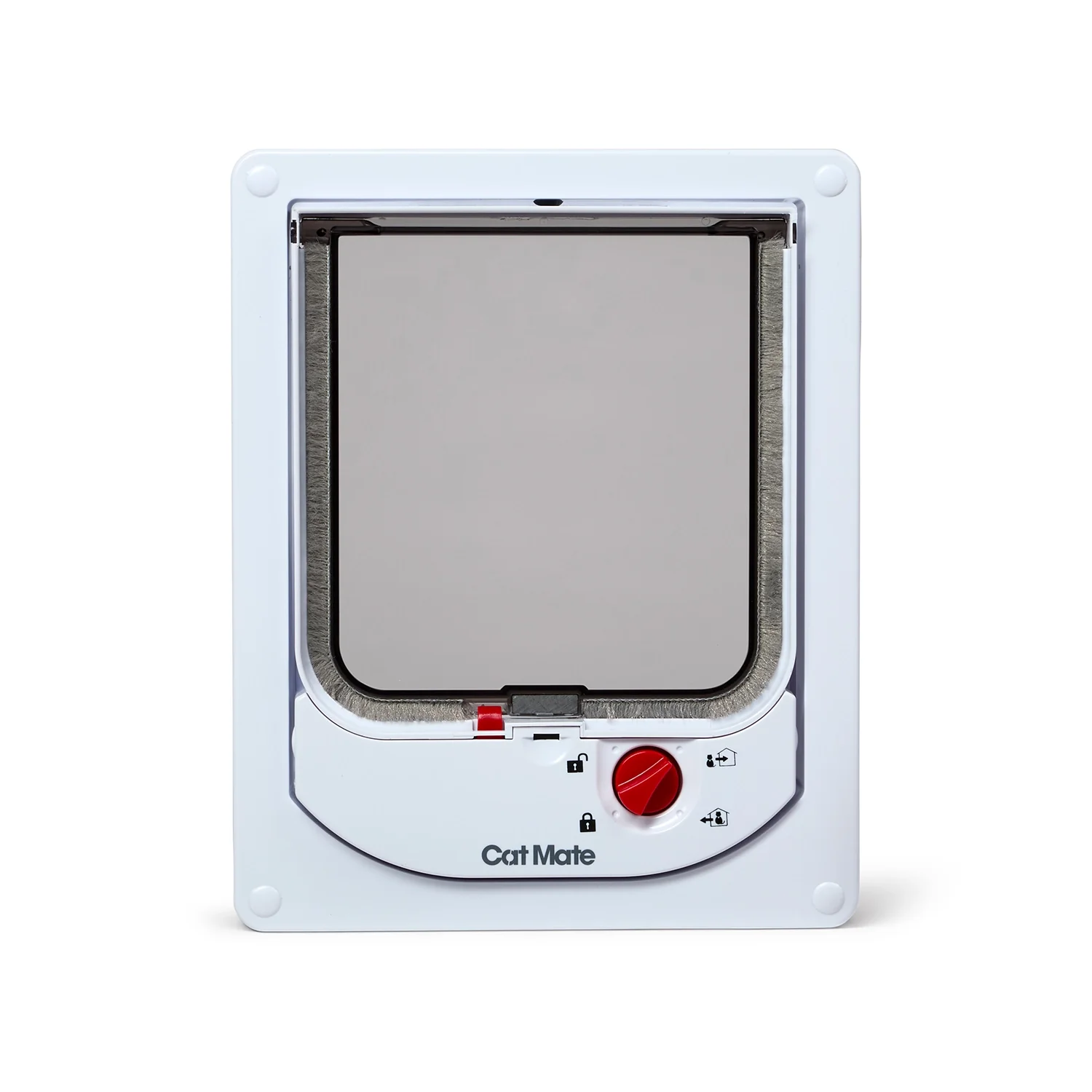
- Cat Mate Electromagnetic Cat Flap
- E-Type Gasket - Black 5m Roll
- E-Type Gasket - Black (Per Metre)
Conclusion: next steps
Microchip cat flaps with app control add a layer of security, convenience and data that many homeowners value. For trade professionals, recommending units with reliable microchip reading, secure connectivity and good manufacturer support reduces callbacks and improves customer satisfaction. For DIYers, accurate measurements, correct template use and careful attention to power and sealing details will avoid common pitfalls.
Next steps: assess the door or glazing material, decide on battery versus mains power, and shortlist models that meet ISO microchip compatibility and app feature requirements. If in doubt about glass or composite doors, consult a specialist glazier or the door manufacturer before ordering or cutting.
Products mentioned in this article

Related articles
Rented Property Cat Flap Options: What Landlords Need to Know
Rented Property Cat Flap Options: What Landlords Need to Know Installing a cat flap in a rented property can improve tenant satisfaction but it raises ques...
Replacing uPVC Door Panels with Cat Flap Panels: A Cleaner Solution
Replacing a uPVC door panel with a purpose-made cat flap panel is a practical way to give pets easier access while keeping the rest of the door intact. Whe...
Dog Flap Insulation: Preventing Heat Loss Through Larger Pet Doors
Dog Flap Insulation: Preventing Heat Loss Through Larger Pet Doors Large dog flaps are convenient for owners and pets, but they create a significant therma...