
The Complete Draught-Proofing Checklist for Winter
The Complete Draught-Proofing Checklist for Winter Whether you are a homeowner preparing for the cold months or a trade professional completing a draught-p...
The Complete Draught-Proofing Checklist for Winter
Whether you are a homeowner preparing for the cold months or a trade professional completing a draught-proofing contract, a systematic checklist saves time and improves results. This post covers what to inspect, the best types of draught seal for each situation, practical installation tips and maintenance advice. Use this checklist room by room to reduce heat loss, improve comfort and lower energy bills.
Quick overview checklist
- Visual inspection of all external doors and windows for gaps and damaged seals
- Airflow testing with smoke, a candle or thermal camera where available
- Measure gap widths and select appropriate draught seal profile
- Remove and replace degraded gaskets; clean and prepare surfaces
- Fit door threshold seals, letterbox brushes and door bottoms as required
- Check operation after fitting: smooth movement, effective closure and weathering
- Record materials used and schedule annual maintenance
Room-by-room inspection points
Work methodically: start at the front of the property and move to the back, then upstairs. For flats, begin at the main entrance door.
- External doors: check perimeter for visible gaps, worn compression seals and loose thresholds; test for light penetration around the frame
- Internal doors to unheated spaces: look for underdoor draughts and fit door bottoms or brush seals as required
- Timber windows: inspect sash seals, glazing putty and the window rebate for rotting or compression set
- Upvc and aluminium frames: examine welded corners, corner keys and glazing gaskets for distortion
- Letterboxes and cat flaps: check for redundant gaps; consider letterbox draught seals or brush inserts
- Loft hatches and service ducts: ensure seals compress properly and that fire safety requirements are maintained
Choosing the right draught seal: materials and profiles
Selecting the correct profile depends on gap size, movement and expected lifespan. Common options include:
- Pile seals: best for irregular gaps and heavy movement; use on sash windows and certain door perimeters
- Compression seals (EPDM or TPE): durable and weather-resistant; suited to consistent gaps on entrance doors and casement windows
- Adhesive foam strips: economical and easy to retrofit for small gaps; not suited to high-traffic or exposed external doors
- Brush strips: effective for large under-door gaps and letterboxes; allow air flow control while keeping out draughts and debris
- Tubular rubber seals: provide resilient sealing where compression is required; commonly used in factory or replacement gaskets for new glazing units
- Drop-down and automatic door seals: ideal for entrance doors where a tight threshold seal is needed on closing; choose stainless steel or aluminium carriers for durability
For glazing gaskets consult the window manufacturer where possible; many uPVC and aluminium systems require bespoke gasket profiles to avoid glazing pressure issues.
Measuring and ordering: trade pointers
- Measure the gap at several points; record maximum and minimum widths. Specify gap movement if the sash or door rocks or expands in sun
- For pile and compression seals note the fixing type: adhesive, screw-on carrier, or push-in. Tradespeople should stock common carrier lengths and end caps
- Order spare lengths; projects often need extra for corners and waste. Keep common spare sizes for maintenance visits
- Consider U-value gains: correctly fitting draught seal contributes to thermal performance but will not replace poor insulation or single glazing
- Match colour and finish for commercial work: black or brown EPDM is standard; white or grey may be required for some uPVC frames
Practical installation tips: DIY and trade
Good preparation is as important as the product choice. Follow these steps:
- Surface preparation: clean adjoining surfaces with isopropyl alcohol or a mild detergent; remove old adhesive and debris. For timber, check for rot and dress any rough edges
- Cutting and mitring: use a sharp knife and a mitre block for neat corners on pile and foam seals; for tubular and compression gaskets use snips designed for rubber
- Fixing: allow adhesive-backed seals to acclimatise to room temperature; apply firm pressure and seal the ends to prevent peeling. For mechanical fixings use stainless screws or pop rivets in aluminium thresholds
- Adjusting: fit seals so they compress but do not bind; excessive compression will shorten life and make doors hard to operate
- Testing: after installation perform an airflow test with a candle or smoke pen around the perimeter; check hardware function, lock engagement and closing force
Trade professionals: use a field kit with gaskets, pile, adhesives, a heat gun for shaping, cleaning solvent and a small trim saw. For commercial jobs include an allowance for site adjustments.
Maintenance and troubleshooting
- Annual check: inspect for compression set, tears and adhesive failure; replace seals showing permanent deformation
- Cleaning: wipe rubber and pile seals with a damp cloth and a mild detergent; avoid petroleum-based solvents that degrade EPDM
- Lubrication: use a silicone spray or a dry PTFE lubricant on moving seals and hinges; do not use oil-based greases on gaskets
- Noise or vibration: if a new draught seal causes squeaking, reduce compression or fit a thinner profile
- Condensation increase: draught-proofing reduces ventilation; ensure there is adequate background ventilation to manage humidity and avoid mould
Where to learn more
For technical reference on gasket materials and seal profiles visit our dedicated resource: gaskets and seals guide. It covers material properties such as EPDM, silicone and TPE plus compatibility with different frames.
Recommended Products
Based on this article, you may find these products helpful:
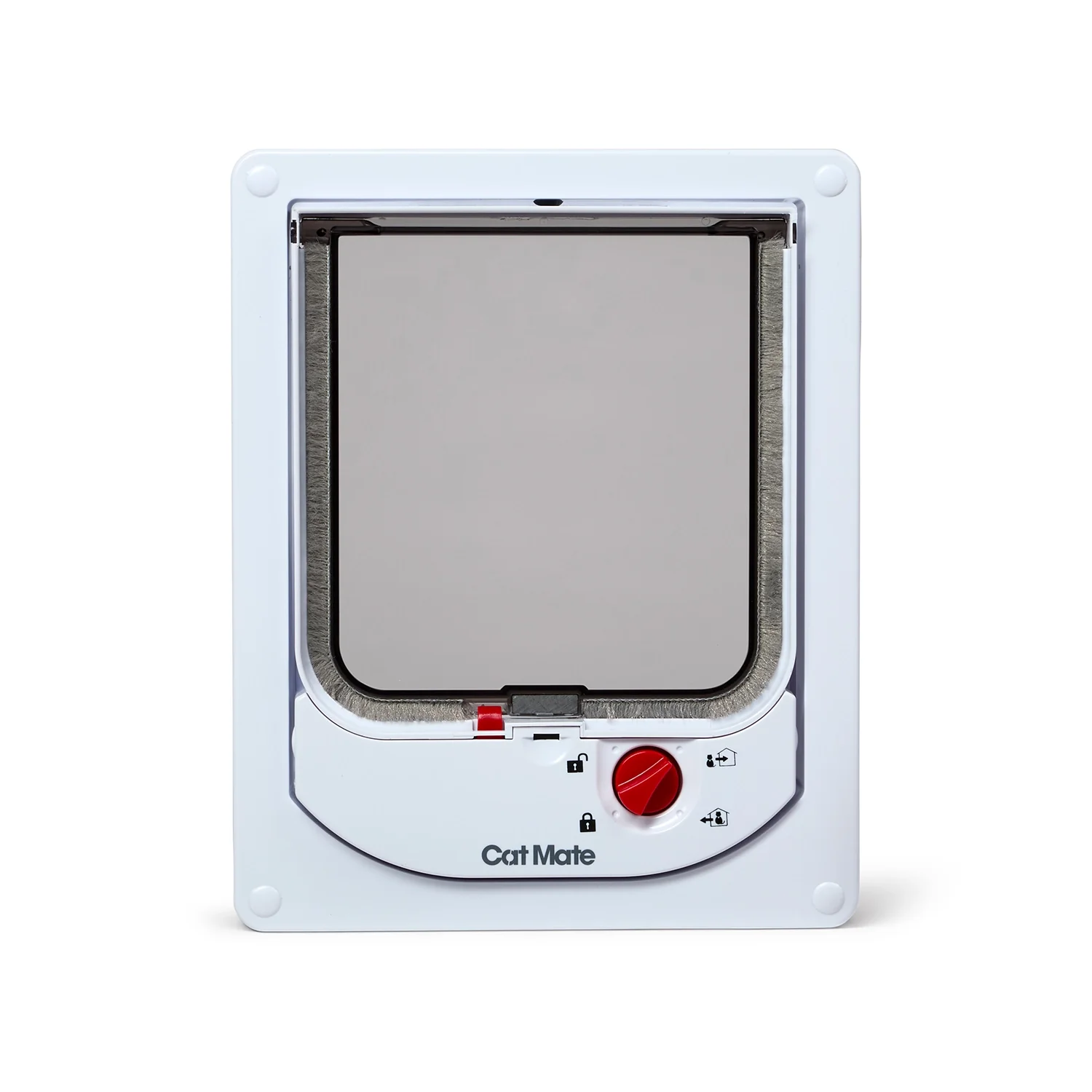
- Cat Mate Electromagnetic Cat Flap
- E-Type Gasket - Black 5m Roll
- E-Type Gasket - Black (Per Metre)
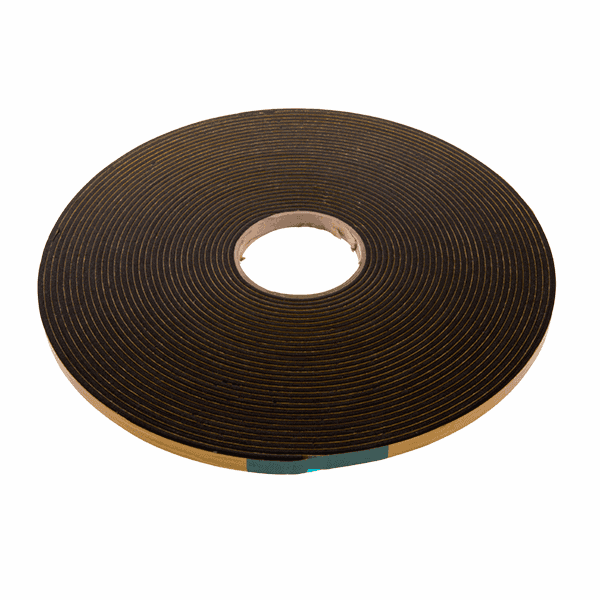
- Structural Glazing Tape - 20mm
- Security Glazing Tape
Conclusion and next steps
Use the checklist to prioritise the worst-performing doors and windows, select the correct draught seal and follow proper preparation and fitting methods. Next steps: survey the property room by room, compile a materials list with measurements and schedule installations during dry, moderate weather where adhesives cure best. For trade customers consider stocking the most common profiles and keeping a small on-van repair kit for emergency call-outs.
Products mentioned in this article
Related articles
Draught Seal Types Compared: Foam, Rubber, Brush, and Compression
Draught Seal Types Compared: Foam, Rubber, Brush, and Compression Draught seal selection matters for energy efficiency, comfort, and the longevity of windo...
How to Prepare Surfaces for Draught Seal Installation: Getting Adhesion Right
How to Prepare Surfaces for Draught Seal Installation: Getting Adhesion Right Proper surface preparation is the single most important factor for long-lasti...
How to Draught-Proof Victorian Windows Without Replacing Them
Victorian sash windows are a defining feature of many UK homes; they also tend to be a major source of heat loss and cold draughts. Replacing them with new...