
The Complete Guide to Double Glazing Supplies: What Every Homeowner Needs
The Complete Guide to Double Glazing Supplies: What Every Homeowner Needs explains the components, tools and practical know-how required for installing and...
The Complete Guide to Double Glazing Supplies: What Every Homeowner Needs explains the components, tools and practical know-how required for installing and maintaining modern double glazing. Whether you are a homeowner planning a DIY window replacement or a tradesperson preparing for site work, understanding the right supplies and best practice will save time and avoid costly mistakes.
Key components of double glazing supplies
At the heart of every double glazed unit are a few essential elements. Knowing these will help when ordering parts or diagnosing problems on site:
- Insulated glass units (IGUs): two or more panes of glass separated by a spacer filled with desiccant; often filled with argon gas and fitted with low-E coatings for improved thermal performance.
- Spacers and warm-edge systems: stainless steel or warm edge composite spacers reduce heat loss at the edge of the unit; they affect U-values and condensation risk.
- Frame systems: uPVC, aluminium and timber frames each have specific gaskets, beads and fixing methods; choose compatible hardware and sealants.
- Gaskets and glazing beads: secure the glass in the frame and provide weatherproofing; available in different profiles for various frame types.
- Hinges, friction stays and handles: for opening sashes; quality hardware ensures smooth operation and long life.
- Locks and cylinders: multipoint locks, espagnolette mechanisms and euro cylinders provide security; anti-snap and anti-drill cylinders meet higher security standards.
- Thresholds, cills and weatherbars: protect the base of doors and windows from water ingress and provide thermal bridging control.
- Ancillary supplies: packers, setting blocks, butyl tape, foam sealant, neutral-cure silicone and stainless fixings are indispensable on site.
Choosing the right sealed unit and glass specification
Selecting the correct IGU involves matching thermal performance to the property and room use: low-E coatings and argon fill reduce heat loss; thicker panes or laminated glass increase sound reduction and safety. For ground-floor windows or doors near circulation areas, toughened or laminated glass is usually required to meet safety regulations. Trade professionals should confirm U-values and Window Energy Ratings (WER) when specifying units to comply with Building Regulations and customer expectations.
Security and hardware: trade considerations
Security is often as important as thermal performance. For doors, always specify multipoint locking systems rated to PAS 24 or Secured by Design where required. For windows, espagnolette locks with shootbolts and locking handles give robust performance. Keep a stock of commonly used cylinder lengths and anti-snap cylinders; consider keyed-alike sets for convenience. For coastal properties specify stainless steel or marine-grade hardware to resist corrosion.
Practical installation tips for trades and DIYers
Correct installation is critical for the long-term performance of double glazing supplies. Key practical tips include:
- Use appropriate packers and setting blocks to support the glazed unit: support the glass on block centres recommended by the manufacturer to avoid stress.
- Allow thermal movement: leave the specified movement gaps around the frame; use compressible filler or low-expansion foam to insulate but not over-constrain the frame.
- Seal external joints with a high-quality, UV-stable silicone or polyurethane sealant; use neutral-cure silicone on painted or aluminium surfaces to avoid staining.
- Fit trickle vents and ventilation pathways to meet building regulations and prevent condensation inside rooms.
- Pre-fit hardware where possible: check function of multipoint locks and adjust keeps before final fix to avoid needing to remove glazing beads later.
- Drainage: ensure sill drainage channels are clear and weep holes are unobstructed so water is carried away from the frame.
Tools and supplies every installer should carry
Maintaining a well-stocked van reduces return visits. Essential double glazing supplies and tools include:
- Assorted packers and setting blocks, glazing wedges and beads.
- Butyl tape, neutral-cure silicone, low-expansion PU foam and backing rod.
- Stainless steel screws, frame anchors and security fixings.
- Spare handles, friction stays, espagnolette mechanisms and cylinder sets.
- Glass suction lifters for safe handling of sealed units;
- Torque screwdriver, spirit level, tape measure and silicone applicator.
- Personal protective equipment: cut-resistant gloves, safety glasses and safety boots.
DIY guidance and safety considerations
Homeowners can replace handles, clean seals and carry out minor adjustments; however, glass replacement and full-frame installs require experience. Important DIY safety and quality points:
- Never attempt to remove a sealed unit without proper support and lifting equipment. Use suction cups for heavy panes.
- When replacing hardware, take the old item to the trade supplier to match spindle sizes and fixing centres; mismatch is a common issue.
- Use the correct sealant for the material: neutral-cure silicone for aluminium and painted surfaces; consult manufacturer data sheets.
- Observe building regulations for safety glazing in critical locations and for energy performance; when in doubt, call a qualified installer.
Maintenance and troubleshooting
Regular maintenance extends the life of double glazing supplies. Lubricate moving parts with a silicone-based lubricant; avoid petroleum-based products such as WD-40 on locks and friction stays. Replace perished gaskets and worn beads to maintain weatherproofing. Condensation between panes indicates a failed seal and requires IGU replacement; watch for fogging or cold spots. If locks stiffen or handles wobble, tighten fixings and replace plastic spindle covers as part of preventive maintenance.
Specifying for performance and compliance
When preparing a schedule of works, specify U-values, WER and the type of glass and spacer system. Confirm safety glazing requirements for bathroom or low-level glazing and ensure hardware meets relevant security standards. For large commercial or bespoke projects discuss structural loads and weight limits for friction stays and hinges with the hardware manufacturer.
Recommended Products
Based on this article, you may find these products helpful:
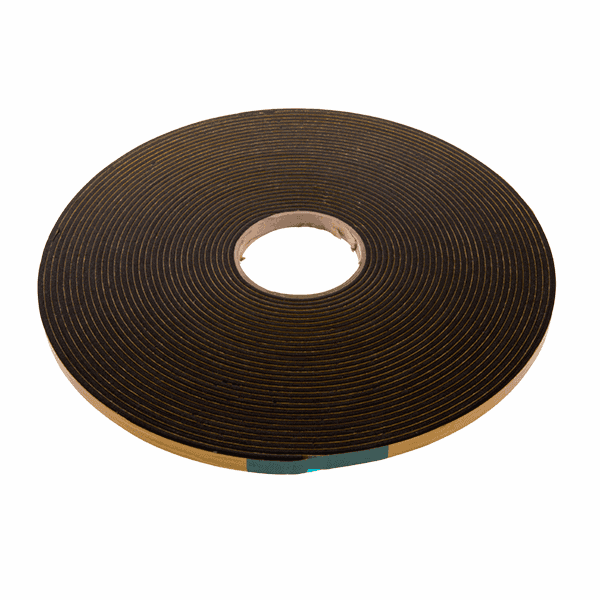
- Structural Glazing Tape - 20mm
- Security Glazing Tape
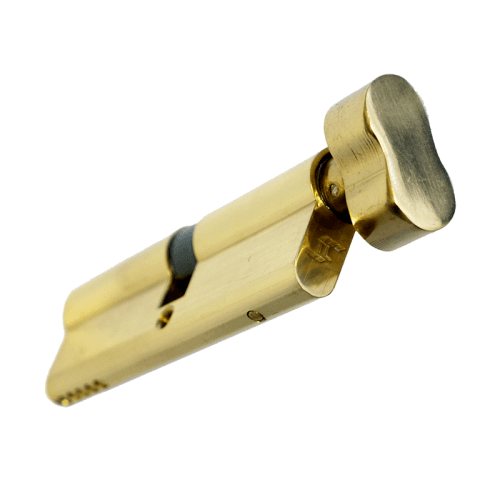
- TL Thumb Turn Euro Cylinder
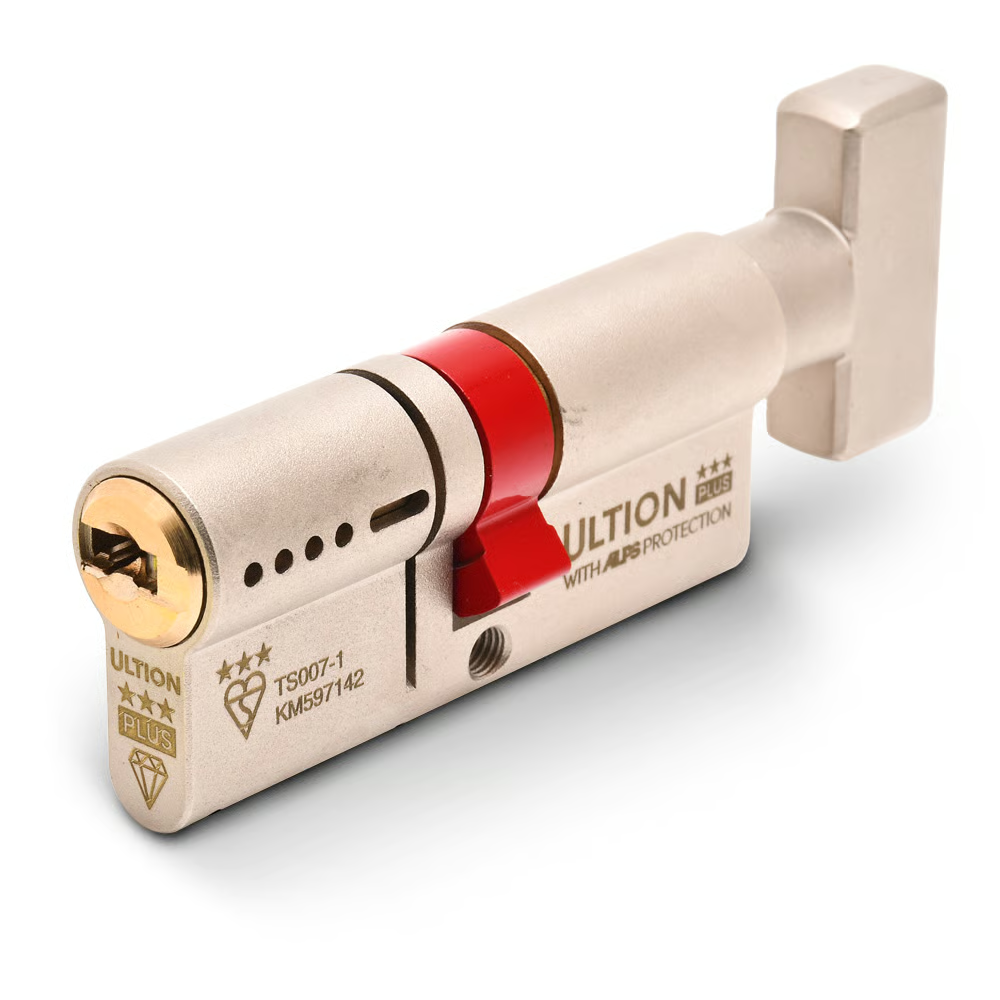
- Ultion Plus TS007 3* Kitemarked Euro Key & Turn Cylinder
- Top Hung Friction Stay - 12"
Conclusion and next steps
Understanding double glazing supplies is essential whether you are a homeowner handling minor repairs or a trade professional managing installations. Start by listing the required components: IGUs, frames, gaskets, hardware and sealants; then check compatibility, security standards and ventilation requirements. For complex replacements, high-level glazing or structural changes engage a qualified installer. To order parts, access specification sheets or book a site survey visit: visit our pillar page at /guides/double-glazing-supplies or contact Window Hardware Store for trade pricing and technical support.
Products mentioned in this article
Related articles
How Old uPVC Window Parts Differ from Modern Replacements
How Old uPVC Window Parts Differ from Modern Replacements Older uPVC windows fitted in the 1980s and 1990s were robust for their time, but the components u...
Glazing Tools Safety Guide: Avoiding Common Injuries
Glazing Tools Safety Guide: Avoiding Common Injuries Working with glazing tools carries a real risk of cuts, crushed fingers and slips when handling panes ...
How to Maintain Your Glazing Tools for Longer Life
How to Maintain Your Glazing Tools for Longer Life Whether you are a trade glazier or a DIY homeowner replacing a pane, well‑maintained glazing tools save ...