
The Most Common uPVC Window Parts That Need Replacing
The Most Common uPVC Window Parts That Need Replacing uPVC windows are durable and low maintenance; however, like any moving assembly they demand occasiona...
The Most Common uPVC Window Parts That Need Replacing
uPVC windows are durable and low maintenance; however, like any moving assembly they demand occasional replacement of worn parts. This article looks at the most frequently replaced upvc window parts, gives practical trade advice and DIY guidance, and explains when a professional glazier or installer should be called. The aim is to help UK homeowners and trade professionals identify faults, measure correctly and choose the right replacement components.
Which uPVC window parts fail most often
Certain components take most of the mechanical and environmental stress. Expect these to be replaced more frequently:
- Handles and spindle mechanisms: broken or stripped handles; square spindles sheared or seized.
- Espagnolette gearboxes and locking mechanisms: worn cams, broken gears or failed multipoint mechanisms.
- Hinges and friction stays: corroded or bent stays, worn pivot points causing sash drop.
- Seals and gaskets: compressed, split or perished seals causing draughts and condensation.
- Glazing beads and packers: cracked beads or lost packers leading to loose glass.
- Sealed units: misted double glazing due to failed seals.
- Keeps, striker plates and shootbolts: wear and misalignment leading to poor locking.
- Trickle vents and restrictors: broken vents or snapped child-safety restrictors.
Practical diagnostic tips
Before ordering parts, inspect carefully. Typical checks include:
- Operate the window and observe: where does it stick; does the handle rotate freely; does the sash close squarely.
- Visual check of gaskets: look for cracking, flattening or loss of elasticity; feel for draughts around the frame.
- Look at the locking points: are cams engaging keeps fully; are there visible signs of wear or corrosion.
- Examine hinges and friction stays: check for play, noise or bending; a sagging sash usually points to hinge failure.
- Inspect the sealed unit: check for internal misting or discoloured seals which indicate a failed unit.
DIY replacement: what a competent homeowner can do
Several routine replacements are straightforward and suitable for a competent DIYer with basic tools. Always put safety first: support heavy sashes, wear gloves and eye protection, and do not attempt sealed-unit replacement unless experienced.
- Handles and spindles: remove the handle securing screw and pull the handle off to inspect the spindle. If stripped, replace the handle or the spindle. Check handle orientation and handedness and buy the matching colour; measure spindle length and square size before ordering.
- Gaskets and seals: use a plastic trim tool to ease out the old gasket, clean the groove and run in the new seal. Use soapy water or a specially formulated glazing lubricant to ease fitting; warm the gasket slightly in dry conditions to make it more pliable.
- Hinges and friction stays: support the sash with a prop, then undo the hinge screws and fit the new stay of correct length and hand. Note the position of any cams or shims; it is common to reuse packers unless damaged.
- Keeps and striker plates: these are generally face-fixed with screws: remove the old item, check for frame damage, then fit the new keep. Adjust screws for alignment; some keeps are reversible for handed frames.
- Restrictors and trickle vents: these are usually screwed into the frame and can be replaced quickly; ensure the vent colour matches the frame for a neat finish.
When to call a trade professional
Certain jobs need specialist tools, training or warranty considerations. Call a professional if any of the following apply:
- Sealed double-glazed unit is misted: replacing the sealed unit usually requires removing glazing beads and a new unit made to size; a glazier should carry out this work to avoid glass breakage or water ingress.
- Major hinge failures where the sash is heavy or there is significant frame distortion; installers can ensure correct re-alignment and load distribution.
- Multipoint locking gearbox problems that require door or sash removal; incorrect fitting can leave the window insecure.
- If the frame or cill is damaged, rotten or warped; structural repairs or replacements are best handled by professionals.
- Where compliance with building regulations is required: e.g. escape windows or fire egress rework.
Trade advice: what every installer should carry on their van
For efficient call-outs, tradespeople should stock a small selection of the most common upvc window parts. Recommended items:
- White and brown handles in common lengths and spindle sizes; a small selection of contemporary colours if regularly fitting coloured frames.
- Assorted espagnolette strips and gearboxes; various lengths and handed options.
- Friction stays in common lengths and handedness; keep a stock of the most used sizes for the local area.
- Seal packs: 5–10m reels of the most common gasket profiles and adhesive corner joints.
- Keeps, striker plates and common screw types; glazing packers in several thicknesses.
Also carry lubricants such as silicone spray or white grease; avoid oil-based lubricants on seals. Label parts clearly and keep sample profiles for matching on site; this speeds up diagnosis and reduces return trips.
Ordering parts: measurements and matching
When ordering upvc window parts, get accurate measurements and note any part numbers. Useful details to record include:
- Handle spindle size and length, screw hole centres and handle colour.
- Friction stay length and whether it is left or right handed.
- Espagnolette strip length, spacing of locking points and orientation of cams.
- Seal profile: width, depth and whether it is an insert or compression gasket.
- Glazing bead type and whether it is clip-fit or screw-fixed; photograph bead shape for an exact match.
If unsure, take the old part to your supplier or use photographs and measurements when contacting a trade supplier. For more on supplies and component specifications see our pillar resource at /guides/double-glazing-supplies.
Recommended Products
Based on this article, you may find these products helpful:
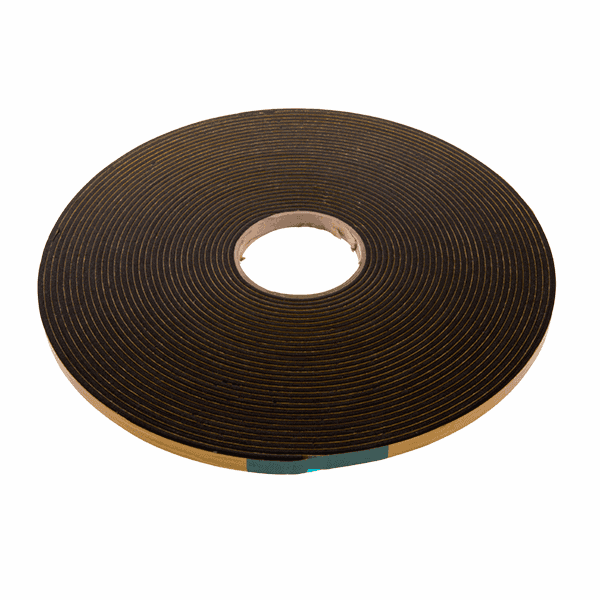
- Structural Glazing Tape - 20mm
- Security Glazing Tape
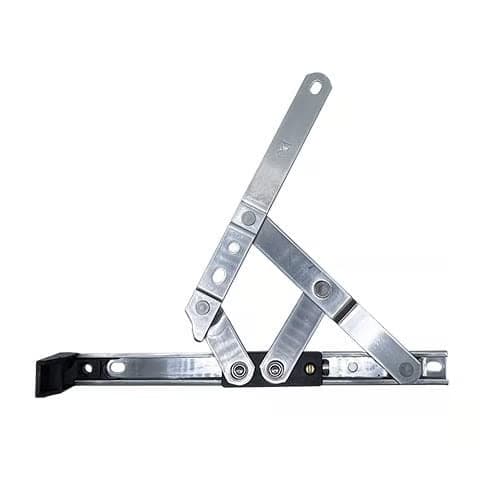
- Top Hung Friction Stay - 12"
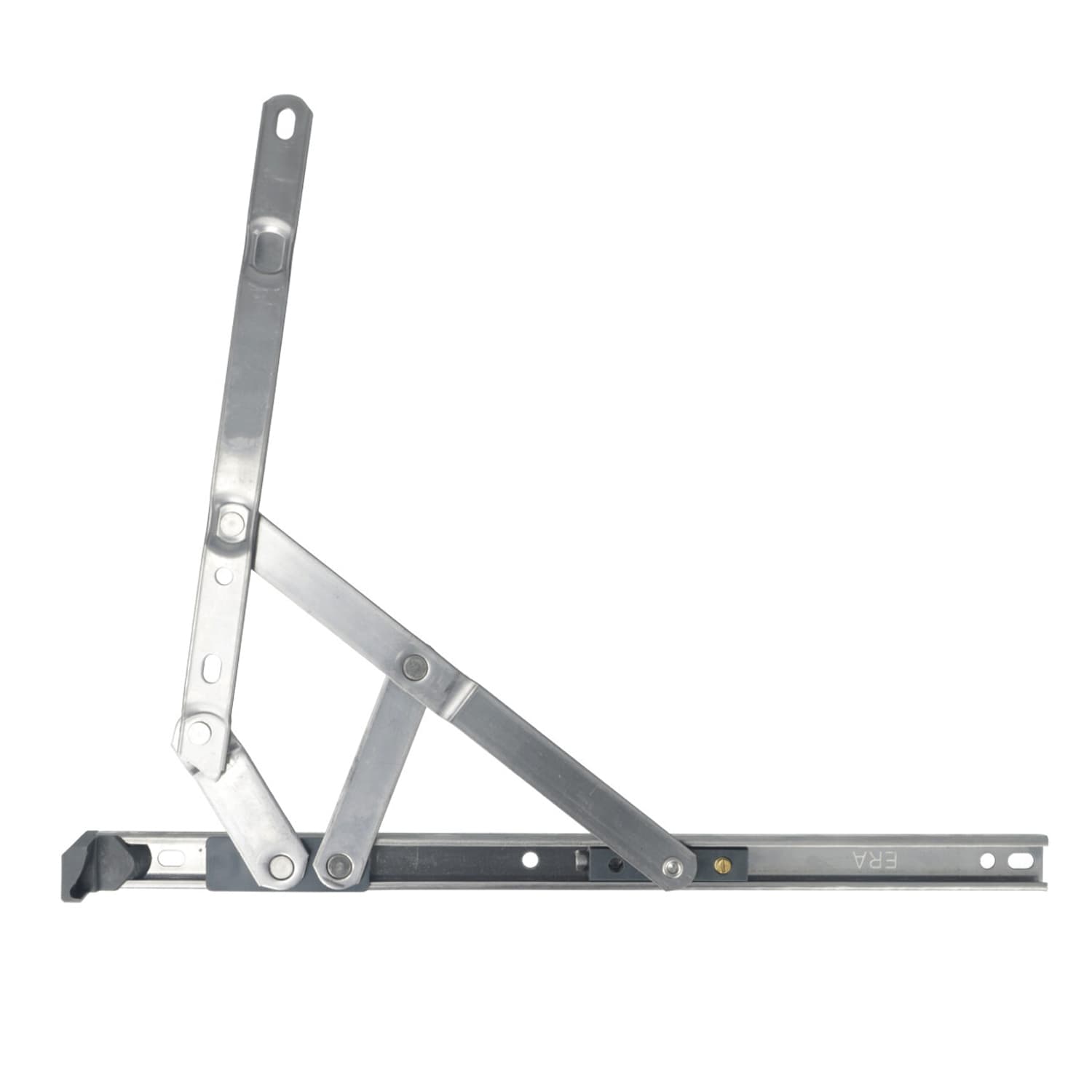
- ERA Egress (Fire escape) Friction Stay
- TSS Standard Friction Stays – 13mm & 17mm Stack Height
Conclusion and next steps
Most upvc window parts that need replacing are small, inexpensive and straightforward to fit when you know what to look for: handles, gearboxes, hinges, seals and keeps top the list. Start by inspecting the window, photograph the failing component, take accurate measurements and decide whether the job is suitable for DIY or needs a professional. If you are a trade operative, stock a core set of components and keep profile samples to hand.
Next steps: carry out a basic inspection of suspect windows, order the matched parts or contact a qualified installer for sealed unit or structural work. For additional technical details and component suppliers visit /guides/double-glazing-supplies or contact your local window hardware specialist.
Products mentioned in this article
Related articles
How Old uPVC Window Parts Differ from Modern Replacements
How Old uPVC Window Parts Differ from Modern Replacements Older uPVC windows fitted in the 1980s and 1990s were robust for their time, but the components u...
Glazing Tools Safety Guide: Avoiding Common Injuries
Glazing Tools Safety Guide: Avoiding Common Injuries Working with glazing tools carries a real risk of cuts, crushed fingers and slips when handling panes ...
How to Maintain Your Glazing Tools for Longer Life
How to Maintain Your Glazing Tools for Longer Life Whether you are a trade glazier or a DIY homeowner replacing a pane, well‑maintained glazing tools save ...