
Top 5 Wedge Gasket Brands UK Window Fitters Recommend
Top 5 Wedge Gasket Brands UK Window Fitters Recommend Wedge gasket is a simple but essential component in many window and door installations: it supports g...
Top 5 Wedge Gasket Brands UK Window Fitters Recommend
Wedge gasket is a simple but essential component in many window and door installations: it supports glazing, creates a weathertight seal and helps set the glass at the correct angle for drainage and security. For UK homeowners and trade professionals choosing the right brand matters for durability, ease of fit and compatibility with existing frames. Below are five manufacturers and suppliers that experienced window fitters commonly recommend, with practical advice on selection, fitting and maintenance.
1. Trelleborg Sealing Solutions
Trelleborg is a global name in seals and engineering polymers; their wedge-style profiles are widely used in windows and doors where long-term weather resistance is essential. Fitters value the material performance: EPDM and specialised elastomers that resist UV, ozone and compression set. This is important where a gasket must remain flexible over many seasons.
- Where to use: external glazing beads, timber and aluminium frames, sites with strong sun exposure.
- Trade tip: order samples to check section fit with your glazing bead before full installation.
- DIY tip: use soapy water or a silicone-based lubricant to ease a Trelleborg wedge into narrow channels; avoid petrol-based solvents that can damage some elastomers.
2. Liniar
Liniar is a UK profile manufacturer that also supplies seals matched to their uPVC systems. Their wedge gaskets are designed to sit neatly in contemporary profiles and to work with modern multi-point locking and thermal standards. Because Liniar focuses on whole-system performance, their gaskets are a reliable choice for installers working with Liniar frames.
- Where to use: uPVC windows and doors, retrofit projects on Liniar systems.
- Trade tip: when replacing wedges on system frames, match the gasket code to the profile to avoid glazing misalignment.
- DIY tip: keep glazing beads clipped until the gasket is seated and the glass packed; this prevents distortion of the profile.
3. Schlegel (now part of major sealing groups)
Schlegel has been a familiar name in the UK glazing trade for many years; their window seals and wedge sections are still commonly specified either under the original branding or through parent companies. Fitters often pick Schlegel-style wedges for repair jobs where the original gasket geometry needs to be matched exactly.
- Where to use: refurbishment and replica parts for older installations where a like-for-like replacement is required.
- Trade tip: keep photographed references of the original gasket cross-section and bead type; many Schlegel profiles are still available via distributors.
- DIY tip: when removing old Schlegel wedges, work slowly with a narrow spatula to avoid damaging the glazing bead.
4. Eurocell
Eurocell is a major UK supplier of uPVC products and seals; their wedge gaskets offer good availability through trade counters and online. Fitters like Eurocell for straightforward supply and consistent quality across multiple projects. Eurocell also offers helpful technical support for installers.
- Where to use: general uPVC window and door installations, site repairs that need immediate local supply.
- Trade tip: stock common sizes from Eurocell to avoid site delays when replacing wedges on multiple windows.
- DIY tip: choose the correct section size rather than forcing a slightly too-large gasket; over-compression reduces life expectancy.
5. Parker Hannifin (Parker Seals)
Parker is a recognised industrial seals supplier; their standard materials and engineering expertise mean they can provide high-spec wedge gaskets where specialised performance is required. When projects demand chemical resistance, food-safe materials or unusual geometries, Parker is a go-to for bespoke or small-batch orders.
- Where to use: commercial projects, specialist frames or where enhanced chemical or temperature resistance is required.
- Trade tip: request material data sheets to confirm compatibility with adjacent sealants and cleaners used on site.
- DIY tip: if you are doing an unusual repair, take a template and photographs to a Parker distributor for a matching extrusion or a made-to-measure strip.
How to choose the right wedge gasket
Selection depends on function, frame material and environment. Consider these factors when choosing a wedge gasket:
- Material: EPDM is common for external use due to UV and ozone resistance; TPE can be easier to fit and more recyclable; silicone may be needed for high temperature applications.
- Section and size: measure the depth and width of the existing slot and the angle at which the wedge must sit; accurate cross-section matching avoids glazing stress and leaks.
- Hardness and compression set: softer compounds seat easily but can extrude or degrade faster; stiffer wedges maintain position and support.
- Compatibility: check compatibility with sealants and cleaners; some solvents will swell or deteriorate certain rubbers.
Practical fitting advice for tradespeople and DIYers
Fitting or replacing a wedge gasket is often straightforward, but correct preparation and technique save time and prevent problems.
- Safety first: glazing work often requires two people. Wear gloves, eye protection and use glazing blocks when handling glass.
- Remove carefully: take off the glazing bead or loose bead clips gently; keep all clips for refitment. If the bead is brittle, replace it rather than risk cracking.
- Clean the channel: remove old sealant residues, dust and old gasket remnants. A plastic scraper and a cloth with isopropyl alcohol (if compatible) will help.
- Cutting and joining: cut wedge gaskets square for butt joints, or mitre corners where recommended. For long runs use a sharp blade and a straight edge; some installers heat-bend PVC wedges for a neat corner.
- Lubrication: use soapy water or a purpose-made gasket lubricant to ease installation; do not use petroleum-based oils on EPDM.
- Check compression: once fitted, glass should sit firmly without point loads; use glazing packers to set correct peripheral support before final bead refit.
Maintenance and common issues
Inspect gaskets annually for hardening, cracking or extrusion. Replace wedges showing compression set, cracking or loss of elasticity. For condensation problems check the drainage path and bead angles as well as the gasket: incorrectly seated wedges can trap moisture and misdirect drainage.
For trade professionals: keep commonly used profiles in stock and maintain supplier relationships for fast replacements. For homeowners: if you notice drafts, rattles or water ingress around the glass, call a competent fitter; small gasket replacements can often avoid larger glazing jobs.
Recommended Products
Based on this article, you may find these products helpful:
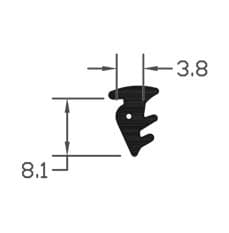
- SYS2 Wedge Gasket
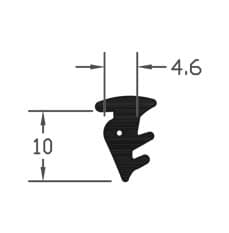
- SYS4 Wedge Gasket
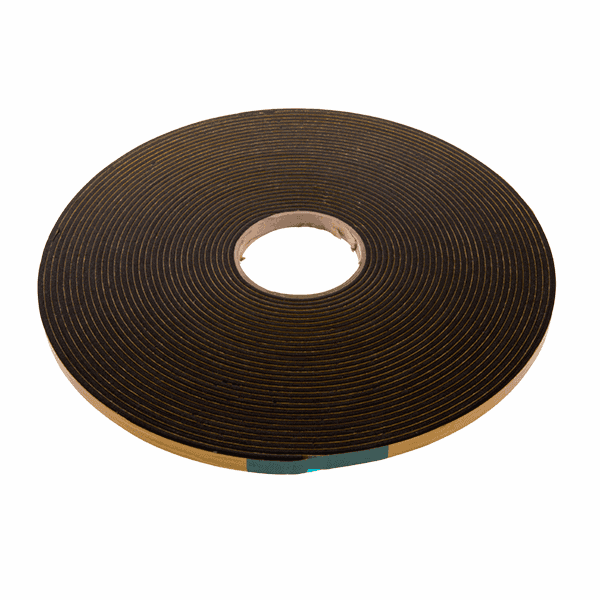
- Structural Glazing Tape - 20mm
- Security Glazing Tape
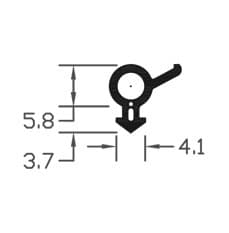
- B003 Bubble Gasket
Conclusion and next steps
Choosing the right wedge gasket lets you restore performance and longevity to windows and doors. Trelleborg, Liniar, Schlegel-style parts, Eurocell and Parker cover most domestic and commercial needs; select by material, section and compatibility with your frame. For more detailed technical comparisons and related seals and maintenance advice, visit our main gaskets and seals resource at /guides/gaskets-seals.
Next steps: measure the existing slot and take a photo; order a sample gasket or contact a trade counter for matching advice; if the job involves heavy glass or structural changes, engage a professional glazier.
Products mentioned in this article
Related articles
Wedge Gasket Sizes Explained: Finding the Perfect Fit for Your Glazing
Wedge Gasket Sizes Explained: Finding the Perfect Fit for Your Glazing Why the correct wedge gasket matters A wedge gasket is a triangular or tapered seali...
Wedge Gasket vs Flip Gasket: Choosing the Right Seal for Double Glazing
Wedge Gasket vs Flip Gasket: Choosing the Right Seal for Double Glazing Why the right gasket matters Seals are a small component with a big job: they keep ...
Buying Wedge Gaskets in Bulk: A Guide for Window Installation Companies
Buying Wedge Gaskets in Bulk: A Guide for Window Installation Companies Wedge gasket products are a common item on van racking and in warehouse bays for wi...