
Wedge Gasket vs Flip Gasket: Choosing the Right Seal for Double Glazing
Wedge Gasket vs Flip Gasket: Choosing the Right Seal for Double Glazing Why the right gasket matters Seals are a small component with a big job: they keep ...
Wedge Gasket vs Flip Gasket: Choosing the Right Seal for Double Glazing
Why the right gasket matters
Seals are a small component with a big job: they keep rain out, reduce draughts, improve thermal performance and limit noise. Choosing between a wedge gasket and a flip gasket affects installation method, long‑term performance and the types of frames and glazing you can use. This article explains how each profile works, when to specify one over the other and practical tips for both tradespeople and competent DIYers.
What is a wedge gasket?
A wedge gasket is an extruded rubber profile with a tapered, wedge‑shaped section that locks the glass into the glazing channel alongside the glazing bead. It is often a rigid or semi‑rigid profile designed to provide mechanical support as well as a weatherseal. Wedge gaskets are commonly used in uPVC and timber windows where the bead and gasket together retain the sealed unit.
- Materials: typically EPDM for weather resistance; TPE or silicone in specialised applications.
- Common uses: glazing bead systems, large sealed units, frames that require positive mechanical retention.
- Performance: good structural support and reliable weather resistance when correctly compressed.
What is a flip gasket?
A flip gasket has a flexible lip or flange that can be folded or "flipped" over to form a compression seal against the sash or outer frame. The design accommodates movement and variable gap sizes; the flexible lip compresses to fill irregularities, helping with air tightness and acoustic performance. Flip gaskets are often used on doors, sashes and where a secondary compression seal is required.
- Materials: usually EPDM or soft TPE for flexibility and resilience.
- Common uses: external doors, sliding sashes, secondary seals on casement windows and conservatory doors.
- Performance: excels at sealing uneven gaps and maintaining contact over repeated opening cycles.
Comparing pros and cons
Choosing between wedge gasket and flip gasket depends on priorities: structural hold, ease of retrofit, acoustic performance, and frame type.
- Wedge gasket – pros: strong mechanical retention; predictable compression ratio; commonly stocked and cost effective; good drainage path when used with proper bead design.
- Wedge gasket – cons: less forgiving of uneven rebates; not ideal where sash/frame movement is large; installation needs correct channel sizing and accurate mitres.
- Flip gasket – pros: flexible, copes with variable gaps; excellent for draught and noise reduction; easier to retrofit on existing frames in many cases.
- Flip gasket – cons: may not provide the same mechanical retention as a wedge gasket; profile can be more expensive; needs correct compression to avoid premature wear.
Selecting by application
Use the following as a practical guide when specifying seals:
- For new build or replacement where the glazing bead is designed to mechanically retain the unit: consider wedge gasket for secure hold.
- For doors, sliding sashes and applications with irregular gaps or movement: consider flip gasket for a positive compression seal.
- For acoustic improvements where secondary seals are needed: flip gaskets or combined systems often perform better.
- For exposed elevations with strong UV and ozone exposure: specify EPDM wedge gasket or EPDM flip gasket; ensure material UV resistance is stated by the manufacturer.
Installation and DIY tips
Both profiles require accurate installation for best performance. Below are practical steps for installers and capable DIY homeowners.
- Measure the rebate depth and channel width before ordering; gasket profiles are selected to match the channel and glass thickness.
- Order sample lengths where possible; trial fit a short length to confirm compression and retention before committing to full runs.
- Keep compression in mind: aim for roughly 20 to 30 percent compression of the gasket once the bead is fitted; this provides a good seal without overstressing the material.
- Use only recommended lubricants: water with a little washing up liquid or specialist gasket lubricant; avoid petroleum‑based products that degrade rubber compounds.
- Cutting and joining: mitre corners cleanly using a sharp knife or hot‑knife for neat joins. For long runs, consider using adhesive recommended by the gasket manufacturer at the ends or corners.
- Removal of old gasket: remove beads carefully to avoid damaging frames; if replacing a wedge gasket, support the glass with setting blocks before removing beads to avoid stress on the unit.
- Final checks: after installation, check bead engagement, test for draughts and inspect for consistent compression around the perimeter.
Trade considerations
For fabricators and installers, additional factors influence specification and stock decisions.
- Stock common colours: black and grey are standard; white or bespoke colours may require lead time.
- Material certification: request data sheets for EPDM ageing, UV and ozone resistance and durometer hardness; these affect longevity and feel.
- Compliance and testing: specify gaskets that help meet relevant standards for air and water performance; check BS 6375 where applicable for windows and doors performance.
- Storage and handling: store rolls flat in shaded, cool conditions; avoid prolonged exposure to sunlight before fitting.
- Warranty and maintenance: advise homeowners about periodic inspection and cleaning; recommend replacing gaskets showing cracking or permanent deformation.
Common mistakes to avoid
- Wrong profile selection: ordering a wedge gasket for a frame designed for a flip seal will lead to poor retention or leaks.
- Insufficient compression: too little compression causes leaks; too much can distort the frame or damage the seal.
- Using the wrong lubricant: this can shorten gasket life and void warranties.
- Poor mitres and joins: gaps at corners will compromise weather performance; take time to make neat joints.
Recommended Products
Based on this article, you may find these products helpful:
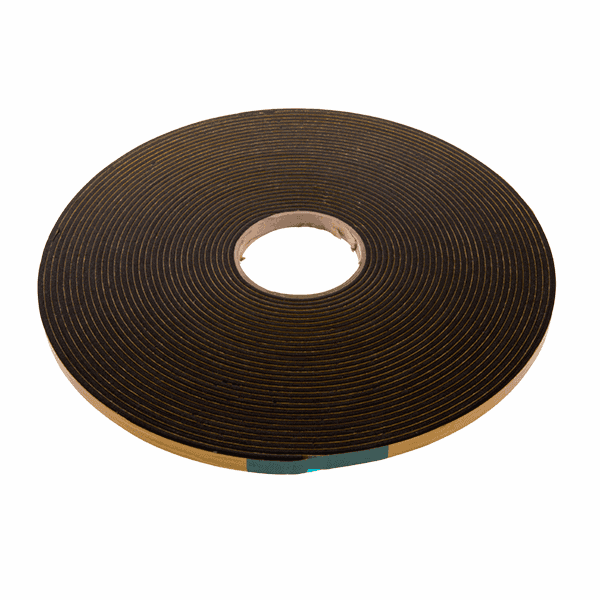
- Structural Glazing Tape - 20mm
- Security Glazing Tape
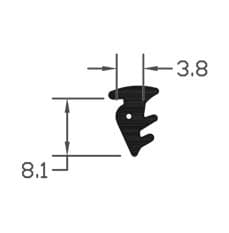
- SYS2 Wedge Gasket
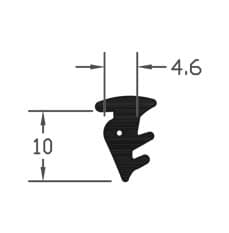
- SYS4 Wedge Gasket
- E-Type Gasket - Black 5m Roll
Conclusion and next steps
Both wedge gasket and flip gasket have distinct roles: wedge gaskets are ideal where mechanical retention and predictable compression are required; flip gaskets work well where flexibility and ongoing compression are needed, such as doors and sashes. For tradespeople, check material data sheets and plan stock to match the frames you supply. For homeowners, measure carefully, order samples and use qualified installers for replacements on sealed units.
For more technical details and profile guides visit our pillar page: /guides/gaskets-seals. If you need help choosing the correct wedge gasket or flip gasket for a specific job, contact our sales team for samples and technical support.
Products mentioned in this article
Related articles
Wedge Gasket Sizes Explained: Finding the Perfect Fit for Your Glazing
Wedge Gasket Sizes Explained: Finding the Perfect Fit for Your Glazing Why the correct wedge gasket matters A wedge gasket is a triangular or tapered seali...
Buying Wedge Gaskets in Bulk: A Guide for Window Installation Companies
Buying Wedge Gaskets in Bulk: A Guide for Window Installation Companies Wedge gasket products are a common item on van racking and in warehouse bays for wi...
Wedge Gasket Installation Guide: Achieving a Watertight Seal Every Time
Wedge Gasket Installation Guide: Achieving a Watertight Seal Every Time A correctly fitted wedge gasket is one of the simplest and most effective ways to p...