
Buying Wedge Gaskets in Bulk: A Guide for Window Installation Companies
Buying Wedge Gaskets in Bulk: A Guide for Window Installation Companies Wedge gasket products are a common item on van racking and in warehouse bays for wi...
Buying Wedge Gaskets in Bulk: A Guide for Window Installation Companies
Wedge gasket products are a common item on van racking and in warehouse bays for window installers. Buying wedge gasket in bulk saves money and avoids project delays, but selecting the correct material, profile and quantity needs thought. This guide helps UK window installation firms and domestic installers choose, store and fit wedge gaskets correctly so that windows and doors perform as intended.
Why buy wedge gaskets in bulk?
Purchasing wedge gasket stock in larger quantities reduces unit cost, shortens lead times during busy programmes and ensures consistency across multiple installations. For trade customers, bulk buying brings operational advantages: fewer emergency orders, the ability to match gasket batches for colour and hardness, and predictable wastage rates when quoting labour and materials. For homeowner projects where installers supply materials, bulk purchasing can still lower overall costs.
Common materials and profiles
Wedge gaskets are available in several materials and profiles; each has strengths and limitations:
- EPDM rubber: widely used for its weather, ozone and UV resistance. Good thermal and acoustic sealing properties; typical temperature range is about -40°C to +120°C.
- PVC: cheaper and easy to extrude in tight tolerances; however long-term UV and plasticiser migration can cause hardening or staining on some frames.
- Silicone: used where high temperature or non-marking performance is required; typically more costly.
- Foam wedge: closed-cell foam wedges are useful for draught-proofing and packing but may compress more and have a shorter life in exterior exposures.
- Profiles: triangular wedge, T-section and specialised glazing wedges. Choose profiles that sit correctly in the rebate or gasket channel and compress to create a continuous seal without distorting the frame or glass.
Sizing, hardness and performance considerations
Selecting the correct wedge gasket size and Shore A hardness is crucial. Factors to consider include channel width, expected compression and operating temperatures. Practical pointers:
- Measure the channel depth and width precisely; order samples for trial fitting before a large purchase.
- Aim for 20 to 30 percent compression of the gasket in service; this gives a reliable seal without excessive load on the frame or glass.
- Shore A hardness typically ranges between 40 and 70 for window gaskets; softer compounds seal better around irregularities, while harder compounds resist extrusion under load.
- Check compression set values on the datasheet; lower set means the gasket will retain shape after long-term compression.
- Verify chemical compatibility: avoid products containing plasticisers that can migrate and stain uPVC or treated timber.
Practical trade advice for ordering
Buy wedge gaskets from a reputable supplier who provides technical datasheets and sample lengths. Manage procurement with these steps in mind:
- Order test samples first: trial-fit on a typical frame section and leave compressed for a week to check for set and marking.
- Calculate quantity including waste: allow 10 to 15 percent extra for cutting losses, mistakes and profile mismatches.
- Check lead times and minimum order quantities: longer extrusions or special colours may require higher minimums; standard black EPDM is usually quickest to deliver.
- Request batch and material certificates if you supply social housing or pre-completion testing projects: traceability may be required.
- Store correctly: keep coils in a cool, dry place away from direct sunlight and solvents; avoid stacking heavy items on top of coiled gaskets.
Installation tips for tradespeople and DIYers
Correctly fitting wedge gasket reduces complaints and callbacks. Follow these practical steps on site:
- Prepare the channel: clean out dust, old sealant and moisture; wipe with isopropyl alcohol or a mild detergent solution and allow to dry.
- Use soapy water or a proprietary gasket lubricant to ease insertion; avoid petroleum-based products that can degrade rubber.
- Cut neatly with a sharp knife or end cutter; mitre corners if required and seal joints with a compatible adhesive or neutral cure silicone where recommended.
- Use a gasket roller or rubber mallet with a padded block to seat the gasket evenly; do not overstretch the material during fitment.
- For glazing wedges used behind beads: ensure the wedge supports the glass without exerting lateral load that could distort the frame; follow manufacturer spacing for packers.
- Wear gloves and eye protection when trimming or seating gaskets; small offcuts can be sharp and installers often work from ladders.
Compatibility with window systems and regulations
Wedge gaskets interact with frame materials and glazing beads: check compatibility before committing to bulk buys. Key points:
- uPVC frames: choose non-staining EPDM or silicone compounds and avoid plasticiser-rich PVC profiles.
- Aluminium frames: depending on thermal break and rebate details, select a gasket that compresses without game-changing the sightlines or bead engagement.
- Timber: ensure the gasket material and adhesive are suitable for painted or treated timber surfaces to prevent staining or adhesion failure.
- Building regulations: while gaskets themselves are not regulated, proper seals contribute to compliance with Document L and acoustic requirements; keep material data for performance evidence where required.
Ordering and supplier considerations
When selecting a supplier, ensure they can provide technical support and cut-to-length services if needed. Ask for:
- Material datasheets including hardness, tensile, elongation and compression set values.
- Samples and colour swatches; confirm colourfastness for exposed work.
- Advice on adhesives and sealants that are compatible with the gasket material and substrate.
- Cutting, packaging and labelling options that suit site logistics: coils, pre-cut lengths or custom cut kits for specific jobs.
- Reference to relevant product pages or pillar content such as the gasket and seals centre: /guides/gaskets-seals.
Recommended Products
Based on this article, you may find these products helpful:
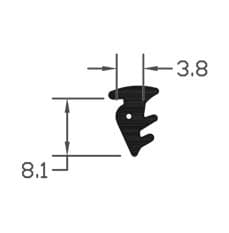
- SYS2 Wedge Gasket
- SYS4 Wedge Gasket
- E-Type Gasket - Black 5m Roll
- E-Type Gasket - Black (Per Metre)
- Structural Glazing Tape - 20mm
Conclusion and next steps
Buying wedge gasket in bulk makes sense for installers who value reduced costs, fewer supply interruptions and consistent on-site performance. Begin by ordering samples of the likely material and profile, trial them on a representative frame, and verify compression and marking behaviour. When satisfied, calculate quantities with a reasonable waste allowance and agree lead times and cut services with your supplier. If you need help specifying the right gasket for a particular window or door system, contact a technical salesperson who can provide datasheets and sample kits to ensure correct selection and installation.
Products mentioned in this article

Related articles
Wedge Gasket Sizes Explained: Finding the Perfect Fit for Your Glazing
Wedge Gasket Sizes Explained: Finding the Perfect Fit for Your Glazing Why the correct wedge gasket matters A wedge gasket is a triangular or tapered seali...
Wedge Gasket vs Flip Gasket: Choosing the Right Seal for Double Glazing
Wedge Gasket vs Flip Gasket: Choosing the Right Seal for Double Glazing Why the right gasket matters Seals are a small component with a big job: they keep ...
Wedge Gasket Installation Guide: Achieving a Watertight Seal Every Time
Wedge Gasket Installation Guide: Achieving a Watertight Seal Every Time A correctly fitted wedge gasket is one of the simplest and most effective ways to p...