
Wedge Gasket Installation Guide: Achieving a Watertight Seal Every Time
Wedge Gasket Installation Guide: Achieving a Watertight Seal Every Time A correctly fitted wedge gasket is one of the simplest and most effective ways to p...
Wedge Gasket Installation Guide: Achieving a Watertight Seal Every Time
A correctly fitted wedge gasket is one of the simplest and most effective ways to prevent water ingress around windows and doors. Whether you are a trade installer fitting aluminium or PVCu frames, or a homeowner tackling draughts and leaks, this post explains how to select, fit and maintain wedge gasket seals to achieve a reliable, watertight result.
What is a wedge gasket and where it is used
A wedge gasket is a sealed, compressible profile with a tapered section designed to sit in a frame rebate or groove and compress against the sash or leaf when the window or door closes. Common materials include EPDM, TPE and PVC; EPDM is favoured for long-term weathering resistance. Wedge gaskets are widely used on residential and commercial windows, entrance doors and some glazed curtain-wall joints where a continuous compression seal is required.
Tools, materials and safety
Before starting, gather the correct tools and materials. For a trade-standard job you will need:
- Wedge gasket in the correct material and size; check compression range with the manufacturer
- Sharp trimming knife or gasket shears
- Mitre block or protractor for 45 degree cuts
- Isopropyl alcohol or proprietary cleaner and lint-free cloths
- Primer or adhesive recommended by the gasket manufacturer; neutral-cure silicone only if advised
- Soft roller or rubber pusher to seat the gasket
- Heat gun or hot air blower for stiff profiles; use low heat and keep moving
- Gloves and eye protection
Preparation: inspection and measuring
Preparation is crucial to a lasting seal. Inspect the rebate for old sealant, dust, paint and corrosion. Remove anything that will prevent full contact between gasket and frame. Measure the perimeter of the opening accurately and allow a small extra length for shrinkage or trimming. Confirm the rebate depth and width so the chosen wedge gasket will compress correctly; most wedge gaskets are designed to compress between 30 and 50 percent to give optimum sealing without preventing operation.
Choosing the right wedge gasket
Select a profile that fits the rebate snugly and compresses appropriately against the sash. EPDM performs well outdoors; TPE can be easier to fit for DIYers as it is more flexible. Check the gasket cross-section against the frame manufacturer’s guidance; some frames require a specific lip or overhang position. If weather rating is critical, choose gaskets with proven water and air permeability data.
Step-by-step installation
Follow these steps for a professional result:
- Clean the rebate: use isopropyl alcohol and a lint-free cloth to remove grease, silicon residues and dust. Let the area dry.
- Cut the gasket: measure and cut using a mitre block for neat 45 degree joints at external corners. For internal corners, a butt joint or a small mitred overlap works depending on profile and manufacturer advice.
- Dry fit: position the gasket without adhesive to check length and fit. Close the sash gently to confirm uniform compression and ensure no interference with hardware.
- Apply adhesive or primer: if the profile is self-adhesive, remove the backing and press into place. For non-adhesive gaskets, apply a thin bead of the recommended adhesive sparingly; too much can squeeze out and attract dirt.
- Seat the gasket: use a soft roller or rubber pusher to press the gasket fully into the rebate. For stiffer profiles, warm the gasket gently with a heat gun to make it more pliable; keep the heat moving to avoid damage.
- Finish corners and joints: trim any excess with a sharp knife and press joints together firmly. Wipe away any adhesive squeeze-out with the appropriate solvent before it cures.
- Test operation: open and close the window or door several times. Check the seal line for gaps and adjust if necessary.
Common problems and troubleshooting
Even with care, issues can occur. Typical faults and how to fix them:
- Leakage at corners: small gaps are usually due to poor mitres. Remove the corner section and refit with fresh adhesive; consider a butt joint if the profile does not mitre cleanly.
- Excessive compression causing binding: choose a thinner profile or reduce frame packing; some frames need an adjustment of strikes or keepers.
- Adhesive failure: ensure surfaces were fully cleaned and primed where required; use the manufacturer’s adhesive for that specific rubber compound.
- Brittle or perished gasket after a few years: replace with a material better suited to UV exposure, such as EPDM.
Trade tips and DIY advice
Trade professionals will benefit from stockholding common sizes, carrying a small range of adhesives and having a digital calliper for quick rebate checks. Label gaskets by profile for fast selection on site. For DIYers, buy a little more length than needed, practice cutting mitres on offcuts, and use masking tape to mark positions before committing adhesive. Always use the manufacturer’s technical sheet when available.
Maintenance and inspection
Inspect wedge gaskets annually: clean with a mild detergent, check for compression loss, and reapply furniture polish or specialist rubber care to keep EPDM supple. Replace any section that shows cracking or permanent deformation. Regular inspection will extend the life of the seal and prevent costly water damage.
Recommended Products
Based on this article, you may find these products helpful:
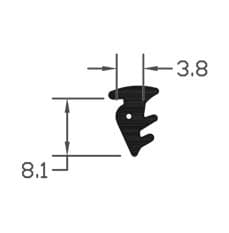
- SYS2 Wedge Gasket
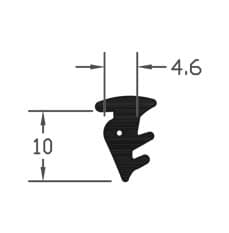
- SYS4 Wedge Gasket
- E-Type Gasket - Black 5m Roll
- E-Type Gasket - Black (Per Metre)
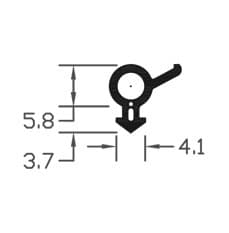
- B003 Bubble Gasket
Conclusion and next steps
Fitting a wedge gasket correctly will significantly reduce draughts and water ingress, and is a task that suits both competent DIYers and trade fitters. Start by selecting the correct material and profile for your frame, prepare the rebate thoroughly, and follow manufacturer instructions for adhesives and compression. If you need more technical details about materials, primers and compatibility, visit our full gasket and seals resource at /guides/gaskets-seals.
Products mentioned in this article
Related articles
Wedge Gasket Sizes Explained: Finding the Perfect Fit for Your Glazing
Wedge Gasket Sizes Explained: Finding the Perfect Fit for Your Glazing Why the correct wedge gasket matters A wedge gasket is a triangular or tapered seali...
Wedge Gasket vs Flip Gasket: Choosing the Right Seal for Double Glazing
Wedge Gasket vs Flip Gasket: Choosing the Right Seal for Double Glazing Why the right gasket matters Seals are a small component with a big job: they keep ...
Buying Wedge Gaskets in Bulk: A Guide for Window Installation Companies
Buying Wedge Gaskets in Bulk: A Guide for Window Installation Companies Wedge gasket products are a common item on van racking and in warehouse bays for wi...