
Trade vs Retail Double Glazing Supplies: What's the Difference?
Trade vs Retail Double Glazing Supplies: What's the Difference? Choosing the right double glazing supplies can save time, reduce costs and improve the fini...
Trade vs Retail Double Glazing Supplies: What's the Difference?
Choosing the right double glazing supplies can save time, reduce costs and improve the finished quality of windows and doors. Whether you are a homeowner fitting a replacement unit or a trade professional managing a project, the source of components matters. This article compares trade and retail supplies, covers technical considerations for glass and hardware, and offers practical advice for both professional installers and competent DIYers.
What are trade double glazing supplies?
Trade double glazing supplies are products sold to installers, fabricators and building professionals. Suppliers typically offer wholesale pricing, volume discounts, technical support and services such as made-to-measure sealed units, bulk hardware packs and next-day delivery. Trade accounts often include access to datasheets, certificates and specialised parts not normally stocked by high-street retailers.
What are retail double glazing supplies?
Retail supplies target consumers and small DIY projects. These are available through home improvement stores and online marketplaces. Retail products are usually sold in smaller quantities, come with consumer-facing packaging and simplified instructions; they favour off-the-shelf components such as standard handles, hinges and ready-made glazing units. This route suits one-off repairs or small replacements where buying a large quantity would be impractical.
Key differences: quality, availability and support
- Price: Trade suppliers reduce unit cost at scale; retail pricing is higher per unit but convenient for small purchases.
- Range: Trade ranges include specialised items such as PAS 24-certified multipoint locks, bespoke espagnolette rods and custom gaskets; retailers stock common, universal parts.
- Support: Trade customers receive technical support, installation guides and access to CAD/spec sheets; retail customers get general instructions and warranty paperwork.
- Lead times: Trade suppliers will cut sealed units to size and supply non-standard hardware to order; retail is limited to stocked sizes and options.
- Certification: Trade suppliers can supply CE/UKCA marked products, performance reports and compliance documentation for building control; retail items may lack full certification relevant to professional installation.
Technical considerations for windows and doors
Understanding the components helps when choosing supplies. Typical double glazing supplies include insulated glass units (IGUs), spacer bars, low-e coatings, inert gas fills such as argon, gaskets and glazing beads. Hardware includes hinges, friction stays, handles, multipoint locks, keep plates, shootbolts, rollers for sliding doors and thresholds.
Key technical points:
- IGU construction: common units are 4/16/4 or 6/12/4 depending on thermal and acoustic requirements; spacer type and gas fill affect U-value and condensation resistance.
- Seal types: butyl and polysulphide primary seals with structural silicone secondary seals extend life; look for reputable manufacturers for long-term durability.
- Corrosion resistance: exterior fixings and hardware should be stainless steel or suitably coated to meet coastal exposure requirements.
- Lock compatibility: multipoint lock backset, centre case size and handle spindle length must match the door profile; trading suppliers list compatible gearboxes and keeps.
- Standards: products should comply with BS EN 14351-1 for windows and external doors, and relevant parts of BS 6375 for operation and weather resistance; security may require PAS 24 or Secured by Design certification.
Practical trade advice
For installers and merchants, efficiency and traceability matter. Use these tips when ordering and fitting supplies:
- Maintain a basic stock of commonly used items: handles, espagnolette rods, hinge sets, keeps and standard gaskets. This reduces site delays.
- Order bespoke IGUs with clear tolerances and edgework specifications; confirm spacer bar width and desiccant requirements to prevent moisture ingress.
- Keep a parts list and kit per project: label fixings for each opening to avoid mixing components between aluminium, timber and PVC-U systems.
- Record batch numbers and relevant certification for building control and warranty purposes.
- Work with suppliers that provide technical drawings and on-the-phone support for unusual profiles or refurbishment situations.
- When fitting multipoint locks, follow manufacturer torque settings for gearbox and handle fixings; improper torque can cause premature wear and misalignment.
DIY guidance for homeowners
Many homeowners can successfully carry out repairs or upgrades if they understand limitations and follow safe working practices. Practical tips:
- Measure accurately when ordering replacement IGUs; ask for units to be labelled with overall thickness and edge size. Allow for correct glass bite and glazing bead clearance.
- Use appropriate PPE: safety glasses, cut-resistant gloves and protective footwear. Large glazed sashes require two people and suction lifters for safe handling.
- When replacing hardware, check the lock centre distance and backset; match spindle length and screw positions to avoid forcing components.
- Use setting blocks at the correct positions when glazing: they support the glass and prevent point-loading. Use neutral-cure silicone for exterior sealing and ensure adequate ventilation during cure.
- For door upgrades, replace thresholds and weatherstrips in one operation to maintain airtightness and avoid cold bridges; check new components meet Building Regulations Part L where relevant.
- If unsure about load-bearing or structural adjustments, consult a trade fitter; incorrect packing or over-tightening screws can distort frames and affect performance.
Choosing between trade and retail
Decide based on scale, complexity and compliance needs. Use retail supplies for single-item replacements and simple hardware swaps. Choose trade suppliers for projects that require consistent quality, certification, bespoke sizes or bulk buying. Trade accounts pay off quickly for installers and builders; homeowners undertaking a full replacement may also benefit from trade-only services such as bespoke IGUs and professional advice.
Recommended Products
Based on this article, you may find these products helpful:
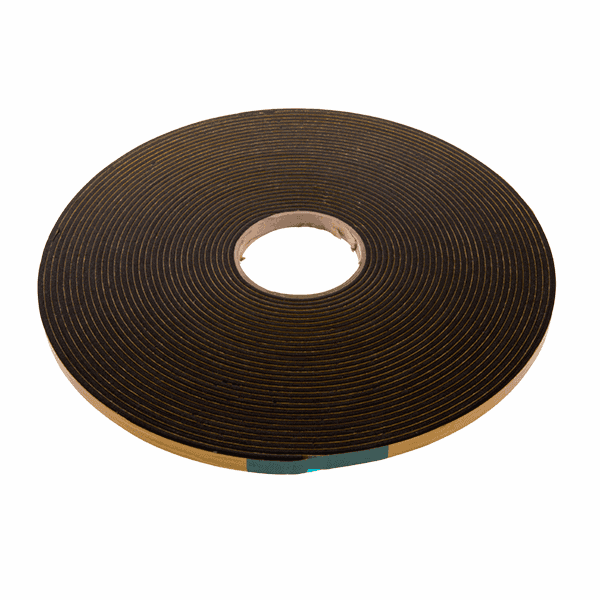
- Structural Glazing Tape - 20mm
- Security Glazing Tape
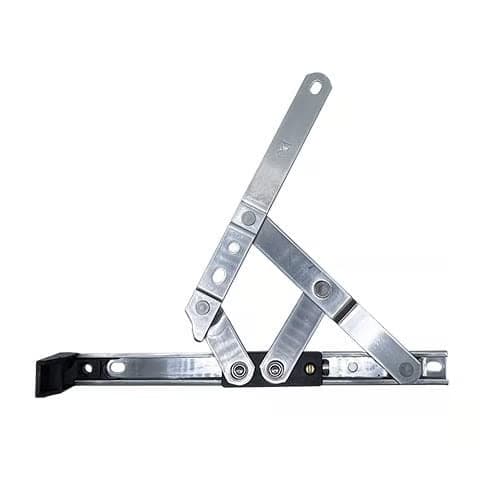
- Top Hung Friction Stay - 12"
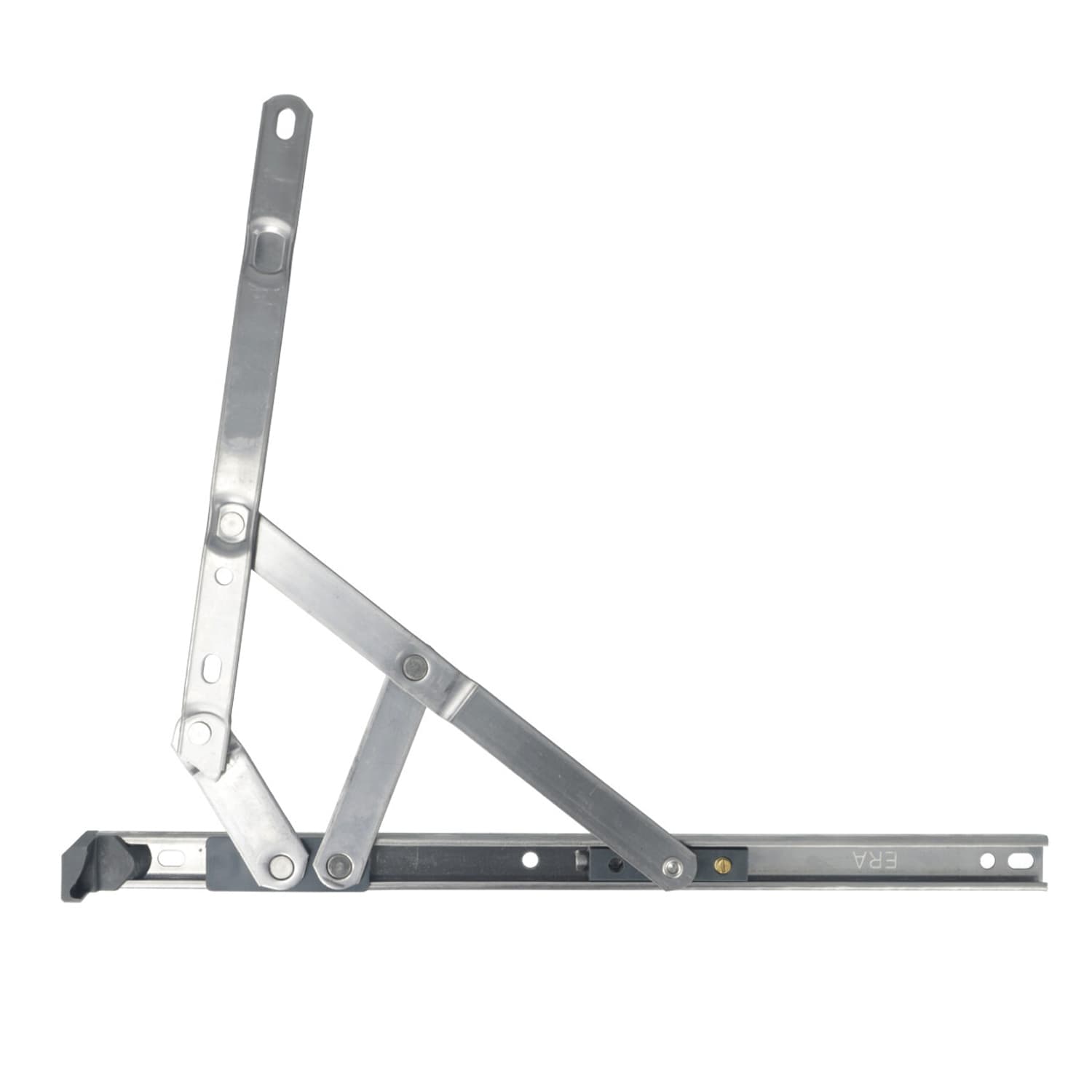
- ERA Egress (Fire escape) Friction Stay
- TSS Standard Friction Stays – 13mm & 17mm Stack Height
Conclusion and next steps
Selecting the right double glazing supplies affects performance, appearance and longevity. For reliable documentation, certified products and broader ranges, trade suppliers offer clear advantages; retail supplies remain useful for simple, one-off jobs. Next steps: review your project scope, consult technical datasheets and, if appropriate, open a trade account to access volume pricing and specialist support. For more information and product ranges visit our pillar page: double glazing supplies.
Products mentioned in this article
Related articles
How Old uPVC Window Parts Differ from Modern Replacements
How Old uPVC Window Parts Differ from Modern Replacements Older uPVC windows fitted in the 1980s and 1990s were robust for their time, but the components u...
Glazing Tools Safety Guide: Avoiding Common Injuries
Glazing Tools Safety Guide: Avoiding Common Injuries Working with glazing tools carries a real risk of cuts, crushed fingers and slips when handling panes ...
How to Maintain Your Glazing Tools for Longer Life
How to Maintain Your Glazing Tools for Longer Life Whether you are a trade glazier or a DIY homeowner replacing a pane, well‑maintained glazing tools save ...