
Understanding Night Latch Specifications: A Buyer's Guide
Understanding Night Latch Specifications: A Buyer's Guide A night latch is a popular surface-mounted lock fitted to the inside face of entrance doors for q...
Understanding Night Latch Specifications: A Buyer's Guide
A night latch is a popular surface-mounted lock fitted to the inside face of entrance doors for quick locking and easy exit. Preferred by homeowners and trade professionals across the UK, night latches balance everyday convenience with reasonable security when specified and fitted correctly. This article explains the key specifications to check when buying a night latch, offers trade and DIY advice for measuring and fitting, and highlights how to match a night latch to your door and security needs.
What is a night latch and where it is used
Night latches are rim-mounted locks that latch shut when the door closes; some models re-lock automatically. They are commonly used on timber and composite front doors and as a secondary lock on multi-point locked doors. A typical night latch has a spring-loaded latch operated by a key from outside and a knob or thumbturn on the inside so occupants can leave without a key. There are variants that offer deadlocking for enhanced security; those are usually specified for higher-risk applications.
Key specifications to check before buying
- Backset: the distance from the door edge to the cylinder or knob centre. Common backsets are 35mm, 44mm and 60mm. Measure accurately to ensure the latch aligns with existing holes and strike plate.
- Case depth and projection: the case depth determines how the lock sits on thicker or rebated doors. Projection refers to how far the latch protrudes; check against door furniture and letterplates to avoid interference.
- Handing: some night latches are reversible; others are handed for left or right opening doors. Confirm the handing of the door or opt for reversible models to simplify stock holding.
- Cylinder type: rim cylinders are usual for night latches; they can be keyed alike, master-keyed or fitted with TS007 3-star cylinders for better anti-snap protection. Euro cylinders are not compatible with most rim night latches unless the lock is specifically designed to accept them.
- Deadlocking function: deadlocking night latches prevent the latch being slipped by forcing the deadlock when the door is closed and the key is turned; they are preferable where insurance or higher security is required.
- Material and finish: choose finishes to match door furniture and resist weathering. Brass and stainless steel are robust options; plated finishes vary in durability so check manufacturer data.
- Certification: look for Sold Secure or BS EN ratings where applicable; note that BS3621 relates to mortice deadlocks but some night latches with deadlocking features have recognised standards for insurance purposes.
Trade advice: choosing the right night latch for projects
For installers and builders, standardise on a small range of models that cover common backsets and reversible handing to reduce van stock complexity. Fit TS007 3-star cylinders on external doors when possible; these improve insurance acceptance and reduce callbacks. For rental or HMOs, select night latches with a robust deadlocking feature to limit opportunistic entry attempts.
When specifying for timber doors versus composite or uPVC, verify compatibility: many night latches are designed primarily for solid timber and may need additional fixing or reinforcement on thin or hollow doors. For doors with letterboxes or low night latch positions, confirm that the latch cannot be reached through the letterplate; consider moving the latch higher if there is a security concern.
DIY guidance: measuring and fitting basics
Tools you will need: screwdriver set, chisels, tape measure, pencil, square, drill and appropriate drill bits. Follow these steps to avoid common errors:
- Measure door thickness and backset first: failure to get these right is the most common cause of returns.
- Mark the centre height relative to existing furniture; a typical door handle height is 1000–1050mm from finished floor level, but match existing fittings for consistency.
- Check that screws supplied are long enough to bite into the door; use longer wood screws when needed, but avoid screws that protrude through the face of the door.
- When fitting a rim night latch, ensure the strike box or keep is correctly aligned and morticed into the frame for a flush fit; poor alignment causes jamming and early wear.
- Always test operation with the door closed and latched several times before finishing. Ensure the internal thumbturn allows quick egress without a key; this is important for safety and compliance.
Compatibility and common pitfalls
Be aware that night latches are not a replacement for a primary, insurance‑rated deadlock on many properties: some insurers may request BS3621-compliant mortice deadlocks or a multi-point locking system on composite doors. If upgrading security, combine a night latch with a good quality mortice deadlock or multi-point lock rather than relying solely on the night latch.
Common fitting mistakes include selecting the wrong backset; choosing a non-reversible latch for the wrong door handing; and inadequate fixing into weak frame or thin door panels. For trade professionals, pre-drilling pilot holes and using corrosion‑resistant screws prevent splitting and long-term loosening.
Maintenance and longevity
Night latches require simple maintenance to stay reliable: lubricate the cylinder annually with a graphite or dry lubricant; avoid oil-based lubricants that attract dust. Clean finishes with a mild detergent and avoid abrasive cleaners that strip coatings. If the latch starts to stick, check alignment and striker plate depth; adjust the keep by loosening screws and repositioning slightly rather than forcing the mechanism.
Where to seek further specification detail
For full technical data, consult manufacturer datasheets and the relevant product page. Our pillar resource on door locks is available at /guides/door-locks for related articles on mortice locks, multi-point systems and cylinder choices. For projects requiring certification or specific insurance compliance, request product declarations and ask suppliers for test evidence.
Recommended Products
Based on this article, you may find these products helpful:
- TL Thumb Turn Euro Cylinder
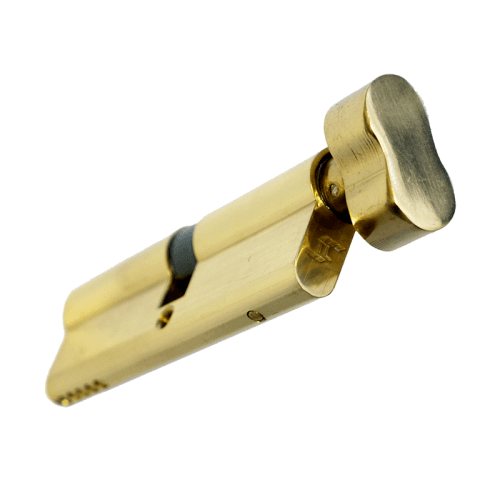
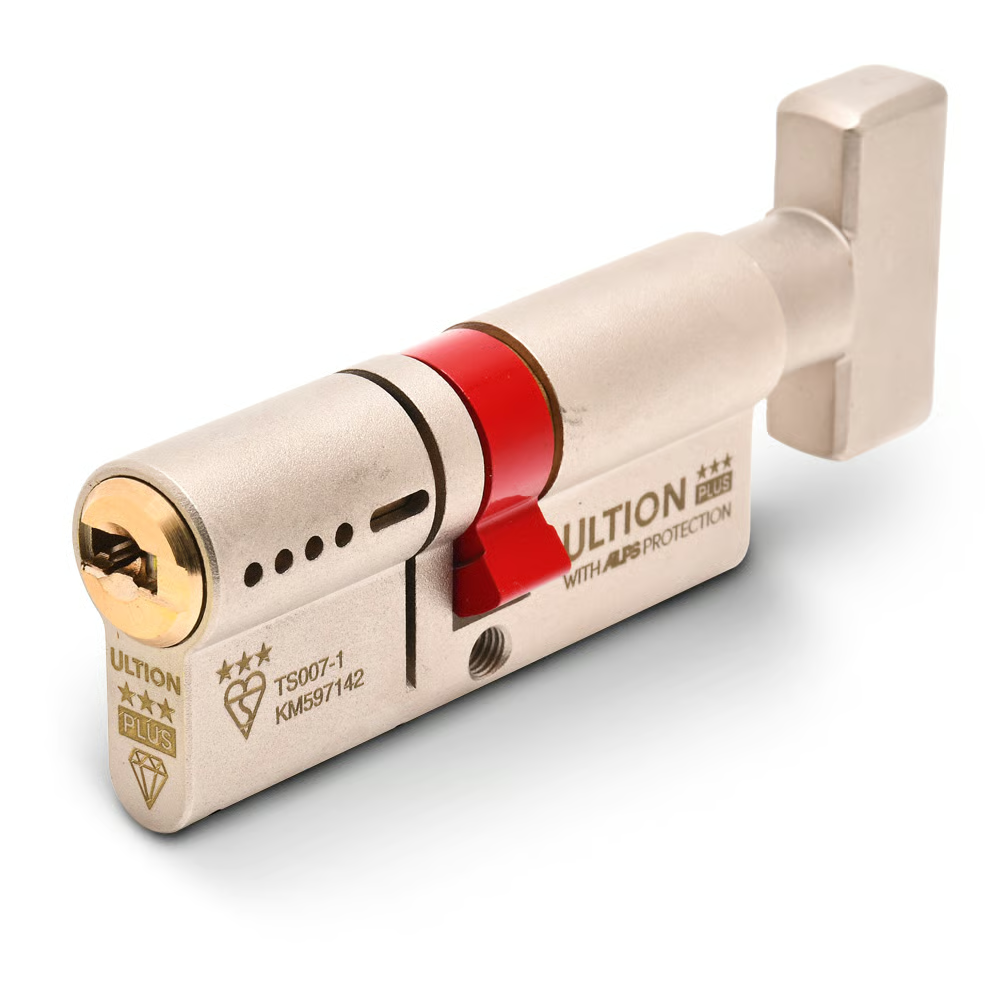
- Ultion Plus TS007 3* Kitemarked Euro Key & Turn Cylinder
- TSS Door Handle Lever
- TSS Door Handle Lever Short
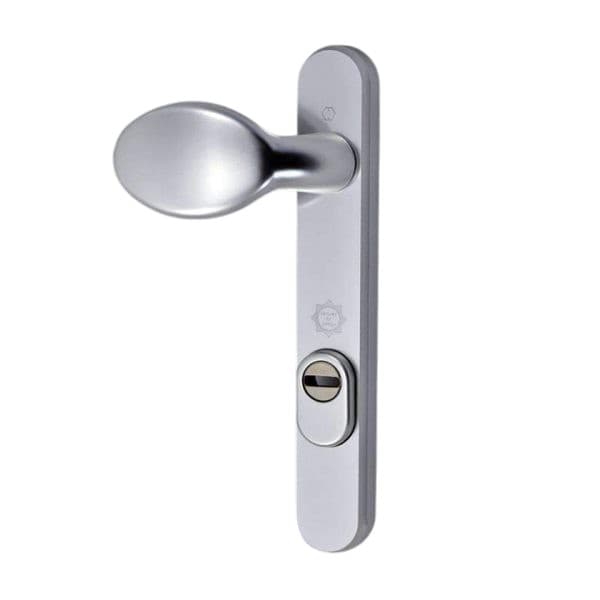
- Affinity Security Door Handle
Conclusion and next steps
Choosing the right night latch relies on accurate measurement, understanding backset and handing, selecting an appropriate cylinder and deciding whether a deadlocking feature is needed. For homeowners, consider a thumbturn inside for safe egress and pair the night latch with a primary deadlock if insurance requires it. For tradespeople, standardise stock on reversible, robust models and fit anti-snap cylinders where appropriate.
Next steps: measure your door backset and thickness; decide on cylinder security level; check handing; then consult product datasheets or contact Window Hardware Store for recommendations, stock availability and technical support.
Related articles
How to Fit a Night Latch: Step-by-Step Installation Guide
How to Fit a Night Latch: Step-by-Step Installation Guide A night latch is a common surface-mounted lock fitted to the inside face of a front door; it lock...
How to Replace a Night Latch Lock: DIY Instructions
How to Replace a Night Latch Lock: DIY Instructions A night latch is a common surface-mounted lock found on many UK front doors; it offers easy exit from t...
Automatic vs Manual Night Latches: Which Type Do You Need?
Automatic vs Manual Night Latches: Which Type Do You Need? Choosing the right night latch for a front or back door is a common decision for UK homeowners a...