
Understanding Wedge Gasket Compression: Getting the Seal Pressure Right
Understanding Wedge Gasket Compression: Getting the Seal Pressure Right Wedge gasket performance is one of the unsung factors that determines how well a wi...
Understanding Wedge Gasket Compression: Getting the Seal Pressure Right
Wedge gasket performance is one of the unsung factors that determines how well a window or door keeps out draughts, water and noise. Whether you are a trade installer or a homeowner carrying out repairs, understanding how much compression a wedge gasket needs will help you achieve reliable weather sealing without creating fitting problems or premature wear.
What is a wedge gasket and where it is used
A wedge gasket is a linear seal with a tapered or wedge-shaped section designed to sit between the sash and frame or between two components where a progressive seal is required. They are common in replacement seals for timber, aluminium and PVC-u windows and doors. Typical materials include EPDM rubber, TPE and PVC, chosen for durability, flexibility and resistance to UV and temperature changes.
Why compression matters
Compression controls the contact pressure between the gasket and the mating surface. Too little compression and you will get poor air-tightness, water penetration and noise ingress. Too much compression and you risk:
- excessive closing forces that make handles hard to operate;
- accelerated wear and permanent set of the gasket;
- distortion of the sash or frame over time, especially on softer timber profiles.
Proper compression delivers a continuous, even seal around the perimeter and helps windows and doors meet performance criteria such as BS 6375 for weather tightness.
Typical compression targets and practical ranges
Compression recommendations vary by profile and material, but a useful practical target is to achieve a compression in the range of 20 to 40 percent of the gasket’s original section height. Softer materials such as EPDM often work well around 25 to 35 percent; firmer profiles or PVC might need lower compression to avoid high closing loads.
Always follow the gasket manufacturer’s datasheet where available. Manufacturer guidance will include recommended compression percentages and allowable closure forces; these are based on material properties and intended application.
How to measure and set wedge gasket compression
For trade professionals there are precise methods; for homeowners there are simpler checks that give effective results:
- Feeler gauge or card test: Close the sash onto the gasket and slide a known thickness feeler or a business card at several points. If the card pulls out easily with no resistance the seal is under-compressed; if it can hardly be removed you may be over-compressing.
- Visual gap measurement: Measure the original gasket section and the gap when closed to calculate percentage compression: (original height minus compressed height) / original height x 100.
- Handle force/operation test: Check that handles operate smoothly and that the locking points engage without excessive effort. High handle torque can indicate over-compression, particularly on multi-point hardware; use the manufacturer’s specified torque where provided.
- Compression gauge or load cell: In professional installations a force gauge can measure contact pressure in N/mm or similar units. This gives repeatable data for quality control on large jobs.
Adjustment methods for correct compression
How you correct compression depends on the system and whether you are fitting a new gasket or adjusting an existing one:
- Adjust the keeps or striker plates: Many metal keeps are adjustable and allow you to increase or decrease compression at locking points; this is a preferred method on casement windows and doors.
- Use hinge packers: On some casements, slim packers behind hinges or by adjusting hinge position can change sash alignment and compression.
- Trim or change gasket section: If a gasket is consistently over-compressed or under-compressed, select a different profile with the appropriate section height or shore hardness.
- Replace aged seals: Gaskets that have taken a permanent set or become hard should be replaced rather than over-compressed to compensate.
- Add or remove back-up seals: Where appropriate, a secondary seal or drip strip can be used so the wedge gasket need not be over-stressed to achieve performance.
Practical tips for installers and DIYers
- Work around the full perimeter: Compression should be even; adjust at multiple locking points rather than over-tightening a single keep.
- Mitre corners correctly: Poor corner joints on wedge gaskets cause local leaks; use correct cutting angles and adhesive or welding techniques for the material.
- Check for compression set after a few months: New gaskets may initially relax. Re-check operation and weather tightness and re-adjust keeps if necessary.
- Use compatible lubricants: A small amount of silicone lubricant can ease operation and extend gasket life; avoid petroleum-based products which degrade rubber.
- Protect sealing surfaces: Ensure paint, sealant or debris is removed from contact faces before fitting a new gasket so full compression can be achieved without obstruction.
Material considerations and longevity
Different materials behave differently under compression. EPDM is generally excellent for external window seals because of its resistance to ozone and UV; it maintains flexibility and recovers well from compression. TPE gives good flexibility and is often used where low friction is needed. PVC is economical but can harden over time. Consider the expected service life and environmental exposure when selecting a wedge gasket.
Standards and performance
Aim to meet the appropriate British Standards and product specifications. BS 6375 parts relate to weather tightness and operational performance of windows and doors; correct gasket compression is a key factor in achieving the required air permeability and watertightness ratings. For trade jobs, document the test method and results for handover records.
Recommended Products
Based on this article, you may find these products helpful:
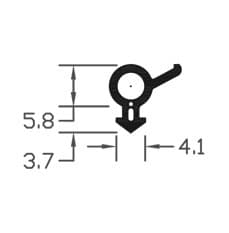
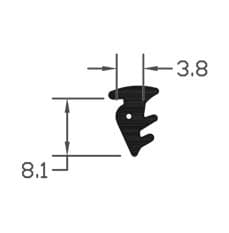
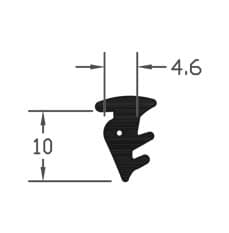
- SYS2 Wedge Gasket
- SYS4 Wedge Gasket
- E-Type Gasket - Black 5m Roll
- E-Type Gasket - Black (Per Metre)
- B003 Bubble Gasket
Conclusion and next steps
Getting wedge gasket compression right balances seal performance with ease of operation and longevity. Use manufacturer's guidance where available, aim for even compression across the perimeter, and employ simple tests such as feeler gauges and handle-operation checks for practical results. For tradespeople, consider periodic measurement with a compression or force gauge for quality control.
Next steps: review the gasket material and profile for your window or door, check keeps and hinge settings, and visit our pillar resource for more on sealing options: /guides/gaskets-seals. If in doubt, consult the gasket manufacturer or your hardware supplier for recommended compression targets and installation advice.
Products mentioned in this article
Related articles
Wedge Gasket Sizes Explained: Finding the Perfect Fit for Your Glazing
Wedge Gasket Sizes Explained: Finding the Perfect Fit for Your Glazing Why the correct wedge gasket matters A wedge gasket is a triangular or tapered seali...
Wedge Gasket vs Flip Gasket: Choosing the Right Seal for Double Glazing
Wedge Gasket vs Flip Gasket: Choosing the Right Seal for Double Glazing Why the right gasket matters Seals are a small component with a big job: they keep ...
Buying Wedge Gaskets in Bulk: A Guide for Window Installation Companies
Buying Wedge Gaskets in Bulk: A Guide for Window Installation Companies Wedge gasket products are a common item on van racking and in warehouse bays for wi...