
Upgrading to an Anti-Snap Cylinder: What to Expect
Upgrading to an Anti-Snap Cylinder: What to Expect Upgrading to an anti snap cylinder is a cost-effective way to improve the security of uPVC, composite an...
Upgrading to an Anti-Snap Cylinder: What to Expect
Upgrading to an anti snap cylinder is a cost-effective way to improve the security of uPVC, composite and aluminium doors. Whether you are a homeowner wanting to protect your property or a trade professional advising clients, understanding what to expect from the product, the installation and the aftercare will help you make the right choice and avoid common pitfalls.
Why fit an anti snap cylinder?
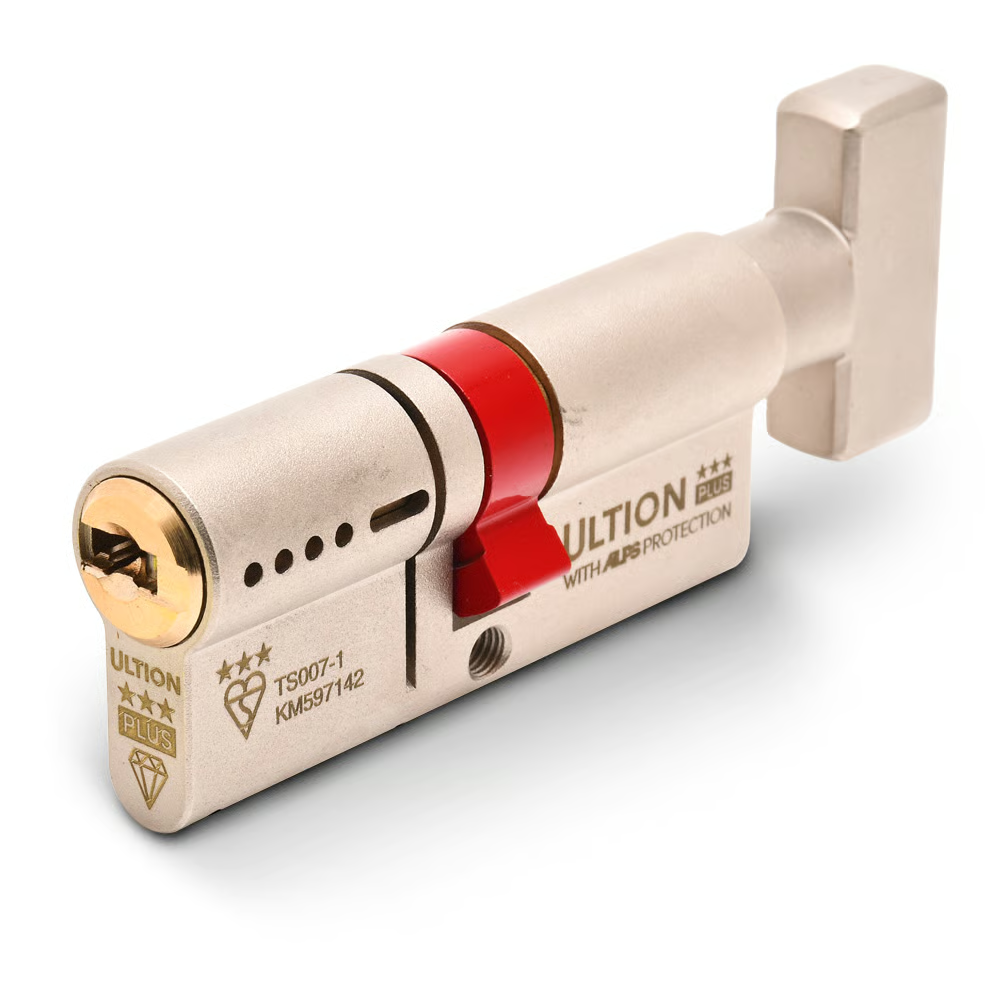
Traditional euro profile cylinders can be vulnerable to cylinder snapping: a burglar applies force to the exposed end of the cylinder, breaks the weaker section and then manipulates the remaining mechanism to open the lock. An anti snap cylinder is designed to resist this attack by incorporating a sacrificial front section, hardened components and improved internal mechanisms. In the UK, the recognised benchmark is the TS007 3-star rating; many insurers now prefer or require a TS007 3-star cylinder on uPVC doors.
Choosing the right cylinder
Key factors to consider when selecting an anti snap cylinder:
- Certification: choose a TS007 3-star rated cylinder where possible; look for additional features such as anti-drill pins and anti-pick protection.
- Size and profile: measure the existing cylinder accurately. Measure from the central fixing screw hole to each end; common sizes are 35/35, 30/40, 40/40 mm etc. Order the correct off-set length if one side of the door is thicker.
- Type: decide between a double cylinder (key both sides), an internal thumbturn cylinder, or a thumbturn on the inside with key on the outside. For fire escape routes, check building regulations before specifying thumbturns.
- Compatibility: ensure the new cylinder is compatible with the multipoint lock’s cam position and the door furniture; some multipoint mechanisms require a cam offset or specific cam shape.
- Keying options: consider keyed-alike systems for convenience on multi-door properties, or master-keyed systems for commercial installations.
Tools and materials you will need
For a straightforward cylinder swap you will need:
- Replacement anti snap cylinder (correct length and type)
- Screwdrivers set: crosshead and flat
- Measuring tape or rule
- Penetrating lubricant such as graphite or light oil
- Spare screws if the original is worn
- Work gloves and eye protection for trade installations
DIY installation: step-by-step
Replacing a euro cylinder is often a one-person job that takes 10 to 30 minutes for a competent DIYer. Follow these steps:
- Measure: confirm the length and type before ordering the new cylinder. Double-check you have the correct fixing screw size.
- Open the door: unlock and open the door so the spindle and cam are in a neutral position; some locks require the handle to be turned to align the cam.
- Remove the fixing screw: this is located on the edge of the door at the level of the cylinder. Unscrew and keep safe.
- Withdraw the old cylinder: insert the key, turn slightly to align the cam and slide the cylinder out. If the cylinder is seized, apply lubricant and gently work the key back and forth.
- Fit the new anti snap cylinder: carefully insert the new cylinder, ensuring the cam engages. Refit the fixing screw without over-tightening; excessive torque can distort the cylinder and affect operation.
- Test: operate the lock several times with the door closed and open; check both key and thumbturn operation if fitted. Test with all handles and any furniture in place.
Trade advice and installation best practice
For installers and door specialists, consider these practical tips:
- Always confirm the cam orientation on multipoint locks; some cylinders will not work with certain cam profiles and could cause binding during locking.
- When replacing multiple cylinders on a property, offer master-keying or keyed-alike options; discuss security versus convenience with the client.
- Check door handles and escutcheons: a high-quality anti snap cylinder will benefit from reinforced or sprung-toe handles and an outer escutcheon; these can reduce leverage on the cylinder and help prevent tampering.
- Record installations: keep serial numbers and make/model details for warranty claims and insurance documentation.
- If the door shows excessive movement or the multipoint keeps dropping out of alignment; consider adjusting hinges or replacing the lock case rather than just the cylinder.
Common problems and troubleshooting
Issues you may encounter and how to address them:
- New cylinder sticks or binds: check that the cylinder length is correct and that the cam is not over-stressed. Loosen the fixing screw slightly to see if the binding relieves; recheck alignment.
- Key will not turn: confirm the cam is aligned with the lock’s follower; try wiggling the key gently while turning. If still stiff, remove and verify the cam orientation.
- Cylinder protrudes too far: this increases risk of attack. Replace with an appropriately sized off-set cylinder and add suitable furniture or an escutcheon to reduce exposure.
- Insurance concerns: some insurers require TS007 3-star when replacing cylinders; always advise clients to check their policy wording and keep receipts and certification.
Maintenance and aftercare
Anti snap cylinders still require routine care to remain reliable. Lubricate with a dry graphite spray or a specialist lock lubricant every 12 months; avoid heavy oils that attract dust. Check that external escutcheons and handle fixings are secure and that there is no movement which could stress the cylinder. If keys feel rough or excessive force is needed, investigate immediately to prevent internal damage.
Further reading and resources
For more technical detail on euro profile cylinders and sizing, refer to our pillar page at /c/locks-security. For insurance or compliance questions, consult the TS007 standard guidance and local building regulations where necessary.
Recommended Products
Based on this article, you may find these products helpful:
- TL Thumb Turn Euro Cylinder
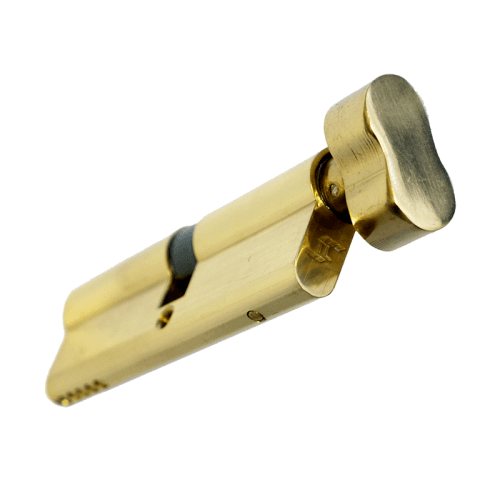
- Ultion Plus TS007 3* Kitemarked Euro Key & Turn Cylinder
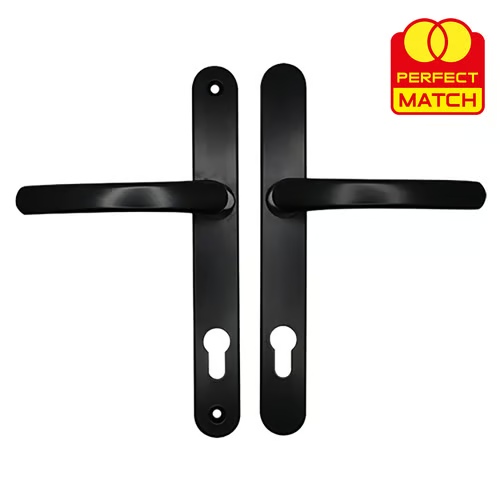
- TSS Door Handle Lever
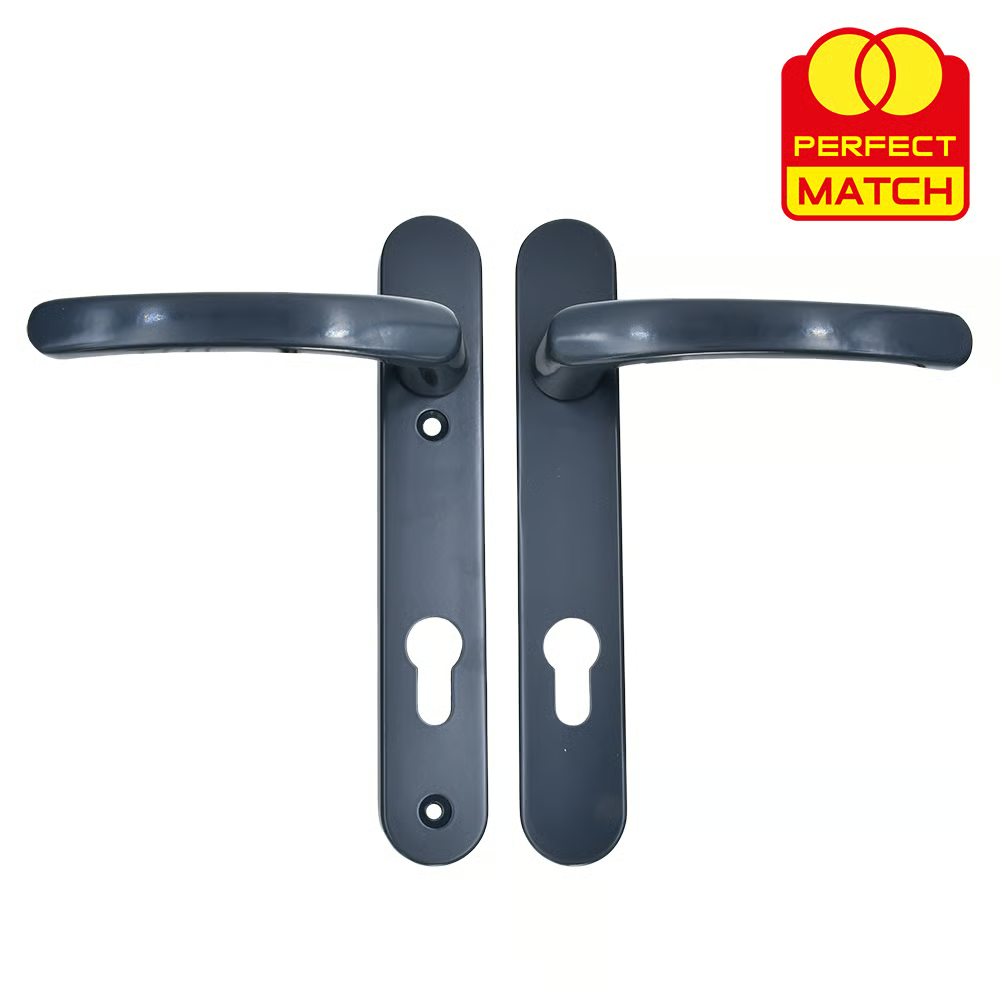
- TSS Door Handle Lever Short
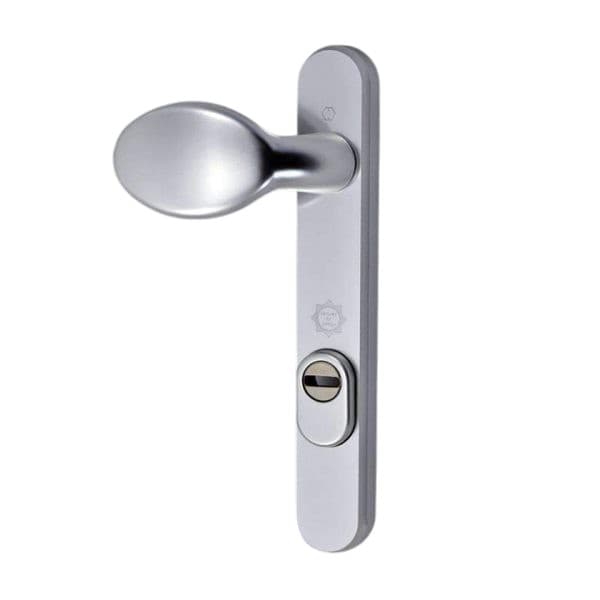
- Affinity Security Door Handle
Conclusion and next steps
Upgrading to an anti snap cylinder is a relatively quick upgrade that significantly improves door security when specified and installed correctly. As a homeowner, confirm cylinder size, check for the TS007 3-star mark and decide on thumbturn versus keyed operation. As a trade professional, measure carefully, verify cam compatibility with the multipoint lock and advise clients about handles and escutcheon reinforcement. If you are unsure about alignment or the door’s locking mechanism, contact a qualified locksmith or use our trade support for complex installations.
Related articles
What Is a Thumb Turn Cylinder? Convenience vs Security
What Is a Thumb Turn Cylinder? Convenience vs Security What is a thumb turn cylinder? A thumb turn cylinder is a type of euro-profile lock cylinder that ha...
Thumb Turn Cylinder vs Panic Bar: Exit Options Compared
Thumb Turn Cylinder vs Panic Bar: Exit Options Compared examines two very different approaches to door egress and security. The thumb turn cylinder is a co...
Thumb Turn Cylinder Sizes: Finding the Right Length
Thumb Turn Cylinder Sizes: Finding the Right Length Choosing the correct thumb turn cylinder is vital for security, smooth operation and a neat finish on d...