
uPVC Window Parts Diagram: Name Every Component on Your Window
uPVC Window Parts Diagram: Name Every Component on Your Window Whether you are a trade professional fitting frames or a homeowner carrying out repair work,...
uPVC Window Parts Diagram: Name Every Component on Your Window
Whether you are a trade professional fitting frames or a homeowner carrying out repair work, understanding upvc window parts will save time and avoid costly mistakes. Below is a comprehensive breakdown of every common component on a casement or tilt-and-turn uPVC window: what it is, what it does and practical advice for repair, adjustment and replacement.
Main frame and fixed parts
- Outer frame: The fixed uPVC enclosure that is mechanically fixed into the building opening; it holds the sash and glazing in place.
- Head: The top horizontal member of the frame.
- Sill or cill: The bottom horizontal member; often has an integrated drainage channel and drip detail to expel water.
- Jambs (side jambs): The vertical sides of the frame.
- Mullion: A vertical member between two adjoining window units; used on multi-panel assemblies.
- Transom: A horizontal member between stacked sashes; common on larger openings.
- Reinforcement: Galvanised steel sections inserted into hollow cavities to give stiffness; important for secure fixing and longevity.
Glazing and glazing components
- Glass unit (IGU): Insulated glass unit, typically double or triple glazed; contains spacer bars and sealed edges.
- Spacer bar: The metal or warm-edge strip between panes that maintains gap and contains desiccant.
- Glazing bead: Removable uPVC strips that hold the glass unit inside the sash; usually clipped in from the inside.
- Glazing packers: Small plastic or nylon shims used under the glass to align and level the IGU; essential when replacing glass.
- Seals and gaskets: Rubber or synthetic weather seals around sash and frame; they prevent draughts and water ingress and can be replaced if perished.
- Weep/drain slots: Small drainage channels and holes in the cill to allow water to exit the frame; keep them clear during maintenance.
Openable sash parts and hardware
- Sash: The moving part of the window that holds the glazing and hardware; it can be side-hung, top-hung, or tilt-and-turn.
- Hinge: For side-hung windows these are friction stays or butt hinges; for top-hung they are top hinges; tilt-and-turn uses more complex hinge systems. Hinges carry the load and allow controlled opening.
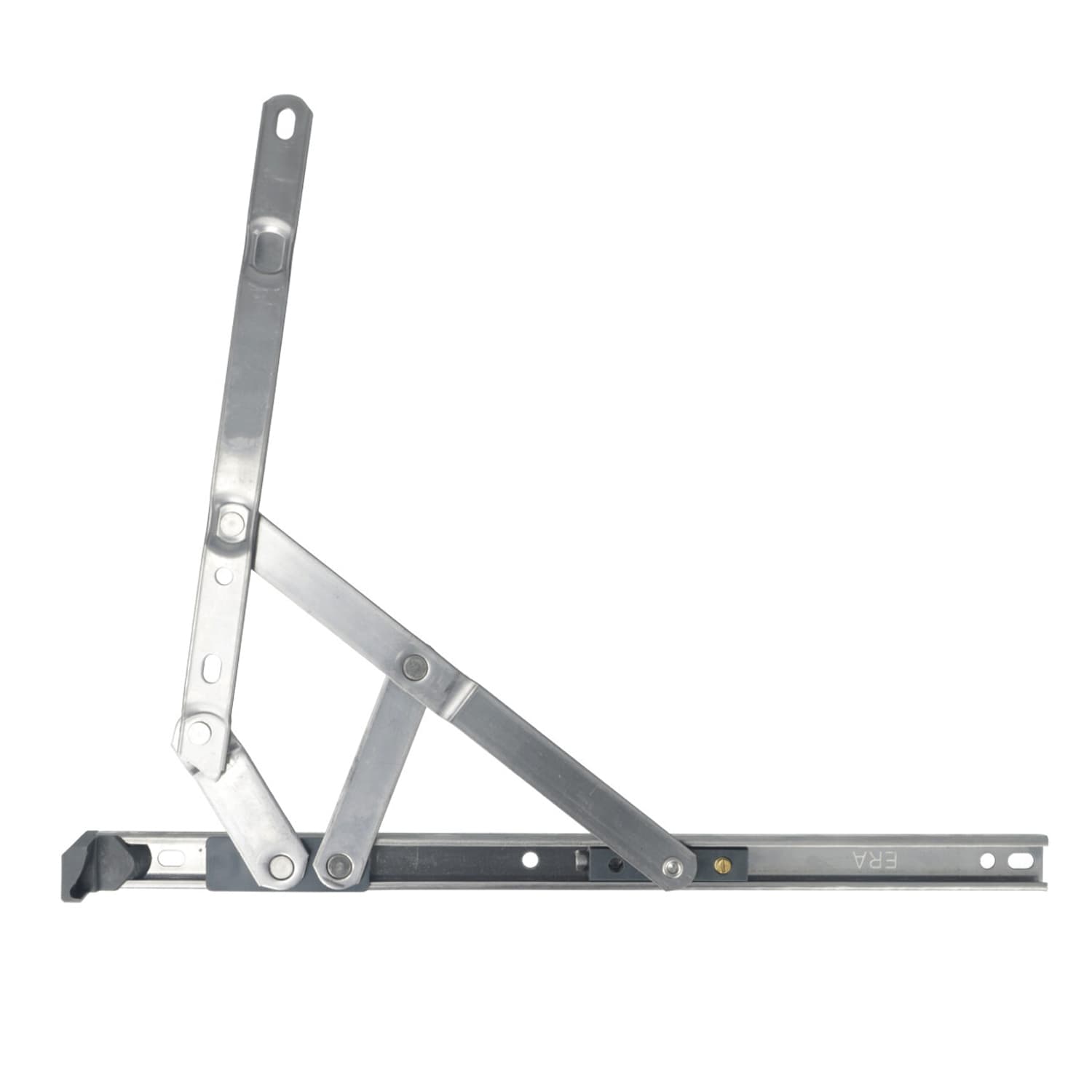
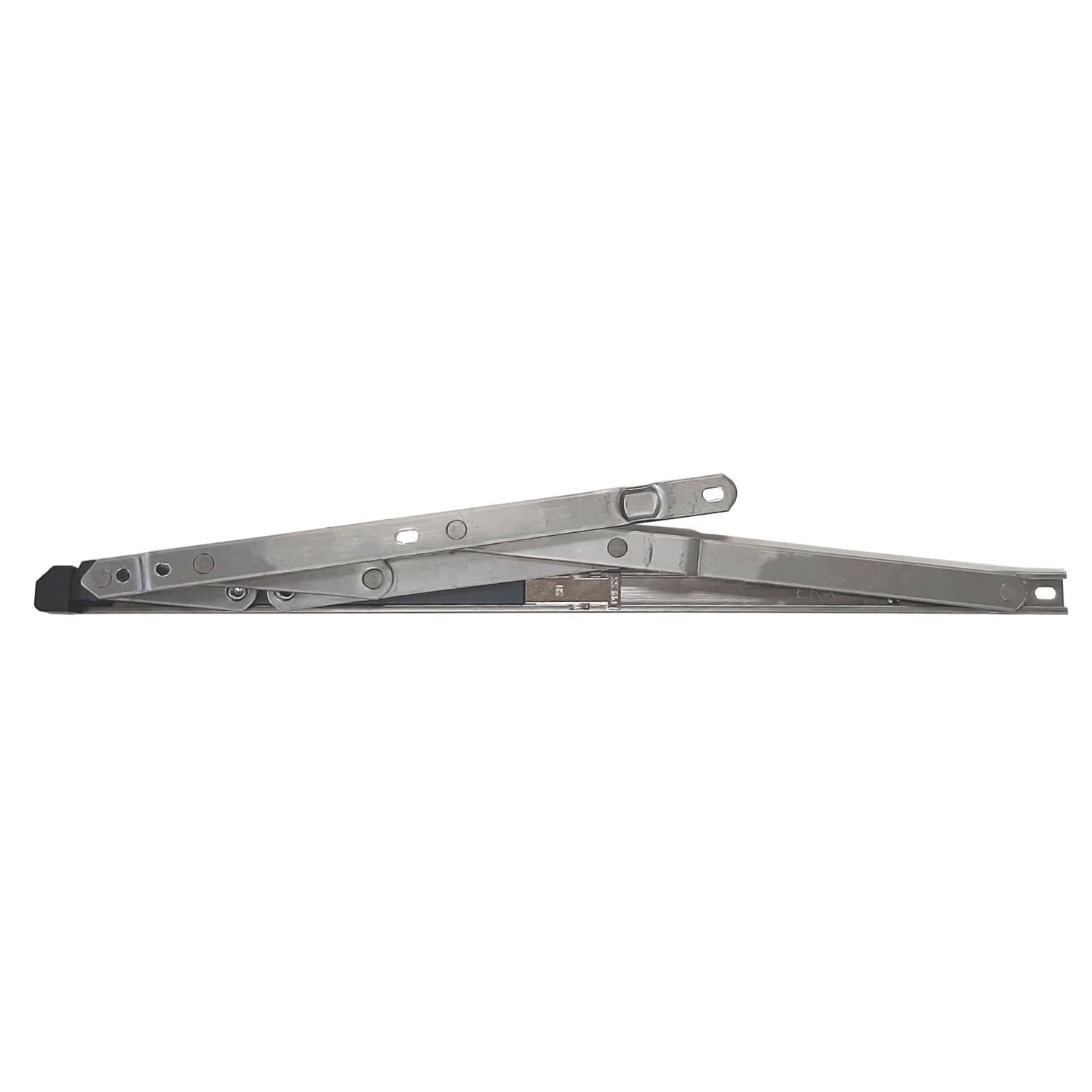
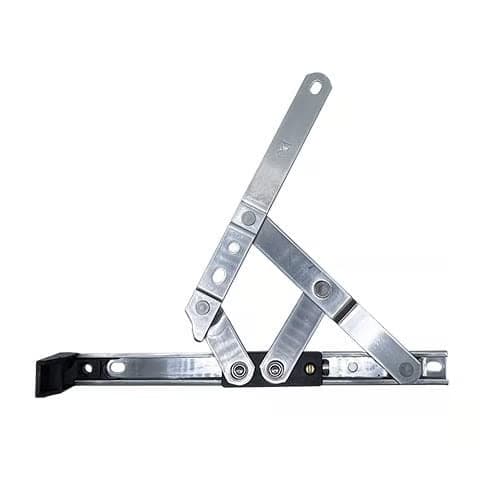
- Friction stay: A type of hinge that provides friction to hold the sash open; adjustable to correct alignment and wind-load behaviour.
- Restrictor/limiter: A safety device that limits how far the sash opens; useful for child safety or balcony situations.
- Handle: Operates the espagnolette mechanism; handle types include lever, monkey tail and lockable handles with key.
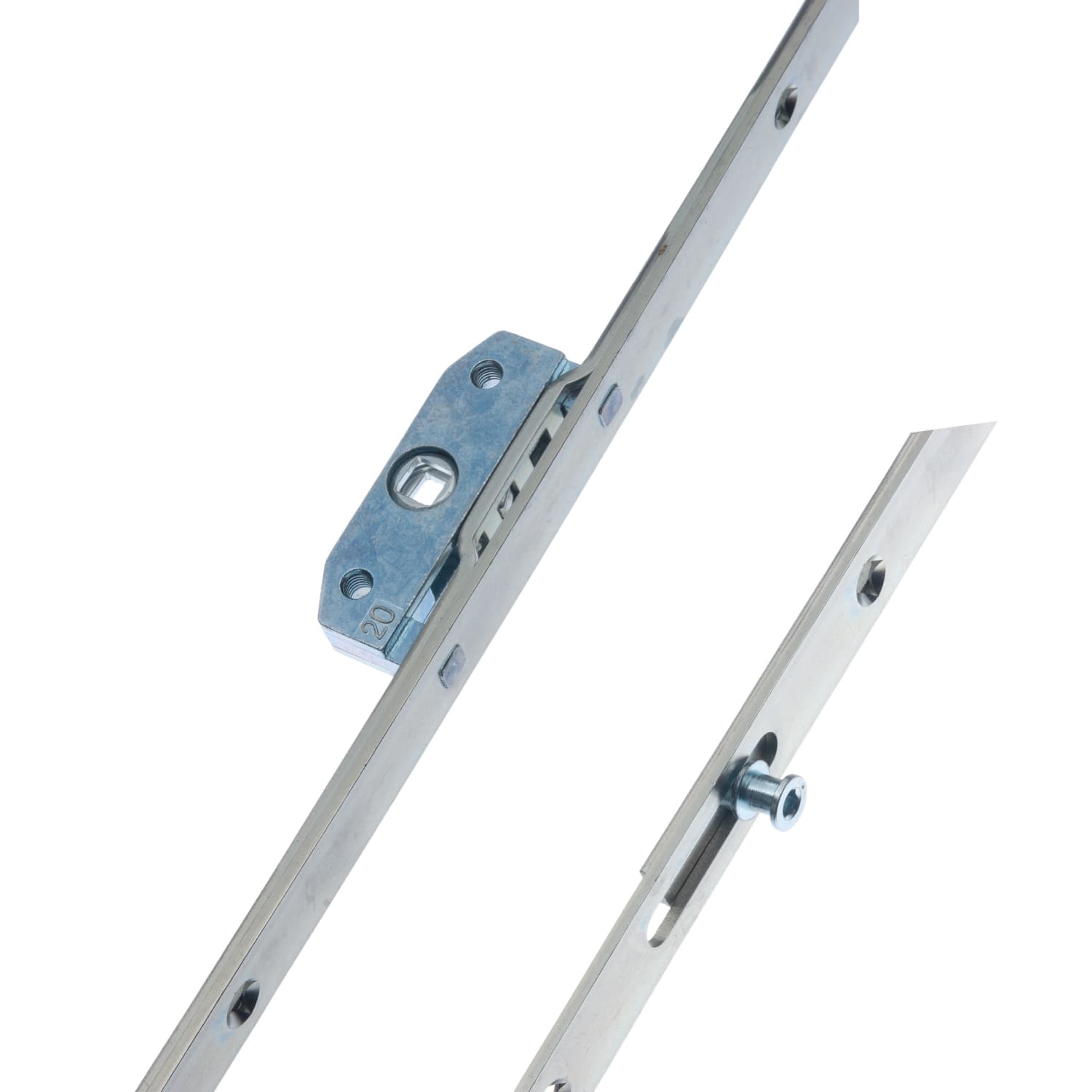
- Espagnolette mechanism: The internal locking rod system that pulls the sash tight to the frame when the handle is turned; contains cams, gearbox and linkage rods.
- Keeps and striker plates: Metal plates fixed to the frame which receive the espagnolette cams or hooks; alignment between keep and cam is critical for a secure lock.
- Mushroom cams and hooks: Anti-burglar keeps and cams that engage to provide compression and enhanced security; often used with multi-point keeps.
Ventilation, weathering and security extras
- Trickle vent: Small built-in ventilation device fitted to the head of the frame to provide background ventilation while the window is closed.
- Drip cap or drip bar: Profile that helps divert water away from the face of the window; often part of the cill detail.
- Perimeter brush seals: Secondary seals to reduce noise and dust ingress; commonly found around sashes in flush-fit designs.
- Security locks and restrictors: Add-on devices such as hinge-side bolts or sash jammers that enhance security; recommended for ground-floor or vulnerable windows.
Practical trade and DIY advice
- Identifying parts: When ordering spares, take clear photos of the sash edge and the gearbox; manufacturers use different gearing and spindle sizes so exact matches matter.
- Replacing a glass unit: Remove glazing bead carefully using a flat wedge or bead lifter; support the IGU from below; replace packers before refitting the bead. Always wear cut-resistant gloves and eye protection.
- Adjusting hinges and stays: Most friction stays and hinges have adjustment screws for lateral and vertical alignment; use the correct size Allen key or Torx bit to avoid rounding heads.
- Espagnolette alignment: If the handle is stiff or the sash does not compress evenly, check keep positions and adjust striker plates in small increments to restore compressive seals.
- Seals and draughts: If seals are compressed or perished, remove the old gasket using a pick and run new replacement gasket into the bulb groove with soapy water as a lubricant; trim cleanly at corners.
- Lubrication and maintenance: Use a light silicone spray or grease for metal hardware; avoid petroleum-based oils on rubber seals as they can degrade the material.
- Safety and when to call a pro: For cracked IGUs, structural frame damage or if reinforcement steel is corroded, call a trade installer; for complex gearbox replacement on high-level windows use scaffold or professional access equipment.
Common faults and quick diagnoses
- Window sticks or is hard to close: Check for sash distortion, swollen seals or out-of-alignment keeps; hinge adjustment often corrects issues.
- Draughts from corners: Worn corner seals, misaligned keeps or failed packers under the glass are usual suspects; inspect with a smoke pencil or tissue in windy weather.
- Water in cill or leaking frame: Check weep holes for blockages and ensure the cill slope and external sealant are intact.
- Handle turns but lock does not engage: Likely a broken espagnolette gearbox or detached rods; remove handle and operate gearbox manually to confirm.
Useful tools and parts to keep on the van
- Screwdriver set with Torx bits; Allen keys; bead lifter; packers and glazing wedges; silicone sealant; replacement gaskets and glazing bead clips.
- Selection of common handles, keeps and friction stays; a small supply of standard-sized IGU packers and clip-on trickle vents for quick fixes.
Recommended Products
Based on this article, you may find these products helpful:
- Top Hung Friction Stay - 12"
- ERA Egress (Fire escape) Friction Stay
- TSS Standard Friction Stays – 13mm & 17mm Stack Height
- Restricted Friction Stay Hinges
- ERAB Espagnolette Window Lock Universal Lock Replacement
Conclusion and next steps
Knowing each upvc window part and how it functions gives you the confidence to diagnose, maintain and replace components efficiently. For routine maintenance check seals, drainage and hinge adjustment annually; for glass or structural repairs seek a competent installer. If you need replacement parts or technical datasheets consult our trade range at /guides/double-glazing-supplies or contact our technical team with photos and measurements for accurate matching.
Related articles
How Old uPVC Window Parts Differ from Modern Replacements
How Old uPVC Window Parts Differ from Modern Replacements Older uPVC windows fitted in the 1980s and 1990s were robust for their time, but the components u...
Glazing Tools Safety Guide: Avoiding Common Injuries
Glazing Tools Safety Guide: Avoiding Common Injuries Working with glazing tools carries a real risk of cuts, crushed fingers and slips when handling panes ...
How to Maintain Your Glazing Tools for Longer Life
How to Maintain Your Glazing Tools for Longer Life Whether you are a trade glazier or a DIY homeowner replacing a pane, well‑maintained glazing tools save ...