
Wedge Gasket Troubleshooting: Solving Common Installation Problems
Wedge Gasket Troubleshooting: Solving Common Installation Problems What is a wedge gasket and where it is used A wedge gasket is a wedge-shaped seal typica...
Wedge Gasket Troubleshooting: Solving Common Installation Problems
What is a wedge gasket and where it is used
A wedge gasket is a wedge-shaped seal typically made from EPDM, silicone, PVC or foam, designed to compress into a rebate in a window or door frame to prevent draughts, water ingress and noise. They are common in residential and commercial windows and doors in the UK, used on timber, uPVC and aluminium frames. Correct selection and installation are essential for long-term performance because the geometry of the wedge gasket determines how it compresses and seals against the sash or leaf.
Pre-installation checks: avoid common mistakes
Before fitting a wedge gasket, carry out these checks: measure the rebate depth and width; check the profile of the sash or opening face where the gasket will compress; inspect for rot, paint build-up or old sealant that might stop the gasket seating correctly. For trade professionals: confirm the Shore hardness and compression characteristics of the gasket match the application; for homeowners doing DIY: compare the new gasket to the old one and check manufacturer datasheets when possible.
Troubleshooting common installation problems
Below are common faults encountered with wedge gasket installations and how to solve them. Most can be fixed on-site with standard tools and some patience.
- Gaps or leaks after fitting: Often caused by undersized gasket or insufficient compression. Solution: remove the gasket and check that the thicker side of the wedge is oriented towards the closing face; if the profile is too small, choose a larger section or a softer hardness that compresses more. Ensure the sash fully closes and that keepers and hinges are adjusted so the gasket compresses evenly.
- Difficulty closing the window or door: Over-compression or incorrect profile height is usually to blame. Solution: check hinge and strike plate alignment; if internal hardware is set correctly, replace the gasket with a slightly lower profile or firmer material. Never force closure; that risks damaging the frame or glass.
- Uneven compression along the length: Caused by uneven rebate, paint build-up or kinked gasket. Solution: clean the rebate to bare material; use a plastic scraper and cloth with methylated spirits for paint residue. Warm the gasket gently with a heat gun on low to make it more pliable before seating, but avoid overheating which deforms the material.
- Ends pulling out or open joints: Poor end-joining is a frequent DIY issue. Solution: for mechanical joins, use manufacturers’ end caps or retainers; for butt joints, cut ends squarely, apply a compatible adhesive sparingly and push the ends firmly together. Some wedge gaskets use welded or solvent-fused joins; only use approved methods and adhesives.
- Adhesive failure: Foam-backed wedge gaskets or self-adhesive trims can lose adhesion in heat or on dirty surfaces. Solution: remove old adhesive residue, clean with isopropyl alcohol, or use a recommended contact adhesive primer. For external applications use weatherproof adhesives designed for rubber to avoid premature failure.
Tools, materials and best practices
Useful tools: sharp snap-off knife, silicone-resistant cleaning solvent, heat gun on low setting, masking tape, wooden or plastic block and mallet, feeler gauges and a tape measure. Use a soft lubricant such as soapy water to ease insertion of a long wedge gasket; avoid petroleum-based lubricants because they can degrade EPDM and other rubbers. When trimming, cut from the visible face so the finished joint looks neat. For trade professionals, keep samples of common gasket sizes and hardness grades on site to avoid return visits.
Installation tips for trade professionals
Trade fitters should: check hinge settings and compression points before fitting the gasket; confirm opening and closing geometry with a temporary clamp; use a consistent method for mitring corners or joining long runs; consider using specialised installation tools like wedge-setting pliers where appropriate. Record part numbers and supplier information so replacements match existing seals exactly. If the project involves older timber frames, check for movement and potential swelling before sealing; a flexible or lower-compression wedge gasket may be more forgiving.
DIY troubleshooting steps for homeowners
Homeowners can often resolve simple issues without calling a fitter. Follow these steps: remove the old gasket carefully; clean the rebate thoroughly; lay the new wedge gasket in place and cut to length; check seating by closing the sash gently and noting any high points. Use a household hair dryer on low heat to soften the gasket for corners; apply soapy water to ease insertion. If you are unsure about adhesive compatibility, test a short length first or consult the supplier. When in doubt about hinge or lock adjustments, contact a local window specialist to avoid damaging your window.
When to replace rather than repair
Replace a wedge gasket if it is brittle, cracked, heavily compressed beyond recovery, or if the profile has changed dimension due to heat damage or ageing. If there are recurring leaks after several adjustment attempts, consider a full gasket replacement and check the frame for structural issues. For large commercial installations or heritage windows, consult a specialist to source period-appropriate profiles.
Further reading and resources
For technical specifications, fitting techniques and compatible sealant recommendations see the related resource at gaskets and seals guide. Suppliers’ datasheets provide compression set and material compatibility details which help in selecting the correct wedge gasket for a specific application.
Recommended Products
Based on this article, you may find these products helpful:
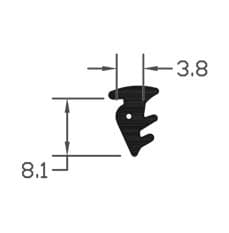
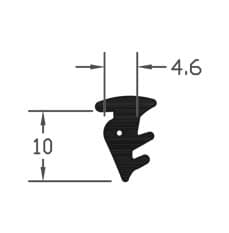
- SYS2 Wedge Gasket
- SYS4 Wedge Gasket
- E-Type Gasket - Black 5m Roll
- E-Type Gasket - Black (Per Metre)
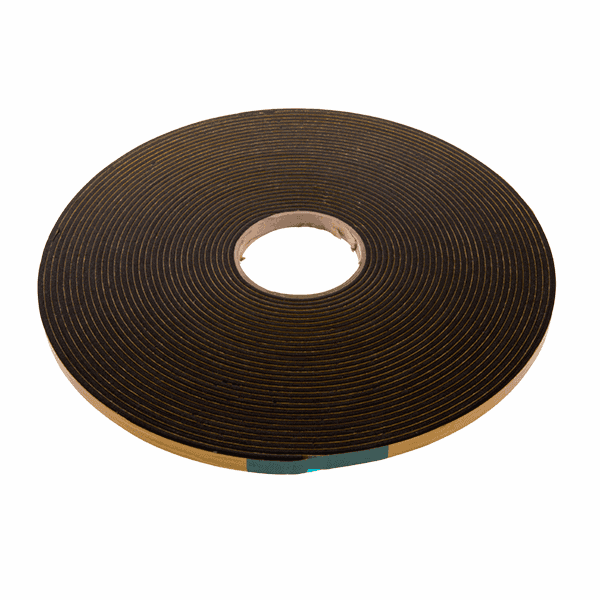
- Structural Glazing Tape - 20mm
Conclusion and next steps
Wedge gasket problems are usually solvable with careful measurement, correct profile selection, proper surface preparation and correct seating technique. Start by diagnosing whether the issue is profile size, compression, alignment or adhesion; then apply the targeted remedies outlined above. If problems persist, contact a reputable supplier or installer with details of the frame, sash and the existing gasket profile. For trade customers contact Window Hardware Store for technical support and samples; homeowners can book a survey with a local glazing or joinery specialist.
Products mentioned in this article
Related articles
Wedge Gasket Sizes Explained: Finding the Perfect Fit for Your Glazing
Wedge Gasket Sizes Explained: Finding the Perfect Fit for Your Glazing Why the correct wedge gasket matters A wedge gasket is a triangular or tapered seali...
Wedge Gasket vs Flip Gasket: Choosing the Right Seal for Double Glazing
Wedge Gasket vs Flip Gasket: Choosing the Right Seal for Double Glazing Why the right gasket matters Seals are a small component with a big job: they keep ...
Buying Wedge Gaskets in Bulk: A Guide for Window Installation Companies
Buying Wedge Gaskets in Bulk: A Guide for Window Installation Companies Wedge gasket products are a common item on van racking and in warehouse bays for wi...