What Is a Flag Hinge? Guide to uPVC Door Hinges
What Is a Flag Hinge? Guide to uPVC Door Hinges A flag hinge is a common hinge type for uPVC doors and casement windows where one leaf projects like a smal...
What Is a Flag Hinge? Guide to uPVC Door Hinges
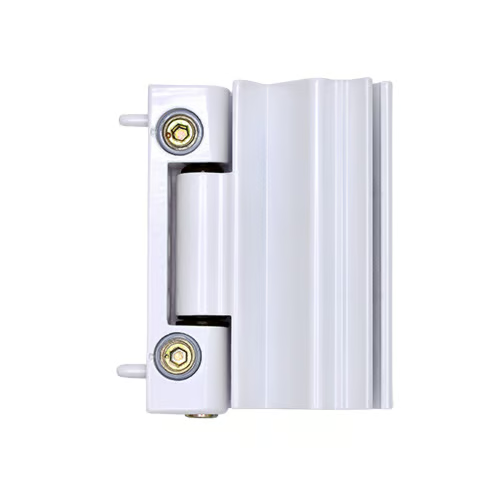
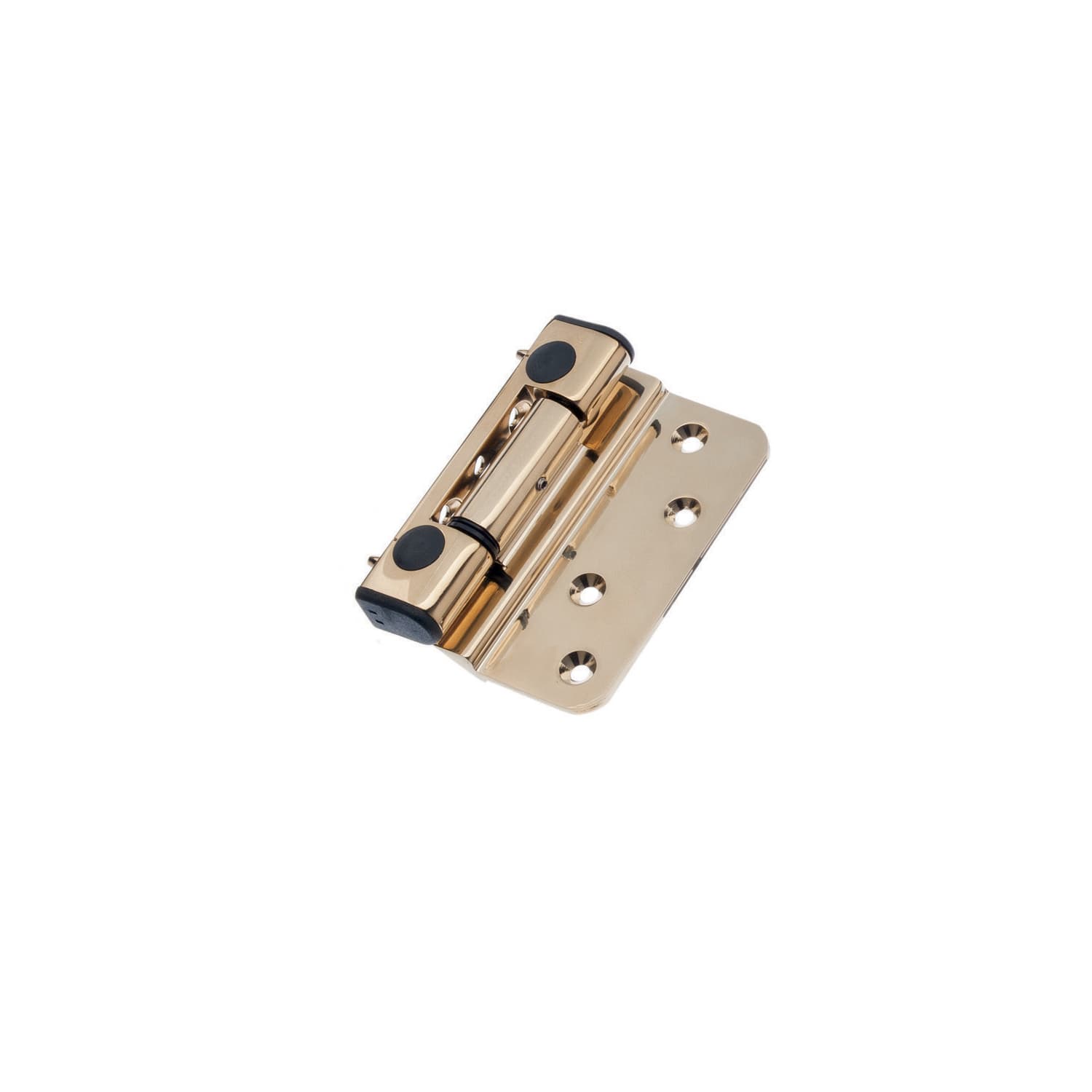
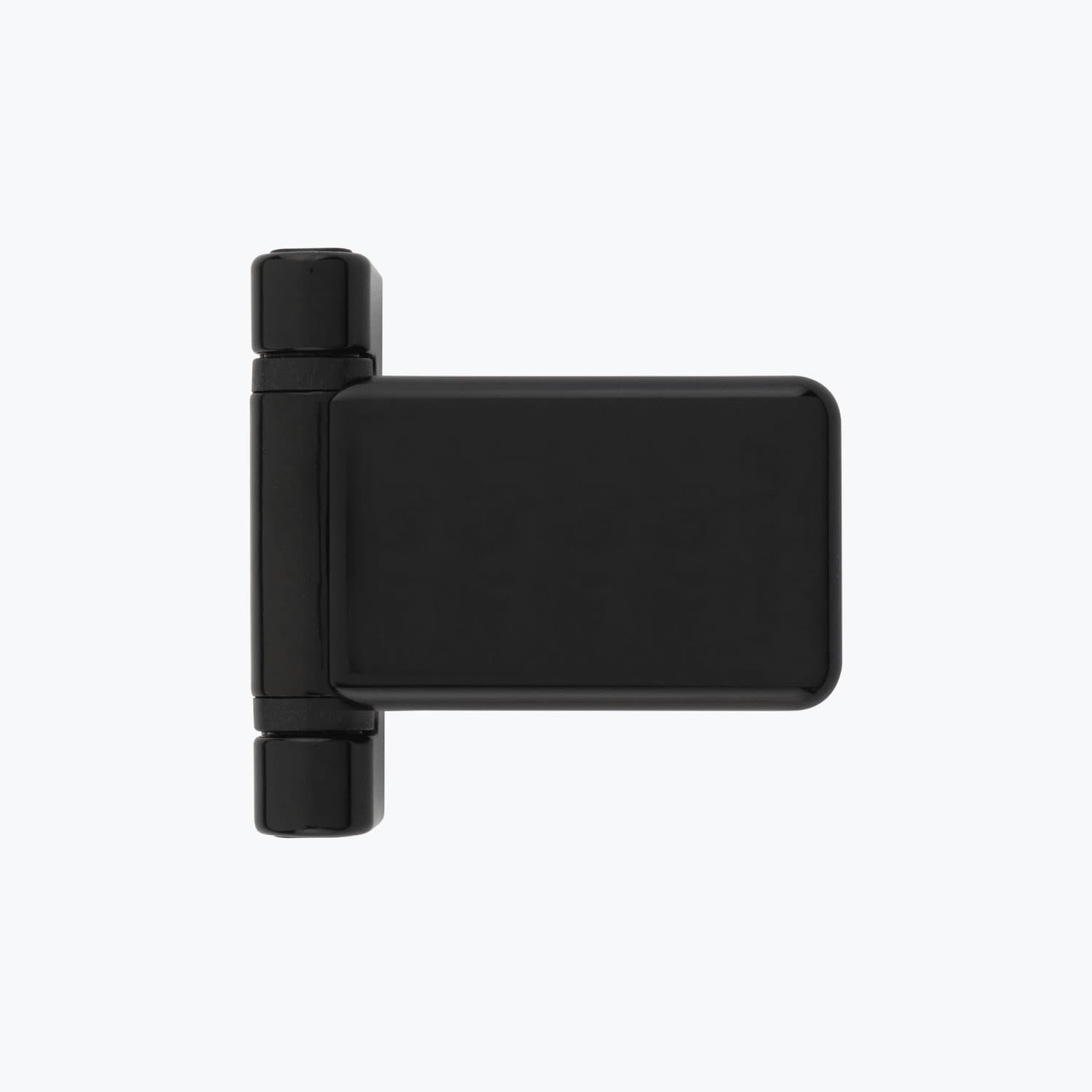
A flag hinge is a common hinge type for uPVC doors and casement windows where one leaf projects like a small flag; it mounts to the frame and carries the pivot that the door or sash swings on. This post explains how flag hinges work, where they are used, how to pick the right one for uPVC doors, and practical advice for installers and competent DIYers.
What a flag hinge does and where it is used
Flag hinges are compact, screw-on hinges that sit on the face or reveal of a frame rather than being morticed into timber. They are often used on: doors with limited frame depth; outward- or inward-opening uPVC doors; maintenance access sashes; and some timber or aluminium applications that require a simple hinge with lift-off capability. Because they are surface-mounted, they are quick to fit and easy to replace.
Key features and varieties
- Lift-off or detachable: some flag hinges allow the door or sash to be removed without unscrewing the hinge; useful for renovation or emergency access.
- Adjustable: many modern flag hinges offer three-dimensional adjustment; use the supplied grub screws or adjustment cams to tweak vertical, lateral and compression alignment after installation.
- Material and finish: available in galvanised steel, stainless steel, powder-coated or plated finishes to match uPVC colours and resist corrosion.
- Security features: heavy-duty flag hinges include anti-lift pins or reinforced plates for use with security-rated external doors.
Choosing the right flag hinge for a uPVC door
Selecting the correct hinge affects performance, security and longevity. Consider the following factors:
- Door weight and size: match hinges to the door’s weight rating. Light decorative hinges will not support heavy composite or fire doors; for heavy doors, specify hinges rated for the combined weight and use multiple hinges as recommended by the manufacturer.
- Opening direction: choose hinges designed for inward or outward opening; some are reversible but check the product data sheet.
- Adjustability: for trade installations where doors are fine-adjusted on site, pick three-way adjustable flag hinges to save time.
- Fixing method: ensure screws engage the reinforcing steel in the uPVC frame where possible; long security screws are preferable to short sheet-metal screws that bite only into the uPVC skin.
- Security rating: for external doors, use hinges with anti-lift or hinge-protection features that meet the required standard for your project.
Practical installation and trade tips
For installers and competent DIYers, correct preparation and fixing are essential:
- Check the frame reinforcement: before drilling, confirm where the galvanised steel reinforcement sits inside the uPVC profile and mark suitable fixing points so screws penetrate steel, not just plastic.
- Use correct fasteners: use long, corrosion-resistant screws (stainless steel or zinc-plated) recommended by the hinge manufacturer; security screws are advisable on outward-facing hinges.
- Sequence: fit the hinge plates to the frame first, then mark and attach the door leaf; use packers to hold the door in the correct position while tightening.
- Adjustment: after fixing, use the hinge adjustment screws to achieve even gaps. Typical target gaps are 3 to 4 mm at the top and sides on a uPVC external door; follow the lock manufacturer’s recommendations for bottom gaps.
- Torque and sealing: do not overtighten screws that bite into uPVC; they should be tight enough to secure the hinge without deforming the profile. Seal any penetrations at the reveal to prevent water ingress.
DIY replacement: step-by-step basics
If you are replacing a worn flag hinge on a uPVC door, these steps are a practical starting point. If you are unsure, call a professional.
- Tools and materials: Pozidriv or Torx drivers, power driver with clutch, spirit level, packers, replacement hinges rated for the door weight, long stainless screws, safety goggles.
- Support the door: use a prop or packers under the door to carry its weight before removing the hinge screws.
- Remove cover caps and screws: take off hinge covers and remove screws from the frame and door leaf. If the hinge is lift-off type you may simply lift the door free.
- Inspect and clean: check the uPVC and reinforcement for damage; replace any cracked profiles or compromised fixings before fitting new hinges.
- Fit new hinge: position hinge plate on the frame so screws enter reinforcement. Attach the door leaf and make coarse adjustments to alignment.
- Fine adjustment: use hinge cams to set vertical, lateral and compression positions. Cycle the door several times and re-tighten fixings, checking clearances and lock operation.
Maintenance and common faults
Routine maintenance prolongs hinge life and prevents problems:
- Lubricate pivot points with light machine oil or an appropriate silicone spray once a year.
- Check and re-tighten screws after seasonal movement, particularly on large or frequently used doors.
- Watch for wear signs: drooping sash, uneven gaps or rubbing on the frame suggest hinge wear or stripped fixings; replace rather than repeatedly re-tightening.
- For external doors, inspect anti-lift features and ensure hinge pins are secure; if pins are removed or tampered with, replace hinges immediately.
When to call a trade professional
Flag hinges are straightforward for experienced installers but call a professional when:
- The door is heavy or reinforced composite; incorrect hinges or poor fixings can compromise security.
- There is damage to the uPVC profile or reinforcement that needs repair or replacement.
- Security compliance is required, for example for a door that must meet PAS24 or similar standards.
Further reading and product selection
For a broader overview of door hinge types and specification guidance, see our pillar resource on door hinges: /guides/door-hinges. That page covers butt hinges, continuous hinges, and specific requirements for different door materials.
Recommended Products
Based on this article, you may find these products helpful:
- Flag Door Hinge - Stainless Steel
- Adjustable Flag Hinge - 100mm
- Fab&Fix Classic Flag Hinge
- ERA Composite Door Flag Hinge
- ERA Challenger 3D Rebated Hinge
Conclusion and next steps
A flag hinge is a practical, surface-mounted hinge commonly used on uPVC doors where ease of installation and lift-off capability are useful. Choose hinges rated for your door weight, use appropriate long fixings into reinforcement, and take advantage of adjustable models to square up doors quickly on site. For DIY replacement, follow the basic steps above and inspect the frame and reinforcement; get a professional if you have any doubt about security or structural damage. If you need specific hinge recommendations or fixing kits for a particular uPVC door, contact our technical sales team or browse our range of trade-quality hinges and fixings.