What Is a Parliament Hinge? When and Why to Use One
What Is a Parliament Hinge? When and Why to Use One What is a parliament hinge? A parliament hinge is a type of butt hinge with an extended leaf and a thic...
What Is a Parliament Hinge? When and Why to Use One
What is a parliament hinge?
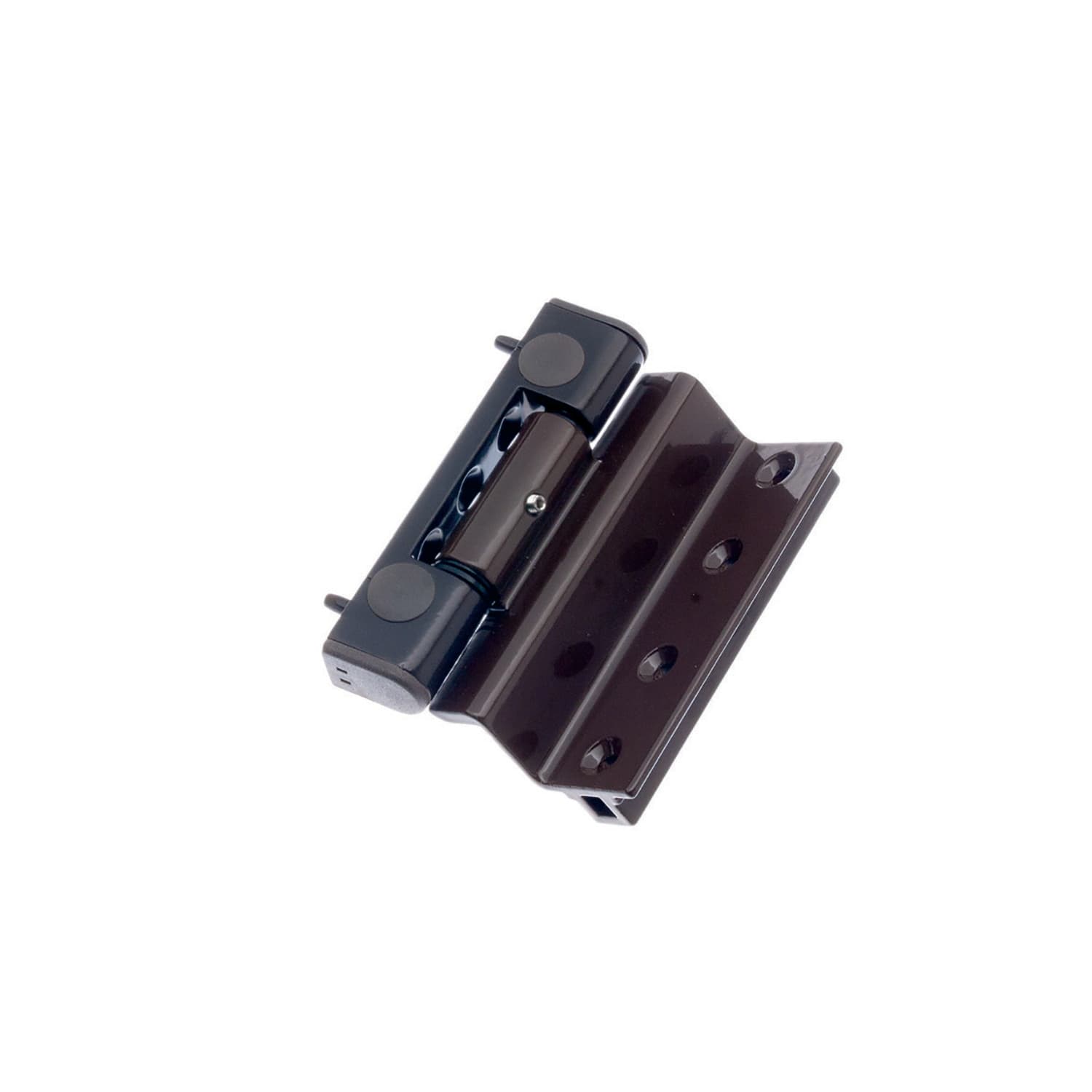
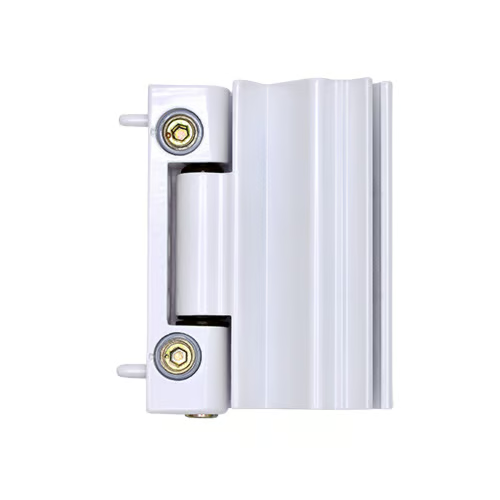
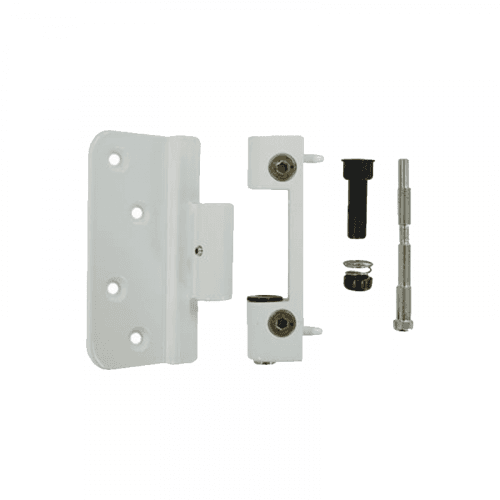
A parliament hinge is a type of butt hinge with an extended leaf and a thicker, raised knuckle designed to push the door or window leaf away from the frame when it opens. The extended projection, often called an offset or wide throw, creates extra clearance between the hung leaf and the surrounding architrave or reveal. That clearance allows doors, shutters and casement windows to open fully; in many situations the hung leaf sits parallel to the adjacent wall when open.
Parliament hinges are commonly supplied as mortice or surface-mounted versions and are available in fixed, lift-off and ball-bearing variants. They are frequently referred to simply as an offset hinge or wide throw hinge in trade circles, but the accepted term on product datasheets and technical literature is parliament hinge.
When to use a parliament hinge
- To allow a door or window to open flat against an adjacent wall or clear an architrave: where a standard butt hinge would foul the casings.
- For shutters and bi-fold panels that must fold away without obstruction.
- When increased clearance is needed for accessibility: full 90 to 180 degree openings help with wheelchair access and moving large items through an opening.
- On casement windows where a broader opening is required for ventilation or emergency egress.
- Where decorative or deep architrave mouldings are fitted and surface clearance is essential.
Types, sizes and materials
Parliament hinges come in several common forms:
- Mortice parliament hinge: half of the leaf is sunk into the door and frame; neat but requires accurate routing.
- Surface-mounted parliament hinge: quicker to install; useful for replacements and retrofits where routing is impractical.
- Lift-off parliament hinge: allows the leaf to be removed without unscrewing; useful for removable shutters and doors.
- Ball-bearing parliament hinge: recommended for heavy doors or high-traffic locations; reduces wear and sagging.
Typical sizes range from 75mm up to 150mm depending on application. Material choices include brass, stainless steel (304 or 316 for coastal locations), and plated steel. For external or wet environments choose stainless or suitably lacquered finishes to avoid corrosion.
Practical trade advice
- Assess clearance requirements before selecting a hinge: measure the total thickness of the architrave, any applied moulding and the depth of the frame reveal to determine the necessary offset.
- Choose the right size and bearing type for door weight and frequency of use: internal lightweight doors might manage with two standard parliament hinges; heavier and external doors usually need three, or specialist heavy-duty hinges.
- For coastal or high-moisture installations specify stainless steel grade 316 and stainless fixings; cheaper plated hinges will corrode and seize.
- Check fire-door certification: altering a certified fire door with non-approved hinges can compromise its rating. Use only hinges specified by the fire-door manufacturer or approved third-party components.
- Consider packers or adjustable hinges if the frame is out of plumb; parliament hinges give clearance but not compensation for poor framing on their own.
DIY installation guidance
Fitting a parliament hinge is straightforward for a competent DIYer but requires care to ensure accurate alignment and secure fixings:
- Mark hinge positions on the door: common practice is 200mm from the top and bottom edges for two-hinge doors; add a third hinge midway for heavier doors or higher doors over 2040mm.
- Decide whether to mortice or face-fix: morticing gives a flush finish but needs a chisel or router; face-fixing is quicker and useful for retrofits where the frame cannot be altered.
- When morticing, set the depth to match the leaf thickness; test with the hinge in place before cutting the full depth. Remove minimal material at first; you can always increase depth.
- Pre-drill all screw holes with a suitable pilot drill to avoid splitting. Use long screws that bite into the frame carcass rather than just into trim.
- Use a spirit level and temporary packers to ensure the door hangs plumb and sits flush against the stop. Check the swing clearance at full opening; the hung leaf should clear architrave and be parallel to the wall if required.
- Lubricate knuckles with light grease or a PTFE spray; re-check after the door has been used a few times and retighten screws if needed.
Installation checklist
- Confirm hinge type and material for location and usage.
- Measure offset required: account for architrave, trims and any applied stops.
- Mark hinge positions accurately and transfer to frame.
- Mortice or face-fix; pre-drill and countersink where needed.
- Use corrosion-resistant, appropriate-length screws; into the frame carcass where possible.
- Check swing clearance and operation; adjust packers or hinge position if the door binds.
- For fire doors or structural openings consult the manufacturer or a qualified installer prior to altering hinges.
Common pitfalls and how to avoid them
- Choosing the wrong offset: measure before ordering to avoid doors that still foul architrave after fitting.
- Undersized fixings: short or thin screws will pull out; use long, countersunk screws into solid timber or appropriate anchors in frames.
- Ignoring door weight: standard parliament hinges are not always suitable for heavy composite or solid timber doors; fit additional hinges or specify heavy-duty ball-bearing types.
- Failing to check fire-rating compatibility: replacing hinges on an existing fire door without approval can make the door non-compliant with building regulations.
Further reading and resources
For more on hinge selection and technical specifications visit our door hinges pillar page at /guides/door-hinges. Product datasheets will show load ratings, recommended screw sizes and whether a hinge is suitable for external use.
Recommended Products
Based on this article, you may find these products helpful:
- Flag Door Hinge - Stainless Steel
- Adjustable Flag Hinge - 100mm
- ERA Challenger 3D Rebated Hinge
- Challenger Door Hinge
- UAP Adjustable Hinge for Composite Doors
Conclusion and next steps
A parliament hinge is the right choice when you need extra clearance for doors, shutters or windows so they open clear of trims and sit parallel to walls. Select material and bearing type to suit weight and environment, follow the installation checklist and observe fire-door constraints. For a replacement or new installation measure the offset required, choose appropriate fixings and, for high-risk or certified doors, check compliance with the door manufacturer.
Next steps: measure the frame and architrave, choose the correct size and finish from our range, or contact Window Hardware Store for technical help and commercial quantities for trade projects.