
Why Is My Microchip Cat Flap Letting Other Cats In? Fixes That Work
Why Is My Microchip Cat Flap Letting Other Cats In? Fixes That Work A microchip cat flap should restrict access to your household pets only; when it allows...
Why Is My Microchip Cat Flap Letting Other Cats In? Fixes That Work
A microchip cat flap should restrict access to your household pets only; when it allows other cats to enter it is frustrating and potentially risky. Whether you are a homeowner trying to stop the neighbourhood moggy from raiding the food bowl, or a trade professional called out to diagnose a problematic installation, this post covers the likely causes and practical fixes that work.
How a microchip cat flap works: quick technical recap
Most microchip cat flaps read the pet’s implanted RFID microchip: the reader coil around the flap detects the unique ISO 11784/11785 FDX-B or similar code and unlocks the mechanism for authorised IDs only. Some models also read compatible collar transponders. The two critical components are the reader antenna and the control electronics: if either is compromised the flap may open for the wrong animal.
Common reasons other cats are getting in
- Mode or programming error: flap set to “always open”, “learning” mode or accepting multiple IDs.
- Unpaired or duplicate chips: the flap has not been programmed with the correct chip IDs, or a duplicate ID has been introduced.
- Read sensitivity too high: excessive read range picks up nearby cats or interference from wiring and metalwork.
- Hardware fault: damaged antenna, water ingress, faulty PCB or low battery causing intermittent reads.
- Incompatible chip standard: older or non-ISO chips may be misread or cause fallback behaviour.
- Neighbouring flaps or readers: signals from nearby devices can cause cross-reading if not sited correctly.
- Mechanical by-pass: the flap may be unlocked mechanically, or the door/frame allows forced access when the flap is open.
DIY troubleshooting steps for homeowners
Before replacing the unit, work through this checklist. Keep a note of model and serial number; many flaps have simple user-accessible diagnostics.
- Check the current mode: ensure the flap is set to selective or locked mode rather than “open” or “learn”.
- Scan your cat’s chip with a handheld microchip scanner: confirm the chip is readable and note the ID. Verify that the ID you see matches what is stored in the flap.
- Re-program the authorised IDs: delete all stored IDs and re-register only your cats while in close proximity to the reader.
- Replace or recharge batteries: low supply voltage can cause erratic behaviour. If mains-powered, check connectors and fuses.
- Clean the reader area: dirt, hair or corrosion on the reader coil can reduce selectivity.
- Test for nearby interference: temporarily close adjacent cat flaps or other RFID devices; move portable electronics away and re-test.
- Check mechanical security: ensure the flap sits flush in the door or window panel; adjust seals and brushes to prevent forced entry when unlocked.
Trade-level checks and fixes
If you are a fitter or tradesperson called to diagnose the issue, these technical steps will help you pinpoint the fault quickly and professionally:
- Verify chip protocol: use a multi-standard reader to confirm whether the pet’s microchip is FDX-B, FDX-A or another type. Install a flap that supports the chip standard in situ if required.
- Measure coil impedance and continuity: a damaged antenna coil or poor solder joints on the PCB will change the read field; replace or re-solder as necessary.
- Inspect for water ingress and corrosion: IP protection can be compromised in door cut-outs; reseal the unit and replace corroded components.
- Adjust read range and sensitivity: many professional-grade flaps allow antenna tuning or configuration to reduce read field and prevent cross-reads.
- Check installation clearances: metal door cores, aluminium frames and steel reinforcements alter RF fields; fit dielectric spacers or relocate the unit to a timber or PVC area where possible.
- Firmware and diagnostics: check for firmware updates from the manufacturer; run full diagnostics and log reader behaviour to identify inconsistent reads.
- Consider directional antenna upgrades: if neighbouring flaps or cats are being read, a directional antenna can focus the detection zone to the immediate doorway opening.
Practical installation tips to prevent future problems
- Site the flap away from metal panelling and large electrical runs; keep the antenna clear of conductive materials by at least the distance recommended by the manufacturer.
- Seal the aperture correctly: use draught-excluding brush strips and gaskets to prevent wind forcing the flap open and to improve mechanical security.
- Select the correct model for multiple-cat households: some units handle many authorised IDs and permit scheduled locking times.
- Fit an inner locking cover or deadbolt: this adds burglar resistance and prevents opportunist entry if the flap is accidentally left unlocked.
- Document the chip IDs and ownership: keep a simple handover sheet for clients listing registered chips and programming steps used; useful for aftercare and warranty claims.
When to replace rather than repair
If the unit is more than five years old, has persistent PCB faults, or the antenna is embedded in a damaged housing, replacement is often more cost effective. Choose a microchip cat flap that supports multiple chip standards, has adjustable sensitivity and includes clear diagnostics. For trade professionals, recommend models with accessible spare parts and robust IP ratings for external door installations.
Practical example: solving a neighbourhood-cat problem
Scenario: a homeowner reports that a neighbouring cat is entering despite only one pet being registered. Steps that resolved the issue were: scan both cats to confirm IDs; reprogram the flap to delete unknown IDs; reduce sensitivity on the reader; seal the top and bottom of the flap frame to eliminate wind movement; and replace ageing batteries. The result: only the authorised cat can gain entry.
Recommended Products
Based on this article, you may find these products helpful:
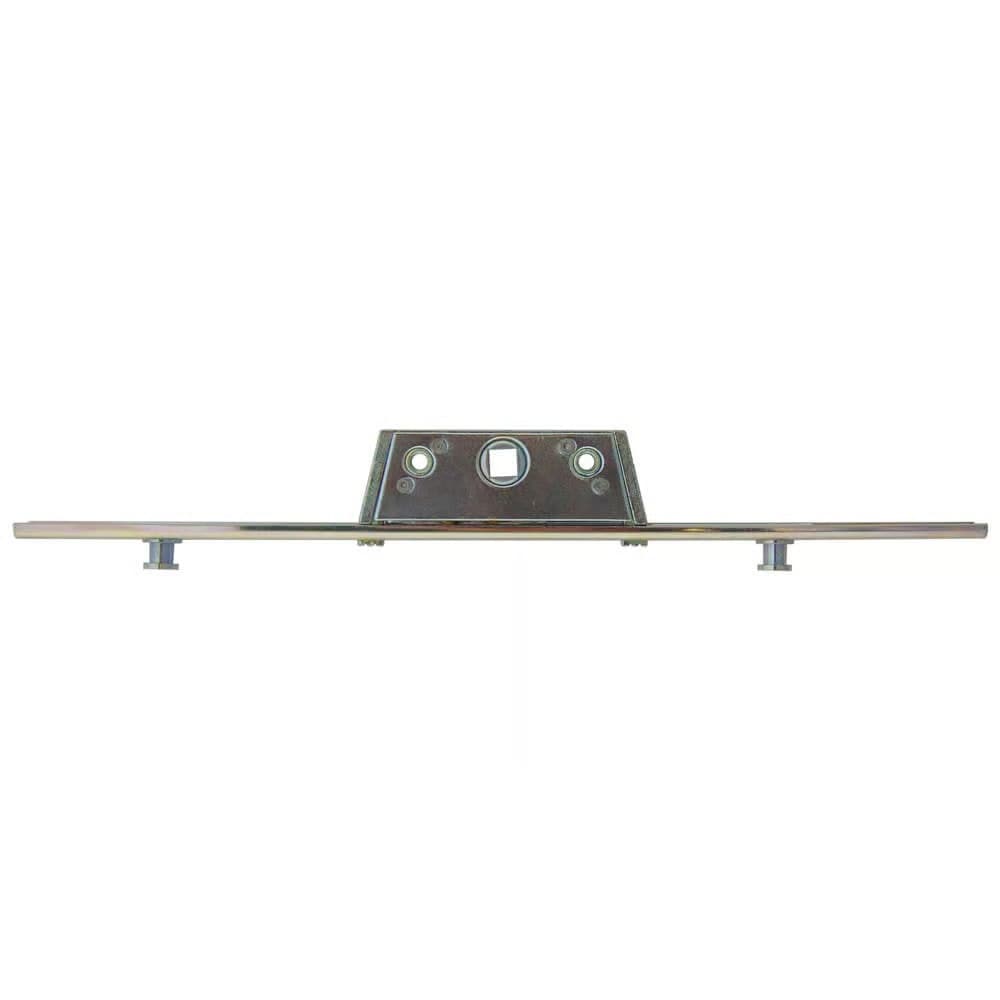
- In-Line Window Mechanism
- Offset Window Mechanism
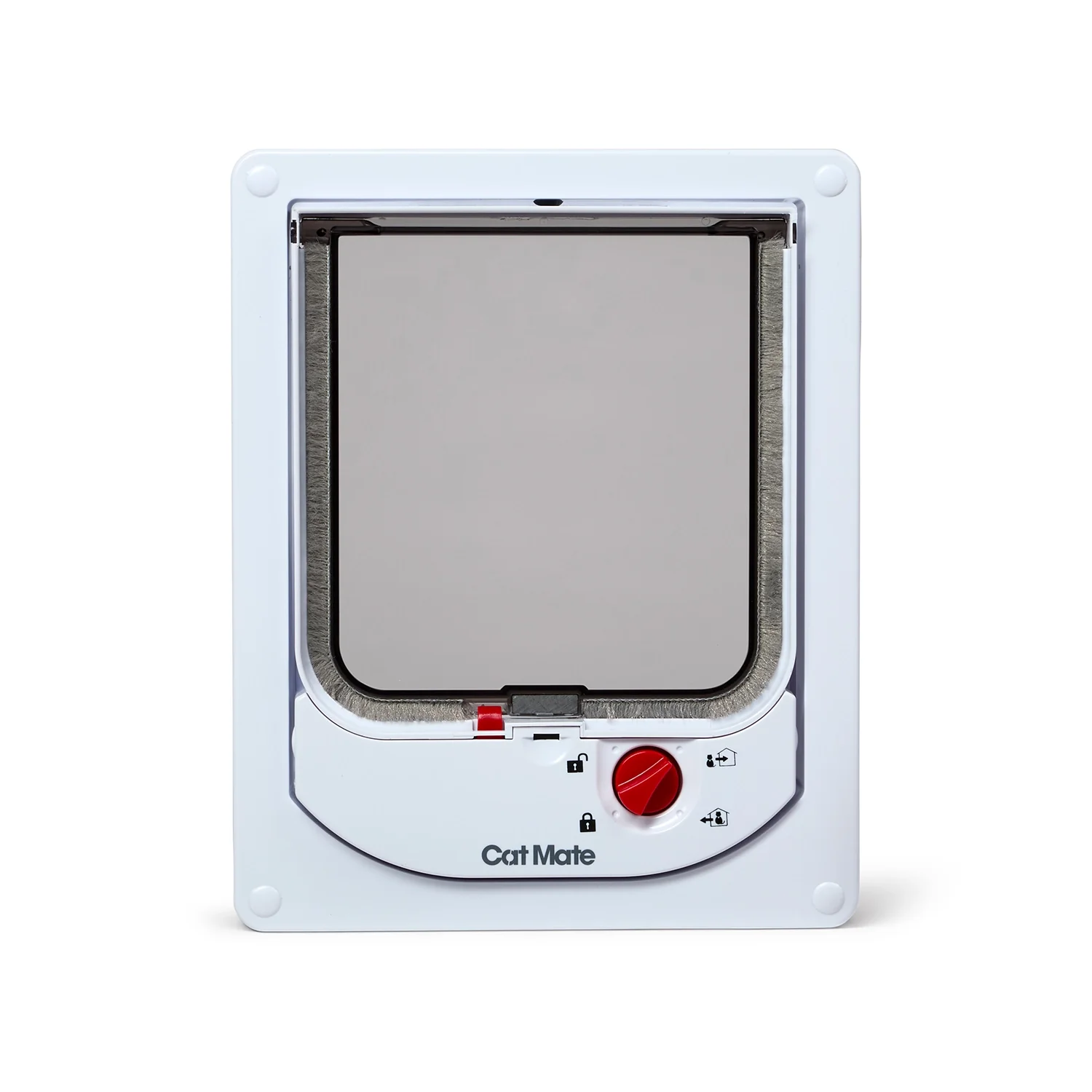
- Cat Mate Electromagnetic Cat Flap
- E-Type Gasket - Black 5m Roll
- E-Type Gasket - Black (Per Metre)
Conclusion: next steps
If your microchip cat flap is letting other cats in, start with the simple homeowner checks: scan chips, reprogram authorised IDs, replace batteries and clean the reader. If the problem persists, contact a trade professional to inspect antenna wiring, check compatibility with ISO chip standards and tune the read range. For product selection, fitting guides and further troubleshooting advice see our pet flap resources at /guides/pet-flaps. For installations, document the programming and provide the customer with aftercare instructions so the flap remains selective and secure.
Products mentioned in this article

Related articles
Rented Property Cat Flap Options: What Landlords Need to Know
Rented Property Cat Flap Options: What Landlords Need to Know Installing a cat flap in a rented property can improve tenant satisfaction but it raises ques...
Replacing uPVC Door Panels with Cat Flap Panels: A Cleaner Solution
Replacing a uPVC door panel with a purpose-made cat flap panel is a practical way to give pets easier access while keeping the rest of the door intact. Whe...
Dog Flap Insulation: Preventing Heat Loss Through Larger Pet Doors
Dog Flap Insulation: Preventing Heat Loss Through Larger Pet Doors Large dog flaps are convenient for owners and pets, but they create a significant therma...