
Why You Need an Anti-Snap Cylinder: Burglary Prevention
Why You Need an Anti-Snap Cylinder: Burglary Prevention What is an anti-snap cylinder? An anti snap cylinder is a euro-profile lock cylinder engineered to ...
Why You Need an Anti-Snap Cylinder: Burglary Prevention
What is an anti-snap cylinder?
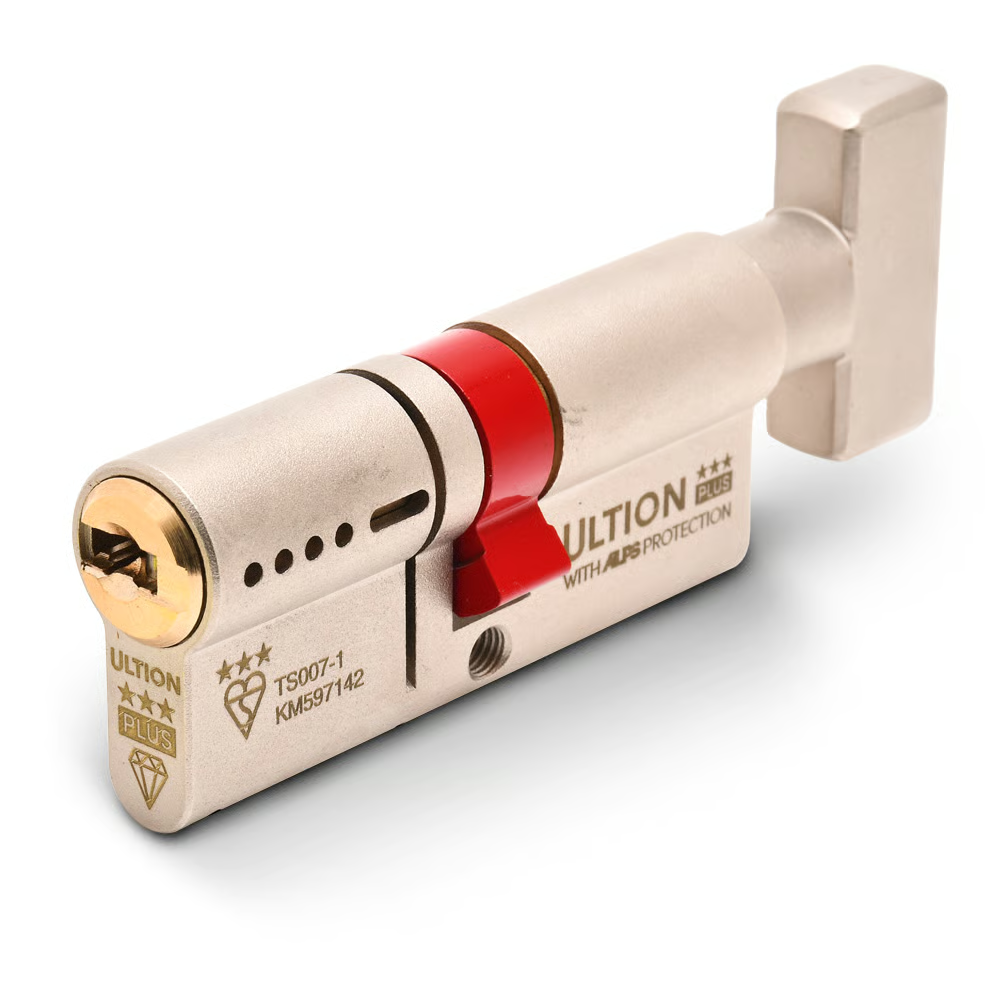
An anti snap cylinder is a euro-profile lock cylinder engineered to resist the common forced-entry method known as cylinder snapping. Modern anti-snap designs incorporate a sacrificial section, reinforced internal components and anti-drill, anti-pick and anti-bump features. The aim is simple: if a burglar tries to snap the cylinder, the exterior section breaks away at a controlled point; the critical internal mechanism remains intact and the lock keeps the door secure.
Why euro cylinders are targeted
Euro cylinders are widely used in uPVC, composite and aluminium doors across the UK. Their prevalence, combined with a simple vulnerability near the cam, makes them an attractive target. A snapped cylinder allows an intruder to operate the cam directly and release multipoint locks; this is a fast way to gain access without destructive entry to the whole door.
- Speed: a snapped cylinder can allow entry in seconds.
- Low-tech: the tools and knowledge required are limited.
- Common placement: many cylinders sit proud of the door face, making them easier to attack.
Standards and ratings that matter
When selecting an anti-snap cylinder, prioritise recognised standards and accreditations. TS007 3-star approval is the key benchmark for cylinder security in the UK; it specifically addresses vulnerability to snapping as well as other attacks. Look also for Sold Secure accreditation and compliance with BS EN 1303 for durability and functionality. Choosing a rated cylinder helps meet insurance requirements and provides documented resistance to the common attack methods.
What to look for in an anti-snap cylinder
Not all anti-snap cylinders are equal. Important features include:
- TS007 3-star or equivalent accreditation; this demonstrates independent testing.
- Sacrificial, break-secure sections that protect the cam and internal mechanism.
- Hardened anti-drill plates and steel pins to resist drilling attempts.
- Anti-bump and anti-pick profiles; these reduce the effectiveness of lock manipulation techniques.
- Compatibility options: single, double or thumbturn cylinders to match your door.
Choosing the correct cylinder length and type
Measuring correctly is critical. Measure from the centre of the fixing screw to each end of the cylinder and note the two dimensions; common lengths are 30/30, 35/35, 45/35 and so on. If the wrong length is fitted the cylinder may protrude or sit too far inside, both of which compromise security or functionality.
Consider type based on door use:
- Single cylinders: key operation from one side only; used for external doors where internal thumbturn is not required.
- Double cylinders: key on both sides; required for some applications but can be a safety issue in escape scenarios.
- Thumbturn cylinders: key outside, thumbturn inside; preferred for means of escape and daily convenience.
DIY replacement: step-by-step
Experienced DIYers and trade professionals can replace a euro cylinder in a few straightforward steps. Ensure you have the correct new cylinder and the right length before starting.
- Remove the door handle or lever set if necessary to access the cylinder fixing screw.
- Unscrew the cylinder fixing screw located on the edge of the door at the height of the cylinder; keep the screw safe.
- Insert the key and turn slightly to align the cam so the cylinder can be pulled out; gently pull the cylinder while turning the key back and forth until it slides free.
- Insert the new anti-snap cylinder with the key in place; turn the key slightly to align the cam and push the cylinder fully into position.
- Secure the cylinder with the fixing screw; do not overtighten the screw as this can distort the cylinder and affect operation.
- Test the key operation from both sides and check the multipoint lock engages correctly when the handle is operated.
Practical tips: if the cylinder is stubborn, spray a little graphite lock lubricant rather than oil. Always check the new cylinder works smoothly through the full locking cycle before re-fitting cosmetic trims.
Trade advice for installers
For installers and locksmiths, attention to detail is what separates a temporary fix from a lasting solution. Make sure to:
- Confirm insurer requirements and provide the customer with certification if requested; some insurers require TS007 3-star cylinders.
- Choose asymmetric lengths for doors with uneven stiles so the cylinder does not protrude excessively on either side.
- Check multipoint locks for cam alignment and clearance; some hardware requires a minimum cylinder projection to engage properly.
- Educate homeowners on the benefits of upgrading multiple doors and other weak points, such as letterplates and glass panels adjacent to locks.
- Record serial numbers and product codes for warranty and proof of secure installation.
When to call a locksmith
If the existing cylinder is damaged after an attempted break-in, or if you encounter difficulty removing a seized cylinder, call a qualified locksmith. Locksmiths can provide emergency replacement, ensure the new cylinder matches the door furniture and locking mechanism, and advise on additional measures such as reinforced escutcheons, hinge bolts and upgraded multipoint locking systems.
Recommended Products
Based on this article, you may find these products helpful:
- TL Thumb Turn Euro Cylinder
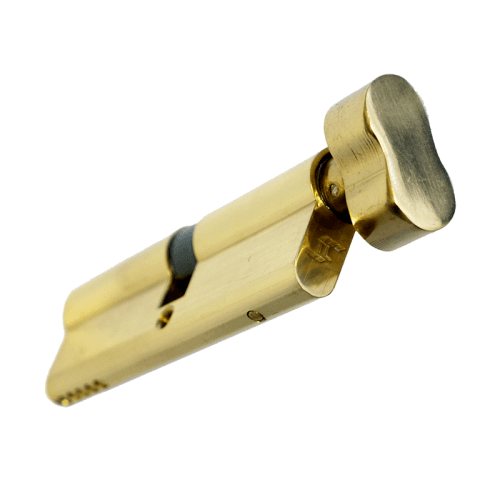
- Ultion Plus TS007 3* Kitemarked Euro Key & Turn Cylinder
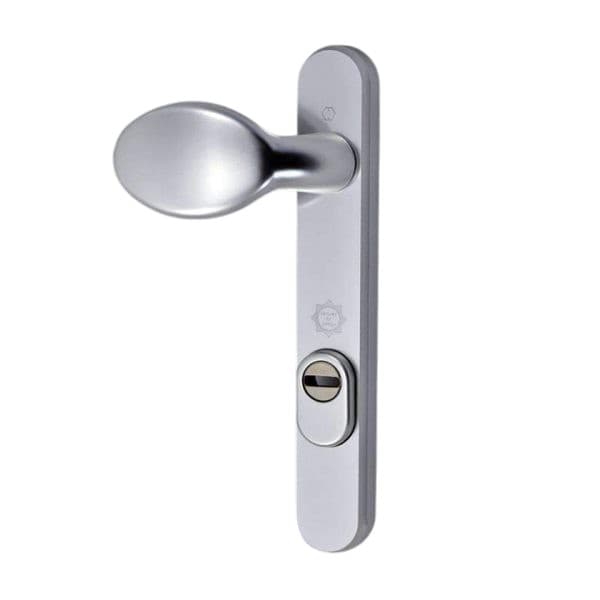
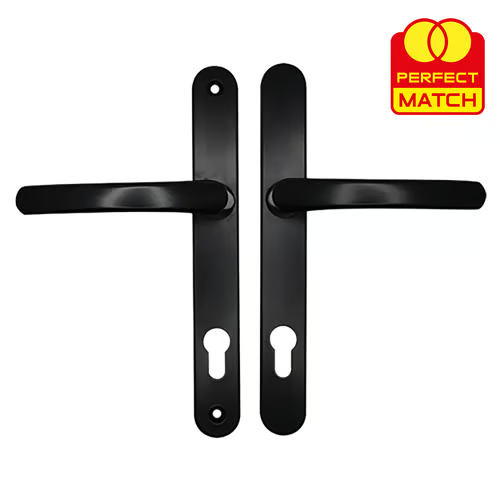
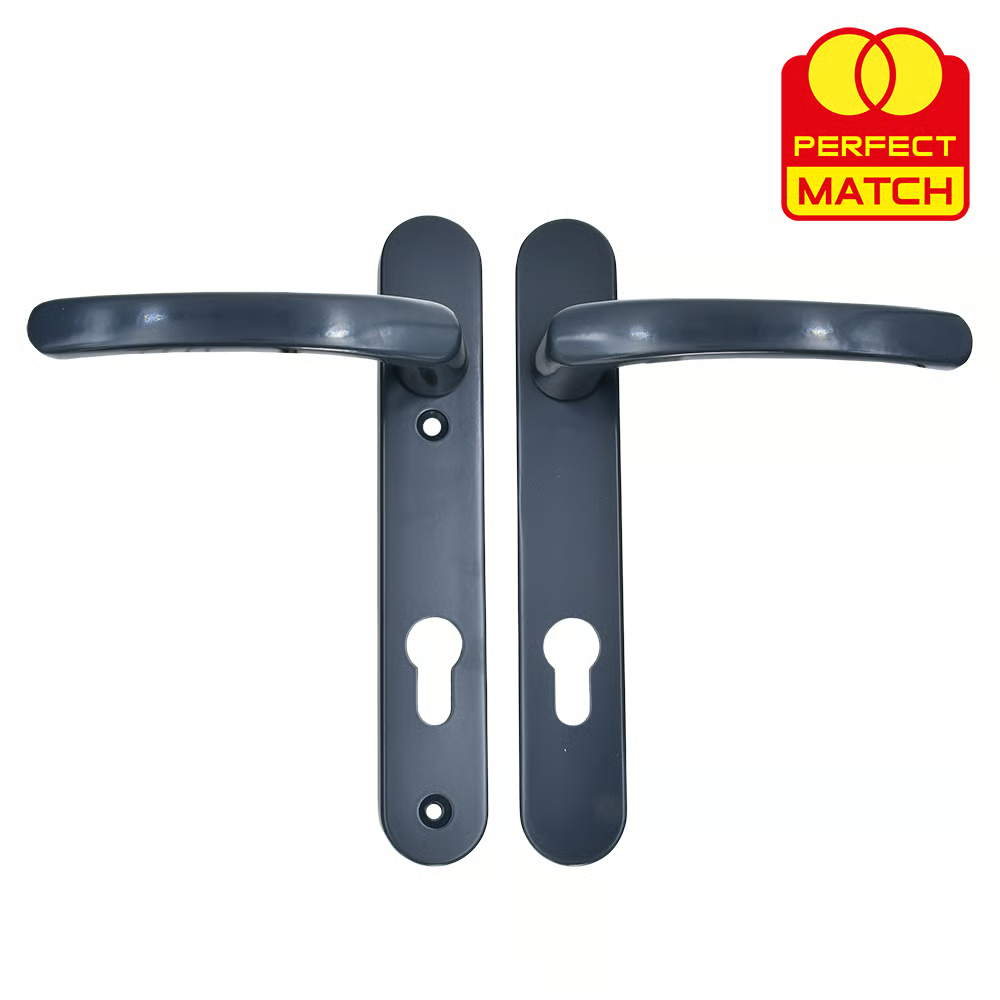
- TSS Door Handle Lever
- TSS Door Handle Lever Short
- Affinity Security Door Handle
Conclusion and next steps
Fitting an anti-snap cylinder is one of the most cost-effective and practical steps to reduce the risk of forced entry through a door cylinder. Check your current cylinders for any protrusion, confirm accreditation such as TS007 3-star and measure carefully before purchase. If you are comfortable with basic DIY, many cylinder replacements are straightforward; otherwise, use an experienced installer or locksmith to ensure the job is done correctly.
Next steps: inspect your doors for cylinder projection, measure the existing cylinder, and select a TS007-rated anti-snap cylinder with anti-drill and anti-bump features. For peace of mind, consult a qualified locksmith or your trusted trade supplier for product recommendations and installation support.
Related articles
What Is a Thumb Turn Cylinder? Convenience vs Security
What Is a Thumb Turn Cylinder? Convenience vs Security What is a thumb turn cylinder? A thumb turn cylinder is a type of euro-profile lock cylinder that ha...
Thumb Turn Cylinder vs Panic Bar: Exit Options Compared
Thumb Turn Cylinder vs Panic Bar: Exit Options Compared examines two very different approaches to door egress and security. The thumb turn cylinder is a co...
Thumb Turn Cylinder Sizes: Finding the Right Length
Thumb Turn Cylinder Sizes: Finding the Right Length Choosing the correct thumb turn cylinder is vital for security, smooth operation and a neat finish on d...