
Will Fitting a Cat Flap Damage My uPVC Door? Addressing Your Concerns
Will Fitting a Cat Flap Damage My uPVC Door? Addressing Your Concerns Fitting a cat flap for upvc door is a common request from homeowners and landlords; i...
Will Fitting a Cat Flap Damage My uPVC Door? Addressing Your Concerns
Fitting a cat flap for upvc door is a common request from homeowners and landlords; it raises sensible questions about structural integrity, thermal performance and security. This article explains what to check before cutting a door, gives practical DIY and trade-level advice, and explains how to avoid common problems so the door remains weatherproof and secure.
Understanding uPVC doors and construction details
Not all uPVC doors are made the same. Typical external doors have a welded uPVC outer frame containing a door panel that can be one of the following: a foam-filled uPVC panel, a timber or composite core with a GRP skin, or a glazed panel. Many panels include internal steel or aluminium stiffeners for strength. Knowing which type you have is essential before fitting a cat flap.
- Foam-filled panels: lightweight, easy to cut but require reinforcement after cutting.
- Composite or timber-core doors: heavier and more structural; cutting into them is possible but needs accurate tools and finishing.
- Glazed panels: you must never attempt to cut the sealed glazing unit; fit the flap into a panel section only.
Will fitting a cat flap damage my uPVC door?
If fitted correctly, a cat flap will not permanently damage a uPVC door. However incorrect installation can cause problems: loss of rigidity, moisture ingress, drafts and compromised security. The key is to choose the correct pet flap for the door type and to follow sensible preparation and reinforcement steps. Cutting the frame or multi-point locking mechanism will cause serious damage; always locate and avoid these components.
Checks to carry out before you cut
- Identify the panel type: remove door from hinges if necessary to inspect edge details, or check paperwork from the door supplier/installer.
- Locate reinforcements and wiring: run a small magnet along the surface to detect steel reinforcements; if electrical or alarm wiring runs through the panel consult the installer.
- Check warranty and insurance: some manufacturers void warranties if modifications are made; check with your supplier and notify your home insurer if required.
- Choose the right product: select a cat flap designed for external doors and compatible with uPVC panels; many models include security locks, draught seals and brush strips.
Practical DIY and trade fitting guidance
Follow the manufacturer’s template and instructions at all times. Typical steps are:
- Mark the position: measure the cat from floor to the shoulder and add 25–50mm so the cat steps through comfortably. Transfer template and secure with tape.
- Protect surfaces: stick masking tape over the cutting area to reduce chipping; wear appropriate PPE.
- Create starter holes: drill pilot holes at the corners of the template; use a step drill or 8–10mm HSS bit so a jigsaw blade can start cleanly.
- Cut carefully: use a cordless jigsaw with a fine-tooth blade for plastics; if you encounter steel use a metal-cutting blade or disc. Keep speed steady to avoid melting the uPVC.
- Reinforce the cut-out: for foam or hollow panels insert a backing plate of exterior-grade plywood or aluminium plate bonded with polyurethane adhesive or silicone sealant to restore rigidity; secure with stainless steel screws where required by the pet flap instructions.
- Fit the flap: assemble per manufacturer instructions, using foam tapes or gasket supplied to ensure weatherproofing; use stainless fixings and avoid overtightening which can warp the uPVC.
- Seal the perimeter: run a continuous bead of exterior-grade silicone where the flap meets the door face to prevent moisture ingress and cold bridging.
Trade tip: if you find heavy steel stiffeners inside the panel a professional fitter can either route around them or use specialist metal-cutting tools. Removing and refitting the door makes access easier and produces a neater finish.
Security and weatherproofing considerations
Security is often the biggest concern. Choose a pet flap with lockable options and anti-pull features if you are worried about unauthorised entry. Fitting into the door panel not the frame is essential; cutting the frame can compromise the multi-point locking system and is not recommended.
- Lockable flaps: offer deadbolt style locks or internal slide locks and should be used when you are out.
- Seals: ensure the flap has magnetic seals or brush strips to keep draughts and rain out.
- Thresholds and water run-off: check the external sill; if the flap is near the bottom, ensure water does not pool against the seal.
When to call a professional
Some installations are straightforward for confident DIYers. You should hire a professional fitter when:
- The door contains glazing or you cannot clearly identify the panel construction.
- You detect heavy metal reinforcements that will require specialist cutting.
- Maintaining warranty and a high quality finish is important; many installers can provide a guarantee on their work.
- You prefer a higher security product such as a multi-locking flap or a flap fitted into a composite core door.
Common mistakes and how to avoid them
- Cutting into the frame: always fit the flap in the panel area; if unsure, remove the door to inspect internal structure.
- Poor sealing: use correct exterior silicone; small gaps lead to condensation and cold spots.
- Ignoring reinforcement: foam panels need backing plates to maintain stiffness; skip this at your peril.
Recommended Products
Based on this article, you may find these products helpful:
- In-Line Window Mechanism
- Offset Window Mechanism
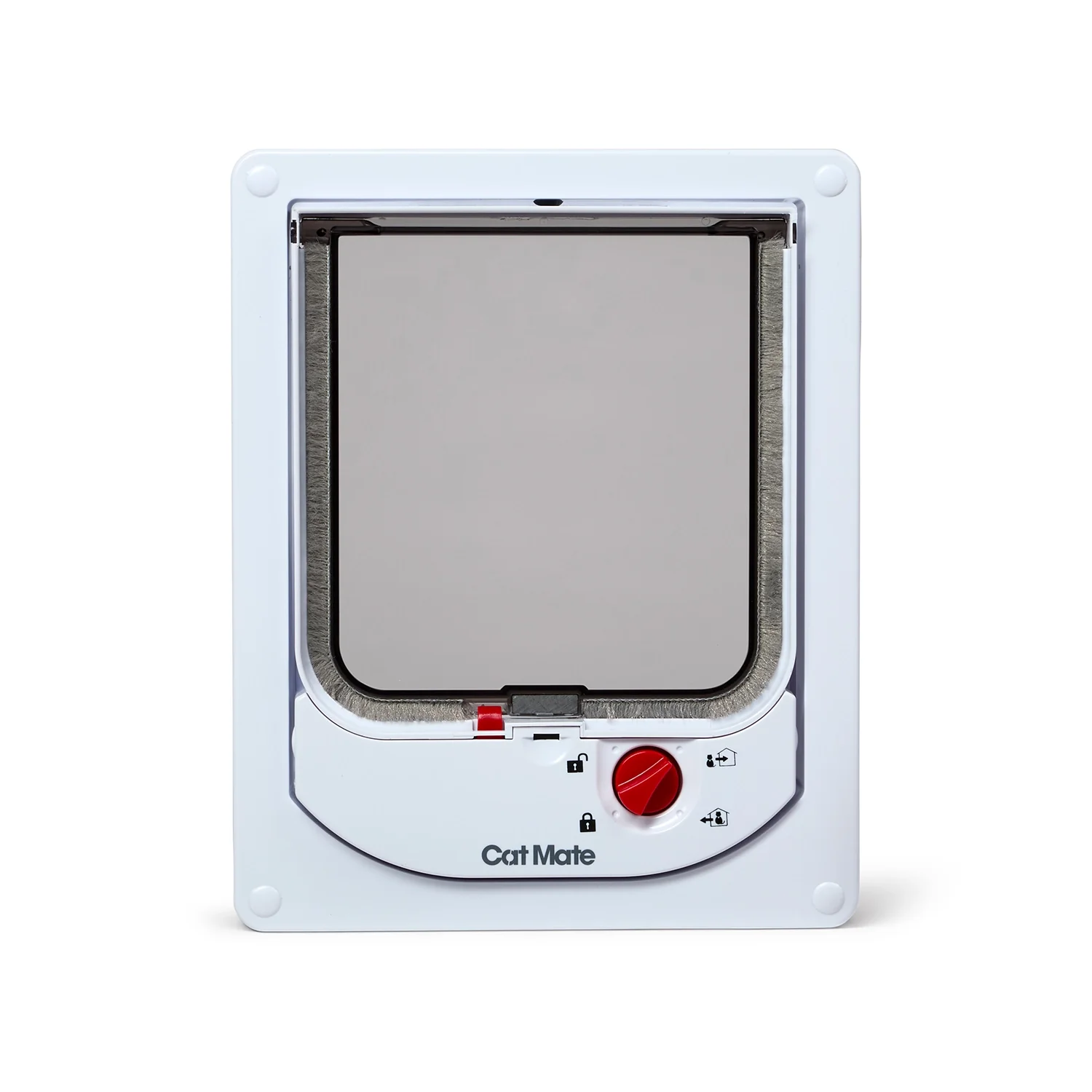
- Cat Mate Electromagnetic Cat Flap
- E-Type Gasket - Black 5m Roll
- E-Type Gasket - Black (Per Metre)
Conclusion and next steps
Fitting a cat flap for upvc door need not damage the door if you choose the right flap, check the door construction and follow correct cutting, reinforcement and sealing procedures. If you are unsure about panel type, reinforcements or warranty implications, contact a trade fitter or your door supplier. For product choices, installation templates and recommended fitters see our dedicated pet flap resource at /guides/pet-flaps.
Products mentioned in this article

Related articles
Rented Property Cat Flap Options: What Landlords Need to Know
Rented Property Cat Flap Options: What Landlords Need to Know Installing a cat flap in a rented property can improve tenant satisfaction but it raises ques...
Replacing uPVC Door Panels with Cat Flap Panels: A Cleaner Solution
Replacing a uPVC door panel with a purpose-made cat flap panel is a practical way to give pets easier access while keeping the rest of the door intact. Whe...
Dog Flap Insulation: Preventing Heat Loss Through Larger Pet Doors
Dog Flap Insulation: Preventing Heat Loss Through Larger Pet Doors Large dog flaps are convenient for owners and pets, but they create a significant therma...