
3 Star Cylinder Explained: The Highest Level of Door Security
3 Star Cylinder Explained: The Highest Level of Door Security. For homeowners and trade professionals in the UK, choosing the correct euro cylinder for ext...
3 Star Cylinder Explained: The Highest Level of Door Security. For homeowners and trade professionals in the UK, choosing the correct euro cylinder for external doors is a practical decision that affects insurance, long-term security and user convenience. The term "3 star cylinder" signals a high level of resistance against common attack methods; this article explains what that rating means, what features to look for and how to fit or specify one in a typical door installation.
What is a 3 star cylinder?
The phrase 3 star cylinder refers to a cylinder that meets the highest grading in the TS007 test scheme commonly used in the UK. That scheme assesses a euro cylinder's resistance to forced entry techniques such as snapping, picking, bumping, drilling and plug-pulling. Achieving three stars means the cylinder has passed the most rigorous set of tests and is widely accepted by many insurers for external doors.
Standards and certifications to check
When specifying a 3 star cylinder, check for the following marks and documentation:
- TS007 test classification or equivalent certification confirming a three-star rating.
- Compliance with BS EN 1303 where applicable; this covers durability and operational characteristics of cylinders.
- Manufacturer documentation that details anti-snap, anti-drill, anti-pick and anti-bump features.
- Key control paperwork: many high-security cylinders have restricted key profiles and a keycard to prevent unauthorised duplication.
Key security features of a 3 star cylinder
A genuine 3 star cylinder will incorporate several mechanical protections. Typical features include:
- Anti-snap design: a sacrificial section or break line that prevents access to the locking mechanism if the exposed portion of the cylinder is attacked.
- Anti-drill plates and hardened steel pins to resist drilling through the plug or body.
- Anti-pick and anti-bump pinning arrangements; manufacturers will use specialised pins and geometry to frustrate these entry methods.
- Resistance to plug-pulling and other forced rotation attacks.
- Patented or restricted key profiles to limit unauthorised key copying; this is a valuable feature for tenanted properties and commercial installations.
Which doors need a 3 star cylinder?
Many insurers specify a 3 star cylinder for doors that give direct access to the outside: front doors, back doors, side doors and certain glazed doors with euro cylinders. For properties fitted with multi-point locks the cylinder is the most vulnerable component; upgrading to a 3 star euro cylinder helps ensure the whole locking system meets insurers' expectations.
Choosing the right 3 star euro cylinder: trade tips
For trade professionals specifying or supplying cylinders, attention to a few practical details will avoid on-site problems:
- Measure the existing cylinder accurately: record overall length and split lengths from the fixing screw centre to each end. Order the closest matching size to avoid protrusion that makes a cylinder vulnerable to attack.
- Decide on cylinder type: double, single or thumbturn. External doors commonly use double cylinders; where internal thumbturns are preferred for fire escape or convenience, confirm that the thumbturn option is available in a 3 star variant.
- Consider keying options: keyed alike for multiple doors, keyed to differ for individual access, or master-keyed for multi-occupancy projects. Ensure policies and key control procedures are in place when supplying restricted keys.
- Supply the certificate and keycard to the customer; insurers may ask for proof of the 3 star rating and restricted key credentials.
Fitting and replacement: practical DIY and trade guidance
Replacing a cylinder is a routine task for a competent DIYer or locksmith but must be done carefully to ensure security and correct operation.
- Tools required: cross-head screwdriver, tape measure, replacement 3 star cylinder, pencil, and a light lubricant such as graphite or a recommended product from the cylinder manufacturer.
- Preparation: ensure the door is closed and the latch is retracted where necessary so the cylinder can be unscrewed. For double cylinders ensure both sides are in the neutral position if needed to remove the fixing screw.
- Removal: remove the screw in the edge of the door that holds the cylinder in place. With the correct key inserted and turned slightly, withdraw the old cylinder. Keep the fixing screw safe; it may be re-used.
- Measurement: measure the old cylinder before ordering a replacement. The correct length prevents overhang; a cylinder protruding from the face makes snapping easier.
- Installation: insert the new 3 star cylinder, align with the cam and secure using the fixing screw. Do not overtighten the screw; this can distort the cylinder and cause binding.
- Testing: turn the key several times and operate any multi-point mechanisms to ensure smooth action. Check that the door locks and unlocks fully and that cylinder operation does not cause the latch to stick.
- Finishing: lubricate if the manufacturer recommends it. Provide the customer with the keycard and documentation for warranty and insurance purposes.
Common pitfalls and how to avoid them
Both DIYers and trade installers fall into the same traps from time to time:
- Wrong length cylinder: measure twice and order once. If a cylinder protrudes, replace with the correct length rather than rely on external trims.
- Using non-certified replacements: installing a cheaper non-rated cylinder may invalidate insurance or leave the door vulnerable.
- Ignoring key control: if unauthorised key duplication is a risk, specify a cylinder with a patented key profile and keep records of issued keys.
- Forgetting to inform the insurer: after upgrading to a 3 star cylinder advise the insurer; some policies require notification or may reduce premiums.
Further reading and resources
For more on euro cylinder types, sizing and technical comparisons consult our pillar page: /c/locks-security. That resource has detailed diagrams of cylinder types, sizes and compatibility notes for multi-point locking systems.
Recommended Products
Based on this article, you may find these products helpful:
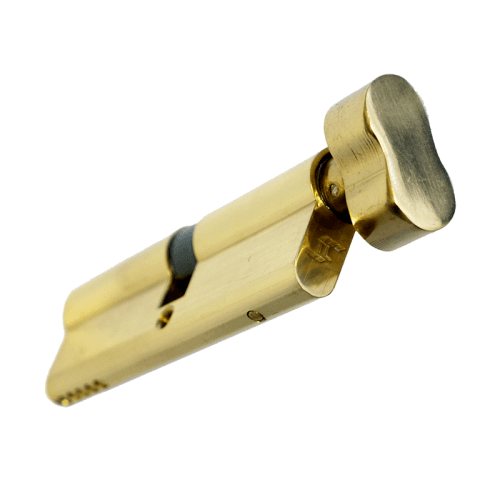
- TL Thumb Turn Euro Cylinder
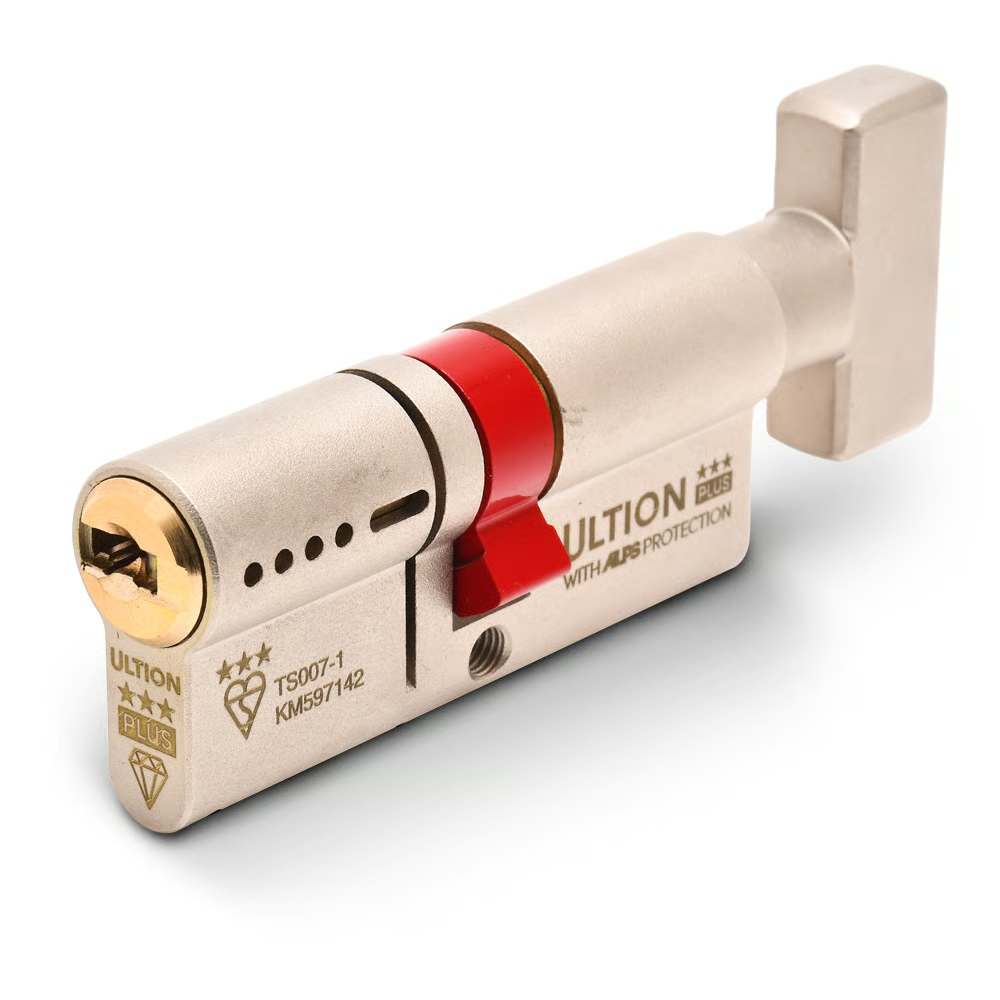
- Ultion Plus TS007 3* Kitemarked Euro Key & Turn Cylinder
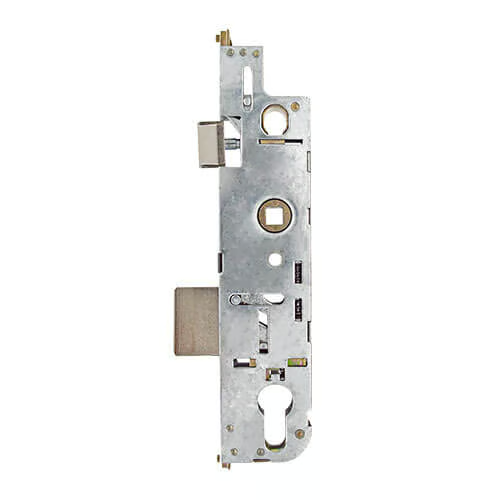
- Multipoint Gearbox GU Old Style
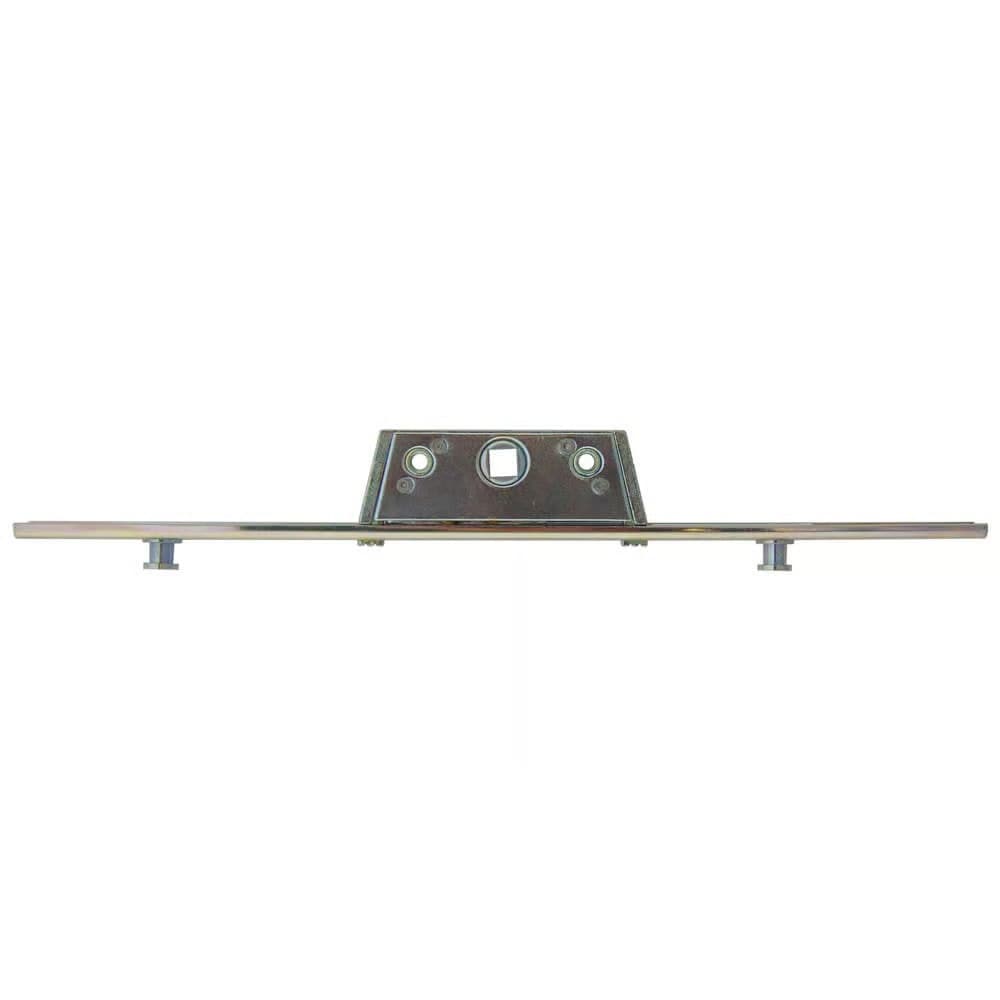
- In-Line Window Mechanism
- Offset Window Mechanism
Conclusion and next steps
A 3 star cylinder offers the highest level of tested mechanical protection for euro cylinders in the UK and is often the minimum recommended for external doors by insurers. For homeowners: measure your existing cylinder, check your insurance requirements and choose a certified 3 star product with restricted key control where appropriate. For tradespeople: specify correct lengths, check thumbturn options, fit to the manufacturer’s torque recommendations and provide certification to the customer. If you are unsure about the required size or locking configuration, contact a qualified locksmith or your supplier for advice and on-site measurements.

Related articles
What Is a Thumb Turn Cylinder? Convenience vs Security
What Is a Thumb Turn Cylinder? Convenience vs Security What is a thumb turn cylinder? A thumb turn cylinder is a type of euro-profile lock cylinder that ha...
Thumb Turn Cylinder vs Panic Bar: Exit Options Compared
Thumb Turn Cylinder vs Panic Bar: Exit Options Compared examines two very different approaches to door egress and security. The thumb turn cylinder is a co...
Thumb Turn Cylinder Sizes: Finding the Right Length
Thumb Turn Cylinder Sizes: Finding the Right Length Choosing the correct thumb turn cylinder is vital for security, smooth operation and a neat finish on d...