
3 Star Cylinder Installation: DIY or Locksmith?
3 Star Cylinder Installation: DIY or Locksmith? A 3 star cylinder is the highest TS007 rated euro cylinder commonly fitted to external doors in the UK; it ...
3 Star Cylinder Installation: DIY or Locksmith?
A 3 star cylinder is the highest TS007 rated euro cylinder commonly fitted to external doors in the UK; it offers anti-snap, anti-bump, anti-pick and anti-drill protection designed to meet modern insurance and security requirements. Whether a homeowner or a trade professional, deciding between a DIY swap and calling a locksmith depends on the door type, existing damage, and the level of security required. The information below covers practical, technical and safety considerations so you can make a confident decision.
What a 3 star cylinder actually provides
TS007 issue 3 assigns 1, 2 or 3 stars to euro cylinders depending on resistance to forced attack. A genuine 3 star cylinder will typically include:
- Anti-snap features: a sacrificial section or reinforced core that prevents the attack method known as snapping
- Hardened pins and anti-drill plates to resist drilling attacks
- Anti-bump and anti-pick mechanisms in the keyway
- Often tested alongside an approved escutcheon to achieve the claimed protection for a complete door assembly
Fitting a recognised 3 star cylinder is commonly used to meet insurers' expectations and to help a door meet PAS 24 or Secured by Design recommendations for external doors.
When a DIY installation is suitable
Replacing a cylinder is one of the more straightforward door jobs, provided the door and lock mechanism are functioning correctly. Consider DIY if the following apply:
- The door is structurally sound and the multipoint lock operates smoothly
- No snapping, shear or heavy damage around the lock or frame
- You have the correct sized cylinder and tools: screwdriver, tape measure, and the new retaining screw
- You are replacing a single cylinder in a uPVC, composite or timber door with standard furniture
For trade professionals, fitting 3 star cylinders should be routine. Keep a stock of common sizes and escutcheons to minimise call-backs. For homeowners, allow 20–30 minutes for a straightforward swap once you have the right size and part.
Step-by-step DIY installation
Follow these steps to remove and fit a euro cylinder safely and correctly:
- Measure the existing cylinder: close the door, measure from the centre of the fixing screw hole (the central screw in the door edge) to each end of the cylinder in millimetres; note sizes as left/right (eg 35/45). Accurate measurement is crucial; if unsure, measure twice.
- Open the door and remove the handle furniture: loosen the screws on both sides so you can operate the lock. Use the key to turn the cam slightly if necessary to align it for removal.
- Remove the central retaining screw in the edge of the door. Keep this screw; it is usually the correct length for the door thickness.
- Insert the key, turn gently to align the cam and slide the old cylinder out. If it is stuck, do not force it; re-check cam alignment and ensure the retaining screw is fully removed.
- Fit the new 3 star cylinder: insert with key turned to align the cam, push fully into position and reinsert the retaining screw; tighten securely but do not over-torque.
- Re-fit the furniture and test repeatedly: lock and unlock with the key, operate the handle to ensure the multipoint engages fully, and check that the cylinder does not protrude beyond the escutcheon more than 2–3 millimetres.
Important: test the lock with the door closed. Some multipoint systems require the handle to be lifted before the cylinder will retract the bolts; make sure the cylinder engages the gearbox correctly.
Trade tips and technical checks
For installers and tradespeople, small details reduce call-backs and insurance issues:
- Stock common sizes: 30/30, 30/35, 30/40, 35/35, 35/40 and 35/45 are common. Always measure the actual door rather than guessing.
- Check cylinder projection: many insurers expect cylinders not to protrude more than 2–3 mm outside the escutcheon; if the projection is excessive, fit a longer or shorter cylinder as needed.
- Keep matching escutcheons: anti-snap cylinders are more effective paired with a reinforced or tested escutcheon; fitting just the cylinder without an appropriate external escutcheon reduces protection.
- For keyed-alike or master-keyed systems, involve the client and allow specialist ordering times; these systems are best handled by a locksmith or authorised supplier.
- Use the original retaining screw when possible; an incorrect screw length can allow the cylinder to move or make removal difficult.
When to call a locksmith
There are clear situations when professional attendance is recommended or necessary:
- Evidence of forced entry such as a snapped cylinder or damaged multipoint gearbox; structural repair or replacement may be needed
- Complex multipoint adjustments, where the gearbox or keeps require setting to suit a new cylinder
- Keyed-alike systems, master-keying or restricted key systems that require secure key control and ordering
- Doors for flats, communal areas or properties covered by tenancy or building regulations where certified fitting and compliance with PAS 24 may be required
- If you cannot get the cylinder out because the cam or pins are damaged; a locksmith will have the specialist tools and experience to remove it without further damage
A professional locksmith can also advise on door security upgrades: reinforced escutcheons, anti-snap roses, and whether the door meets the complete system requirements for insurance.
Recommended Products
Based on this article, you may find these products helpful:
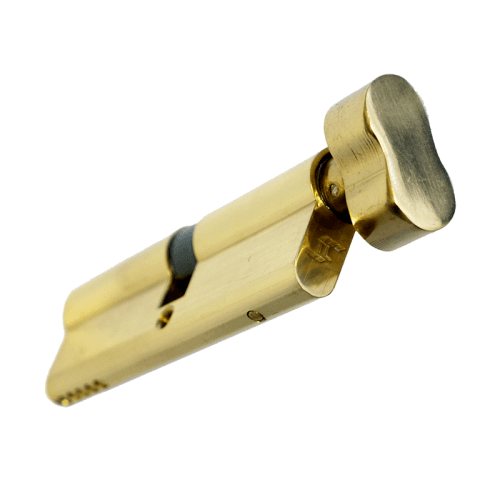
- TL Thumb Turn Euro Cylinder
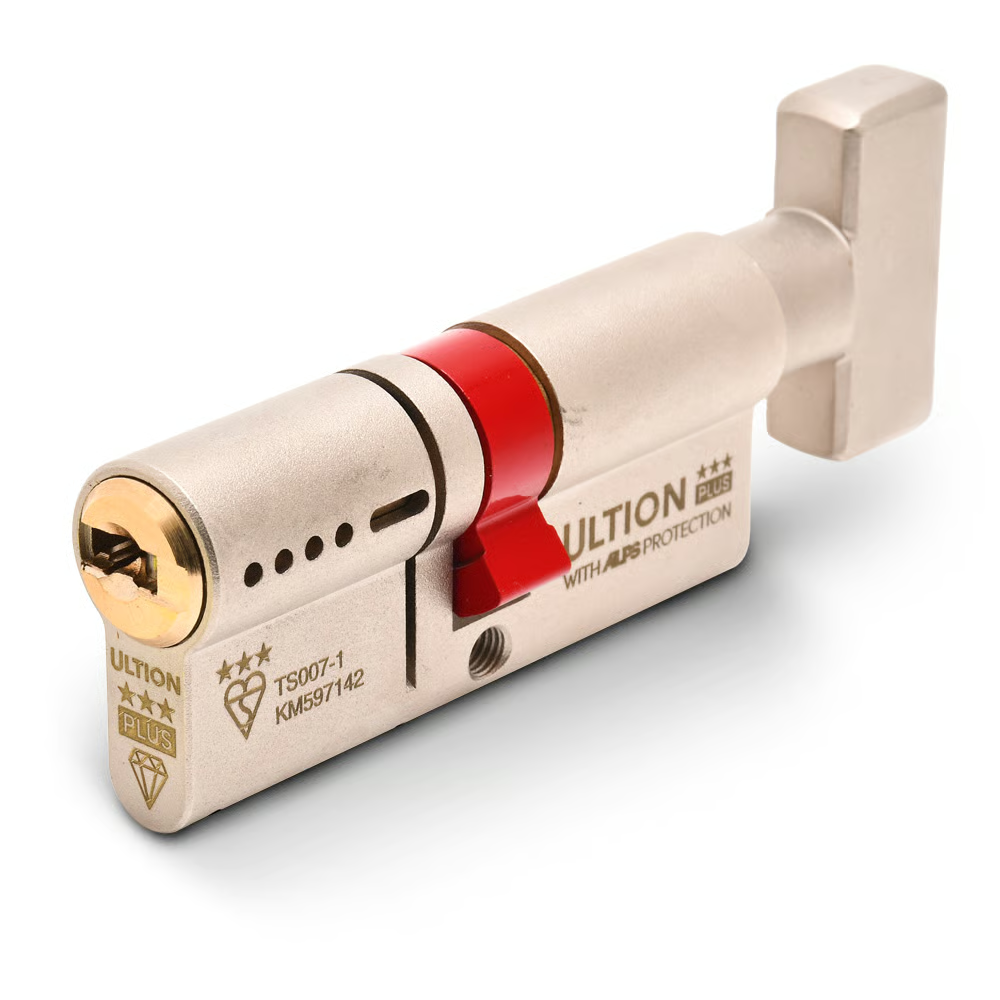
- Ultion Plus TS007 3* Kitemarked Euro Key & Turn Cylinder
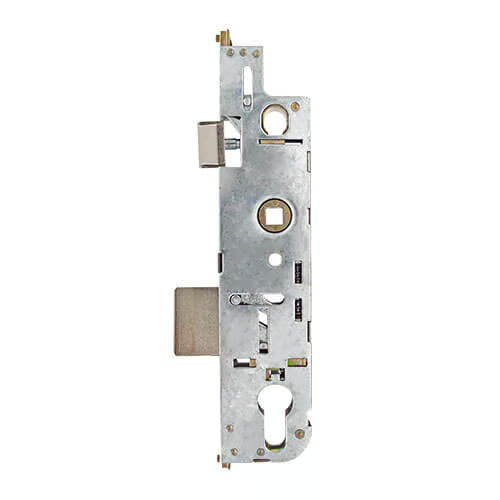
- Multipoint Gearbox GU Old Style
- In-Line Window Mechanism
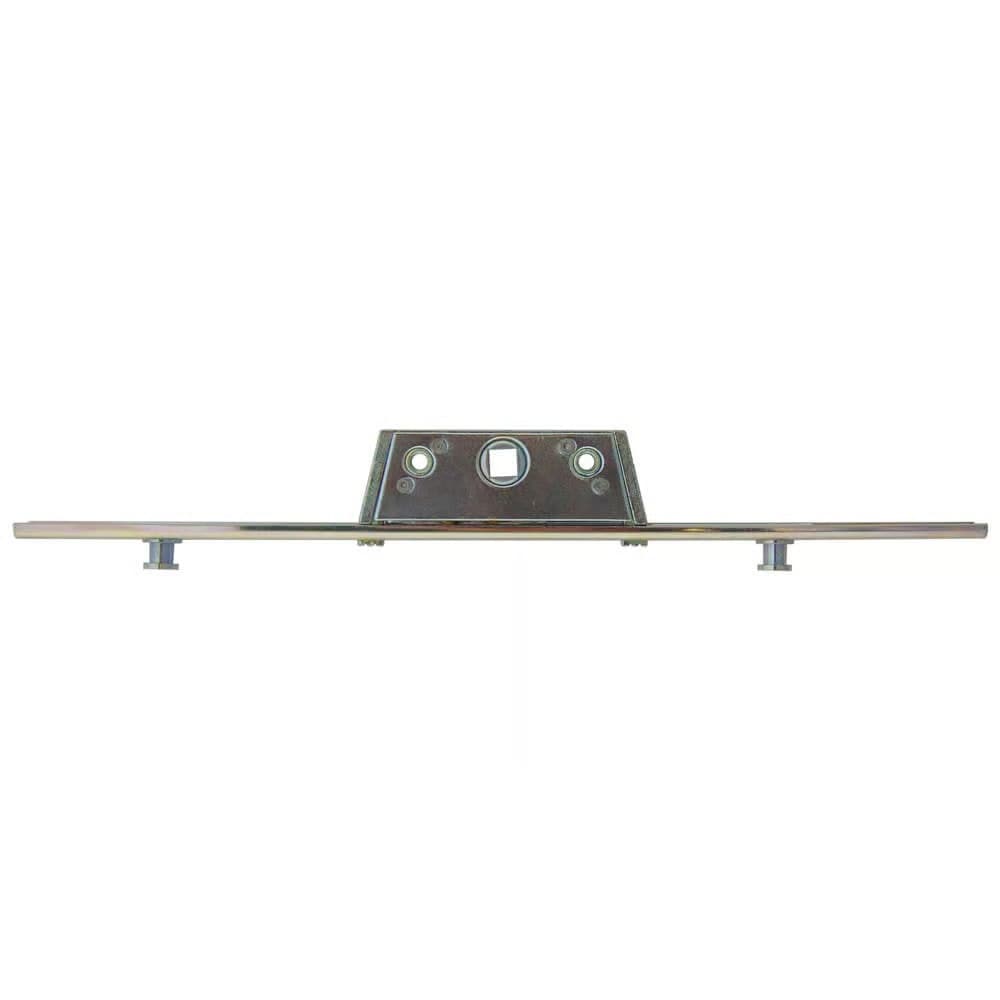
- Offset Window Mechanism
Conclusion and next steps
For an undamaged external door with a working multipoint lock, a 3 star cylinder replacement is a realistic DIY task for a confident homeowner and a routine job for tradespeople. Call a locksmith if there is evidence of forced entry, if you need master-keying, or if the lock mechanism is damaged or complex. Wherever you are on the project, check cylinder size carefully and pair a 3 star cylinder with a suitable escutcheon to maintain the rated protection.
Next steps: measure your current cylinder accurately; if you are unsure about door condition or compliance, contact a qualified locksmith; for technical background on euro cylinders and sizing, visit our pillar page at /c/locks-security or contact Window Hardware Store for trade advice and stock availability.

Related articles
What Is a Thumb Turn Cylinder? Convenience vs Security
What Is a Thumb Turn Cylinder? Convenience vs Security What is a thumb turn cylinder? A thumb turn cylinder is a type of euro-profile lock cylinder that ha...
Thumb Turn Cylinder vs Panic Bar: Exit Options Compared
Thumb Turn Cylinder vs Panic Bar: Exit Options Compared examines two very different approaches to door egress and security. The thumb turn cylinder is a co...
Thumb Turn Cylinder Sizes: Finding the Right Length
Thumb Turn Cylinder Sizes: Finding the Right Length Choosing the correct thumb turn cylinder is vital for security, smooth operation and a neat finish on d...