
3 Star Cylinder Maintenance: Keeping Security High
3 Star Cylinder Maintenance: Keeping Security High A TS007 3 star cylinder, commonly referred to simply as a 3 star cylinder, is a key element in modern do...
3 Star Cylinder Maintenance: Keeping Security High
A TS007 3 star cylinder, commonly referred to simply as a 3 star cylinder, is a key element in modern door security for homes and commercial properties. Regular maintenance keeps the lock functioning smoothly and preserves the anti-snap, anti-drill and anti-pick protections that earn it the 3 star rating. This post covers practical trade advice and DIY maintenance steps to ensure your cylinders continue to meet insurance and safety expectations.
Why maintain a 3 star cylinder?
Even high-specification cylinders require attention. Dirt, corrosion and misalignment degrade performance, which can compromise security and cause premature failure. For tradespeople, well maintained cylinders reduce call-backs and extend product life. For homeowners, simple checks prevent lockouts and keep insurance conditions satisfied if a 3 star cylinder is specified.
Recommended maintenance schedule
- Visual inspection: every 6 months.
- Functional test and lubrication: every 6 to 12 months, depending on usage and environment; seaside or industrial locations may need more frequent attention.
- Full removal and inspection: every 2-3 years or if the cylinder shows stiffness, rough key operation or visible corrosion.
Tools and materials
Keep a small kit to hand for trade visits or home jobs:
- Straight and cross-head screwdrivers (appropriate sizes for the fixing screw and furniture screws).
- PTFE dry spray or graphite lubricant; avoid oil-based products.
- Clean lint-free cloths and a small brush.
- Replacement cylinder and fixing screw if performing a changeover.
- Spare handles/escutcheons where required for reassembly checks.
Practical maintenance steps
Follow these checks in sequence to minimise time on site and avoid damage:
- Visual check: Examine the cylinder for visible corrosion, wear or damage. Check the cylinder projection; excessive projection presents a security risk. If the cylinder protrudes significantly beyond the faceplate, arrange replacement with the correct length; manufacturers provide various sizes expressed as measurements from the fixing screw centre, for example 35-35 or 30-40.
- Functional test: Insert the correct key and operate it several times: lock, unlock and test with handles both up and down where applicable. Note any stiffness, rough movement or binding.
- Lubrication: Use a dry PTFE spray or a graphite product designed for locks. Apply a short burst into the keyway and operate the key to distribute lubricant. Do not use oil-based sprays such as WD-40; they attract dirt and can gum the mechanism.
- Furniture and spindle check: Inspect handles, escutcheons and the follower spindle for wear or sag. Loose handles can deform the cylinder cam over time. Tighten furniture screws to the manufacturer’s recommendations; avoid overtightening as this may bind the spindle.
- Retaining screw check: With older installations it is common to find the centre fixing screw loose or incorrect. Ensure the cylinder’s retaining screw is the correct thread and fully engages the cylinder housing. The screw must sit flush and secure the cylinder without stressing the door face.
How to remove and replace a euro cylinder
Removal is straightforward when you know the sequence; this is useful for trade replacements or DIY upgrades to a 3 star cylinder:
- Open the door and remove the inner handle and any escutcheon cover to expose the centre screw.
- Insert the key and turn slightly to align the cam; this aligns the cylinder so it can slide out. If the key will not turn, apply a little PTFE spray and try again. Do not force the key.
- Loosen and remove the centre fixing screw from the edge of the door while holding the key in the turned position to keep the cam free.
- Slide the cylinder out carefully by pulling on the key; if the cylinder resists, check that the cam is aligned and the screw is fully removed.
- When fitting the new cylinder, ensure the correct length and orientation; fit the retaining screw and test operation with the door open before refitting furniture.
Common problems and solutions
- Stiff key action: Lubricate with PTFE or graphite; if stiffness persists, remove the cylinder and inspect for internal wear or debris. Replace if necessary.
- Cylinder protrudes: Measure and select the correct cylinder length. Do not extend by using washers or shims; use a correctly sized unit to retain security rating.
- Handle sag or play: Replace worn followers and check handle fixings. Ensure the spindle does not bind inside the cylinder cam.
- Corrosion in coastal properties: Use marine-grade or stainless options where possible and increase maintenance frequency to every 3-6 months.
Trade tips for installers
- Specify TS007 3 star cylinders when insurance or local building regulations require higher security; keep documentation in job records to evidence compliance.
- Stock common sizes for rapid turnaround: 30/30, 35/35, 30/40 and 40/35 are frequent for domestic doors. Check door furniture and handle spindle lengths to avoid interference.
- When upgrading, confirm the multipoint lock’s cam orientation. Some multipoint mechanisms require specific cam positions to operate correctly; test multiple cycles after installation.
- Offer keyed-alike or masterkey options as a value-added service; provide customers with clear labelling and spare keys.
When to replace rather than repair
Replace the cylinder if there is visible corrosion through to the metal, repeated binding after lubrication, damage from attempted forced entry or if the cylinder no longer meets insurance or regulatory requirements. Replacement is also prudent if the cylinder cannot be matched to the door furniture or lock case for secure operation.
Further reading and compliance
For technical information on euro-cylinder types and detailed compliance notes, see our pillar resource: /c/locks-security. If you are unsure about matching a cylinder to a particular multipoint lock or door system, consult the lock manufacturer or a specialist locksmith.
Recommended Products
Based on this article, you may find these products helpful:
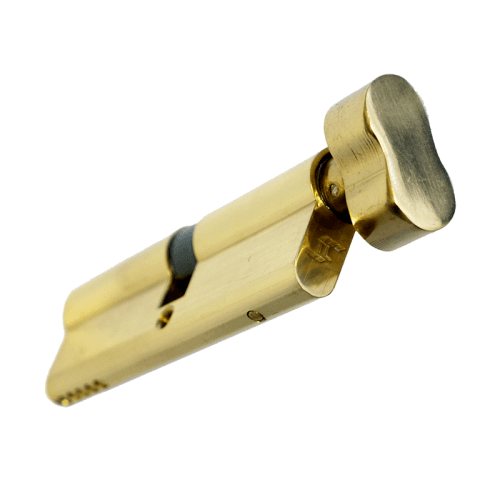
- TL Thumb Turn Euro Cylinder
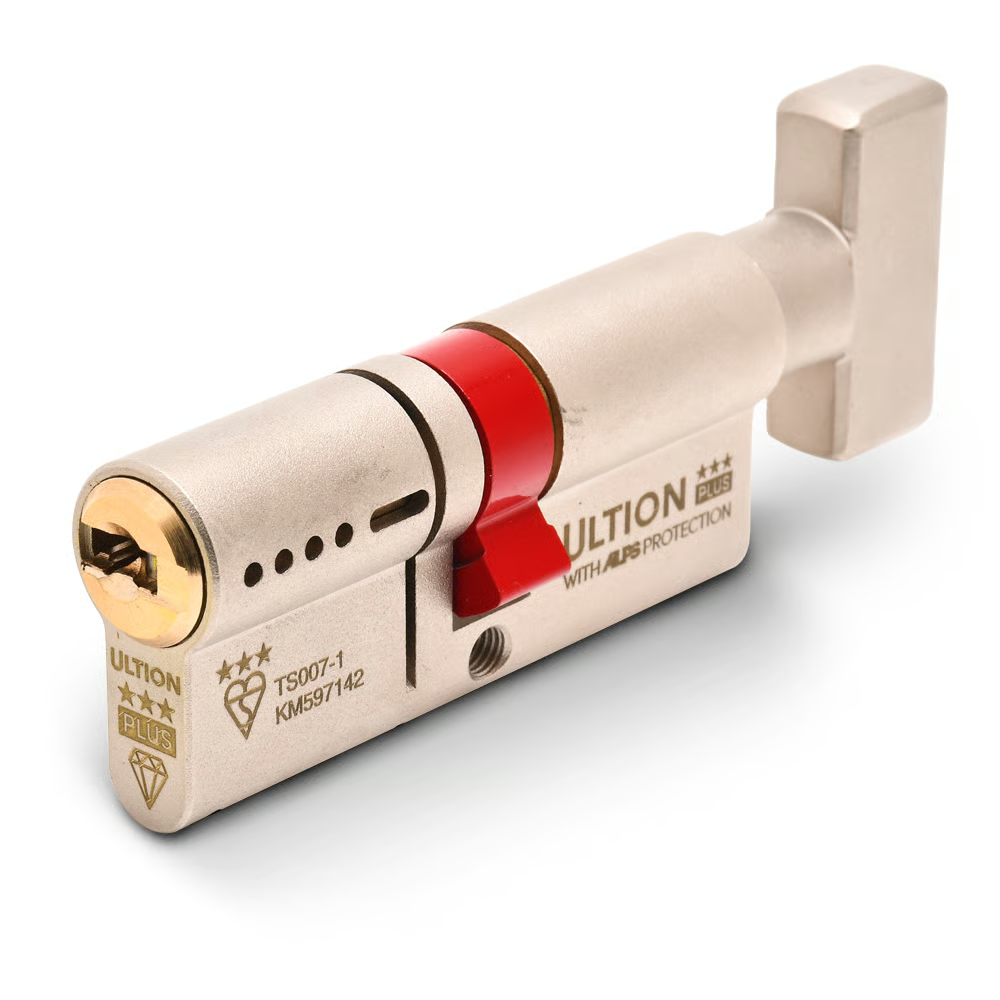
- Ultion Plus TS007 3* Kitemarked Euro Key & Turn Cylinder
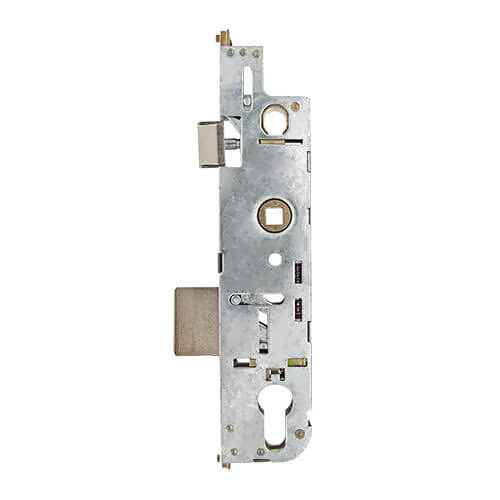
- Multipoint Gearbox GU Old Style
- In-Line Window Mechanism
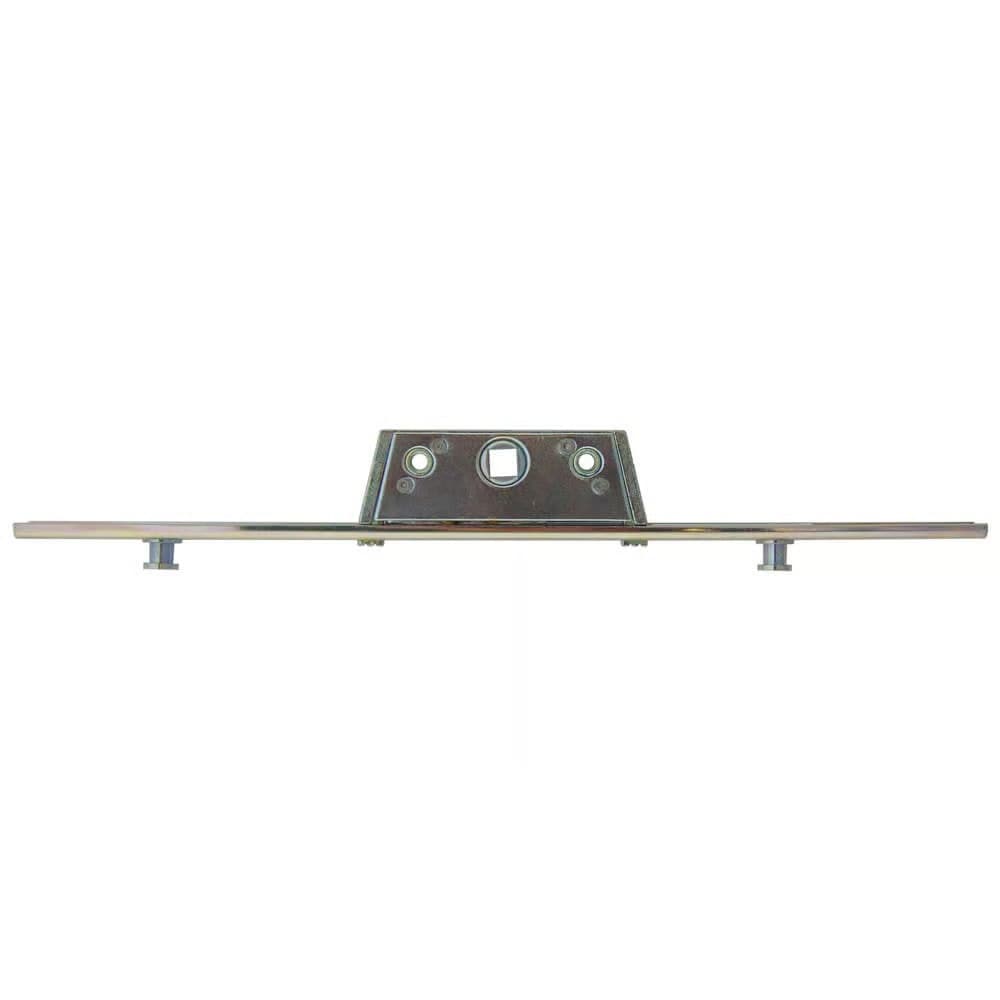
- Offset Window Mechanism
Conclusion and next steps
Routine maintenance preserves the security features of a 3 star cylinder and avoids emergency replacements. For homeowners: set reminders to inspect and lubricate cylinders every 6-12 months and address any protrusion or stiffness promptly. For trade professionals: carry PTFE lubricant, a selection of common cylinder sizes and keep records to demonstrate compliance when specifying TS007 3 star products.
Next steps: inspect any susceptible doors this month; if a cylinder protrudes or shows corrosion, plan a replacement with a correctly sized TS007 3 star cylinder and ensure you test operation through the complete locking cycle before signing off the job.

Related articles
What Is a Thumb Turn Cylinder? Convenience vs Security
What Is a Thumb Turn Cylinder? Convenience vs Security What is a thumb turn cylinder? A thumb turn cylinder is a type of euro-profile lock cylinder that ha...
Thumb Turn Cylinder vs Panic Bar: Exit Options Compared
Thumb Turn Cylinder vs Panic Bar: Exit Options Compared examines two very different approaches to door egress and security. The thumb turn cylinder is a co...
Thumb Turn Cylinder Sizes: Finding the Right Length
Thumb Turn Cylinder Sizes: Finding the Right Length Choosing the correct thumb turn cylinder is vital for security, smooth operation and a neat finish on d...