
3 Star Cylinder vs 1 Star: Is the Upgrade Worth It?
3 Star Cylinder vs 1 Star: Is the Upgrade Worth It? What the star ratings mean Star ratings for euro cylinders are shorthand for performance in standardise...
3 Star Cylinder vs 1 Star: Is the Upgrade Worth It?
What the star ratings mean
Star ratings for euro cylinders are shorthand for performance in standardised attack tests: resistance to snapping, drilling, picking and, in some cases, bumping. The most common UK scheme is the TS 007:2014 cylinder rating; cylinders can achieve one, two or three stars depending on how long they resist forced entry. A 3 star cylinder provides the highest level of resistance under this test regime. Note that the rating focuses on attack resistance of the cylinder itself; it does not automatically cover key control or patented key systems.
Technical differences: 1 star versus 3 star cylinders
The construction differences that give a 3 star cylinder better performance are practical and verifiable:
- Anti-snap features: 3 star cylinders are designed to prevent a burglar from snapping the protruding portion and exposing the cam; they incorporate sacrificial or reinforced sections to stop a clean break.
- Hardened components: pins, plug and cam areas are often hardened or protected with steel inserts to resist drilling and extraction.
- Anti-pick and anti-bump elements: additional pin profiles and security drives reduce the effectiveness of picking and bumping attacks.
- Longer test resistance: TS 007 measures time to failure under different attack methods; 3 star cylinders simply endure longer, making opportunistic burglary much harder.
By contrast, a standard 1 star cylinder will meet more basic requirements but will generally be easier to force with common attacks. That said, a correct installation and accompanying security hardware matter as much as the cylinder rating.
Security benefits and real-world performance
Upgrading to a 3 star cylinder increases resistance to the most common methods of cylinder attack: snapping, drilling and picking. For homeowners that means fewer quick-entry burglaries where a tool or a twist is used to break the lock. For trade professionals specifying hardware, a 3 star cylinder offers reassurance when advising clients about meeting insurer or local authority standards.
Bear in mind the cylinder is only one element of the door security system: if the cylinder protrudes beyond the faceplate by more than a few millimetres it remains vulnerable, even if it is 3 star rated. Use a security escutcheon, correct door furniture and ensure the cylinder length matches the door thickness to obtain the full benefit of the rating.
Insurance and compliance considerations
Many UK insurers now require either a 3 star TS 007 cylinder or equivalent anti-snap protection for reasonable access cover on standard doors. The wording varies between policies; always check the small print. For new build or refurbishment projects, compliance with PAS 024 and referencing BS EN 1303 where applicable can simplify specification for building control or warranty schemes.
Practical trade advice: what to specify and fit
For tradespeople specifying or fitting cylinders for clients follow these practical rules:
- Specify a TS 007 3 star cylinder for external doors where insurance or enhanced security is a concern; match the profile to the lock case and handle type.
- Measure the door accurately: measure from the faceplate to the end of the cylinder on both sides and buy the exact length; a protruding cylinder negates much of the security benefit.
- Use a reinforced escutcheon or anti-snap furniture; these protect the cylinder shoulder and reduce lever and drill attacks.
- Check cam position and key-turn operation before final tightening; for multipoint locks ensure the cam engages correctly when the handle is moved.
- Keep a stock of common lengths and Kitemarked 3 star cylinders: 30/30, 35/35 and 40/40 are typical for domestic doors, but measure each job.
- Advise clients about key control: if restricted key duplication is important, specify a patented key profile; this is separate from the star rating but complements security.
DIY guidance for homeowners
Replacing a euro cylinder is a common DIY task for many homeowners. If you opt to replace a 1 star cylinder with a 3 star unit follow these steps and safety points:
- Measure first: open the door and measure from the centre of the fixing screw to each end of the cylinder to get the right length. Record both sides.
- Buy the correct cylinder: pick a TS 007 3 star cylinder of the correct length and profile for your door. Ensure any keying requirements are set; if you want keys to match an existing lock, order keyed alike from the supplier.
- Tools required: screwdriver and the supplied key; a second person is useful if the door stiffens when removing the cylinder.
- Removal: loosen and remove the retaining screw in the faceplate. Insert the key, turn slightly to align the cam and pull the cylinder out gently. If the lock is rigid, try turning the key more to disengage the cam.
- Installation: insert the new cylinder with the key turned so the cam passes the lock case. Tighten the retaining screw to secure the cylinder; do not overtighten. Test the key and locking operation several times before finishing.
- Check for protrusion: with the cylinder fitted, ensure it does not stick out beyond the escutcheon by more than a few millimetres. If it does, order the correct length.
If in doubt or if the door is part of a complex multipoint system, contact a competent locksmith or a trade installer; incorrect fitting can disable a multipoint lock or leave the door insecure.
Cost versus benefit
3 star cylinders cost more than basic 1 star units but the premium is justified by significantly improved resistance to forced entry and by reducing the chance of an insurer refusing a claim because of inadequate locks. For rented properties, high value homes or where insurers specify them, the upgrade is advisable. For low-risk internal doors or secondary internal locks, a 1 star or standard cylinder can still be appropriate.
Recommended Products
Based on this article, you may find these products helpful:
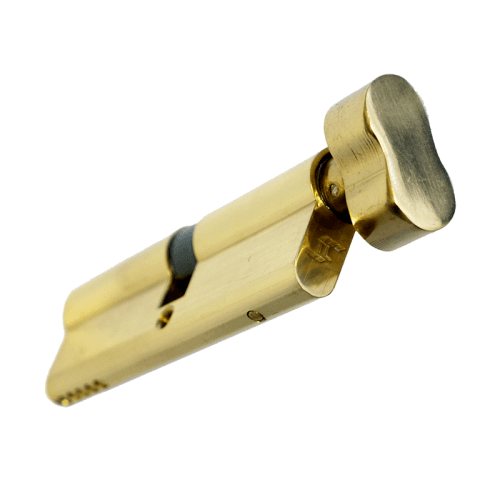
- TL Thumb Turn Euro Cylinder
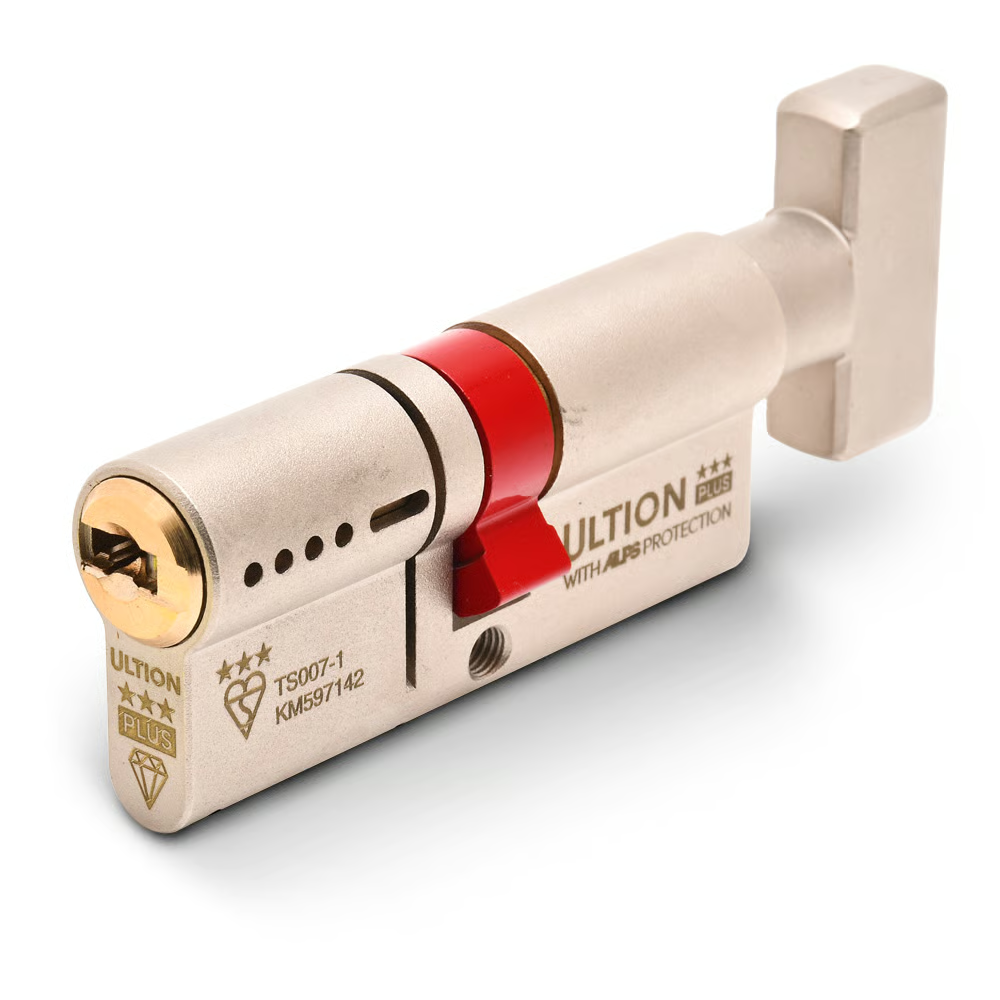
- Ultion Plus TS007 3* Kitemarked Euro Key & Turn Cylinder
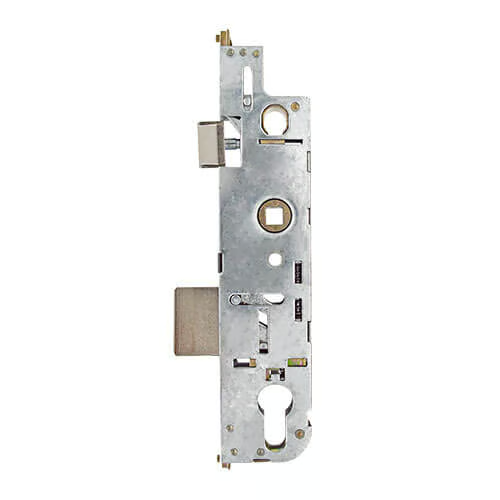
- Multipoint Gearbox GU Old Style
Conclusion and next steps
Upgrading from a 1 star to a 3 star cylinder is generally worth the investment where external security, insurance requirements or peace of mind are priorities: the 3 star cylinder resists common attack methods and performs better in real-world break-in attempts. For tradespeople, always specify the correct length, use protective escutcheons and consider key control as a separate requirement. For DIYers, measure carefully, buy a Kitemarked 3 star cylinder and follow the simple removal and fitting steps described above; if the door has a multipoint system or you are unsure, use a locksmith.
Next steps: check your insurance wording for cylinder requirements, measure the door thickness and visit our pillar page for further technical detail and product options: /c/locks-security. If you would like help choosing the right 3 star cylinder for a specific door, contact our trade support team or book a site survey.
Products mentioned in this article
Related articles
What Is a Thumb Turn Cylinder? Convenience vs Security
What Is a Thumb Turn Cylinder? Convenience vs Security What is a thumb turn cylinder? A thumb turn cylinder is a type of euro-profile lock cylinder that ha...
Thumb Turn Cylinder vs Panic Bar: Exit Options Compared
Thumb Turn Cylinder vs Panic Bar: Exit Options Compared examines two very different approaches to door egress and security. The thumb turn cylinder is a co...
Thumb Turn Cylinder Sizes: Finding the Right Length
Thumb Turn Cylinder Sizes: Finding the Right Length Choosing the correct thumb turn cylinder is vital for security, smooth operation and a neat finish on d...