
Anti-Snap Cylinder Buying Guide: Features That Matter
Anti snap cylinder Buying Guide: Features That Matter offers practical information for UK homeowners and trade professionals selecting a secure euro cylind...
Anti snap cylinder Buying Guide: Features That Matter offers practical information for UK homeowners and trade professionals selecting a secure euro cylinder for doors and some windows. Replacing a worn or vulnerable cylinder is one of the quickest ways to increase perimeter security; this guide explains the technical features, sizing, standards and fitting tips you need to make the right choice.
Why choose an anti snap cylinder
An anti snap cylinder is engineered to resist the most common attack method on euro cylinders: snapping the front section to manipulate the lock. A properly specified anti-snap cylinder will prevent the intruder from gaining access after a partial break, maintain engagement with the locking mechanism and delay or deter further attack. Other benefits can include anti-drill, anti-pick and anti-bump protection; many insurers require a cylinder with a recognised security rating for cover.
Key features that matter
- Anti-snap function: a sacrificial or reinforced section at the front that breaks away cleanly while leaving the core intact so the cam cannot be turned to open the lock.
- Certification and rating: look for TS007 3-star accredited cylinders and, where applicable, Sold Secure or British Standard markings; these confirm resistance to snapping, drilling and other attacks.
- Anti-drill and hardened pins: hardened steel inserts and specially hardened pins resist drilling attempts on the plug and body.
- Anti-pick and anti-bump protection: precisely cut pins and specialised pin stacks frustrate picking and bumping techniques.
- Key control and restricted profiles: patent-protected keys limit unauthorised duplication; useful for keyed-alike or master key systems on commercial projects.
- Finish and corrosion resistance: nickel or chrome plating improves weather resistance for external doors; check for salt-spray test data if in a coastal area.
- Thumbturn and double options: thumbturn cylinders allow quick egress without a key; double cylinders provide keyed access on both sides but may affect emergency escape.
Standards and certification to expect
TS007 is the test and certification scheme most commonly quoted for anti-snap performance; a three-star rating is the highest within TS007 and demonstrates robust resistance to snapping attacks. Also look for compliance with BS EN 1303 where applicable; this standard covers durability, strength and corrosion resistance. For higher security projects insist on Sold Secure Gold or Diamond where appropriate and check insurance requirements before specifying.
Types and sizing: what to order
Euro profile cylinders come in single, double, half and thumbturn formats. Selection depends on the door type and security needs:
- Single cylinder: used on doors where a handle on one side; not common for external doors that require operation from both sides.
- Double cylinder: keyed both sides; consider escape routes and fire safety before fitting to external doors.
- Thumbturn cylinder: key outside, thumbturn inside; recommended where emergency egress is important and no risk of misuse from internal occupants.
Measure existing cylinders before ordering. Remove the handle and unscrew the central retaining screw; insert the key, turn to align the cam and withdraw the cylinder. Measure from the cam centre to each end. Typical sizes are given as left/right in millimetres, for example 35/35, 40/35, 45/45 and 45/55. Keep common sizes in stock if you are a tradesperson; these cover most uPVC and composite doors.
Practical buying advice for tradespeople and DIYers
- Check insurance and homeowner requirements: many insurers insist on TS007 3-star cylinders for external doors; confirm before advising a customer.
- Specify keyed-alike batches carefully: record key numbers and provide master key documentation where required for commercial jobs.
- Consider the door furniture: some handles and escutcheons provide additional protection against snapping; combine a 3-star cylinder with robust external escutcheons for best results.
- Stock recommendations for installers: keep a mix of 3-star thumbturns and doubles in 35/35, 40/35, 45/45 and 45/55; include a few half cylinders and a set of retaining screws and fixing plates.
- When ordering: check lead times on restricted-profile keys; patent-protected key blanks can take longer to obtain and cut.
DIY fitting: step-by-step guidance
Replacing a euro cylinder is straightforward for competent DIYers, but ensure you understand your door’s multipoint mechanism before attempting work on a living or commercial property.
- Tools required: cross-head screwdriver, tape measure, replacement cylinder, lubricant such as graphite or silicone spray and the door key.
- Remove the handle and the central retaining screw; use the key to position the cam and withdraw the old cylinder.
- Measure the old cylinder as described above; select a replacement with matching left/right dimensions so the cam sits in the centre of the cylinder.
- Insert the new cylinder with the cam aligned; partially insert and tighten the retaining screw to hold it in place, then check operation by turning the key and operating the multipoint lock to ensure smooth engagement.
- Do not over-tighten the retaining screw; it should hold the cylinder firmly but not distort the casing. Lubricate with graphite or silicone; do not use oil-based lubricants that attract dirt.
- Test locking and unlocking several times with the door both open and closed; check for binding or stiffness and adjust if necessary.
Common installation pitfalls and troubleshooting
- Wrong size cylinder: a cylinder that protrudes beyond the face of the handle or is recessed can be vulnerable; always measure accurately and avoid oversize protrusion.
- Incorrect cam position: if the cam is not central the cylinder may not operate fully; re-measure and select the correct left/right split.
- Multipoint lock issues: some multipoint systems require cylinders with a particular cam profile; if the lock fails to engage after fitting, check compatibility with the lock manufacturer.
- Battery or internal obstructions: ensure door furniture does not obstruct the cylinder and that any internal thumbturn is free to rotate without pressure from handles or internal devices.
Further considerations for trades
For installers working on new-builds or refurbishment projects consider specifying restricted-key systems and offering additional hardware such as high-security escutcheons, door chains and laminated glazing to complement the cylinder upgrade. Keep manufacturer datasheets to hand; they provide torque, corrosion rating and approval details that customers and insurers often request.
Recommended Products
Based on this article, you may find these products helpful:
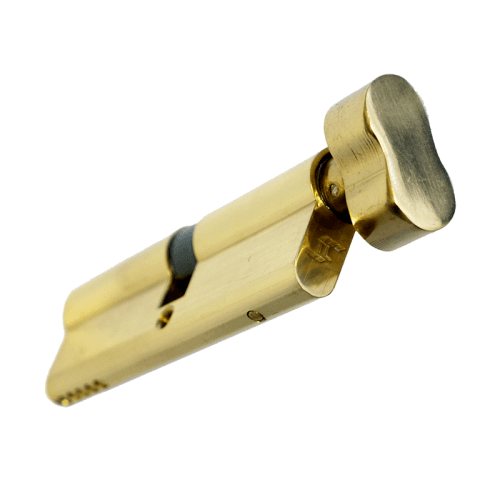
- TL Thumb Turn Euro Cylinder
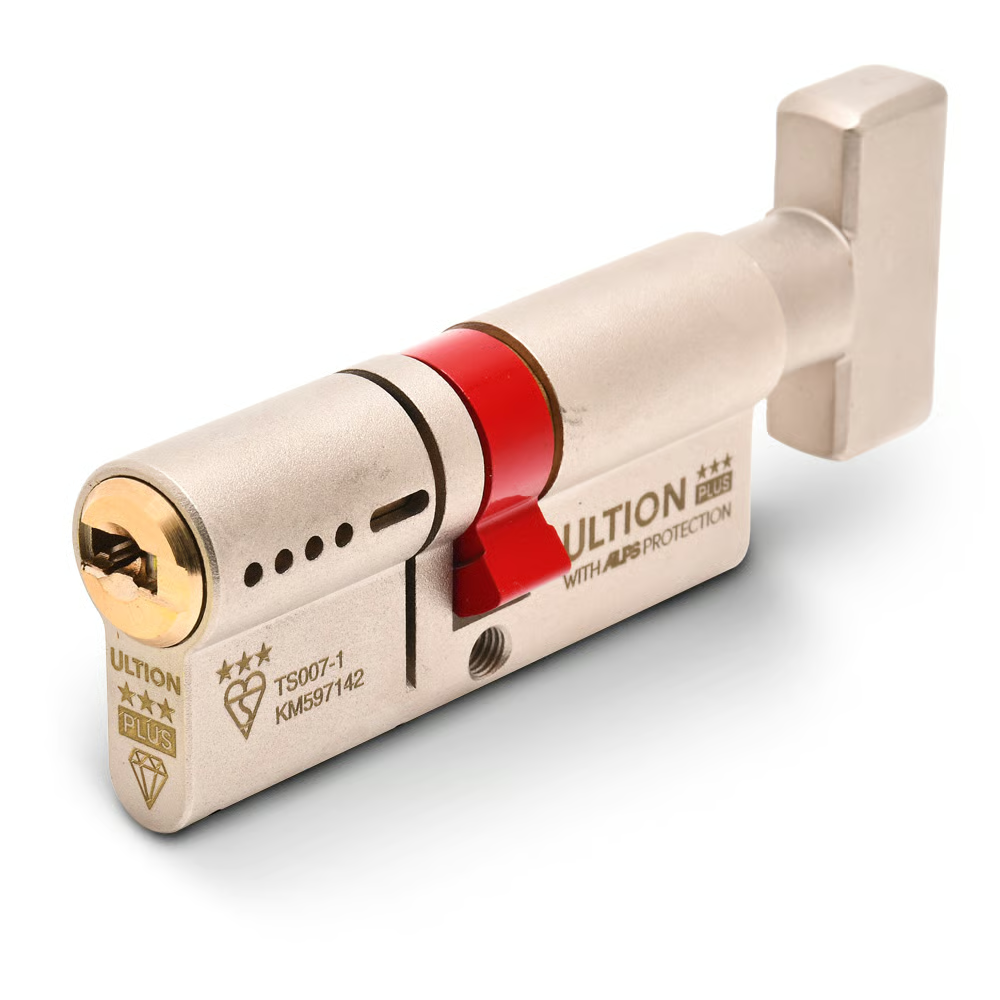
- Ultion Plus TS007 3* Kitemarked Euro Key & Turn Cylinder
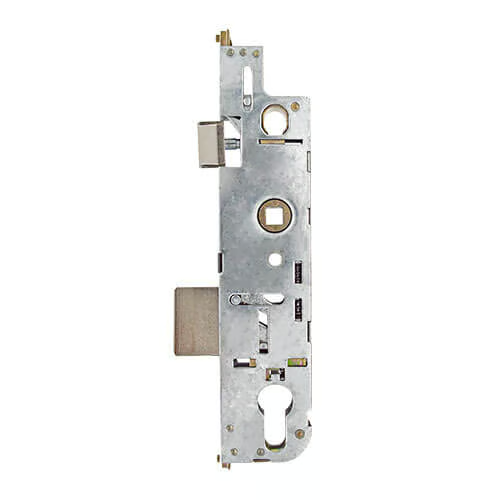
- Multipoint Gearbox GU Old Style
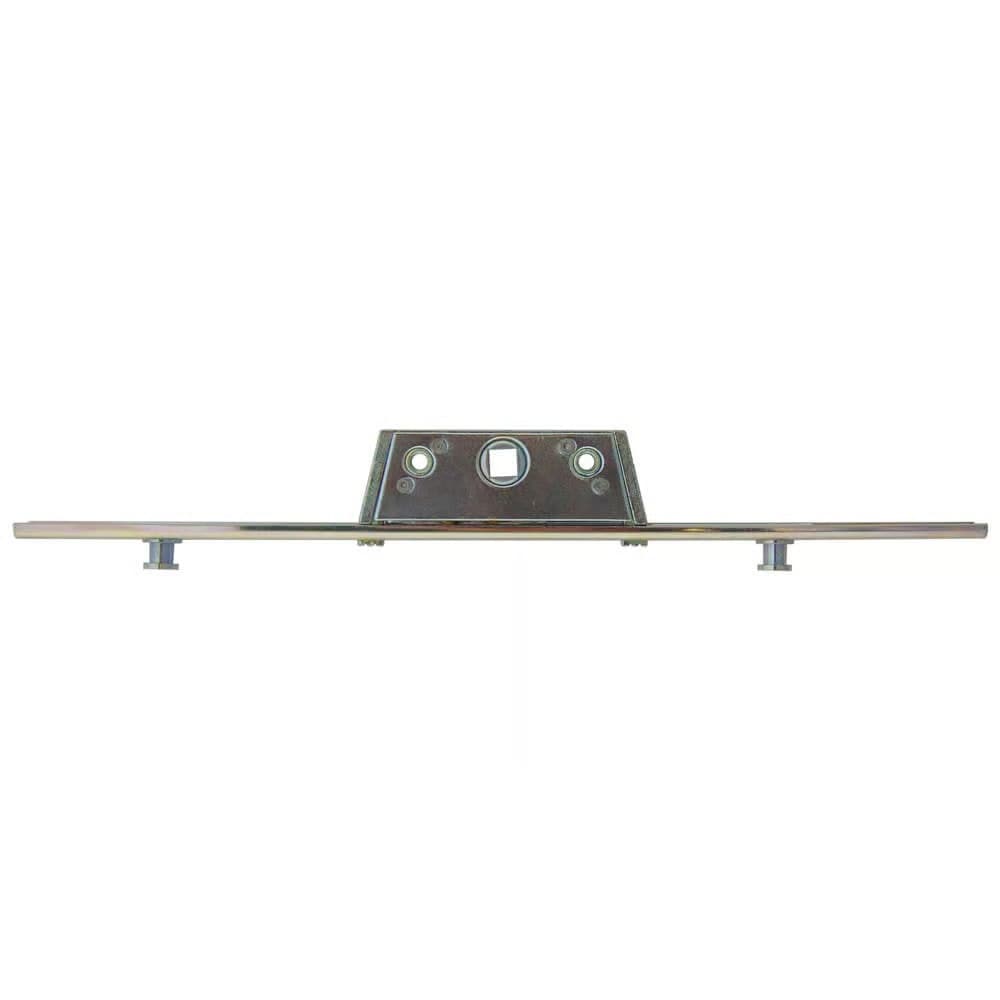
- In-Line Window Mechanism
- Offset Window Mechanism
Conclusion and next steps
Choosing the right anti snap cylinder reduces the most common vulnerability in euro-profile locks and satisfies many insurance and safety requirements. For homeowners: measure carefully, choose a TS007 3-star option where possible and consider a thumbturn for safe escape. For trade professionals: stock common sizes, keep records of keyed-alike orders and verify compatibility with multipoint locks. For more technical details on euro cylinders and measuring techniques see our pillar resource at /c/locks-security and contact a qualified installer if you are unsure about multipoint systems or complex master keying requirements.

Related articles
What Is a Thumb Turn Cylinder? Convenience vs Security
What Is a Thumb Turn Cylinder? Convenience vs Security What is a thumb turn cylinder? A thumb turn cylinder is a type of euro-profile lock cylinder that ha...
Thumb Turn Cylinder vs Panic Bar: Exit Options Compared
Thumb Turn Cylinder vs Panic Bar: Exit Options Compared examines two very different approaches to door egress and security. The thumb turn cylinder is a co...
Thumb Turn Cylinder Sizes: Finding the Right Length
Thumb Turn Cylinder Sizes: Finding the Right Length Choosing the correct thumb turn cylinder is vital for security, smooth operation and a neat finish on d...