
Anti-Snap Cylinder Maintenance: Keeping Your Lock Secure
Anti-Snap Cylinder Maintenance: Keeping Your Lock Secure An anti snap cylinder is one of the most important components of modern door security. Designed to...
Anti-Snap Cylinder Maintenance: Keeping Your Lock Secure
An anti snap cylinder is one of the most important components of modern door security. Designed to resist a common forced-entry technique called "cylinder snapping", these euro profile cylinders provide homeowners and trade professionals with a higher level of protection when fitted correctly. Regular maintenance extends service life, prevents avoidable failures and ensures the cylinder performs as intended when under attack. This article covers practical maintenance steps, DIY checks and trade-level advice for dealing with anti snap cylinders.
Why maintenance matters for anti snap cylinders
Anti-snap cylinders include sacrificial sections, reinforced cores and specialised internal components that give improved resistance to snapping and picking. Over time, dirt, moisture and mechanical wear can impair smooth operation and reduce resistance to attack. Routine maintenance keeps the internal mechanism moving freely, prevents corrosion and allows quick detection of problems that require replacement rather than repair. For properties near the coast, or those exposed to heavy use, more frequent attention is required.
How often to check your cylinder
Frequency depends on location and use:
- Homes in urban areas with normal use: inspect and lubricate every 12 months.
- High-traffic doors, communal entrances or trade premises: inspect every 6 months.
- Coastal or industrial locations prone to salt or chemical exposure: inspect every 3–6 months.
- After any forced entry attempt or if keys become stiff or difficult to turn: inspect immediately.
Tools and materials you will need
Keep the following on hand for effective maintenance:
- Manufacturer-approved dry PTFE or silicone spray lubricant; avoid heavy oils that attract dirt.
- Lock-specific graphite powder for keyways if recommended by the cylinder maker.
- Small brush and a can of compressed air to clear dust from the keyway.
- Flat and Phillips screwdrivers to access the fixing screw, and a torque-limited driver for trade use if required.
- Microlight or torch to inspect internal components and cylinder faces.
- Replacement screws and, if necessary, a new anti snap cylinder sized correctly.
Step-by-step maintenance for homeowners (DIY)
Follow these safe, straightforward steps when maintaining an anti snap cylinder:
- Check operation: insert the key and operate the lock a few times; note any stiffness or grinding.
- Clean the keyway: use compressed air or a small brush to remove dust and debris from the keyway; avoid poking metal objects into the slot.
- Apply lubricant: spray a short burst of PTFE or silicone lubricant into the keyway and around the cylinder face; insert and turn the key several times to distribute the lubricant.
- Wipe off excess: remove any visible residue from the cylinder and surrounding door furniture; excess lubricant can attract dirt.
- Inspect for damage: look for corrosion, visible fracture lines, loose cylinder movement or metal shavings which can indicate wear or previous attack.
- Check fixings and projection: ensure the fixing screw is tight and the cylinder does not protrude excessively beyond the door furniture; a cylinder that protrudes more than a few millimetres is vulnerable to attack and should be corrected.
If you detect severe wear, a visible break line or the cylinder moves under slight pressure, stop and consider replacement rather than continued use.
Trade advice: installation and professional checks
For locksmiths and installers, there are a few extra points to consider:
- Select the correct cylinder length and cam position: measure from the centre of the fixing screw to each end; common sizes include 35/35, 30/40 etc. Incorrect sizing leaves the cylinder exposed or causes binding.
- Fit TS007 3-star cylinders for maximum recognised anti-snap performance where appropriate; confirm the cylinder has the relevant accreditation from the manufacturer.
- Use appropriate escutcheons, cylinder protectors or anti-snap door furniture to reduce projection and add mechanical resistance.
- When securing the fixing screw, avoid over-tightening which can distort the cylinder body and impair operation; tighten until secure with a final small turn to seat the screw properly.
- For multi-point locking systems, ensure the cylinder cam is central when refitting; incorrect cam position can prevent removal or cause gearbox damage.
- Keep common sizes, spare screws and a selection of accredited anti snap cylinders in stock to enable rapid replacement on site.
Replacing a damaged anti snap cylinder
If maintenance reveals damage or poor anti-snap performance, replacement is the correct course of action. Basic replacement steps:
- Open the door and locate the fixing screw on the door edge; remove it using the correct screwdriver.
- Insert the key and turn to align the cam so the cylinder can slide out; gently pull the cylinder from the door while holding the key.
- Measure the old cylinder to select the correct replacement length and ensure matching cam position and finish.
- Insert the new anti snap cylinder, align the cam with the lock mechanism, and secure with the fixing screw; test the lock operation with the door closed.
If the cylinder is seized or the cam will not align, stop and call a qualified locksmith to avoid damage to the multipoint gearbox.
Common problems and solutions
- Stiff key turn: clean keyway and apply recommended dry lubricant; if stiffness persists, consider replacement.
- Loose cylinder: check and tighten fixing screw; if the screw slots do not hold, replace with the correct length or repair the door furniture.
- Visible attack or snapping: do not continue to use; replace immediately and consider upgrading to a higher-rated anti snap solution and fitting protective furniture.
- Corrosion in coastal areas: use stainless or corrosion-resistant cylinders and increase inspection frequency.
Further reading and resources
For additional technical information about euro profile cylinders and selection guidance, see our pillar content on euro cylinders: /c/locks-security. That page includes sizing charts, accreditation explanations and recommended products for different security needs.
Recommended Products
Based on this article, you may find these products helpful:
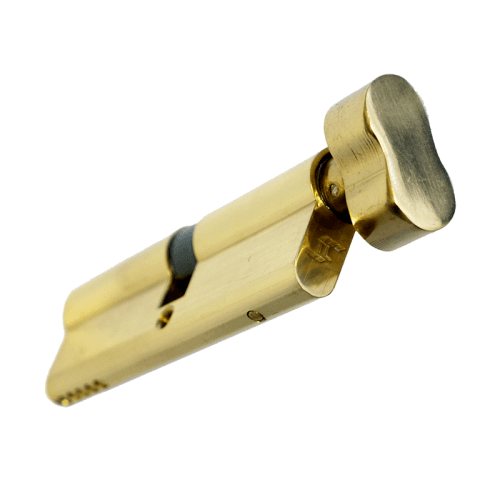
- TL Thumb Turn Euro Cylinder
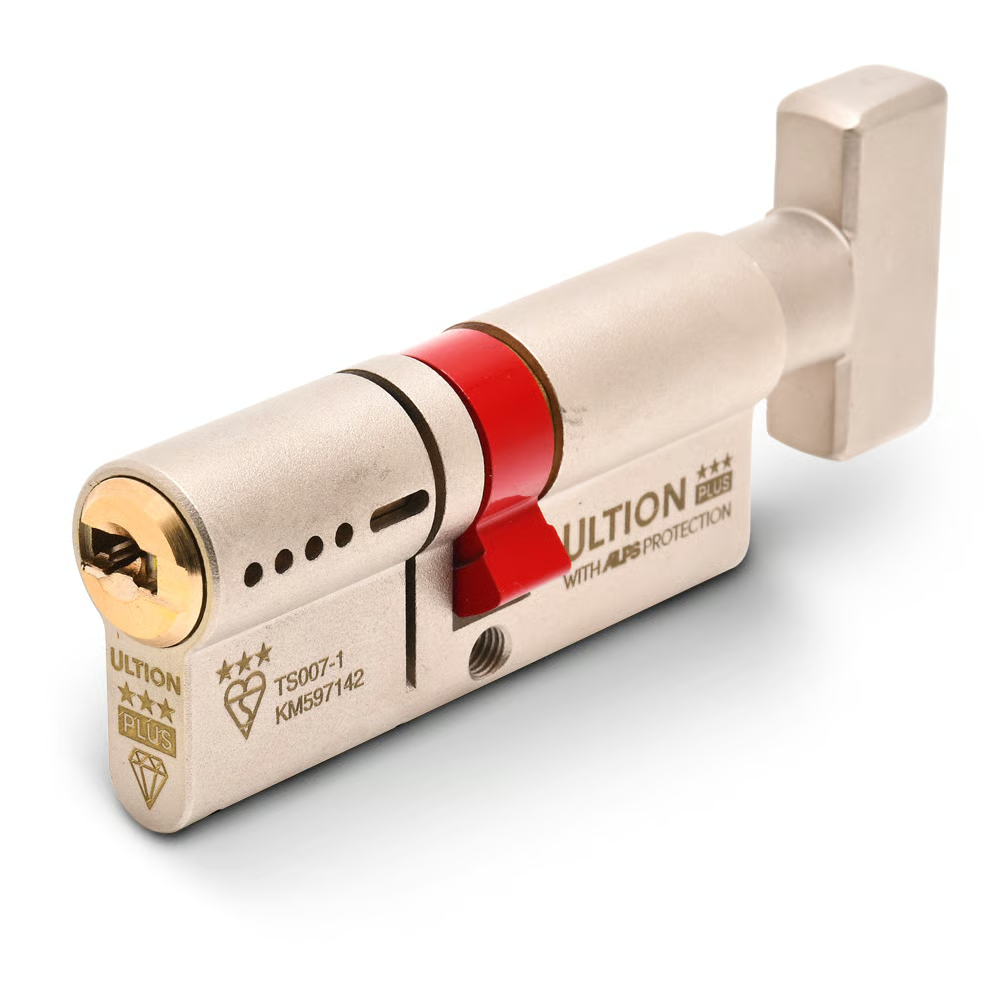
- Ultion Plus TS007 3* Kitemarked Euro Key & Turn Cylinder
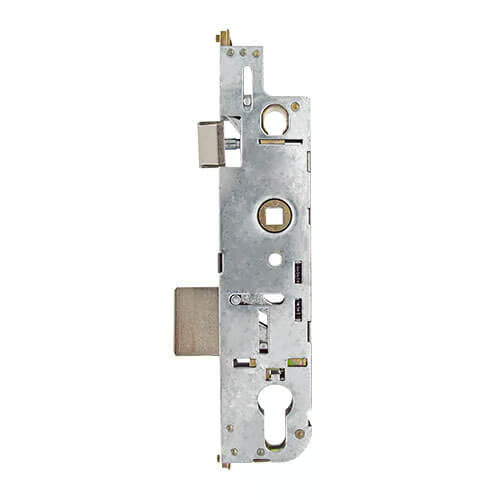
- Multipoint Gearbox GU Old Style
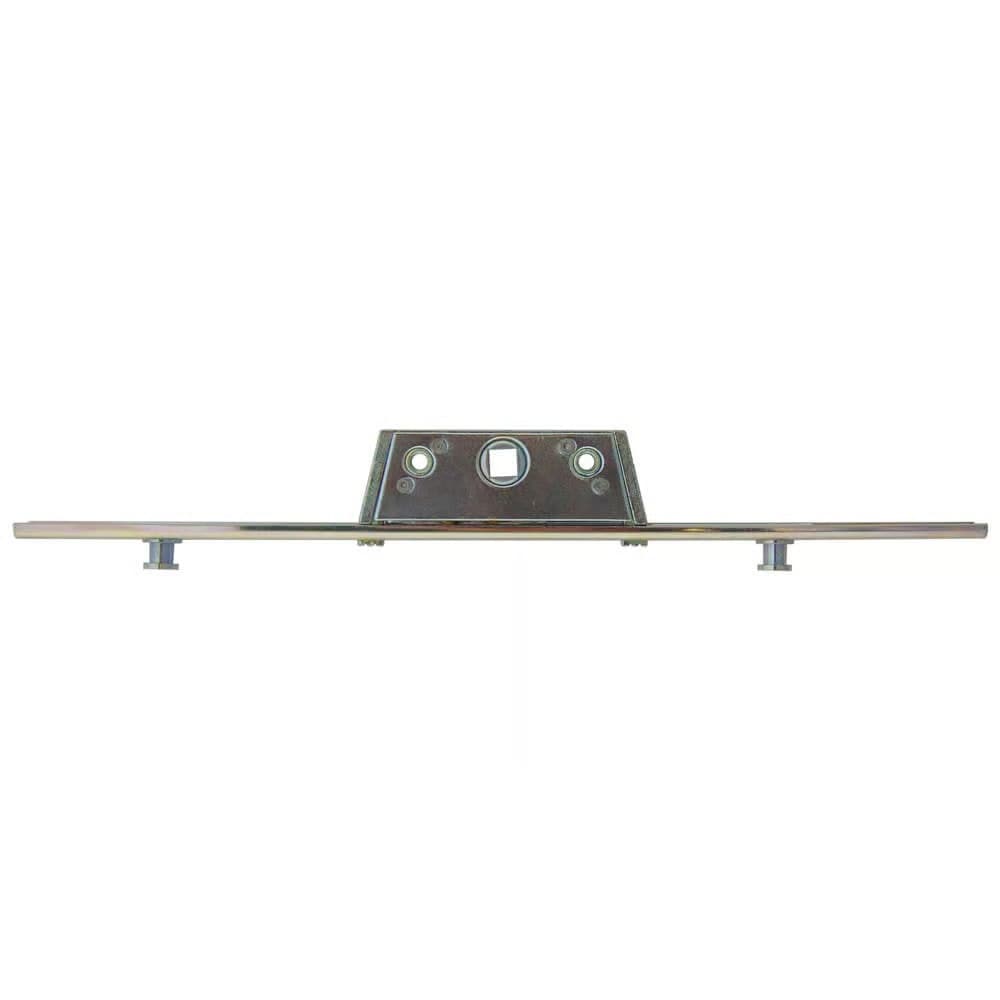
- In-Line Window Mechanism
- Offset Window Mechanism
Conclusion and next steps
Regular maintenance of your anti snap cylinder preserves security and improves longevity: clean the keyway, use the correct dry lubricant, inspect for damage, and replace any cylinder that shows signs of wear or attack. For homeowners who prefer a professional touch, book a qualified locksmith to perform inspections and fit accredited cylinders. For trade professionals, maintain stock of common accredited cylinders and follow manufacturer installation guidance to avoid call-backs.
Next steps: conduct a quick inspection using the checklist above; if you find stiffness, corrosion or excessive projection, arrange lubrication or replacement without delay. For product recommendations or to order accredited anti snap cylinders, contact your usual supplier or browse our security cylinder range online.

Related articles
What Is a Thumb Turn Cylinder? Convenience vs Security
What Is a Thumb Turn Cylinder? Convenience vs Security What is a thumb turn cylinder? A thumb turn cylinder is a type of euro-profile lock cylinder that ha...
Thumb Turn Cylinder vs Panic Bar: Exit Options Compared
Thumb Turn Cylinder vs Panic Bar: Exit Options Compared examines two very different approaches to door egress and security. The thumb turn cylinder is a co...
Thumb Turn Cylinder Sizes: Finding the Right Length
Thumb Turn Cylinder Sizes: Finding the Right Length Choosing the correct thumb turn cylinder is vital for security, smooth operation and a neat finish on d...