
Anti-Snap Cylinder vs Standard Cylinder: Security Comparison
Anti-Snap Cylinder vs Standard Cylinder: Security Comparison Overview Euro cylinders are the most common locking cylinders fitted to uPVC, composite and ma...
Anti-Snap Cylinder vs Standard Cylinder: Security Comparison
Overview
Euro cylinders are the most common locking cylinders fitted to uPVC, composite and many timber doors across the UK. The term anti snap cylinder refers to a profile euro cylinder designed specifically to resist the common forced-entry technique known as cylinder snapping. Standard cylinders lack these specific design features and can leave a door vulnerable. This article compares the two types in practical, technical and trade-focused terms so homeowners and installers can make informed choices.
How cylinder snapping works
Cylinder snapping is a physical attack: a burglar applies force at the exposed end of the cylinder, often using pliers and leverage, to break the cylinder at the weakest point. If the break reaches the cam or the internal mechanism, the attacker can operate the lock and open the door. Standard euro cylinders typically have a continuous metal body; when snapped the entire cylinder can fail, giving access.
What makes an anti snap cylinder different
- Sacrificial section: Anti snap cylinders are engineered with a deliberately weak section on the outer end that will shear away under attack while leaving the central cam and inner mechanism intact; the remaining portion remains secure.
- Reinforced core: The central section around the cam is often reinforced with hardened steel to resist drilling and prying.
- Anti-pick and anti-bump features: Many anti snap cylinders include security pins, complex key profiles and internal components designed to resist picking and bumping.
- Sold Secure and TS007 ratings: High-quality anti snap cylinders frequently achieve TS007 3-star and Sold Secure certification; these are independent validations of resistance to snapping, drilling and picking.
Standard cylinder: limitations and typical performance
Standard euro cylinders usually offer basic security and convenience at lower cost. They may provide reasonable resistance to casual tampering, but they lack sacrificial designs and often do not include hardened inserts or advanced anti-pick features. The practical consequence is that a determined attacker using simple tools can force entry quickly by snapping an unprotected standard cylinder.
Standards and certifications to look for
When comparing products focus on recognised standards: TS007 3-star is a key benchmark for anti-snap performance; the scheme tests resistance to snapping, drilling and manipulation. Sold Secure Diamond or Silver also provides assurance for high-security applications. The EN 1303 standard covers mechanical and physical properties of cylinders; while EN 1303 gives durability and strength data, TS007 specifically addresses the snap attack. Combining these ratings is best practice for specifying secure hardware.
Practical trade advice
- Specify TS007 3-star cylinders for external doors: This is recommended by insurers and many local authorities. Keep documentation for compliance.
- Check cylinder length carefully: Measure from the centre of the fixing screw hole to each end of the cylinder. Incorrect lengths can leave the cylinder protruding and vulnerable, or cause fitting issues.
- Consider keyed-alike or master-key systems for multi-property installations; advise clients on key control and key blank management.
- Match the cylinder to the door furniture: Some handles have built-in cylinder protection; ensure the anti-snap cylinder sits within the protection zone of the handle when installed.
- Keep spare parts and typical screw sizes in vans: the fixing screw is usually M5 with varying lengths depending on door thickness; having a range saves repeat visits.
DIY replacement: what homeowners can do safely
Replacing a euro cylinder is a routine job for experienced DIYers; however follow these steps and precautions:
- Confirm the correct cylinder length: Measure with the door closed and the key in place, from the centre of the screw hole to each end of the cylinder.
- Remove handle and faceplate: Most uPVC handles are secured with visible screws; access the central fixing screw on the edge of the door and remove it before sliding out the old cylinder.
- Support the cylinder while turning the key slightly to align the cam; then withdraw the cylinder gently.
- Insert the new anti snap cylinder, align the cam by turning the key slightly, and secure with the fixing screw. Test the locking action several times before refitting trim.
- Do not force components; if the cylinder binds, remove and re-check measurements and cam alignment. If unsure, call a locksmith or trade fitter.
Additional complementary measures
An anti snap cylinder improves resistance significantly, but the best security is layered. Consider these measures:
- Hardened cylinder protectors or reinforced handles: These reduce exposure of the cylinder end and are valuable where doors are fitted with external lever handles.
- Multipoint locking systems: When fitted correctly, multipoint locks distribute force across several points and can limit damage from attack.
- Reinforced keeps and strike plates: Use long screws to fix keeps into the frame and reduce lever-in attacks.
- Alarm systems and external lighting: These deter would-be intruders and complement physical hardware upgrades.
Cost and suitability considerations
Anti snap cylinders are more expensive than basic standard cylinders, but they are cost-effective when compared with the expense and disruption of a break-in. For new installations and replacements on external doors, an anti snap cylinder with a TS007 3-star rating is usually the most appropriate choice. For internal doors that do not give access to the outside, a standard cylinder or locked thumb-turn may still be suitable.
Recommended Products
Based on this article, you may find these products helpful:
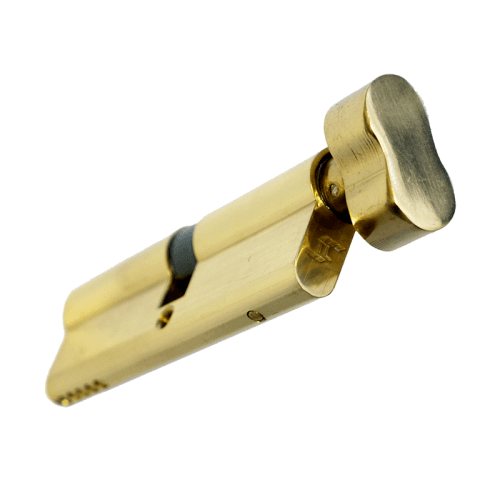
- TL Thumb Turn Euro Cylinder
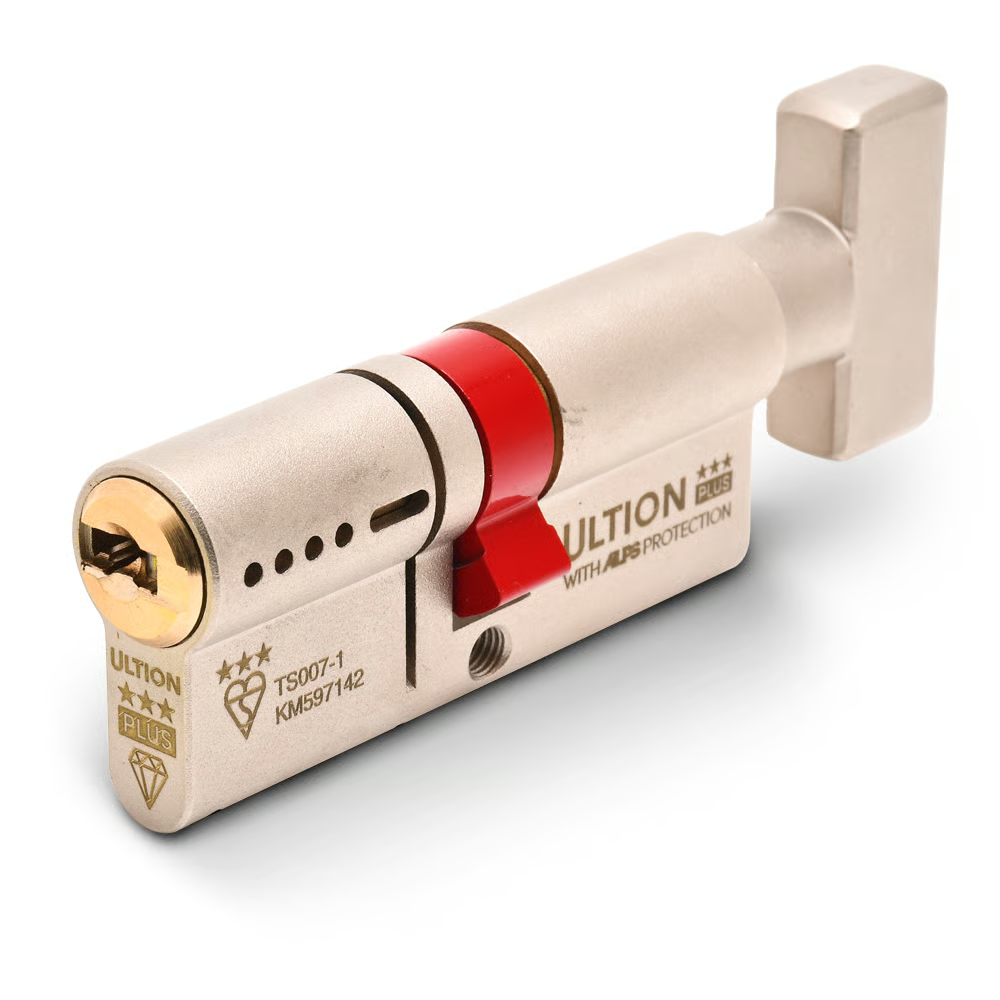
- Ultion Plus TS007 3* Kitemarked Euro Key & Turn Cylinder
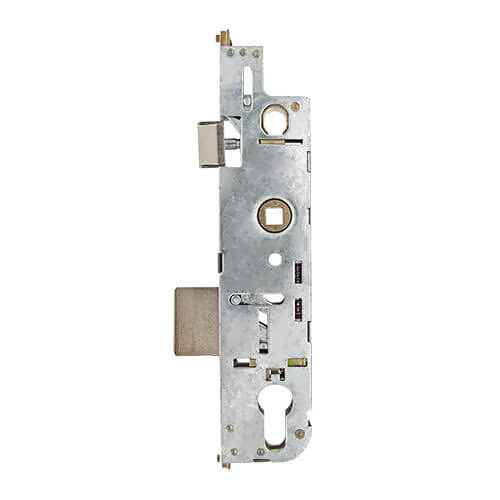
- Multipoint Gearbox GU Old Style
- In-Line Window Mechanism
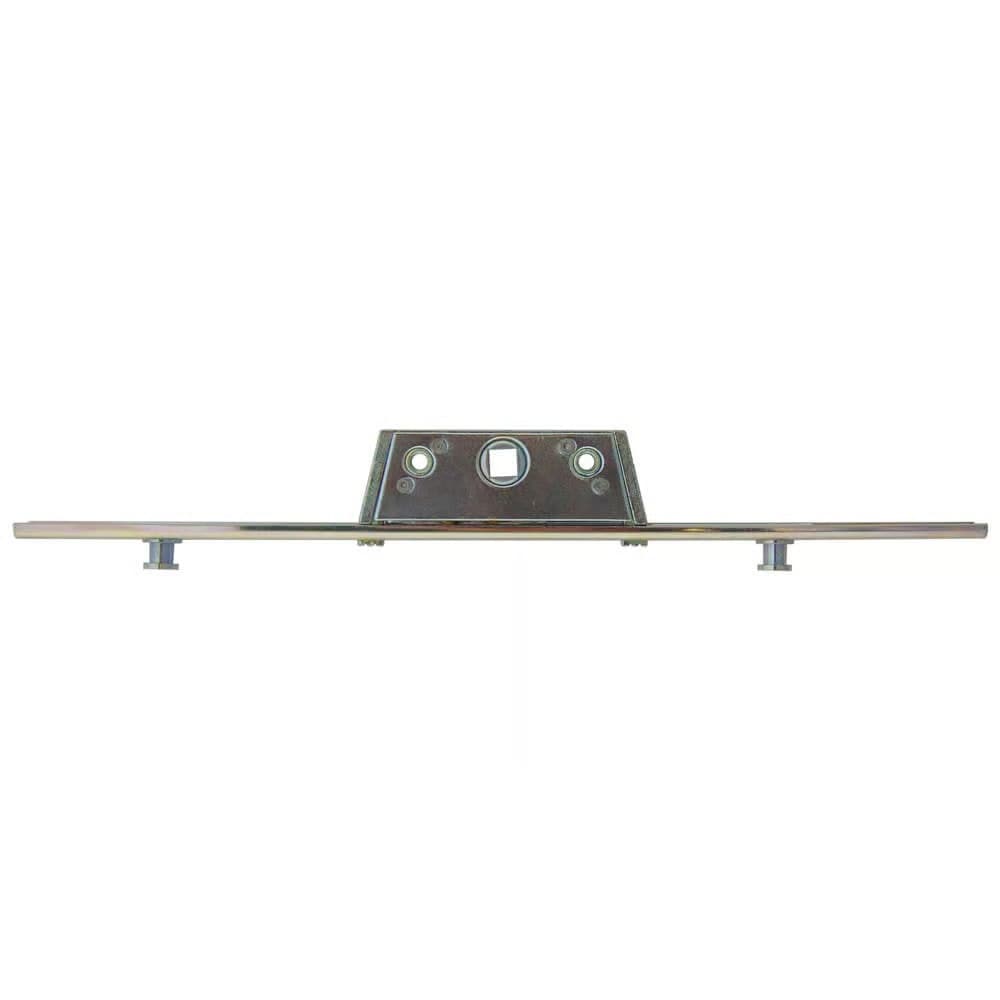
- Offset Window Mechanism
Conclusion and next steps
Choosing an anti snap cylinder rather than a standard cylinder significantly reduces the risk of forced entry by snapping. For trade professionals, specify TS007 3-star or equivalent certified cylinders and ensure correct sizing and compatible furniture. For homeowners, replacing exposed standard cylinders on external doors with an anti snap product is a high-priority security upgrade; if in doubt, consult a professional locksmith.
Next steps: check your door's cylinder length and exposed profile, review the recommendations on our pillar page /c/locks-security, and consider scheduling replacements for external doors that still have standard cylinders. If you need a product recommendation for a particular door type, contact a Window Hardware Store representative for tailored trade or DIY advice.

Related articles
What Is a Thumb Turn Cylinder? Convenience vs Security
What Is a Thumb Turn Cylinder? Convenience vs Security What is a thumb turn cylinder? A thumb turn cylinder is a type of euro-profile lock cylinder that ha...
Thumb Turn Cylinder vs Panic Bar: Exit Options Compared
Thumb Turn Cylinder vs Panic Bar: Exit Options Compared examines two very different approaches to door egress and security. The thumb turn cylinder is a co...
Thumb Turn Cylinder Sizes: Finding the Right Length
Thumb Turn Cylinder Sizes: Finding the Right Length Choosing the correct thumb turn cylinder is vital for security, smooth operation and a neat finish on d...