
Anti-Snap Thumb Turn Cylinders: Best of Both Worlds
Anti-Snap Thumb Turn Cylinders: Best of Both Worlds Choosing the right thumb turn cylinder for a front or back door can be a difficult decision for homeown...
Anti-Snap Thumb Turn Cylinders: Best of Both Worlds
Choosing the right thumb turn cylinder for a front or back door can be a difficult decision for homeowners and trade professionals: you want the convenience of a thumbturn for quick egress, but you also need modern protection against cylinder snapping attacks. Anti-snap thumb turn cylinders offer the best of both worlds: secure resistance to forced entry techniques while retaining keyless operation from the inside. This article explains what to look for, practical installation tips, and real-world trade and DIY advice.
What is an anti-snap thumb turn cylinder?
A thumb turn cylinder is a euro profile cylinder with a thumb-operated turn piece on the internal side and a keyway on the external side. An anti-snap thumb turn cylinder combines that function with anti-snap security features. Anti-snap protection usually includes a sacrificial section designed to break away if an attacker attempts to snap the cylinder, hardened internal components to resist drilling and snapping, and anti-pick/anti-bump mechanisms. The result is a cylinder that allows fast unlock from the inside while reducing the most common method used by opportunist burglars: snapping.
Benefits for homeowners and tradespeople
- Quick egress: the internal thumbturn provides immediate, keyless exit; this is useful for families, elderly occupants and emergency situations.
- Improved security: anti-snap features significantly reduce the effectiveness of forced entry by snapping; many models also include anti-drill and anti-pick measures.
- Easier planning: tradespeople can fit a single component that meets both usability and security requirements, reducing the need for additional protective hardware.
- Compatibility: modern anti-snap thumb turn cylinders are designed to fit standard euro profile multipoint locks and standard door furniture on PVCu, composite and timber doors.
Selecting the right thumb turn cylinder
Correct sizing and certification are essential. When choosing a cylinder, check the following:
- Size: measure the cylinder back-to-back lengths accurately; common sizes include 35/35 and 45/45, but doors vary. Measure from the centre of the fixing screw to each end for both sides.
- Projection: minimise external projection beyond the handle or escutcheon. Many standards and manufacturers recommend keeping projection to the lowest possible amount; if the cylinder protrudes, include a protective cylinder guard or a high-security escutcheon.
- Standards and approvals: look for cylinders tested to BS EN 1303 and consider TS007 3-star or Secured by Design products where higher assurance is required.
- Function: confirm the cylinder is a thumb turn type (key outside, thumb turn inside) and compatible with the multipoint lock’s cam position and rotation.
- Access control: for properties requiring master keying or restricted key blanks, specify restricted profile cylinders through your supplier.
Practical installation and DIY guidance
Whether you are a DIY-savvy homeowner or a professional fitter, follow these practical steps to fit a new anti-snap thumb turn cylinder. Always maintain safe working practices and ensure the door is supported during work.
- Tools: Phillips and flat screwdrivers, tape measure or digital calliper, replacement cylinder and retaining screw, and a small brush for cleaning the lock case.
- Remove handles: open the door and remove the handle rose or lever to access the cylinder retaining screw. Keep all screws and parts secure.
- Unscrew retaining screw: this screw sits in the edge of the door at the cylinder’s position; loosen it while holding the cylinder.
- Align cam: turn the thumbturn or use the key to rotate the cam to a neutral position that allows the cylinder to slide out; this is usually a quarter turn.
- Withdraw old cylinder: gently pull the cylinder out; if it is seized, do not force it; inspect the lock case for damage or debris.
- Fit new cylinder: insert the new anti-snap thumb turn cylinder with the cam correctly orientated; push it in until flush and secure with the retaining screw. Ensure the thumbturn is centred and operates freely.
- Test operation: operate the multipoint lock several times with both key and thumbturn. Check handles and latch engage smoothly. Confirm the cylinder does not foul the lock or furniture.
Trade tip: when retrofitting cylinders to existing doors, check that the internal furniture does not obstruct the thumbturn; sometimes rose thickness or sprung handles prevent full rotation. If necessary, fit a slimline rose or small spacer to achieve clearance.
Maintenance and on-site checks
Anti-snap cylinders need the same basic maintenance as standard cylinders to ensure reliability. Recommended routine checks include:
- Operate and inspect: test the key and thumbturn monthly. Look for roughness or binding which indicates wear or debris.
- Lubrication: use a specialist dry graphite or PTFE lock lubricant; avoid oily sprays that attract dirt.
- Screw torque: ensure retaining screws and furniture fixings are tight but do not overtighten; excessive force can distort the cylinder or the door edge.
- Replace if damaged: any evidence of attempted snapping, drilling, or bent components requires immediate replacement; the sacrificial section may be damaged even if the cylinder still turns.
Compliance and practical considerations
When fitting security hardware to external doors, consider the wider specification: glass type, multipoint lock condition, door frame reinforcement and visible hardware. An anti-snap thumb turn cylinder is an important element, but it works best as part of a layered security approach. For higher-risk projects or insurance requirements, specify products that meet recognised standards and note any requirements from your insurer or local authority.
Recommended Products
Based on this article, you may find these products helpful:
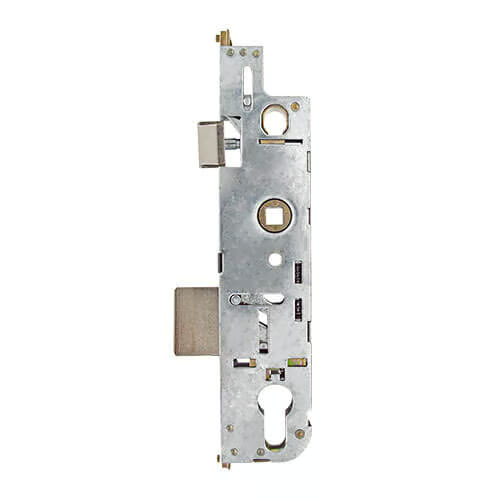
- Multipoint Gearbox GU Old Style
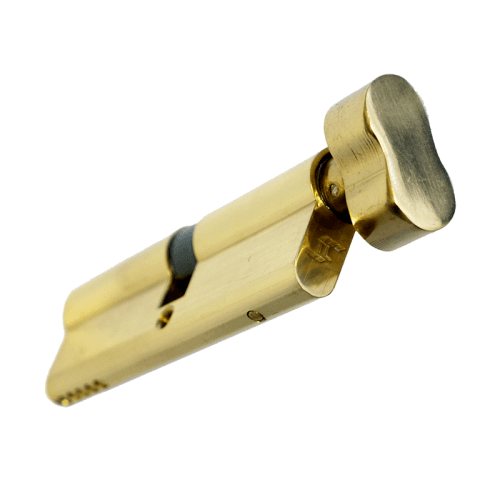
- TL Thumb Turn Euro Cylinder
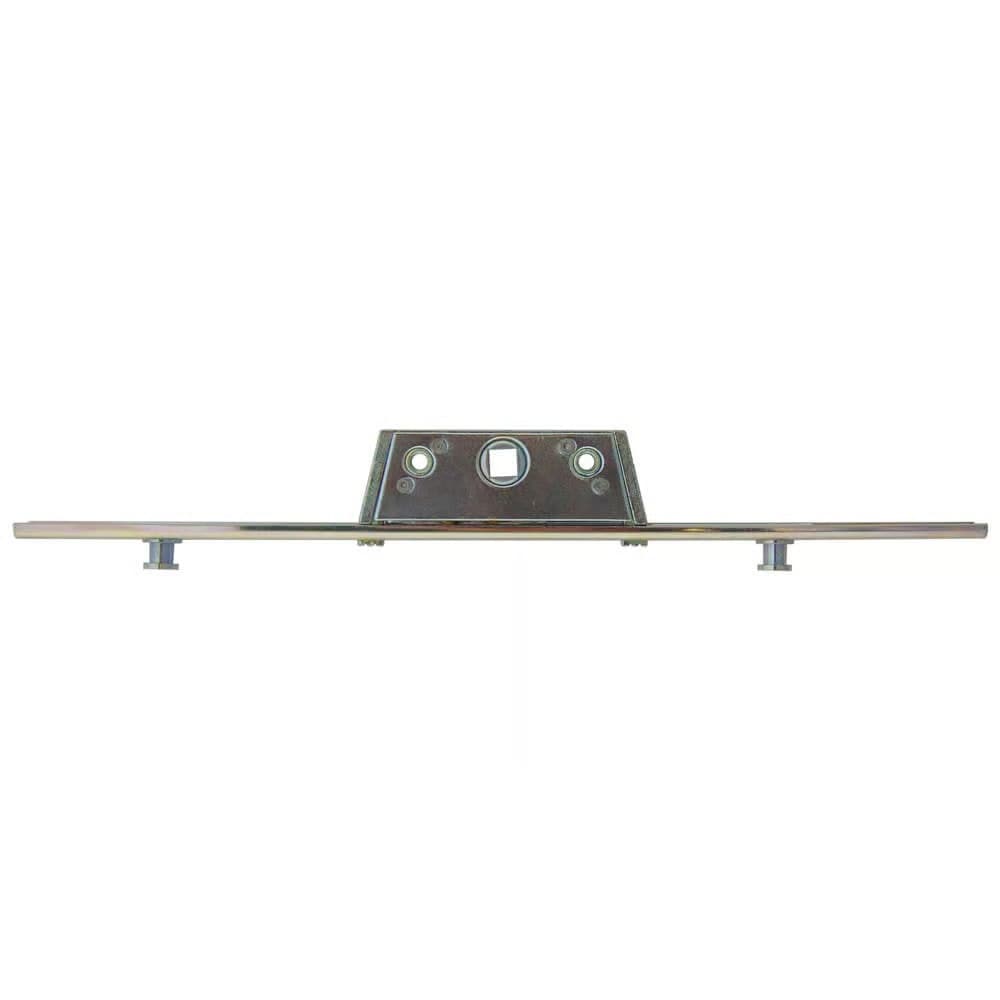
- In-Line Window Mechanism
- Offset Window Mechanism
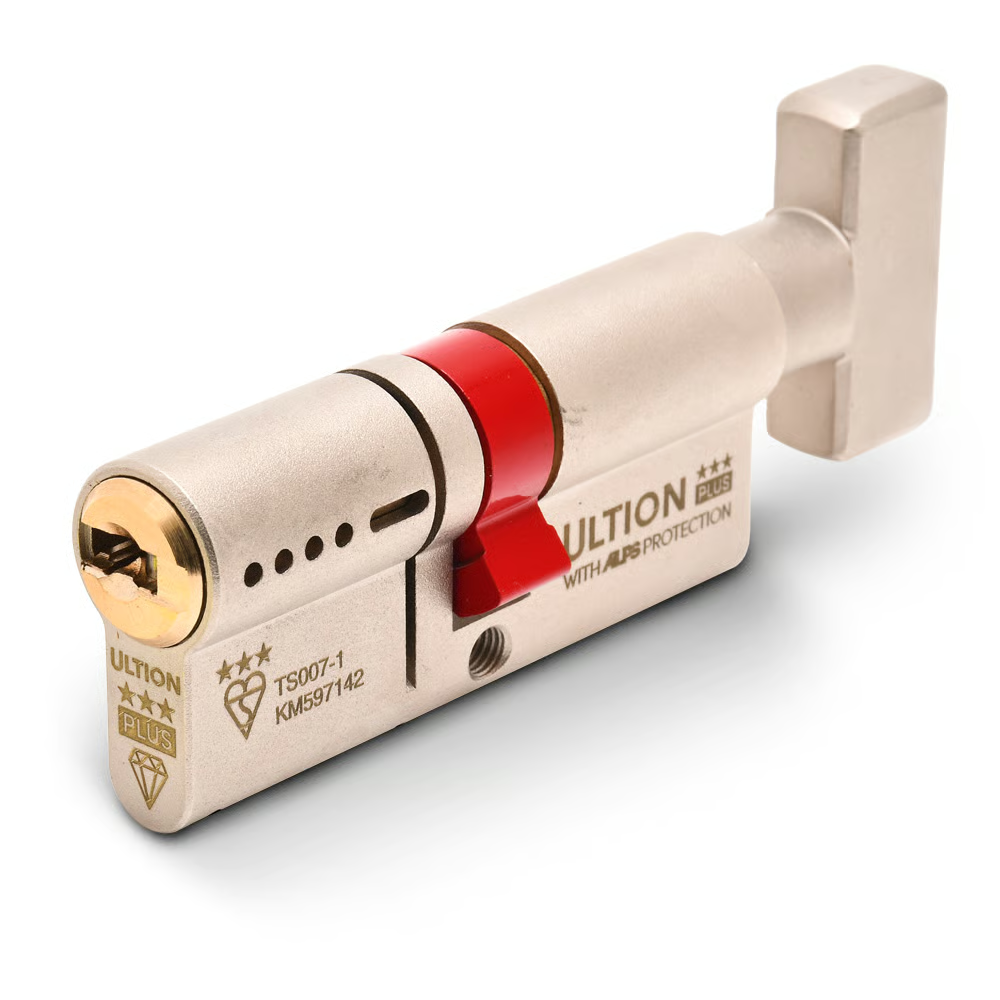
- Ultion Plus TS007 3* Kitemarked Euro Key & Turn Cylinder
Conclusion and next steps
Anti-snap thumb turn cylinders provide a practical balance of quick internal egress and enhanced protection against common cylinder attacks. For homeowners the key benefits are convenience and improved security; for tradespeople these cylinders simplify installation and reduce the need for additional protective components. Before you buy: measure your existing cylinder accurately, confirm the cam and centreline compatibility with the lock, and choose a product with the appropriate standards accreditation.
Next steps: if you need more technical detail on euro profile cylinders, see our pillar resource at /c/locks-security or contact Window Hardware Store for advice on sizes, TS007-rated options and trade packs for common dimensions.

Related articles
What Is a Thumb Turn Cylinder? Convenience vs Security
What Is a Thumb Turn Cylinder? Convenience vs Security What is a thumb turn cylinder? A thumb turn cylinder is a type of euro-profile lock cylinder that ha...
Thumb Turn Cylinder vs Panic Bar: Exit Options Compared
Thumb Turn Cylinder vs Panic Bar: Exit Options Compared examines two very different approaches to door egress and security. The thumb turn cylinder is a co...
Thumb Turn Cylinder Sizes: Finding the Right Length
Thumb Turn Cylinder Sizes: Finding the Right Length Choosing the correct thumb turn cylinder is vital for security, smooth operation and a neat finish on d...