
Best Cat Flaps for uPVC Doors: Reinforced Options for Plastic Frames
Installing a cat flap for uPVC door requires more thought than cutting a hole and popping a flap in place: uPVC doors are often hollow or contain internal ...
Installing a cat flap for uPVC door requires more thought than cutting a hole and popping a flap in place: uPVC doors are often hollow or contain internal steel reinforcement, door hardware and weather seals that affect fit, security and thermal performance. Choosing a reinforced cat flap can protect the door structure, limit draughts and reduce the risk of forced entry; this post looks at the best reinforced options and practical trade and DIY advice for installing them in plastic frames.
Why reinforcement matters for uPVC doors
uPVC doors are lightweight and rely on skins bonded to internal chambers and sometimes steel sections for strength. A cat flap cuts into the skin and can weaken the surrounding area unless the product includes reinforcement or you add it during installation. Reinforcement matters for three main reasons:
- Security: a flimsy tunnel or poor fixings can be levered open by an intruder; reinforced collars and steel plates give a secure fixing point.
- Durability: thicker collars and metal fixings reduce wear from frequent use and stop the uPVC skin from deforming.
- Thermal and weather performance: insulated tunnels, brush seals and tight fittings reduce heat loss and wind noise.
Types of reinforced cat flaps for uPVC doors
Not all cat flaps are suitable for uPVC doors. The reinforced options to consider are:
- Metal-reinforced frames: flaps with aluminium or stainless steel frames that spread fixing loads across a larger area of the door panel; ideal for hollow cores where screw holding is limited.
- Security plates and collars: separate back plates or collars that sit behind the uPVC skin and are fixed into internal steel or into the plate itself; these greatly improve resistance to forced entry.
- Locking, multi-way flaps: mechanical four-way locks or electronic locking systems add security by preventing the flap from being forced open from outside.
- Electronic microchip flaps: allow only authorised pets in; for trade installs these may need power and wiring planning but reduce the need for heavy mechanical locking.
- Glass-specific flaps: if your uPVC door has a glazed panel choose a specialist glass cat flap and have the glass replaced with laminated or toughened glass by a glazing trade for safety and warranty reasons.
Choosing the right model for a uPVC door
When selecting a cat flap for upvc door consider these factors:
- Panel construction: measure panel thickness and confirm whether the cut area will encounter steel reinforcement. Hollow panels may need a tunnel sized to span the cavity and a backing plate that locates to the internal steel.
- Door furniture and lock positions: avoid cutting into areas that contain multipoint lock gear, espagnolette rods or hinges. Check the door manufacturer’s diagrams if available.
- Security rating: look for flaps with demonstrable security features; trade buyers should specify reinforced models when customers are security-conscious.
- Thermal efficiency: choose insulated tunnels or brush seals to limit draughts; this matters on external doors leading to the street or garden.
- Pet size and behaviour: cats jump and push against frames; select a robust frame and consider electronic models if unwanted animals are a concern.
Installation tips for trades and DIY
Whether you are a tradesperson or a competent DIYer, careful preparation and the right technique make the install reliable and fast. Practical steps and trade tips:
- Survey first: remove the door from hinges if needed to inspect both faces and the internal construction; locate any internal steel or reinforcement and mark positions of locks and glazing beads.
- Use the manufacturer’s template: always follow the flap maker’s template for the cut-out. Transfer it using masking tape so edges remain clean while sawing.
- Tool selection: a variable-speed jigsaw with a fine-tooth blade or a plunge router with a straight cutter gives the neatest finish on uPVC. Use a backing board to reduce chipping on the exit face.
- Drill pilot holes for corners then cut between them; avoid forcing blades through steel reinforcement. If you hit steel, switch to appropriate self-drilling metal screws or plan to use the flap’s backing plate to bear on the steel.
- Fixings: use stainless steel or coated fixings to avoid corrosion; when possible secure into internal steel reinforcement. If the door has no steel, a wide back plate spreads load across the uPVC skin and reduces stress concentrations.
- Seal and finish: apply a continuous bead of neutral-cure silicone around the tunnel where it meets the uPVC to seal against moisture. Fit foam or brush seals supplied with the flap to reduce draughts.
- Electrics: for electronic flaps arrange power or batteries per manufacturer instructions. When wiring is required, avoid routing through lock chambers or hinge areas and keep cable runs tidy.
- Testing and adjustment: check the flap swings freely and locks operate properly. For microchip models enrol pets on-site and adjust sensitivity; confirm there is no obstruction in the tunnel that could trap claws.
Security and thermal performance
Reinforced cat flaps improve security, but installation details matter. For best results:
- Combine a metal-reinforced flap with a locking option for night-time security; mechanical multi-way locks provide passive security with no power requirement.
- Fit plates that bear on internal steel wherever possible; screw length should not exceed the reinforcement depth or interfere with glazing beads.
- Use insulated tunnels or thermally broken collars to reduce heat loss; a short tunnel with a dense foam core or brush seals is usually sufficient for cats and maintains better thermal performance than a wide, uninsulated tunnel.
- For door manufacturers’ warranties: cutting a panel may void guarantees. Recommend customers check the door warranty and sign an authorisation if the work affects warranty terms.
Common pitfalls and how to avoid them
Avoid these mistakes:
- Cutting before surveying internal construction: always open the door or remove the glazing bead to check what lies behind the face.
- Using short fixings into thin uPVC skin: they pull out. Use backing plates or secure into steel with the correct screws.
- Neglecting seals: a neat seal improves longevity and comfort; fit brush seals and a silicone joint to prevent water ingress.
- Attempting glass installs without a glazier: glass cut-outs require specialist glass and replacement glazing; do not cut existing sealed units on site.
For more information about pet flaps and related accessories see our pillar page: /guides/pet-flaps.
Recommended Products
Based on this article, you may find these products helpful:
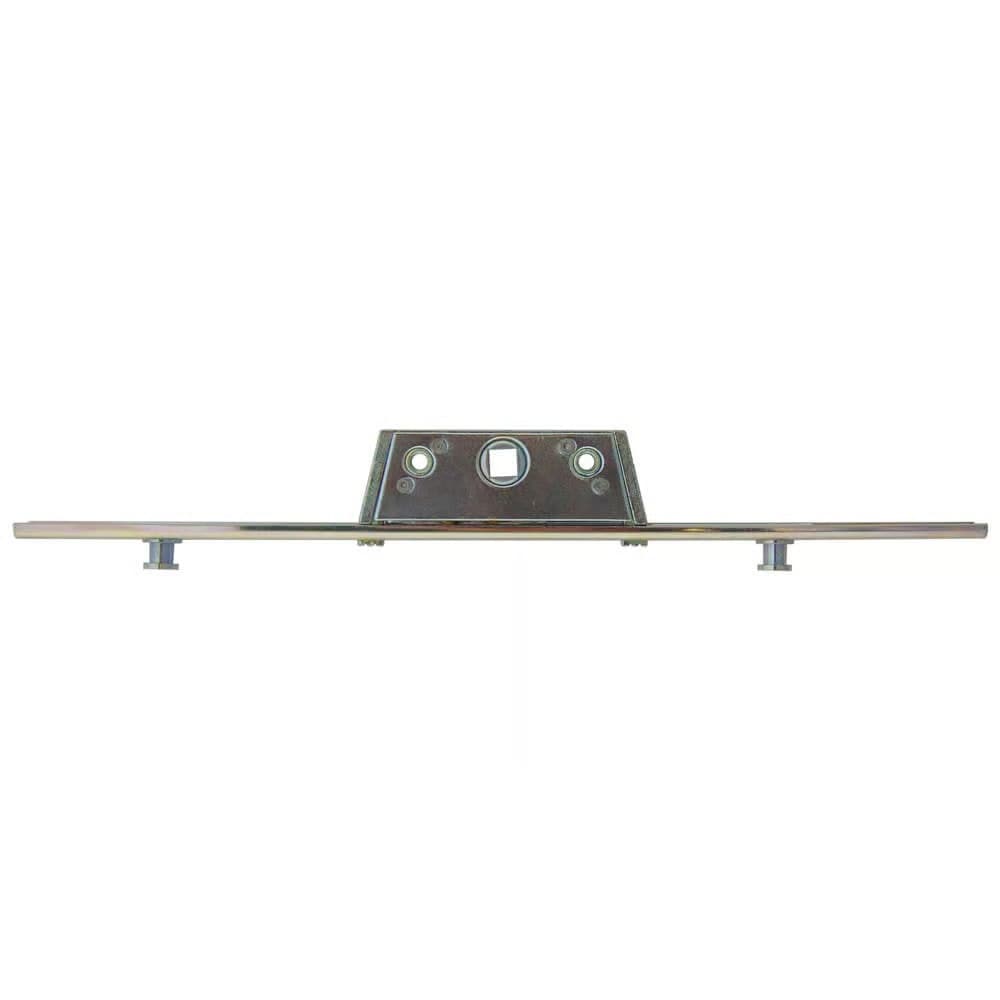
- ERAB Espagnolette Window Lock Universal Lock Replacement
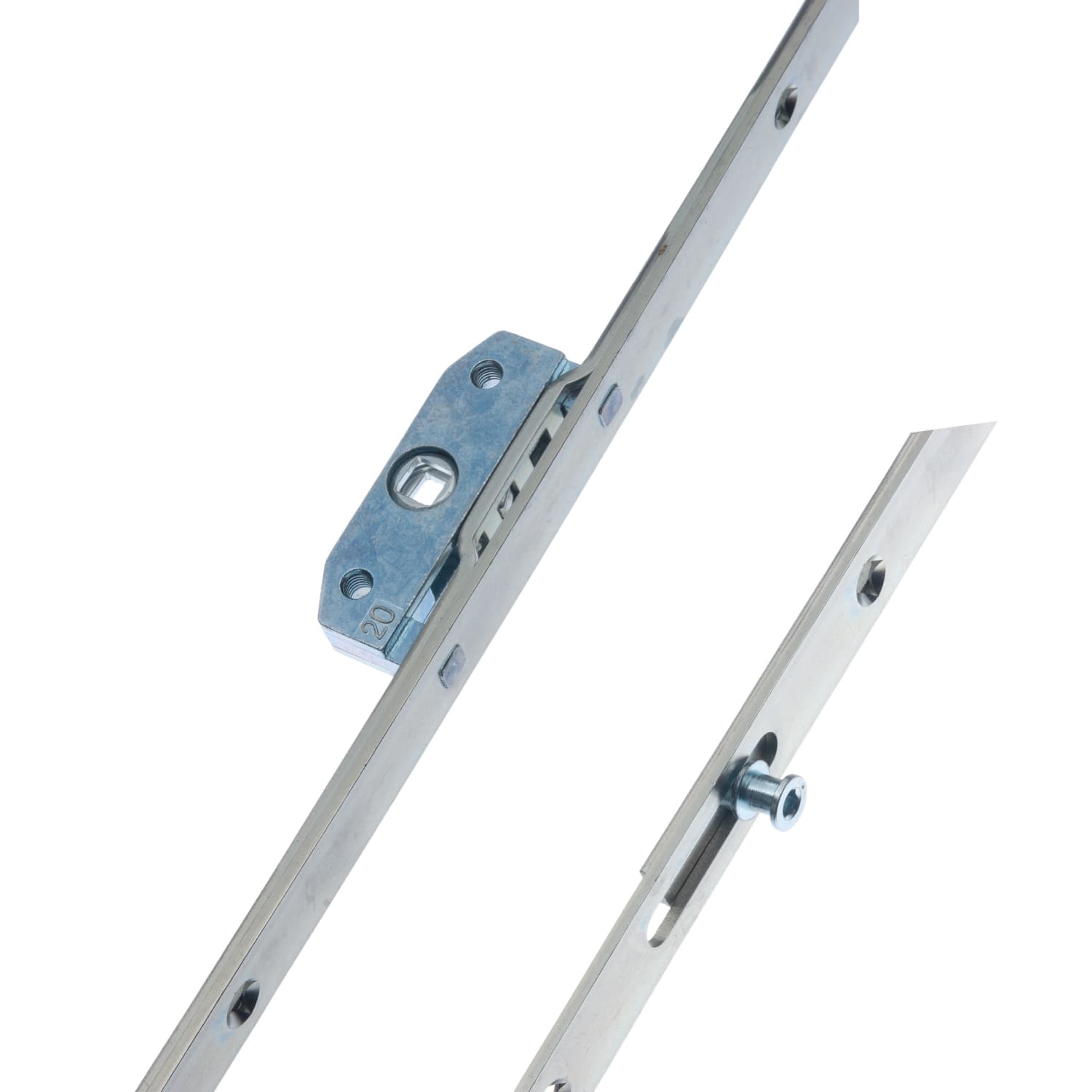
- Avocet Slimline Offset Window Espag
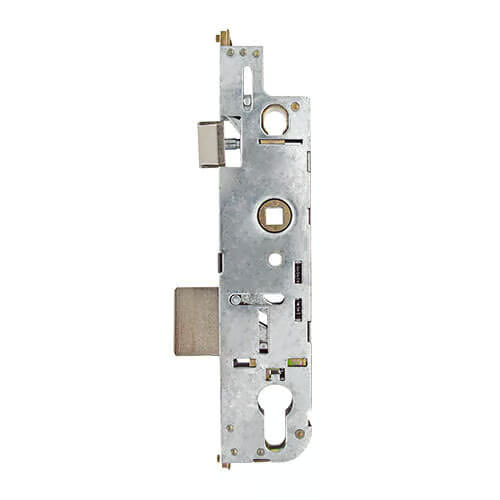
- Multipoint Gearbox GU Old Style
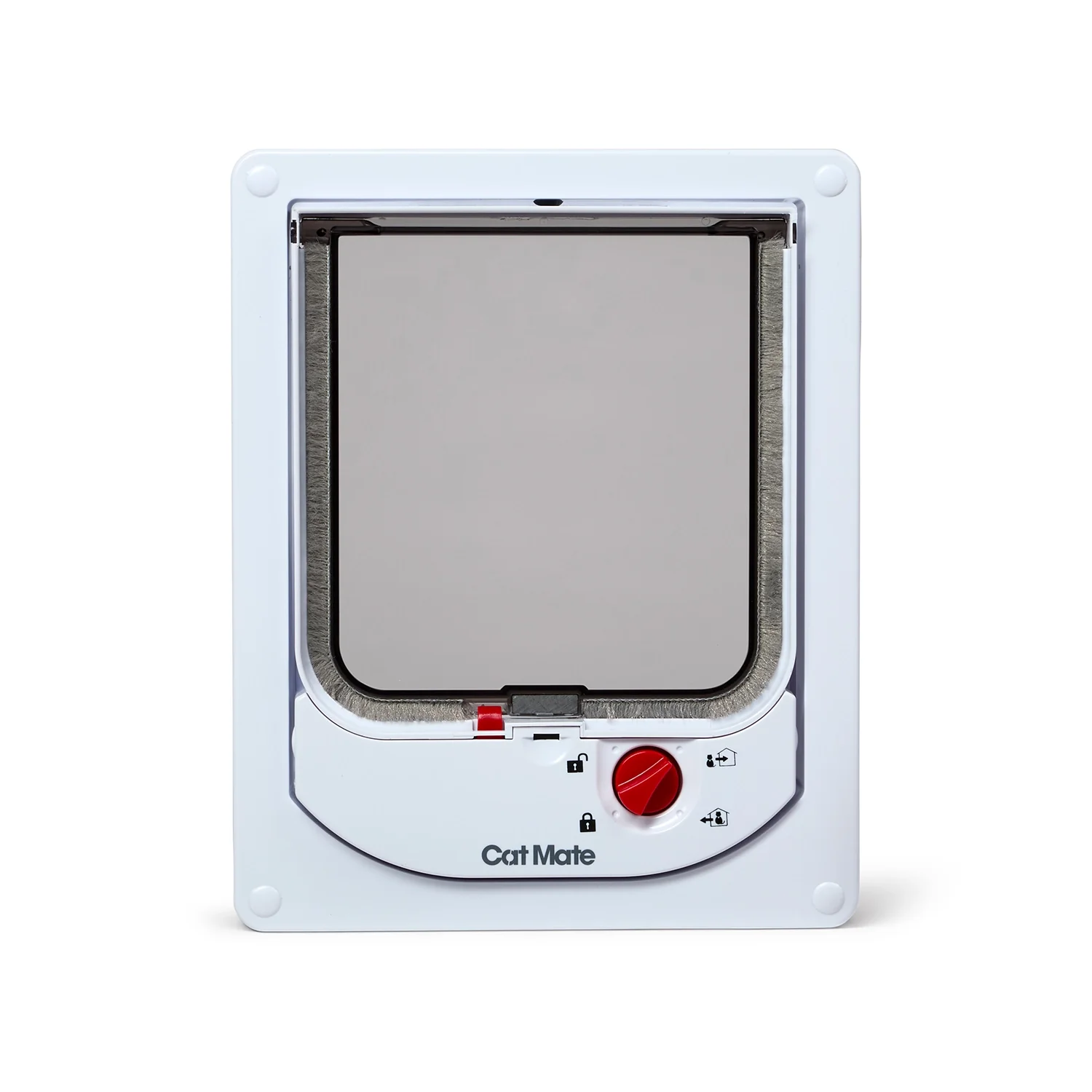
- Cat Mate Electromagnetic Cat Flap
- E-Type Gasket - Black 5m Roll
Conclusion and next steps
Choosing a reinforced cat flap for uPVC door enhances security, durability and comfort when fitted correctly. For tradespeople: specify reinforced frames, backing plates and stainless fixings; survey the door construction and plan for access to internal steel. For DIY installers: measure carefully, use the correct tools and consider professional assistance where glazing or internal reinforcement is involved. To proceed: decide whether a metal-reinforced or locking model suits the site, check the door warranty, order the correct cut-out template and reinforcing kit, and book the install slot or contact a qualified fitter for complex doors.
Related articles
Rented Property Cat Flap Options: What Landlords Need to Know
Rented Property Cat Flap Options: What Landlords Need to Know Installing a cat flap in a rented property can improve tenant satisfaction but it raises ques...
Replacing uPVC Door Panels with Cat Flap Panels: A Cleaner Solution
Replacing a uPVC door panel with a purpose-made cat flap panel is a practical way to give pets easier access while keeping the rest of the door intact. Whe...
Dog Flap Insulation: Preventing Heat Loss Through Larger Pet Doors
Dog Flap Insulation: Preventing Heat Loss Through Larger Pet Doors Large dog flaps are convenient for owners and pets, but they create a significant therma...