
Best Dog Flaps for Large Breeds: Labradors, German Shepherds and More
Best Dog Flaps for Large Breeds: Labradors, German Shepherds and More Choosing the right dog flap for large breeds requires more than picking the biggest o...
Best Dog Flaps for Large Breeds: Labradors, German Shepherds and More
Choosing the right dog flap for large breeds requires more than picking the biggest opening. Labradors, German Shepherds and similar breeds need flaps that balance size, strength, weather performance and security. This post sets out practical options for UK homeowners and trade professionals, with DIY tips, trade best practice and technical considerations for doors, windows and glazed panels. For wider options on pet flaps see our pillar resource: /guides/pet-flaps.
Which type of dog flap suits large breeds?
There are four core types to consider:
- Soft flap: economical and lightweight; suitable for sheltered internal use or tolerant large dogs, but poor insulation and less durable for energetic dogs.
- Rigid plastic flap with frame: common for external doors; better sealing and durability; choose heavy-duty models with reinforced corners for large dogs.
- Aluminium framed flap: premium option; thin but strong frames, excellent durability and security; ideal where weight and long-term wear are factors.
- Electronic flap with microchip or RFID: prevents strays and other animals from entering; particularly useful in rural locations where foxes or cats are an issue.
Sizing and anatomy: how to measure your dog
Measure your dog at the shoulder height and the width at the widest point of the shoulders or chest. For large breeds allow at least 2–3 cm clearance each side and 5–7 cm above the shoulders so the animal can pass without stooping. Typical internal dimensions for Labradors and German Shepherds:
- Labrador: allow a flap aperture of about 300 mm wide by 450 mm high.
- German Shepherd: allow a flap aperture of about 330 mm wide by 500 mm high.
Always check the manufacturer’s maximum throughput weight and recommended pet dimensions; some flaps quote load capacities rather than breed names.
Door and window considerations for trade professionals
Door type dictates the installation method and hardware required:
- uPVC doors and glazed panels: easiest when replacing a low-level glazed unit with a pre-cut pet-glazed unit; remove glazing beads and swap sealed units rather than cutting the sealed unit on-site. Be aware of sealed unit thickness; most pet-glazing units are 28 mm but confirm with the door supplier.
- Composite doors: these are structural; use manufacturer-approved kits or have a specialist cut the door. Cutting into a composite slab can void warranties and affect the door’s multipoint locking alignment.
- Timber doors: routers and jigsaws work well; reinforce the cutout with a hardwood subframe where necessary and treat exposed timber against moisture.
- Aluminium doors and shopfronts: need bespoke framing and reinforcement. Use compatible fixings and consider thermal breaks to prevent cold bridging.
- Double-glazed units: do not attempt to cut sealed units on-site; exchange the entire sealed unit with a pet-safe glazed unit fabricated to size.
Security, weatherproofing and thermal performance
Security: choose flaps with multi-mode locks (open/locked in both directions) or electronic locking. For high-security doors select aluminium-framed flaps with anti-lift features and stainless fixings. Always keep the door’s existing multipoint locking mechanism intact; ensure the pet flap fits below the lock stile.
Weatherproofing: look for magnetic or brush seals and double-skinned flap panels for insulation. Some models include a draught-excluding peripheral gasket and a threshold plate to reduce drafts. For older doors add a thermal threshold or insulated draught excluder where needed.
Thermal performance: replacing a double-glazed unit with a pet-glazed sealed unit maintains U-value performance when the replacement is factory made. Avoid single glazed flap panels on external doors in colder climates.
DIY and trade installation tips
- Template and double-check: always use the manufacturer template and verify with the pet’s measurements before cutting. Mark both faces of the door or panel.
- Tools: fine-tooth jigsaw blades for timber and composite; hole saws for pilot holes; router for neat internal rebates; angle grinder or diamond blade for masonry wall tunnels.
- Sealed units: if working with glazing, remove the sealed unit and fit a pet-glazed replacement; this avoids breaking the IGU. Order the sealed unit to match the thickness and low-E coatings where required.
- Reinforcement: large flaps can need additional stiffening; glue and screw a hardwood or MDF subframe inside timber doors; for metal doors weld or rivet a backplate.
- Wall installations: use a tunnel kit to maintain insulation when routing through cavity walls; ensure you don’t cut through load-bearing lintels or concealed services. Pack and seal the tunnel with appropriate cavity insulation and breathable membranes.
- Finish and seal: use silicone or foam joints to stop drafts and prevent moisture ingress; check for smooth edges and file any sharp burrs.
Choosing features for large breeds
Prioritise robust construction, a wide aperture and a solid sealing system. For households with multiple dogs or a dog who likes to push and lean, choose flaps with stronger hinge profiles and replaceable flap panels. If stray animals are a concern, invest in microchip-activated flaps and sensors that recognise your dog’s implanted chip or an RFID collar tag.
Regulations, warranties and insurance
Check door manufacturer warranties before cutting into composite or factory-finished doors; unauthorized work can void guarantees. Notify your home insurer if you alter an external door; insurers may require documentation that the work was carried out to a professional standard. For commercial premises or fire doors consult building regulations and fire safety guidance; pet flaps are typically not permitted in certified fire doors unless specially approved.
Recommended Products
Based on this article, you may find these products helpful:
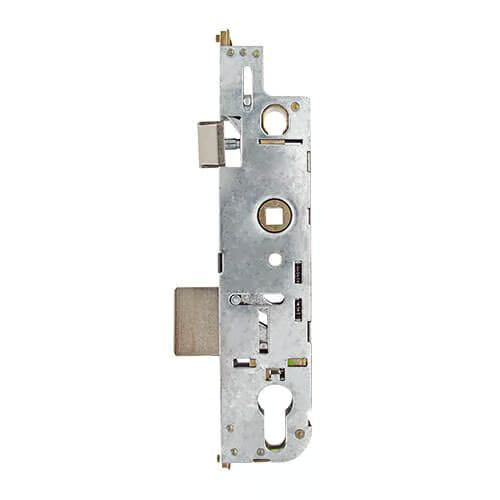
- Multipoint Gearbox GU Old Style
- In-Line Window Mechanism
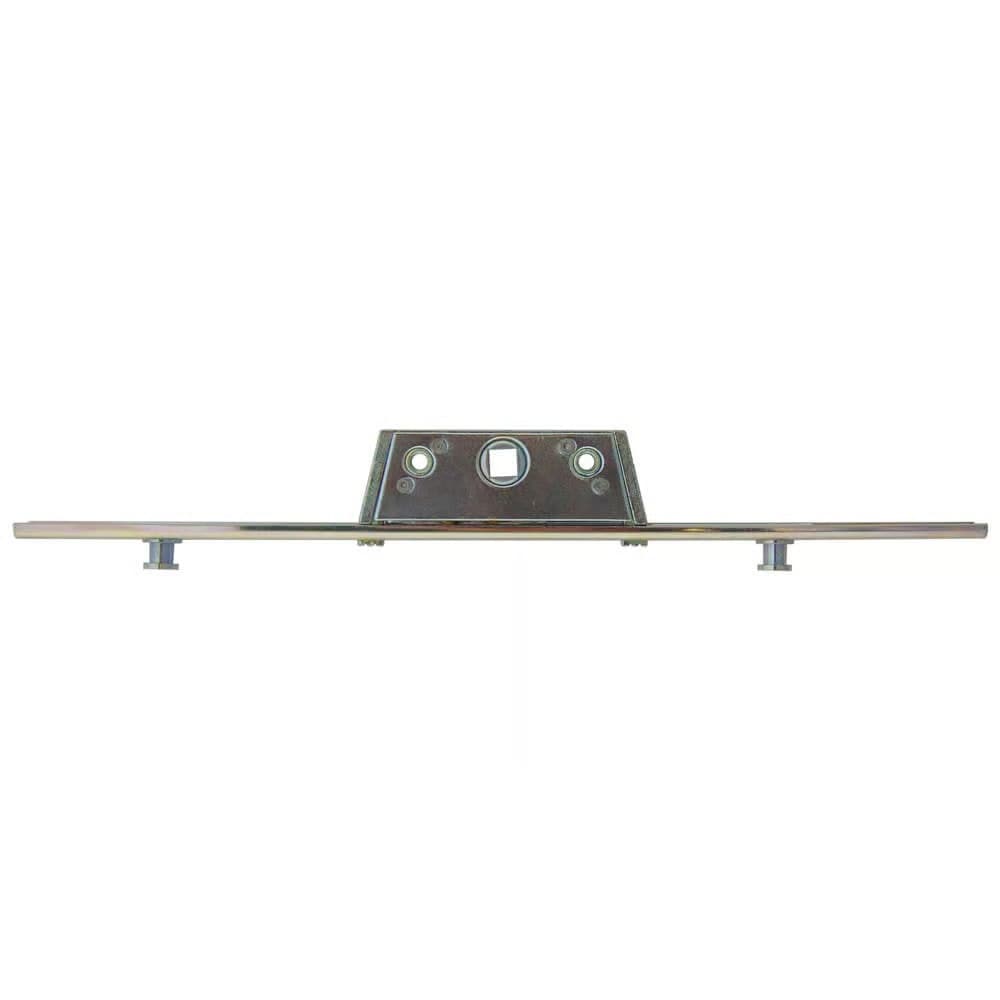
- Offset Window Mechanism
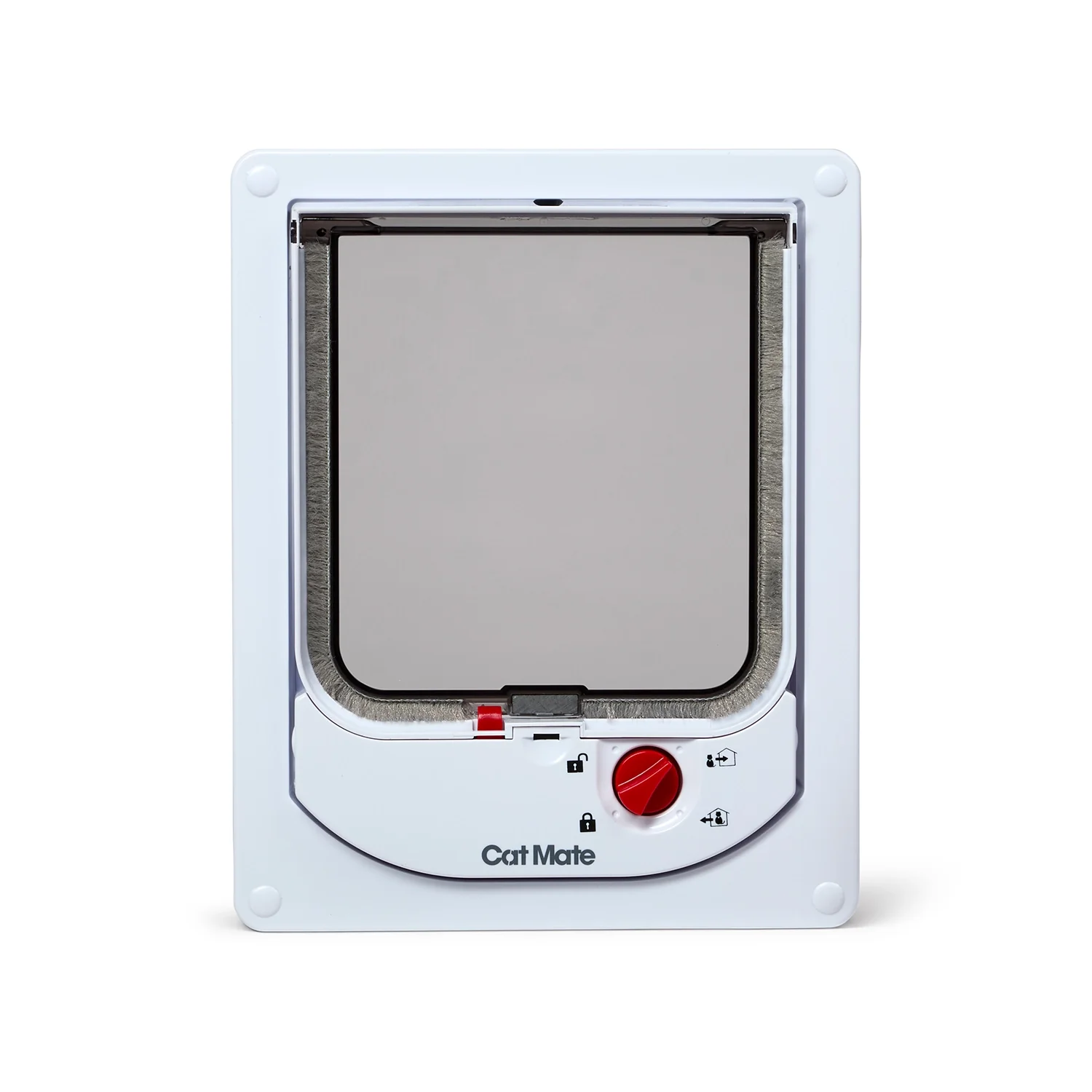
- Cat Mate Electromagnetic Cat Flap
- E-Type Gasket - Black 5m Roll
Conclusion: next steps
For large breeds choose a dog flap with a wide, tall aperture, strong frame and good locking and sealing features; factory-made pet-glazed sealed units are the best option for double-glazed doors. Trade installers should confirm door construction and manufacturer guidance before cutting; homeowners should consider professional fitting for composite, aluminium or fire-rated doors. For product selection and installation kits see our comprehensive resources at /guides/pet-flaps or contact our technical team for trade pricing and template packs.

Related articles
Rented Property Cat Flap Options: What Landlords Need to Know
Rented Property Cat Flap Options: What Landlords Need to Know Installing a cat flap in a rented property can improve tenant satisfaction but it raises ques...
Replacing uPVC Door Panels with Cat Flap Panels: A Cleaner Solution
Replacing a uPVC door panel with a purpose-made cat flap panel is a practical way to give pets easier access while keeping the rest of the door intact. Whe...
Dog Flap Insulation: Preventing Heat Loss Through Larger Pet Doors
Dog Flap Insulation: Preventing Heat Loss Through Larger Pet Doors Large dog flaps are convenient for owners and pets, but they create a significant therma...