
Best Euro Cylinders for UK Doors: Security Picks
Best Euro Cylinders for UK Doors: Security Picks Choosing the right euro cylinder lock for a front or back door is one of the most effective upgrades you c...
Best Euro Cylinders for UK Doors: Security Picks
Choosing the right euro cylinder lock for a front or back door is one of the most effective upgrades you can make to improve security. Whether you are a homeowner fitting a replacement or a trade professional specifying locks for multiple properties, understanding the differences between cylinders, how they are sized and how they resist attack will ensure the correct product is fitted first time.
What is a euro cylinder lock and where it is used
A euro cylinder lock is a standardised locking cylinder used widely on uPVC, composite and timber doors throughout the UK. The cylinder sits in the door furniture and operates the locking mechanism, typically the multipoint lock found on modern external doors. Euro cylinders are available in single, double and thumbturn formats; they are relatively quick and straightforward to replace when the fixing screw is removed and the key turned to align the cam.
Key security features to look for
Not all cylinders offer the same level of protection. When specifying or buying a euro cylinder lock, focus on the following features:
- Anti-snap: a sacrificial section designed to break away if the cylinder is snapped, preventing the attacker from accessing the lock cam.
- Anti-drill: hardened steel pins and plates to resist drilling attempts at the cylinder face.
- Anti-pick: complex pin stacks and spool pins to make picking more difficult and time consuming.
- Anti-bump: internal mechanisms that prevent manipulation using bump keys.
- TS007 3-star rating or Sold Secure Diamond: recognised UK standards that indicate a higher resistance to attack; look for the relevant mark on the cylinder.
- Secured by Design approval where applicable: this police-backed standard is often specified for social housing and commercial projects.
Types of euro cylinder and when to use them
Choose the format based on door function and safety requirements:
- Single cylinder: key required on both sides; not recommended for doors where rapid internal escape is needed because a key must be available inside to exit.
- Double cylinder: key on both sides; use with caution on escape routes because it can prevent a quick exit if the key is missing inside.
- Thumbturn cylinder: key outside, thumbturn inside; recommended for front doors where occupants must be able to exit quickly without a key; ensure the thumbturn will not be vulnerable to reach-in attacks through glass panels.
Correct sizing and fitting advice for trades and DIY
Getting the size right is crucial. Euro cylinders are measured from the centre of the fixing screw (the cam) to each end. Common sizes include 35/35, 45/45 and asymmetric sizes such as 30/40. To measure:
- Leave the cylinder in place and measure from the centre of the fixing screw to the external face of the cylinder; repeat for the internal side.
- If replacing an existing cylinder, match the existing measurements; add a millimetre or two if you are unsure, but excessive protrusion makes the cylinder easier to attack.
Fitting a euro cylinder lock is straightforward for most tradespeople and competent DIYers:
- Open the door and locate the long fixing screw at the edge of the door; partially undo it to release the cylinder.
- Insert the key, rotate slightly to align the cam, and pull the cylinder out from the face of the door.
- Slide the new cylinder in while the key is turned to align the cam and secure with the fixing screw. Check that the cylinder does not protrude excessively; 2–3 mm of clearance either side is a sensible limit.
- Test the lock multiple times: lock and unlock from both sides, operate the multipoint mechanism and ensure the handle returns to neutral where applicable.
Practical trade tips: specification and stocking
For installers and merchants specifying cylinders across projects, these practical tips will save time and reduce returns:
- Standardise on TS007 3-star cylinders for external doors where possible; they cover anti-snap, anti-drill and anti-pick performance expected in the UK market.
- Keep common sizes in stock: 35/35 and 45/45 are widely used, plus asymmetric sizes for composite doors. Maintain a small range of thumbturn options for occupied properties.
- Offer keyed-alike sets for multi-property managers and landlords; this saves on key control complexity and reduces the number of keys tenants need to carry.
- Advise clients about the security implications of double cylinders on escape routes; always check building and fire regulations before specifying.
Maintenance and long-term reliability
Euro cylinder locks are robust when maintained. For the best reliability:
- Lubricate annually with a dry graphite or silicone-based spray formulated for locks; avoid heavy oils that attract dust and gum up the mechanism.
- Inspect for excessive play or corrosion; replace cylinders that show signs of wear, especially if the key becomes difficult to turn or if there is visible damage from attempted attacks.
- For properties subject to attempted break-ins, upgrade to anti-snap and anti-drill models immediately; document the replacement for insurance purposes.
Best practice for homeowner safety
Homeowners should balance security and escape considerations. Fit a thumbturn model where quick egress is needed; consider laminated or reinforced glazing around the door so intruders cannot reach the thumbturn through broken glass. Register keys and maintain a small number of authorised keyholders. If you are unsure about fitment or compliance with local building regulations, call a reputable locksmith or your trusted trade supplier.
Recommended Products
Based on this article, you may find these products helpful:
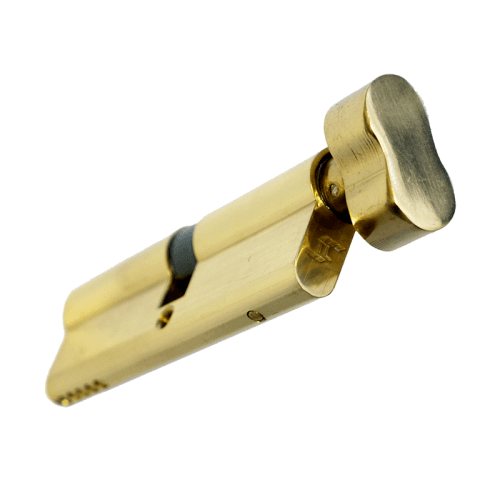
- TL Thumb Turn Euro Cylinder
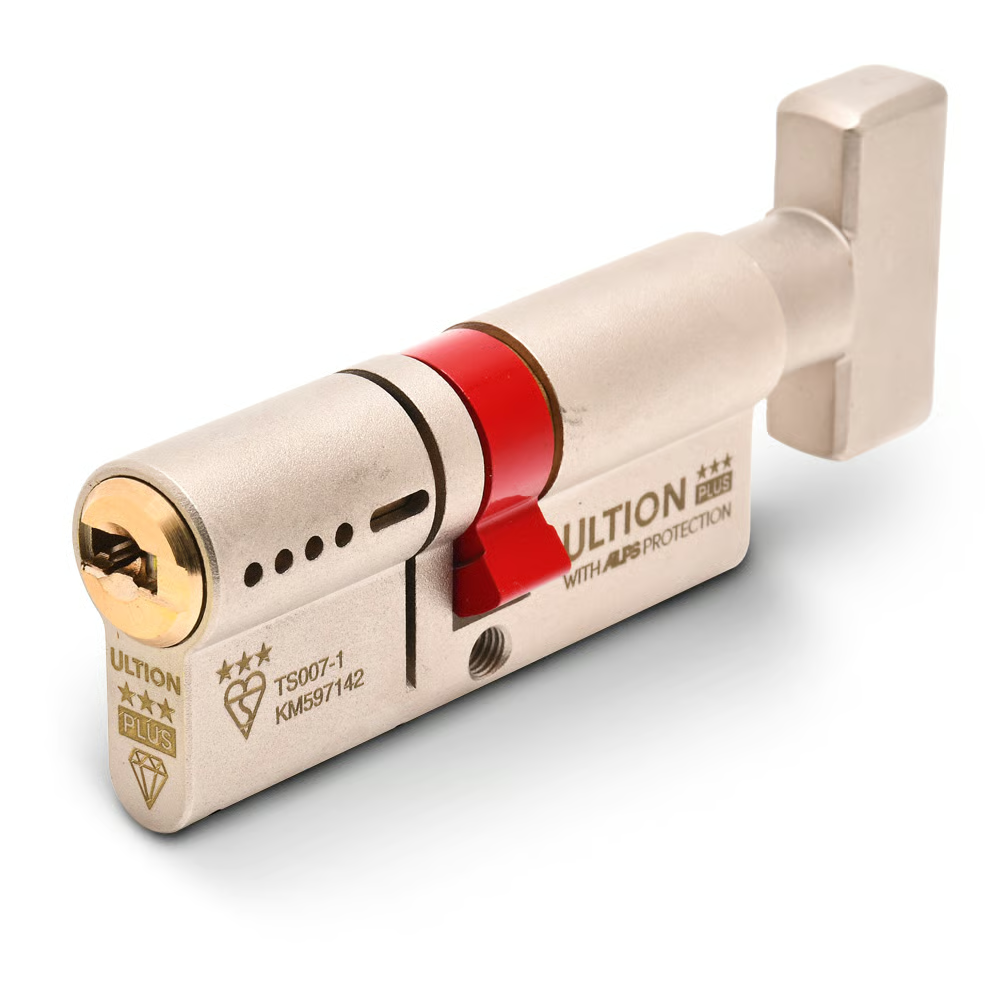
- Ultion Plus TS007 3* Kitemarked Euro Key & Turn Cylinder
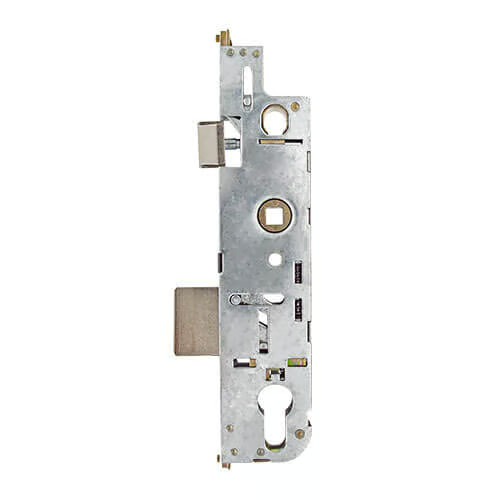
- Multipoint Gearbox GU Old Style
- In-Line Window Mechanism
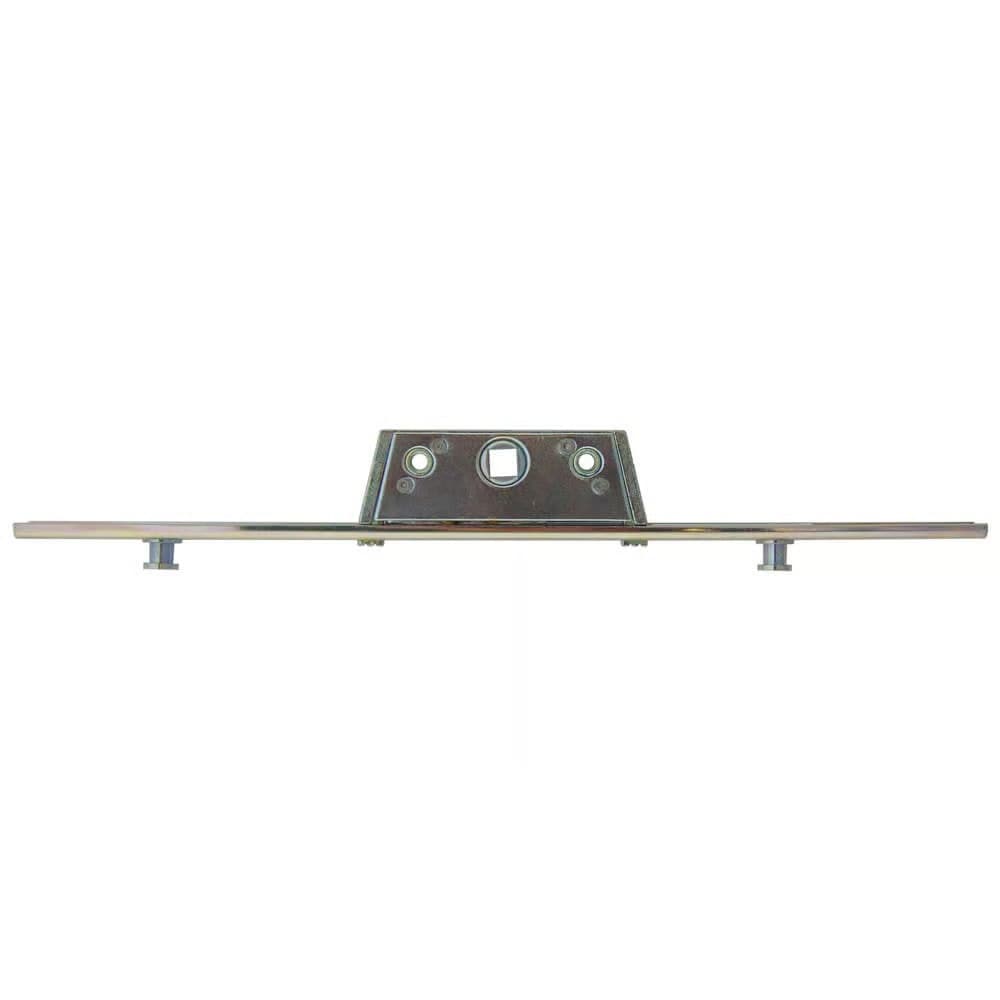
- Offset Window Mechanism
Conclusion and next steps
Choosing the right euro cylinder lock comes down to matching security standards, correct sizing and appropriate cylinder format for the door's function. For most external doors, a TS007 3-star anti-snap, anti-drill cylinder with a thumbturn on the inside provides a strong balance of security and safety. Next steps: measure your existing cylinder, note whether a thumbturn is required, and select a TS007 or Sold Secure rated cylinder from a trusted supplier. For bulk projects or uncertain cases, consult a qualified locksmith or contact our trade desk via the pillar page: /c/locks-security for product selection and fitting advice.

Related articles
What Is a Thumb Turn Cylinder? Convenience vs Security
What Is a Thumb Turn Cylinder? Convenience vs Security What is a thumb turn cylinder? A thumb turn cylinder is a type of euro-profile lock cylinder that ha...
Thumb Turn Cylinder vs Panic Bar: Exit Options Compared
Thumb Turn Cylinder vs Panic Bar: Exit Options Compared examines two very different approaches to door egress and security. The thumb turn cylinder is a co...
Thumb Turn Cylinder Sizes: Finding the Right Length
Thumb Turn Cylinder Sizes: Finding the Right Length Choosing the correct thumb turn cylinder is vital for security, smooth operation and a neat finish on d...