
Best Hook Locks for uPVC and Composite Doors
Best Hook Locks for uPVC and Composite Doors Hook lock mechanisms are a critical choice for securing uPVC and composite doors: they pull the door into the ...
Best Hook Locks for uPVC and Composite Doors
Hook lock mechanisms are a critical choice for securing uPVC and composite doors: they pull the door into the frame and engage into hefty keeps, making forced entry by levering much harder. This post explains what to look for when selecting hook locks, practical trade advice for installers, and DIY guidance for homeowners who want to replace or upgrade their multipoint locking systems.
What a hook lock does and why it matters
A hook lock is a type of multipoint locking mechanism where hook-shaped bolts engage into keeps in the frame as the door is locked. Unlike roller cams, hooks resist upward and outward forcible movement; they are especially effective on outward-opening doors and narrow stiles where a standard deadbolt or latch would be weaker. For composite doors, which often have internal steel reinforcement, a properly specified hook lock enhances the overall security performance of the door assembly.
Key features to prioritise
- Number of hooks: Two or three hooks provide progressive security; three is preferred for high-security entrance doors because it spreads the load across the frame.
- Material and finish: Hardened steel hooks and stainless-steel faceplates resist corrosion and attack; choose finishes compatible with your door furniture.
- Centre deadbolt and shootbolts: A central deadbolt combined with hooks increases resistance to kick-in attacks; automatic or manual shootbolts secure the top and bottom of the door.
- Compatibility with euro cylinders: Check whether the lock accepts euro cylinders or a profile cylinder; fit an anti-snap, anti-drill, TS007 3-star cylinder when possible.
- Gearbox quality: Smooth operation and positive locking action come from a robust gearbox; poorly made gearboxes can wear quickly and cause misalignment.
- Certification: Look for compliance with PAS 24 for enhanced security and Secured by Design where required for certain installations.
Choosing the best hook lock for uPVC and composite doors
For trade professionals specifying hardware, match the hook lock to the door construction and installation conditions. For front doors choose a three-hook multipoint with a central deadbolt, anti-snap cylinder and reinforced keeps. For side and back doors a two-hook multipoint with a secure cylinder may be adequate, but still specify long frame screws for lateral strength.
Homeowners replacing a worn lock should remove the handle and cylinder, note the existing lock’s part number if available and measure key dimensions: faceplate height, distance from spindle to face of lock, and overall backset. If the existing lock is a branded multipoint, replacing like-for-like is usually the least disruptive option.
Practical trade advice for installers
- Check door alignment before fitting: door sag or a swollen threshold will cause premature wear; adjust hinges or fit a butt hinge or adjustable hinges if needed.
- Measure precisely: backset, centres, faceplate length and case depth; ensure the new lock’s keeps line up with the hooks; plan to modify keep positions rather than the door edge where possible.
- Use long security screws into the frame: at least 60mm graded screws into the main frame timber or reinforced section; short screws reduce resistance to levering attacks.
- Set keeps accurately: keep plates should be bedded level and flush; use packers where necessary to prevent mis-engagement and avoid loading the gearbox.
- Test the complete operation: lock and unlock multiple times, check deadbolt engagement, handles return to neutral and cylinder turns freely with the door both open and closed.
- Record and label: for trade fit-outs, note the lock model and handing on the job sheet for future maintenance or warranty work.
DIY guidance for competent homeowners
If you are comfortable with basic carpentry and have the correct tools you can replace a hook lock. However, because door security is critical, call a qualified locksmith if you are unsure.
- Tools required: cross-head and flat screwdrivers, T-handle or Allen keys for handles, tape measure, spirit level, chisel set, replacement screws and possibly a drill for new keep positions.
- Steps at a glance: remove handles and cylinder, unscrew and remove the faceplate and gearbox, compare measurements with the replacement, fit the new lock into the mortice, secure the faceplate, refit cylinder and handles, and adjust keeps as required.
- Common mistakes to avoid: using screws that are too long and damage internal door skins; not bedding keeps solidly; re-using a worn cylinder; over-lubricating the cylinder with oil-based products (use graphite or a specialist lock lubricant).
- Safety tip: if the door has a multi-point automatic locking function, ensure you understand the sequence of operations before removing parts; some systems are spring-loaded and can be damaged if disassembled incorrectly.
Maintenance and troubleshooting
Regular maintenance extends the life of a hook lock: lubricate the gearbox and hooks annually with a light silicone spray or a PTFE lubricant; use graphite for the cylinder. Check that handles are not loose and that all fixing screws are tight. If the hooks do not fully engage, inspect keeps for obstruction and check for door movement at hinges; adjust the frame keeps or hinges rather than forcing the lock.
When to upgrade
Consider upgrading to a higher specification hook lock if the property is in a high-risk area, if you have a narrow stile composite door, or where insurance requires PAS 24 compliance. Upgrading cylinders to anti-snap TS007 3-star rated products is crucial; this change alone improves resistance to common attack methods.
Further reading and product selection
For technical specifications, installation manuals and more on door lock types consult our pillar content here: /guides/door-locks. For trade customers we stock a range of multipoint hook locks, keeps and cylinders; contact our sales team with the lock measurements and door details for a recommended match.
Recommended Products
Based on this article, you may find these products helpful:
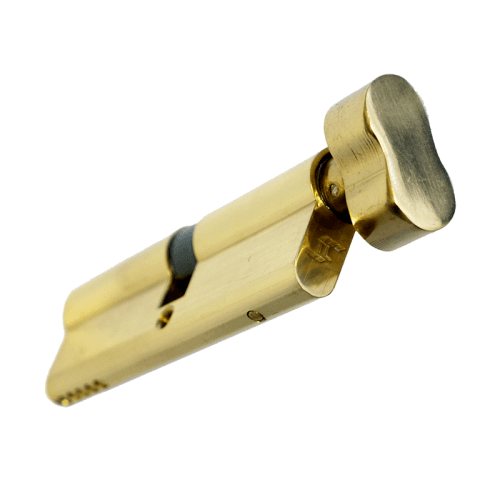
- TL Thumb Turn Euro Cylinder
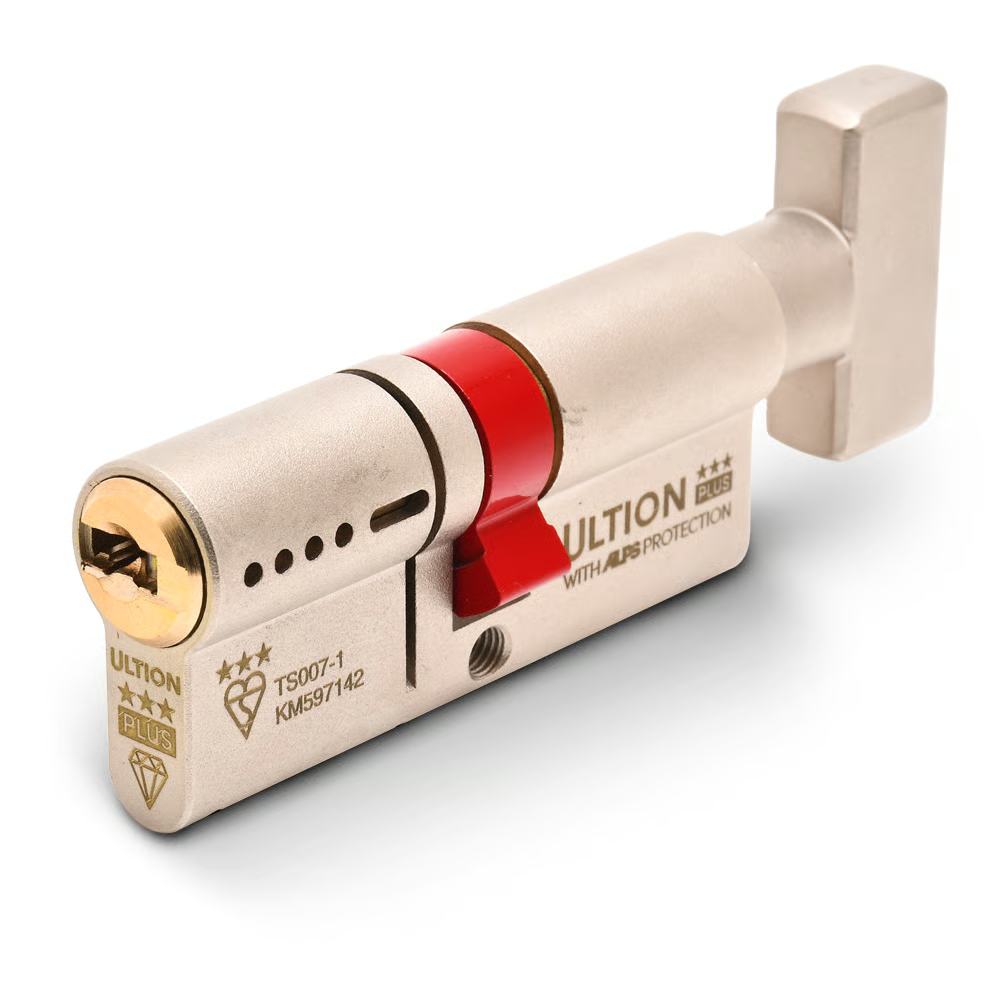
- Ultion Plus TS007 3* Kitemarked Euro Key & Turn Cylinder
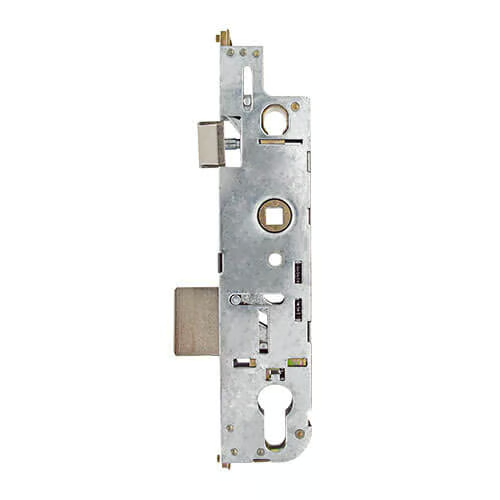
- Multipoint Gearbox GU Old Style
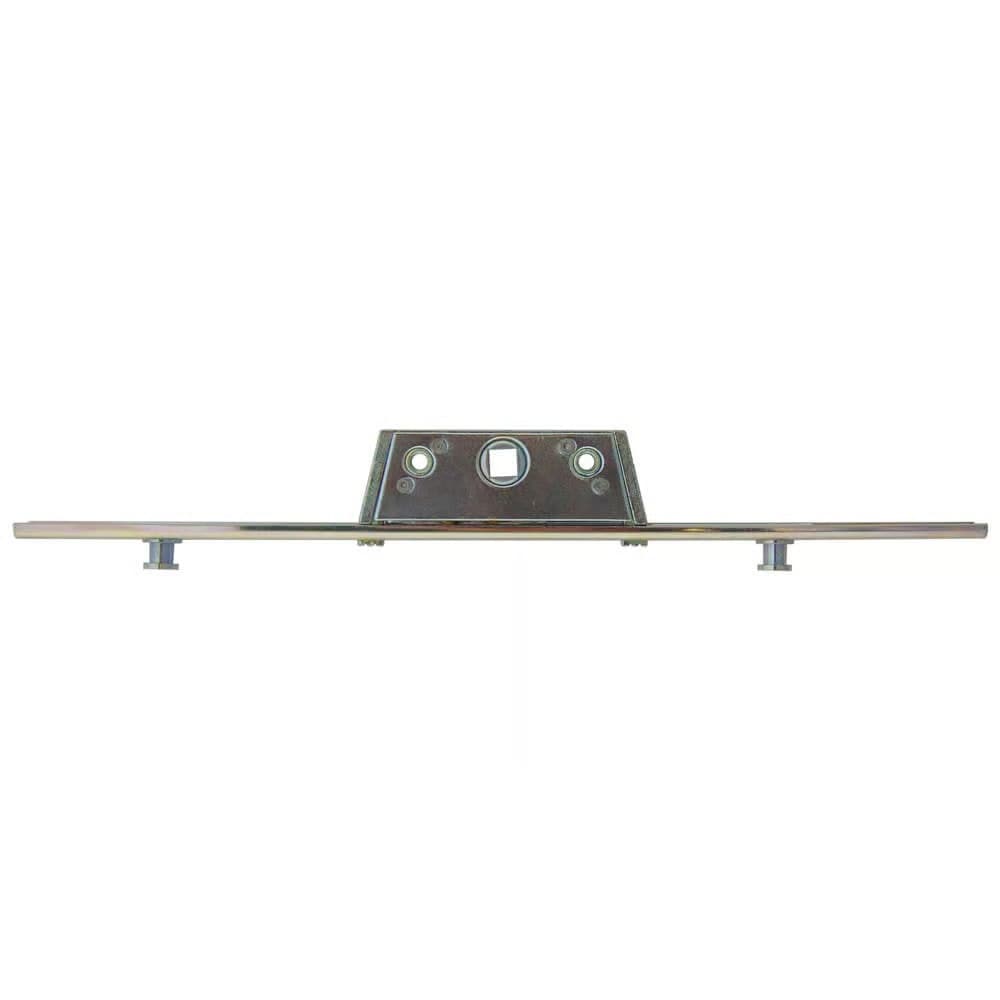
- In-Line Window Mechanism
- Offset Window Mechanism
Conclusion and next steps
Choosing the best hook lock means matching the number of hooks, cylinder security, gearbox quality and keep design to the door type. Tradespeople should measure and set keeps accurately and use long security screws; competent DIYers can replace like-for-like but should avoid speculative modifications. Next steps: measure your existing lock, confirm required standards (PAS 24, TS007), and consult our product pages or contact our technical team for a tailored recommendation and supply.

Related articles
uPVC Door Lock Maintenance: Keep Your Lock Working Smoothly
uPVC Door Lock Maintenance: Keep Your Lock Working Smoothly A well maintained upvc door lock reduces call-outs, keeps a property secure and extends the lif...
Hook Lock Sizes and Compatibility: Matching Your Existing Lock
Hook Lock Sizes and Compatibility: Matching Your Existing Lock Replacing a hook lock can be straightforward if you know what to measure and what to check f...
Replacing Individual Hook Locks vs Full Multipoint Mechanism
Replacing Individual Hook Locks vs Full Multipoint Mechanism Deciding whether to replace a single hook lock or the entire multipoint mechanism is a common ...